Check the Devices
Is the specific lighting, audio or effects equipment expressly suitable for the expected outdoor application according to the manufacturer?

Outdoor event equipment has to cope with more than rain. Dust, moisture, wind, wet ground, temperature changes and unprotected connections can affect the entire setup. Buying one IP65 spotlight is therefore not enough: equipment, power distribution, DMX connections, cable routes, PA systems, stands and stage structures must all be planned together for the actual conditions at the event.
The specified protection of one device does not automatically apply to its cables, adapters, connectors, power distribution or the rest of the setup.
A roof above the stage is not automatically enough. Driving rain, water on the ground and wind can reach equipment even underneath a covered stage. Check every functional layer separately before operation.
Is the specific lighting, audio or effects equipment expressly suitable for the expected outdoor application according to the manufacturer?
Are distribution units, cables, plugs and couplings suitably protected and positioned correctly for the expected conditions?
DMX, network and audio connectors also require weather protection appropriate to their intended application.
Cables, distribution units, connectors and cases do not belong in puddles or unsuitable low areas where water can collect.
Stands, trusses, banners and lighting fixtures create surfaces that are exposed to wind and must be included in the safety plan.
Longer events require weather monitoring and predefined actions for changing or deteriorating conditions.
Wet equipment and cables need an appropriate drying, inspection and storage strategy after the event.
Basic principle: an IP rating applies to the marked product under the conditions intended for that product. It does not automatically transfer to attached cables, adapters, socket strips or other equipment in the same setup.
With a designation such as IP65, the first digit describes protection against solid foreign objects or dust, while the second digit describes protection against water. A higher number does not automatically mean that a product is approved for every possible weather condition or mounting orientation.
| IP Rating | Typical Classification | Event Practice |
|---|---|---|
| IP20 | Classic indoor equipment | Do not expose to rain without suitable protection |
| IP43 / IP44 | Increased protection against splashing or rain depending on the product | Observe the specified mounting conditions exactly |
| IP54 | Additional dust protection plus splash-water protection | Often found on robust socket and connection components |
| IP65 | Dust-tight and protected against water jets | Common on professional outdoor lighting |
| IP66 | Dust-tight with stronger protection against powerful water jets | Found on suitable outdoor floodlights |
Keep connectors and covers closed: with many outdoor fixtures, the stated protection rating is achieved only with correctly fitted connectors, closed protective caps and the intended mounting position. The operating instructions are therefore part of the outdoor plan.
Musikhaus Korn has a dedicated LED Outdoor category. IP65 PAR fixtures, wash lights and weather-resistant strobes are particularly useful for temporary outdoor stages. IP66 floodlights are also available for suitable fixed-area and pathway illumination.
Useful for stage areas, façades and coloured accents. Do not check only the IP rating of the housing: the power and DMX connections must also be suitable for the intended outdoor use.
Outdoor moving fixtures need suitable protection for their housing, mechanics and connections. Their IP rating does not replace wind planning for the supporting truss.
Battery-powered PARs and lights can reduce power cabling in audience areas. The product's own IP rating and the conditions required for charging remain relevant.
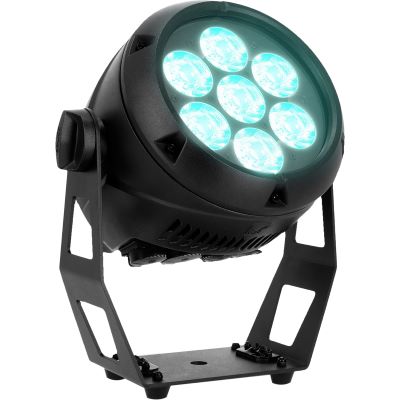
The ROOT Par IP combines seven 8 W RGBW LEDs with an IP65 housing, True1-compatible power connections and three-pin DMX connections. It illustrates why outdoor suitability has to include both the fixture itself and its connection concept.
View Cameo ROOT Par IP
Many conventional active loudspeakers are not designed to operate freely in the rain. PA systems are therefore usually protected through suitable positioning and roofing, or replaced with systems that are expressly suitable for the intended weather exposure.
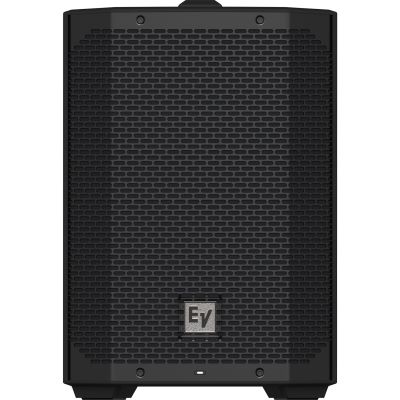
Electro-Voice offers the EVERSE 8 and EVERSE 12 as mobile battery-powered speakers with a weather-resistant concept. With the EVERSE 12, the stated IP43 conditions apply to the intended battery and Bluetooth operation when the connection panel is correctly protected. Details like these show why “weather-resistant” must always be checked in the product manual.
Robust mobile distribution equipment intended for event use is appropriate for open-air setups. Current mobile PCE distribution units at Musikhaus Korn, for example, use IP44 enclosures and, depending on the model, include residual-current protective devices.
Do not position distribution units and connections where rainwater may collect or where vehicles can cause mechanical damage.
Use robust cables intended by their manufacturer for the relevant mobile outdoor application. Plugs and couplings must also suit the application.
Modifications to distribution equipment and fixed connections, as well as professional assessment of unfamiliar incoming power supplies, belong in the hands of a qualified electrician.
IP44 is not permission to place equipment in puddles. Splash-water protection does not mean underwater operation. Connectors and distribution equipment should remain positioned away from water accumulation, mechanically protected and used in accordance with the manufacturer's conditions.
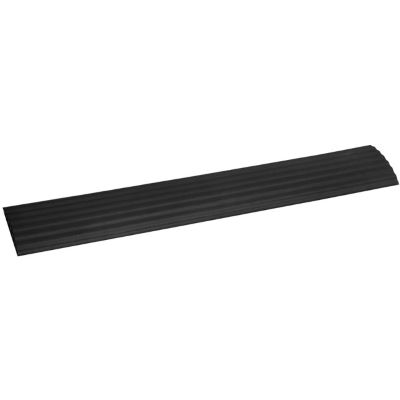
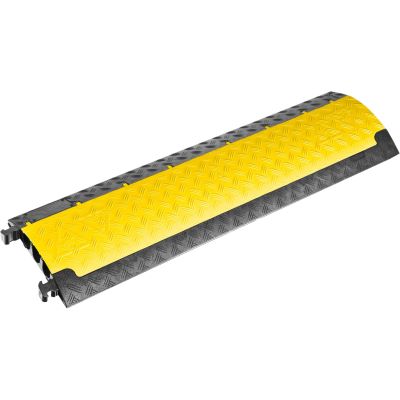
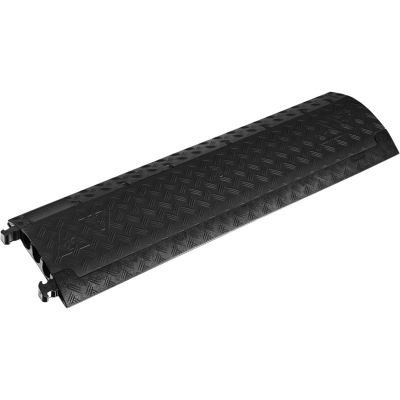
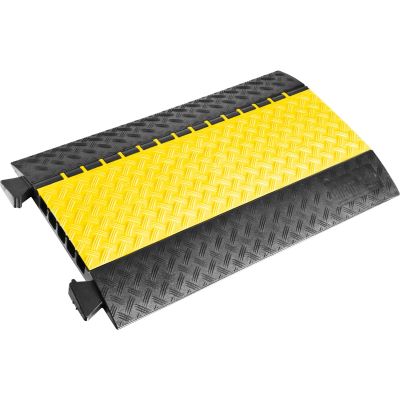
Power and data cables should preferably be routed outside audience and vehicle areas. Where a crossing cannot be avoided, suitable cable bridges protect both the cables and the traffic route.
Thick CEE cables need substantially larger channels than individual audio or network cables.
Pedestrians, flight cases, cars and stage vehicles place very different mechanical demands on a cable bridge.
Do not deliberately route cables through depressions where water may remain for extended periods.
Structure power, audio and data routes clearly instead of unnecessarily tangling all cable groups together.
Banners, stage fabric, loudspeakers, lighting fixtures and trusses all create wind-exposed surfaces. A device can have an IP65 rating and still be part of a structure that cannot be operated safely in strong wind.
Manufacturer load ratings for stands do not automatically account for large lateral forces caused by wind. Outdoor positioning therefore requires separate assessment.
Larger temporary structures require a defined safety and weather concept, including the conditions under which they may continue to be used.
Responsibilities, weather monitoring and required measures should be defined before the event rather than when a storm is already approaching.
Clearly distinguish equipment approved for the intended outdoor conditions from indoor equipment that must remain protected.
Before the show begins, determine where sensitive equipment can be moved or protected if the weather deteriorates.
Assign responsible people and establish safe shutdown procedures for power, lighting, PA and effects equipment.
Do not switch wet equipment or equipment affected by condensation back on without checking that it and the electrical installation are safe.
The selection combines lighting and PA products designed for suitable outdoor use with power, cabling and protection components for professional open-air setups.
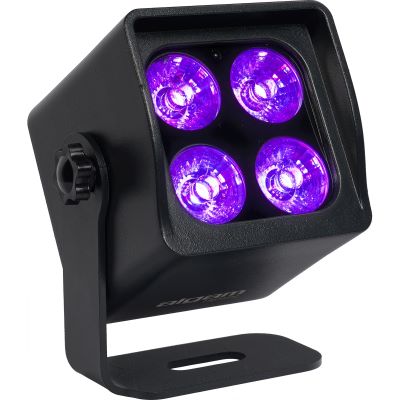
PARs, wash lights, floodlights, strobes and moving lights for suitable outdoor lighting applications.

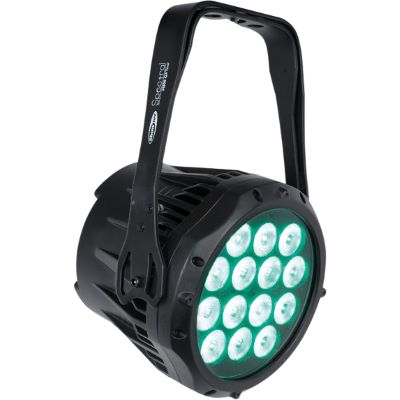
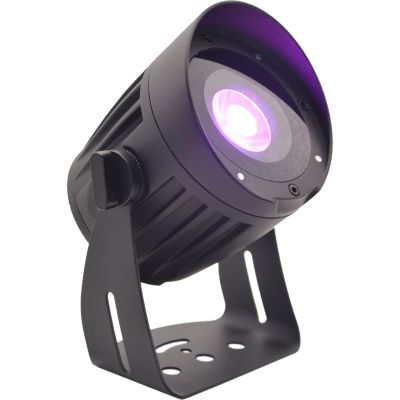
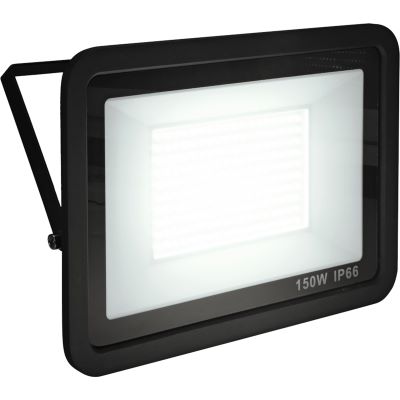
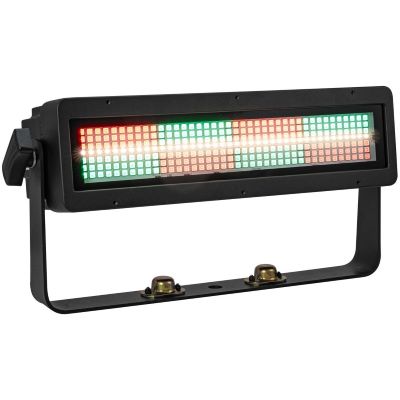
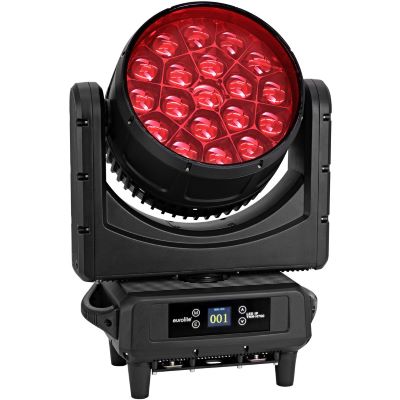
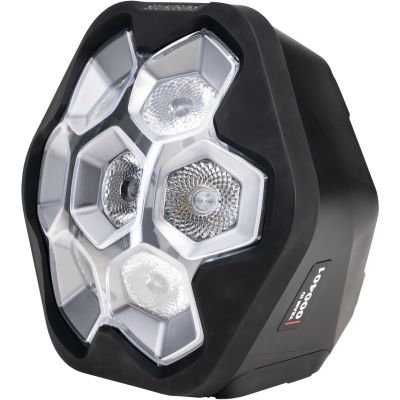
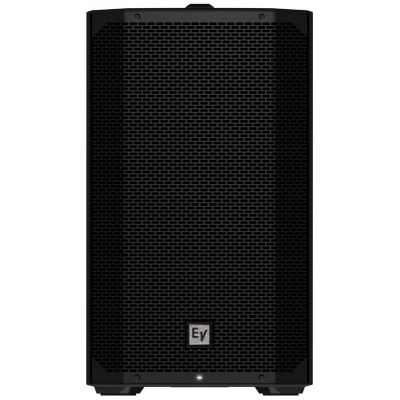
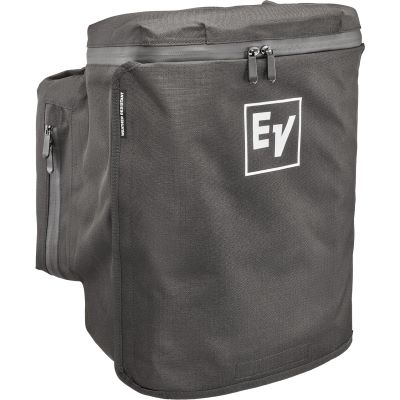
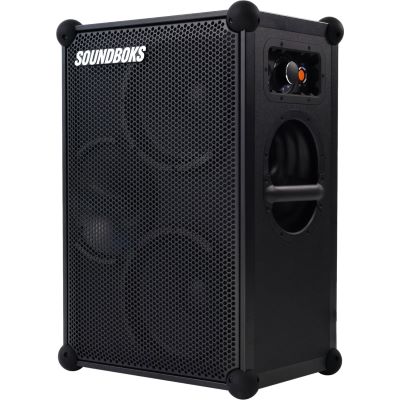
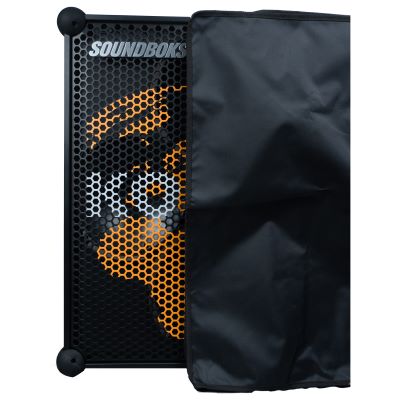
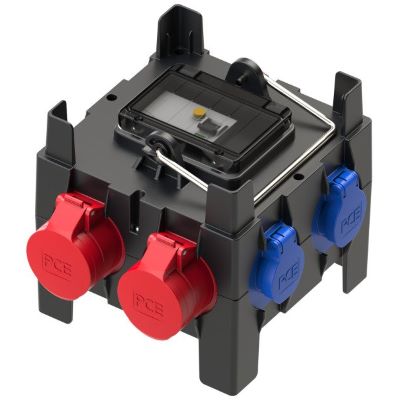
Mobile IP44 distribution equipment and robust event cables for appropriately planned outdoor power supplies.
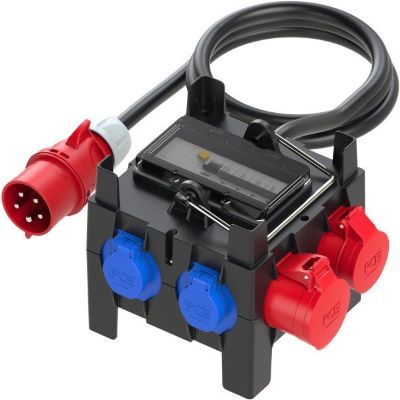
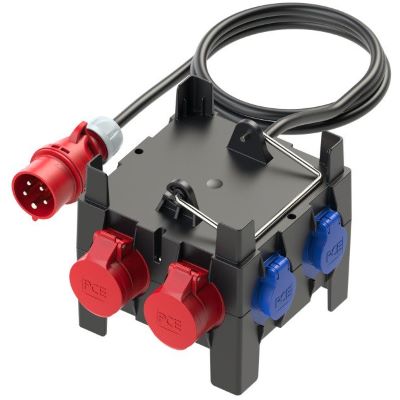
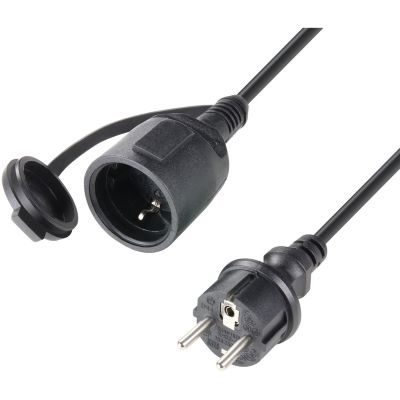
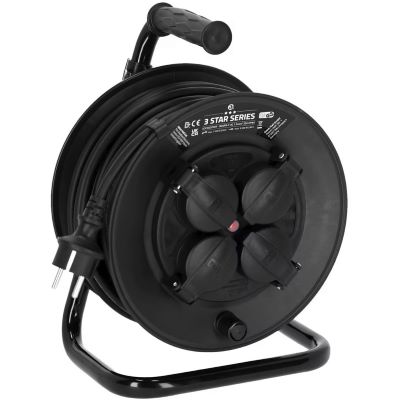
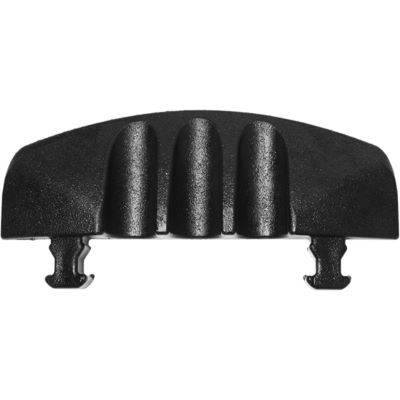
Mechanical protection for unavoidable cable crossings. Load capacity and channel dimensions must match the route.
Especially with outdoor lighting, complete manufacturer families are useful because matching protected connections, DMX accessories and additional weather-suitable equipment are easier to combine consistently.





The spotlight may be protected while the power connection itself is not automatically weather-resistant.
Improvised covers may obstruct ventilation and cooling and therefore should not be used without checking the intended operating conditions.
Rainwater naturally collects at low points of the site. Position electrical distribution accordingly.
Banners, PAR fixtures, loudspeakers and moving heads also create significant surfaces exposed to wind.
Moisture should be removed in a controlled manner and equipment inspected before longer-term storage.
Close unused outdoor connections in accordance with the manufacturer's instructions.
This depends on the actual exposure. IP65 is common for outdoor lighting used in exposed positions. More protected locations may have different requirements. Manufacturer approval and the actual environment are decisive.
IP65 provides defined protection against dust and water jets. The mounting position, connectors, closed protective caps and any additional manufacturer conditions still apply. IP65 does not mean that a product is suitable for submersion.
IP44 is common on suitable mobile power products, but it describes only a defined level of protection. Whether it is sufficient depends on positioning and the expected environment.
Only within their manufacturer-approved operating conditions and with suitable weather protection. Many conventional active loudspeakers are intended for dry operation. Weather-resistant battery PA systems can be an alternative for suitable mobile outdoor applications.
Not without checking whether it is permitted during operation. A tarpaulin may cover ventilation openings or amplifier modules. Use accessories intended for the equipment or protect the complete position appropriately.
The cable and especially its connectors must be suitable for the application. Professional IP-rated fixtures therefore often use protected DMX connections and corresponding outdoor connector systems.
Such positioning should be avoided. Distribution equipment should be stable and positioned so that water accumulation, mechanical damage and unintended contact are minimised.
Robust cables intended for the relevant mobile outdoor application are used. H07RN-F is widespread in event technology. Cable length, conductor cross-section, plugs and protection requirements must all match the electrical circuit.
Route cables away from water accumulation and pedestrian areas wherever possible. Protect unavoidable crossings with suitable cable bridges and avoid placing connectors in problematic areas.
Yes. Wind generates lateral forces on fixtures and the supporting structure. A stand's normal vertical load rating is therefore not automatic approval for outdoor wind loads.
Continue operation or switch equipment back on only when the condition of the equipment and the complete electrical installation are safe. In critical cases, inspection belongs in qualified professional hands.
Classify equipment according to its weather suitability, define protected technical areas, monitor weather conditions and establish responsibilities as well as shutdown and dismantling criteria before the event begins.
Select protected PARs, wash lights, strobes and floodlights specifically according to the required IP rating.
Dimension mobile CEE and Schuko distribution to suit the specific event and actual environment.
Protect power, audio and data cables mechanically where they cross audience and working routes.
Plan platforms, trusses, stands and wind exposure together as one complete temporary event structure.
Start with the expected weather conditions and then classify every device according to its manufacturer's approval. Use suitable outdoor lighting, protect PA equipment and connection panels, plan power distribution and cables for the actual environment and keep connectors away from areas where water can collect. Cable bridges protect unavoidable crossings, while wind loads on stands and stage structures must be considered separately. Weather monitoring and predefined shutdown procedures complete a professional outdoor plan.
Outdoor equipment, power distribution, stage construction, lighting, PA systems, mixers, microphones, DJ technology and recording: the central Musikhaus Korn guide takes you to further buying advice, comparisons and complete setup guides.