I Want to Sing
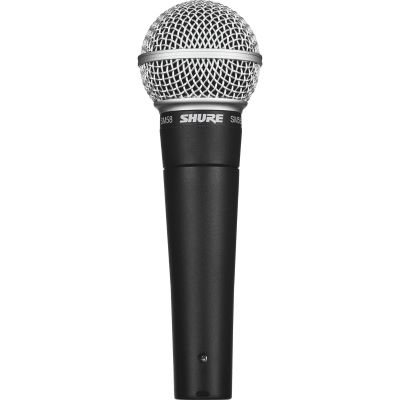
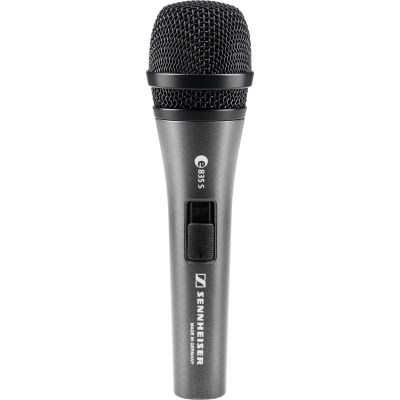
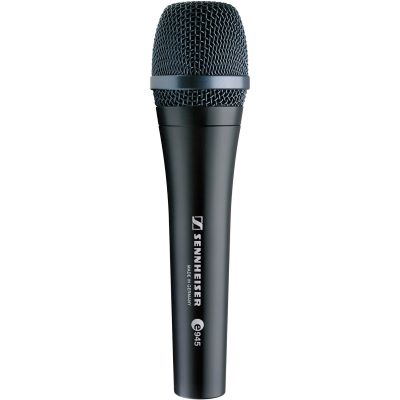
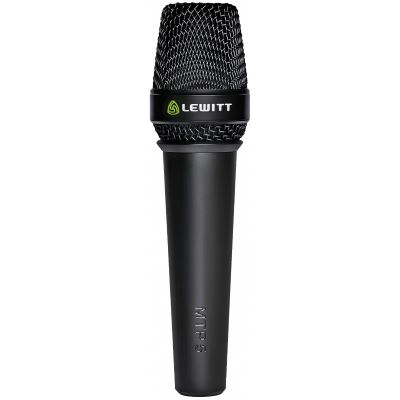
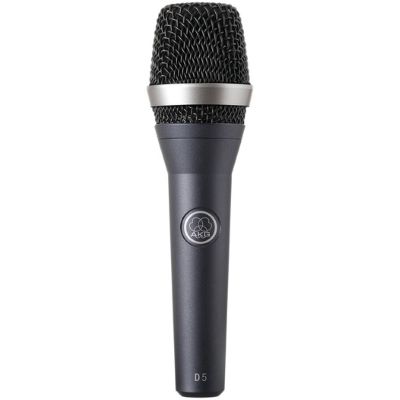
For stage and rehearsal use, a dynamic handheld microphone with a cardioid or supercardioid pattern is often the most straightforward starting point.

Live vocals, home-studio recording, podcasts, instruments, presentations or wireless performance: the right microphone depends first on your application, the room and the freedom of movement you need – and only then on technical specifications. Start with the sound source and working environment, then choose microphone type, polar pattern and connection.
There is no universally “best” microphone. A robust dynamic vocal microphone can be a better choice on a loud stage than a highly sensitive studio microphone. In a controlled recording room, however, a large-diaphragm condenser microphone can capture considerably more vocal detail.
For stage and rehearsal use, a dynamic handheld microphone with a cardioid or supercardioid pattern is often the most straightforward starting point.
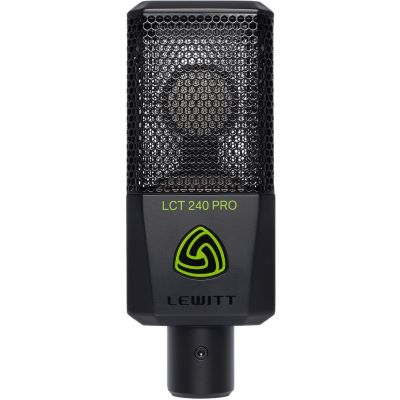
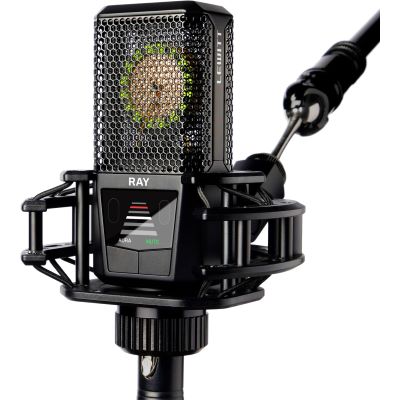
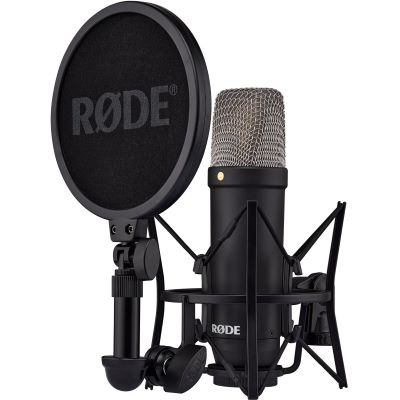
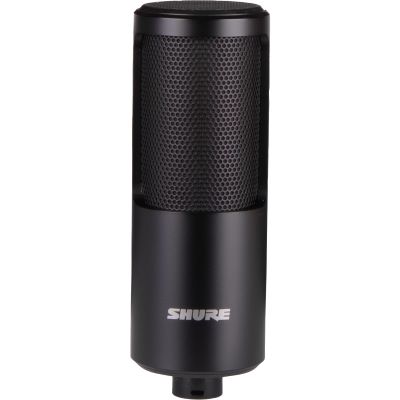
Large-diaphragm condenser microphones are a popular starting point. In a reverberant room, a dynamic microphone used at a shorter distance can be easier to control.
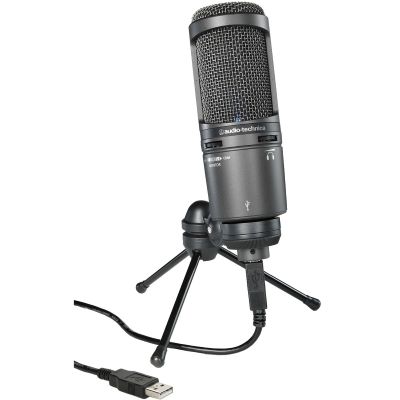
A USB microphone reduces the technical setup required. Models that also provide an XLR connection offer additional flexibility for future expansion.
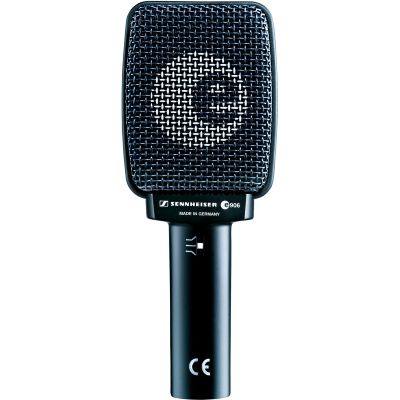
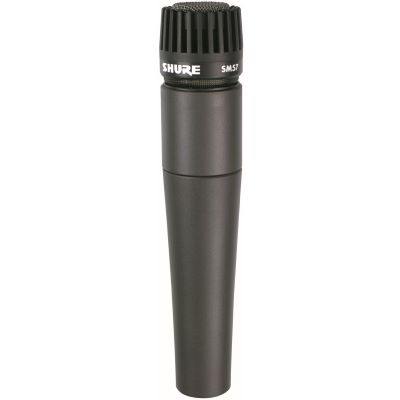
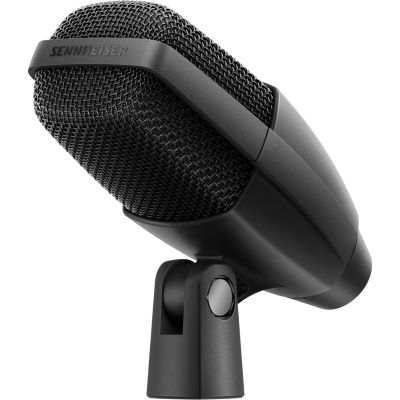
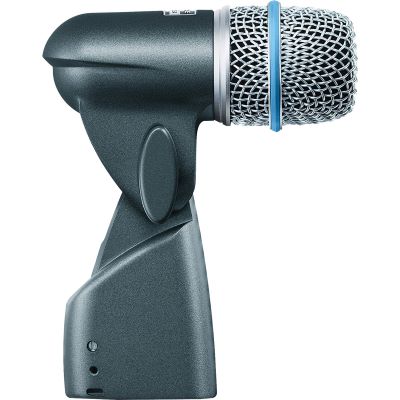
High sound-pressure capability, easy positioning and suitable tonal balance become particularly important. Dynamic instrument microphones are extremely versatile.
Quick rule: decide on the sound source, room and application first. Then choose microphone construction, polar pattern and connection. Price and additional features should only be compared within the microphone class that already fits the task.
Microphones differ not only through their capsules. Physical design, mounting, transmission method and typical working distance make specialist product groups useful.
Handheld microphones for stage, rehearsal and speech.
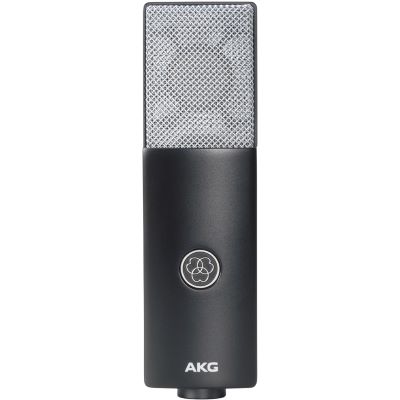
For vocals, instruments and detailed recording work.
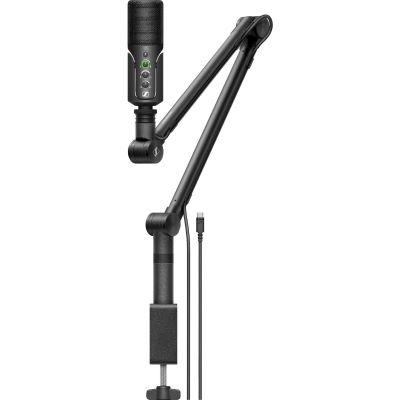
Direct computer connection for content and spoken-word recording.
Cable-free freedom for performers and presenters.
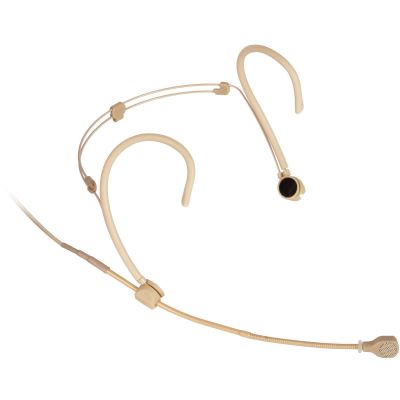
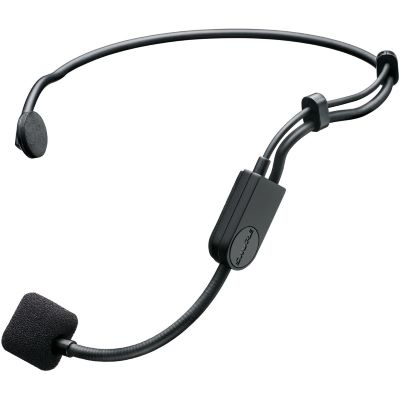
Consistent microphone distance while moving freely.
For interviews, presentations, video and theatre.
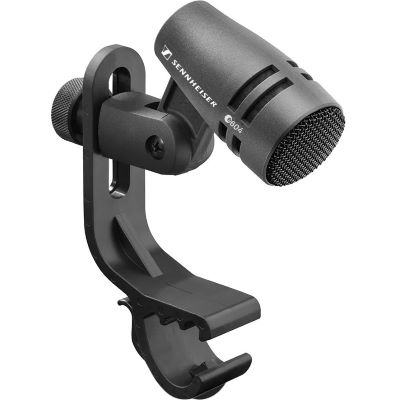
For drums, amplifiers, brass and acoustic instruments.
For conference tables, stages and fixed installations.
Focused speech pickup at lecterns, desks and installations.
Stands, mounts, windscreens and specialist accessories.
Microphone construction influences sensitivity, transient behaviour and typical applications, but it does not determine by itself whether a microphone sounds “good”.
| Type | Typical Strength | Good Applications | Remember |
|---|---|---|---|
| Dynamic | Robust and well suited to close miking | Live vocals, speech, guitar amps, snare, toms | Normally requires no 48-V phantom power |
| Condenser | Detailed and sensitive recording | Studio vocals, acoustic instruments, overheads, speech | Many XLR models require phantom power |
| Ribbon | Characterful response, often with a smoother high end | Guitar amps, brass and specialist studio work | Choose the microphone and preamp deliberately |
Do not choose by category label alone: a condenser microphone is not automatically “better” than a dynamic microphone. On a loud stage or in an untreated room, controlled close miking with a dynamic model can be exactly the advantage you need.
The polar pattern describes the directions from which a microphone is particularly sensitive to sound. It is one of the most important selection criteria on stage and in acoustically difficult rooms.
Primarily captures sound from the front and attenuates sound arriving from behind. Useful for vocals, instruments and recording.
Provides a narrower front pickup area and stronger side rejection, but also includes a small area of sensitivity behind the microphone.
Responds to sound from every direction and can be useful when natural room ambience or specialist lavalier techniques are desired.
Captures sound from the front and rear while strongly attenuating the sides. Useful for duets and specialist stereo techniques.
With many directional microphones, moving closer increases bass response through the proximity effect. A shorter distance also increases the proportion of direct sound compared with room reflections.
A position change of only a few centimetres can therefore make a greater difference than a later EQ adjustment.
Voice, speaking distance, angle, room reflections, level and the microphone's own frequency response all interact. A model that adds pleasant warmth to a bright voice can already sound too soft on a very dark voice.
Application beats the data sheet: frequency response and maximum SPL are important, but correct placement, polar pattern and microphone class are at least as important in real-world use.
The classic connection for mixers, audio interfaces and professional audio systems. Condenser microphones can require 48-V phantom power from the connected device.
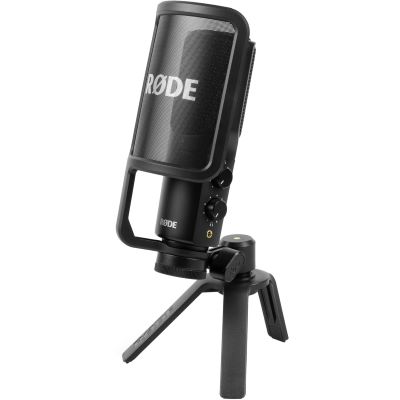
Microphone, preamplifier and digital conversion are combined in one device. This is practical for podcasts, streaming, gaming, video conferencing and mobile recording.
Useful for singers, presenters and events. In addition to the microphone capsule, frequency range, number of simultaneous wireless channels and the complete wireless system must fit the application.
The examples cover different applications and price classes. Technical details, current availability and accessories remain available on the individual product pages.
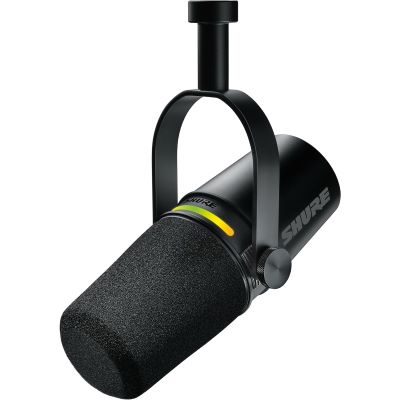
Dynamic handheld microphones for vocals, speech, rehearsal rooms and events.
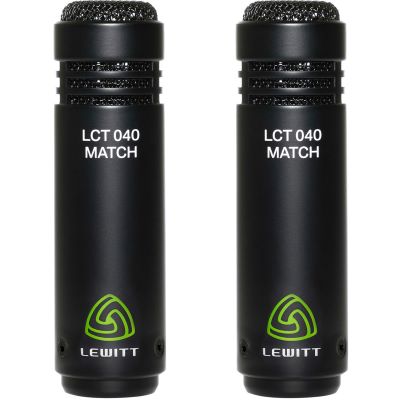
Detailed microphones for voices, instruments and stereo recording.
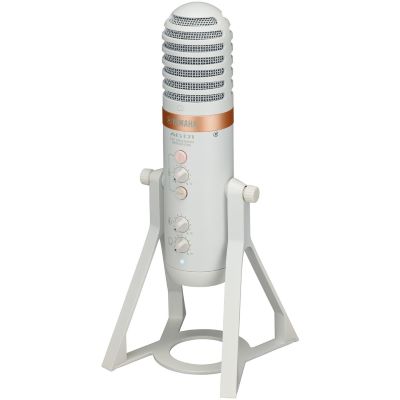
Direct computer solutions for speech, streaming and content production.
Compact and robust microphones for targeted close miking.
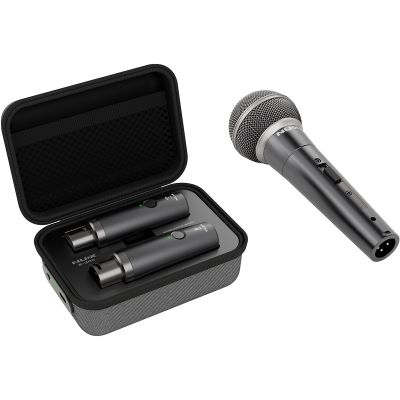
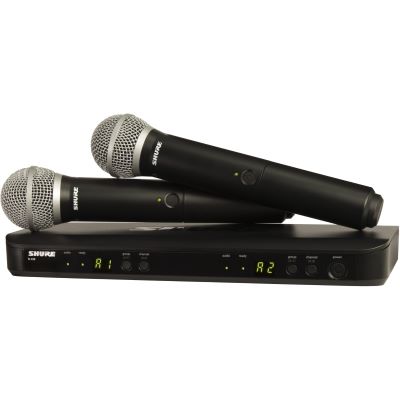
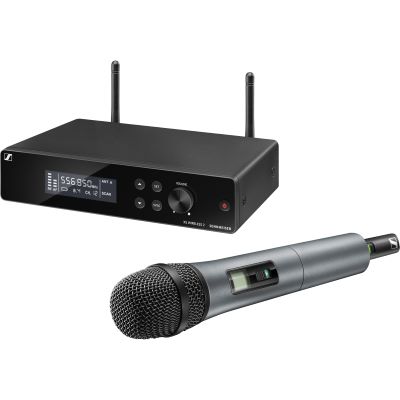
For singers, presenters and applications that require greater freedom of movement.

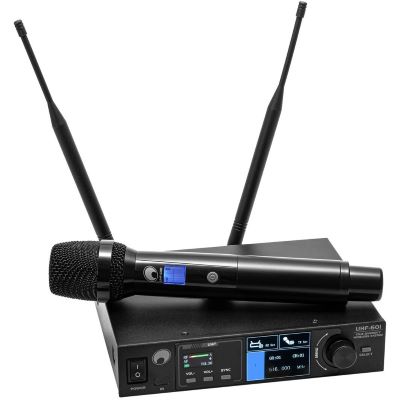

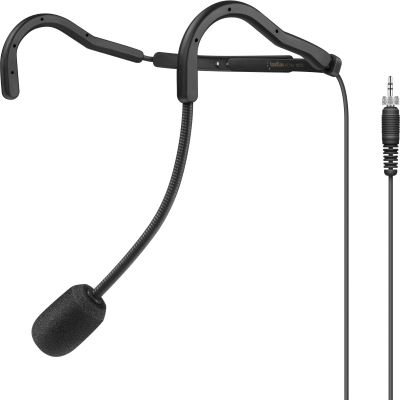
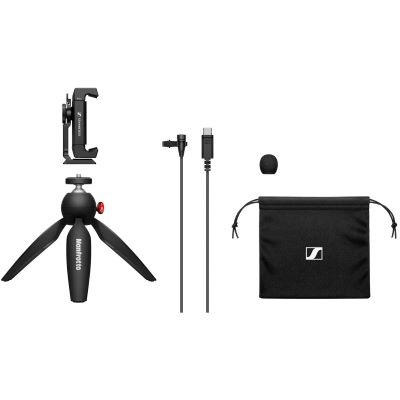
Solutions for presentations, fitness, interviews, video and speaking with both hands free.
Even an excellent microphone is only convenient to use when positioning, cabling and protection are also planned correctly.
Keeps a reproducible microphone distance in the studio, on stage or at a desk.
Helps reduce strong bursts of air from P, B and other plosive consonants during close speech and vocal recording.
A suitable cable is an essential part of every classic XLR microphone setup.
Shockmounts, microphone clips, wind protection and specialist holders solve more specific recording and stage applications.
If you already have good experience with a particular capsule, wireless range or tonal character, you can narrow the selection further within the corresponding manufacturer range.









Plan microphones for vocals, instruments, drums, stereo recording and complete recording projects.
Start with the sound source and determine the required microphone type, channel count and recording path.
Complete the microphone setup with correct positioning, cabling and practical acoustic accessories.
It depends on your voice, room and application. A dynamic vocal microphone is a very good starting point for live singing. In the studio, it is also worth comparing large-diaphragm condenser microphones. The decisive factor is which tonal character complements your voice instead of unnecessarily emphasising problematic frequencies.
Yes. Dynamic microphones are also used professionally for vocals, guitar amplifiers, drums and broadcast applications. Close miking can be a major advantage in acoustically difficult rooms.
USB is ideal when you want to start quickly with only a few components. XLR gives you more freedom when selecting an audio interface, preamp and future expansion. Hybrid models with both USB and XLR combine the two approaches.
A directional microphone used at a short distance from the voice is often useful because the direct sound becomes stronger relative to the room. A very sensitive microphone is not automatically the better choice in a reverberant room.
Many XLR condenser microphones require phantom power. Classic dynamic microphones normally do not. The specification of the individual microphone and connected device is always decisive.
Cardioid and supercardioid patterns allow unwanted sound to be rejected in specific directions. Correct stage-monitor positioning is equally important. With supercardioid microphones, the rear area of sensitivity must be considered.
A headset keeps the distance from the mouth almost constant and is therefore particularly controllable. A lavalier is more discreet and leaves the face completely unobstructed, but it sits further away from the sound source. Choose between maximum control and a less visible appearance.
For a versatile first setup, yes. A good cardioid microphone can handle several tasks. As your requirements increase, specialist microphones become useful because voices, instruments, rooms and stages create different demands.
No. A higher-quality microphone may provide better construction, more consistent polar behaviour or lower self-noise, but an impressive specification is still the wrong choice if the microphone does not suit the room, voice, instrument or signal path.
First define whether you want to record or amplify vocals, speech or an instrument. Then consider the room, sound level and required freedom of movement. Choose the polar pattern and connection afterwards. This quickly reduces a large range to a few models that genuinely fit your setup.
The right microphone choice begins with the application. For live vocals and rehearsal rooms, dynamic handheld microphones are a robust and straightforward starting point. In a controlled recording room, large-diaphragm condenser microphones can capture more detail from vocals and acoustic instruments.
USB microphones simplify podcasting, streaming and desktop recording because the preamplifier and digital conversion are already integrated. XLR microphones remain particularly flexible when the setup should later grow through another audio interface, mixer or microphone preamp.
Instrument microphones are selected according to the source: guitar amplifiers, snare drums, toms, brass and acoustic instruments place different demands on positioning, sound-pressure handling and tonal balance. Wireless, headset and lavalier systems add freedom of movement or a more discreet appearance where required.
Finally, the polar pattern and microphone position determine how much of the desired source, the room and surrounding loudspeakers are captured. This is why a correctly positioned microphone that fits the actual application is more valuable than choosing a model only because it is more expensive or has more impressive specifications.
Find further buying guides, comparisons and complete project routes in the central Musikhaus Korn guide world.