Recording a Voice
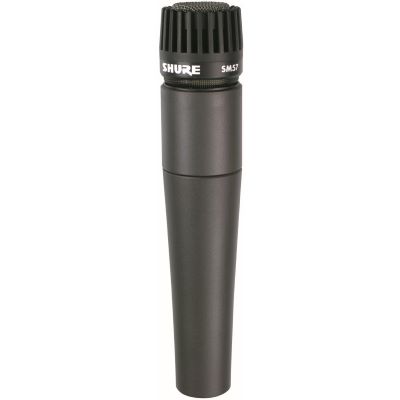
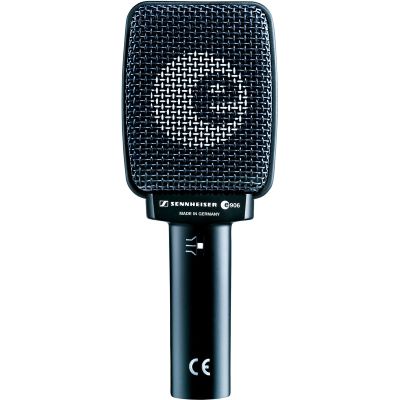
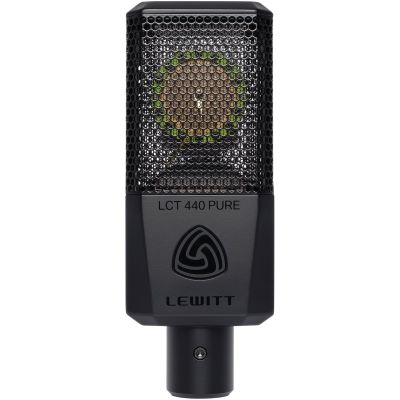
A large-diaphragm condenser microphone is a popular starting point for detailed studio vocals. In acoustically difficult rooms, a dynamic microphone can reduce the amount of surrounding room sound.

Vocals, podcasts, acoustic guitar, guitar amplifiers, drums, piano or a complete ensemble all place very different demands on microphones and audio interfaces. Before choosing a brand, diaphragm size or number of channels, answer one question first: what do you want to record – and how many signals need to reach the computer at the same time?
Start with the source instead of the equipment. Once you know what needs to be recorded, the required microphone type, connection and number of interface inputs become much easier to determine.
A large-diaphragm condenser microphone is a popular starting point for detailed studio vocals. In acoustically difficult rooms, a dynamic microphone can reduce the amount of surrounding room sound.
For a single speaker, a USB microphone is particularly straightforward. An XLR microphone with an audio interface remains more flexible if additional speakers or instruments may be added later.
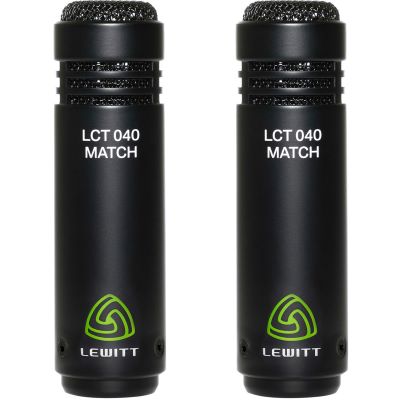
Small-diaphragm condenser microphones respond quickly to transients and are particularly interesting for acoustic guitar, grand piano, strings, percussion and stereo recordings.
Dynamic instrument microphones are proven tools for guitar amplifiers. The dry guitar signal can additionally be recorded separately through an interface or DI box.
Electronic instruments can often be recorded directly through line or instrument inputs. A DI box is useful for long cable runs or when a balanced signal path is required.
Anything from a minimal stereo setup to individual microphones on kick, snare, toms and overheads is possible. The recording method determines both the number of microphones and the interface inputs required.
Here the spatial balance is often more important than capturing every instrument individually. A matched stereo pair can record the ensemble and room as one coherent acoustic picture.
Several musicians require a corresponding number of inputs. Count vocals, guitars, bass, keyboards and drums as individual signals before choosing an audio interface.
| Source | Typical Signal Path | Channels | Good Starting Point |
|---|---|---|---|
| Podcast | USB microphone or XLR | 1 per speaker | Dynamic or USB |
| Vocals | Microphone → Interface | 1 | Large diaphragm |
| Acoustic Guitar | Microphone | 1–2 | Small diaphragm |
| Electric Guitar Amp | Instrument microphone | 1+ | Dynamic |
| Keyboard | Direct line signal | 2 for stereo | Interface line inputs |
| Drum Kit | Several microphones | 2–8+ | Drum microphone set |
| Ensemble | Stereo microphone setup | 2+ | Matched pair |
Condenser microphones reproduce fine details and quiet components very accurately. In a classic XLR setup they generally require phantom power and are more sensitive to room acoustics.
A dynamic microphone used close to the speaker often captures less room ambience. This is useful for podcasts, broadcast work and speech recording in rooms that are not fully acoustically optimised.
USB microphones combine microphone, preamp and converter in one device. A separate audio interface is therefore unnecessary.
A separate interface becomes more flexible as soon as several microphones, different preamps or additional instruments need to be recorded.
With acoustic instruments, microphone position influences the sound at least as strongly as the microphone model itself. A small-diaphragm condenser microphone is a versatile starting point because of its fast response.
For acoustic guitar, a microphone can initially be placed around the neck-to-body joint. With piano, string groups or larger instruments, stereo recording is often worthwhile because it preserves width and spatial scale more naturally.
Individual wind and string instruments can additionally be recorded with specialised clip-on microphones whenever a constant microphone position or greater freedom of movement is required.
A dynamic instrument microphone placed a few centimetres in front of the speaker is the classic guitar-amp recording method.
Moving the microphone towards the centre of the cone generally produces a more direct sound, while moving towards the edge often makes the result softer.
An instrument or Hi-Z input accepts a high-impedance guitar or bass signal directly.
The clean DI track can later be processed with amp simulations or sent back through a real amplifier for re-amping.
Electronic keyboard instruments generally provide line-level outputs. A stereo sound requires two line inputs.
For long cable runs, a DI box can be useful for balanced signal transmission.
There is no fixed number. Two overheads or another reduced setup can be enough for a natural overall image. If kick, snare, toms and cymbals need to be mixed individually later, correspondingly more microphones and interface inputs are required.
Dynamic microphones are particularly useful for kick, snare and toms, while small-diaphragm condenser microphones are frequently used as overheads.
A complete drum microphone set already combines these different tasks and can simplify the first multichannel drum-recording setup.

With a choir, string ensemble or acoustic concert, the combined sound is often more important than individually capturing every musician.
Microphones can be positioned further away and capture more of the natural room.
Microphone height and distance determine the balance between direct sound and reverberation.
Shorter microphone distances reduce unwanted room reflections. Individual soloists can additionally be supported with their own microphone.
Two microphones also require two preamps and two recording paths. A true stereo recording therefore requires at least two simultaneously usable inputs on the audio interface.
A matched stereo pair is a practical starting point: techniques such as XY and other stereo arrangements can reproduce the ensemble and its recording space with only two microphone channels.
| Recording | Sensible Minimum | Example |
|---|---|---|
| One Speaker | 1 microphone input | Podcast or voice-over |
| Vocals + Guitar | 2 inputs | Singer-songwriter |
| Stereo Piano | 2 inputs | Two microphones or stereo line signal |
| Band Demo | 4–6 inputs | Several sources simultaneously |
| Multitrack Drum Kit | 8 or more | Kick, snare, toms and overheads |
Allow some reserve: if two inputs are enough today but you may later record a drum kit or a complete band, a larger or expandable interface can be the more useful long-term choice.
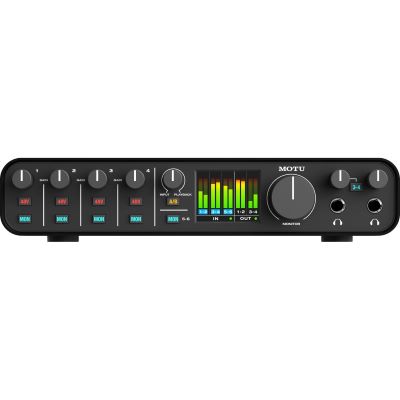
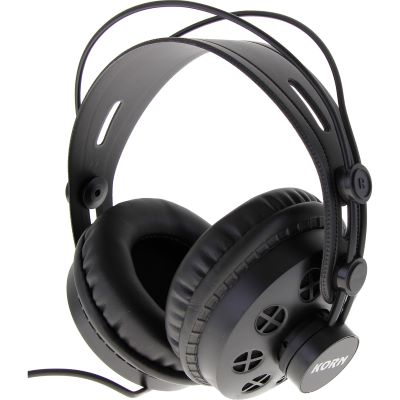
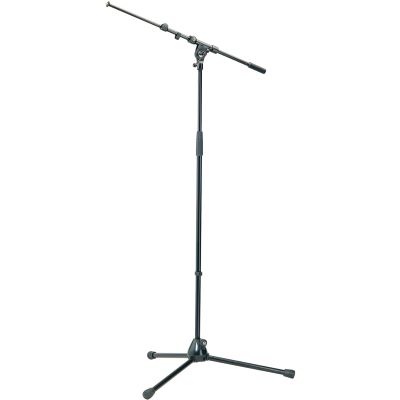
The current selection combines microphones for voice, acoustic instruments, guitar amplifiers and drums with audio interfaces, monitoring and a flexible microphone stand.
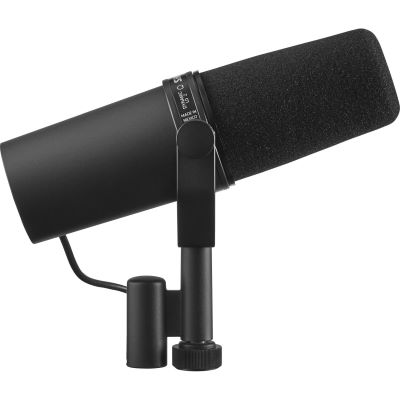
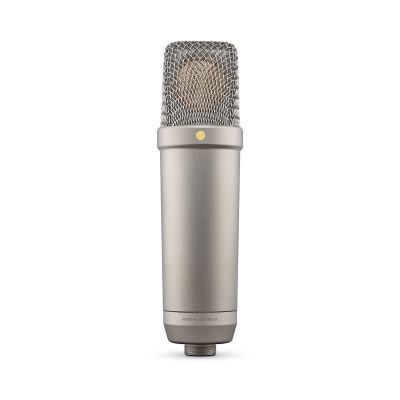
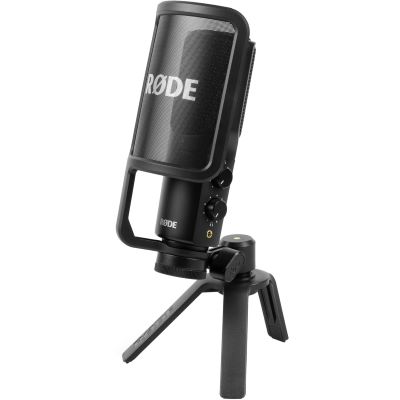
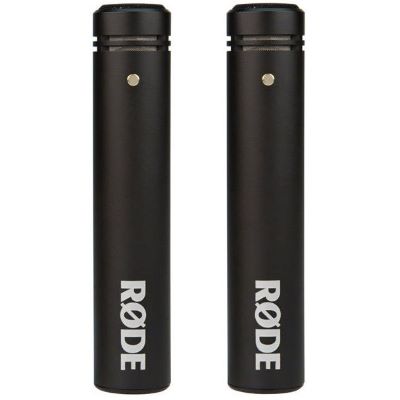
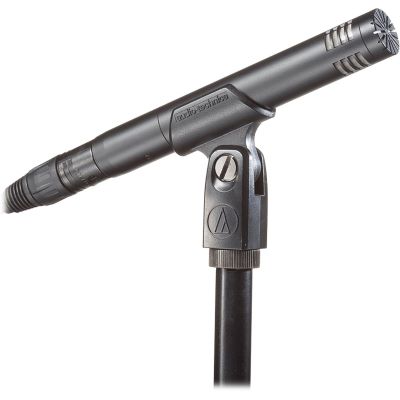
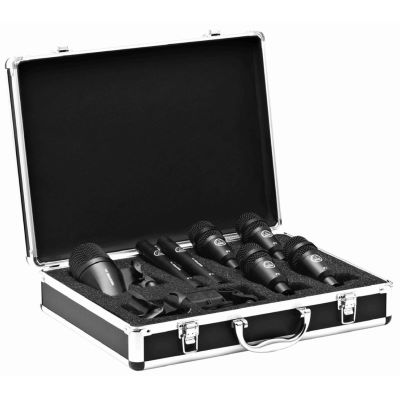
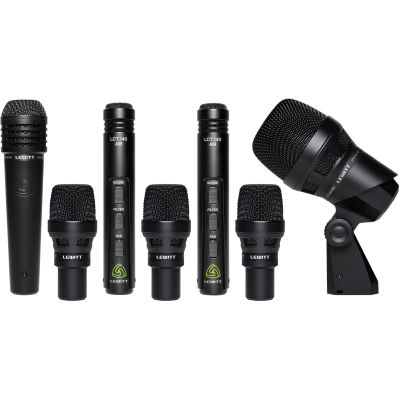






Large-diaphragm microphones, small-diaphragm models and complete drum microphone sets.
Microphones for speech, vocals, instruments and professional production.
Instrument, vocal and studio solutions for different recording applications.
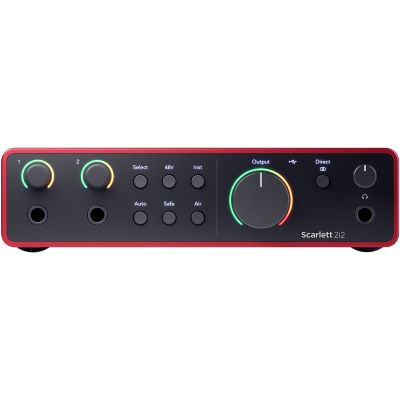
Audio interfaces ranging from compact solo recording solutions to expandable multichannel studios.
Recording interfaces with different channel counts, input concepts and routing options.
Two inputs are enough for vocals and guitar, but not for a full multitrack recording of a drum kit. Define the simultaneous sources before choosing the interface.
A sensitive studio microphone also captures poor room reflections in great detail. Microphone placement and the acoustic environment are part of the recording system too.
Keyboards, synthesizers, passive guitars and microphones provide different signal types. Selecting the correct interface input avoids unnecessary level and tone problems.
For a classic XLR setup you need a microphone, audio interface, XLR cable, microphone stand and headphones. With a USB microphone, the interface and separate microphone cable are often unnecessary.
A dynamic speech microphone is particularly useful for close-mic recording and difficult rooms. USB microphones offer the simplest direct connection to a computer.
A small-diaphragm condenser microphone positioned between the neck-to-body joint and sound hole is a useful starting point. Adjust the final position by listening.
Position a dynamic instrument microphone close to the speaker. Even small movements between the centre and edge of the speaker cone can change the sound significantly.
Not necessarily. Electric bass can be recorded directly through an instrument input or DI box. A bass amplifier can additionally be miked and blended with the direct signal.
Use two line inputs on the audio interface. Record the left and right keyboard outputs separately and place them appropriately in the stereo panorama.
Anything from two microphones to eight or more can work. The deciding factor is how much independent control you want over kick, snare, toms and cymbals during mixing.
Small-diaphragm condenser microphones are a versatile starting point. Two microphones are frequently used as a stereo pair when spatial width is important.
A stereo pair can capture the combined sound and room very naturally. Microphone position and distance are often more important than giving every musician an individual microphone.
For vocals, songwriting, podcasts and many stereo recordings, yes. If you want to record drums or an entire band simultaneously, plan for more channels.
Many condenser microphones require 48-volt phantom power. Most modern audio interfaces provide it at their XLR microphone inputs.
Both need to fit the task. The microphone has a major influence on how the source is captured; the interface determines preamplification, connection options and how many signals can be recorded simultaneously.
A good recording setup does not begin with the most expensive microphone. It begins with the specific recording task. A single speaker needs only a compact signal path, while stereo piano, drums or a complete band require significantly more inputs.
Vocals are frequently recorded with large-diaphragm condenser or dynamic microphones, while acoustic instruments benefit from precise small-diaphragm microphones. Guitar amplifiers are traditionally miked, whereas bass, keyboards and synthesizers can also be recorded directly through instrument or line inputs.
Define these sources first and then choose microphone type, channel count, audio interface and monitoring. This creates a recording setup that works for your current project and can still be expanded sensibly later.
Find further guidance on recording, microphones, musical instruments, studio equipment, DJ technology and event equipment in the central Musikhaus Korn guide.