Reproduce Speech Clearly
A wireless headset or lavalier microphone leaves both hands free. A handheld transmitter is easy to pass between several speakers. Active speakers or a column PA provide sound reinforcement.

Clear announcements, presentations, theatre productions, choir performances, school bands, parents' evenings and graduation ceremonies all require technology that can be operated safely and reliably by different users. This guide shows how loudspeakers, microphones, mixers, wireless systems, lighting and recording technology can form one clearly structured system for speech and music.
Microphone → mixer → loudspeaker should remain understandable even when teachers, student technical teams and substitute operators change.
It includes the complete audio, microphone, lighting and presentation system required to support lessons, assemblies and school events reliably.
The goal is not maximum technical complexity. The goal is a system whose structure is easy to understand and whose basic operation can be reproduced reliably.
An auditorium may function as a lecture hall, theatre, concert hall, rehearsal room and event venue. A parents' evening requires clear speech at the back of the room. Choir performances need appropriate microphone pickup. A school band needs additional channels and possibly monitor mixes, while theatre productions add wireless systems and lighting control.
Planning should therefore begin with the actual application. Loudspeakers, microphones and the mixer form the core of the sound system. Wireless equipment, recording, lighting, stands, cables and mobile supplementary systems are added afterwards.
Different events can use the same basic installation but require different microphones, input channels and extensions.
A wireless headset or lavalier microphone leaves both hands free. A handheld transmitter is easy to pass between several speakers. Active speakers or a column PA provide sound reinforcement.
Several wireless channels, a sufficiently large mixer, stage microphones and reproducible lighting scenes help to make cues repeatable.
Microphone choice, positioning and feedback margin become increasingly important. The mixer should provide enough inputs for voices, playback and any additional instruments.
Several mixer channels are required in addition to vocal microphones. Stage monitors may also be useful. A digital mixer makes it easier to save recurring band setups.
Mobile active speakers, wireless microphones, a compact mixer and loudspeaker stands can be moved quickly between buildings and stored in a comparatively compact space.
A USB-capable mixer or audio interface can provide audio for recordings, project work and hybrid events without requiring a completely separate audio chain.
A good sound system distributes speech and music as evenly as possible throughout the room. Room geometry, loudspeaker position, audience area and the intended application are decisive.
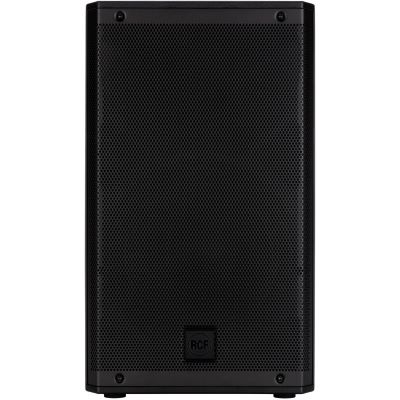
The amplifier is already built in. This creates straightforward mobile systems consisting of mixer, signal cable and loudspeaker. They are particularly useful in multipurpose rooms and changing setups.
Column systems combine compact dimensions with broad sound distribution. For presentations, smaller ensembles and mobile school events, they can enable a fast setup.
Scenes can store levels, processing and signal routing. Settings such as “Parents' Evening”, “Theatre” or “School Band” can therefore provide repeatable starting points.
For permanent installations: wall or ceiling mounting, flown loudspeakers, trusses and fixed electrical installations must be professionally planned and installed. The room, mounting points, loads, escape routes and electrical infrastructure should be considered together.
One microphone type is not optimal for every school application. Three different solutions cover most everyday situations.
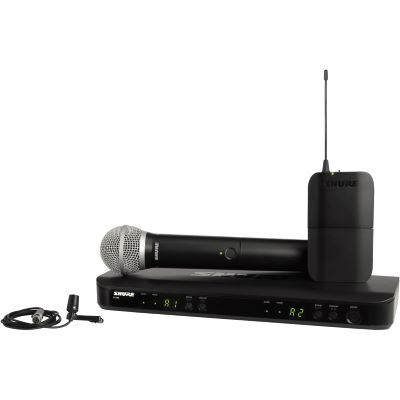
Particularly straightforward for moderation, interviews, student contributions and singing. A wireless handheld transmitter can quickly be passed to the next speaker.
The microphone position remains comparatively consistent during movement. This is useful for presentations, theatre, workshops and moderation with both hands free.
A small clip-on microphone is visually unobtrusive and is useful for presentations, panel discussions and video recordings where the speaker needs to move freely.
Plan several wireless systems together: when multiple wireless links operate simultaneously, their frequencies must be compatible. Available frequency ranges and regulatory requirements should be checked for the specific location and at the time the system is purchased.
For many schools, a small controllable lighting system is more useful than a highly complex show rig.
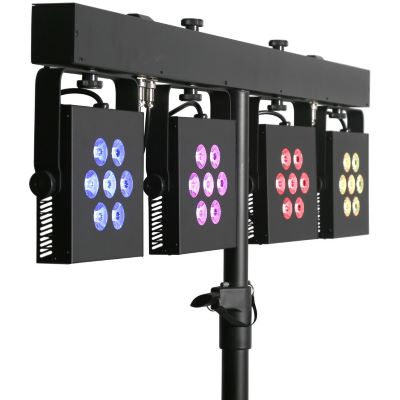
LED PARs can illuminate the stage, backdrop or individual areas in colour and can be controlled via DMX to reproduce the same lighting states at later performances.
For theatre, calm basic stage lighting is especially important. Colours and lighting changes can then be added to individual scenes. Compact lighting sets simplify mobile events, while separate PAR fixtures provide more freedom in a permanent stage plan.
| Application | Microphone | Sound Reinforcement | Mixer | Additional Technology |
|---|---|---|---|---|
| Parents' Evening | Wireless handheld or headset | Active speakers / column PA | Small to medium | Playback source |
| School Assembly | 1–2 wireless microphones | Even speech coverage | Compact | Mobile backup |
| Theatre | Headsets / lavaliers | Auditorium PA | Several channels | DMX lighting |
| Choir | Suitable choir microphone setup | Auditorium PA | Several inputs | Recording optional |
| School Band | Vocals + instruments | More powerful PA | Digital mixer | Monitoring |
| School Festival | Wireless handheld | Mobile active PA | Portable | Stands and cases |
A permanently planned auditorium system is always available and can be tailored to the room acoustics, stage position and audience area. Permanent connection panels and prepared mixer scenes reduce setup time.
Mobile active speakers and wireless equipment can be used in sports halls, school yards, classrooms or on project days. They can also serve as additional sound reinforcement or backup equipment in the auditorium.
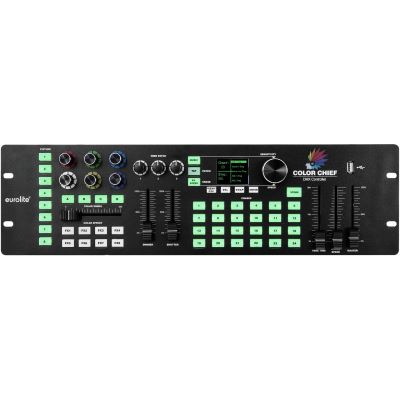
The selection shows different approaches ranging from mobile speech reinforcement and wireless microphones to digital mixers and theatre lighting. System dimensions and quantities should always match the room and the actual planned application.
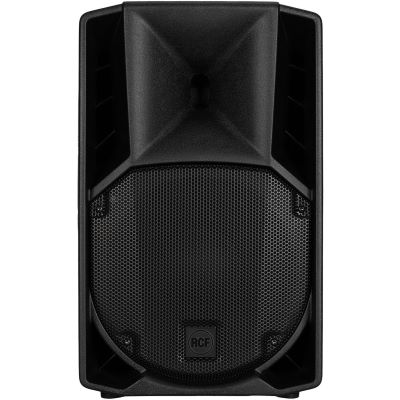
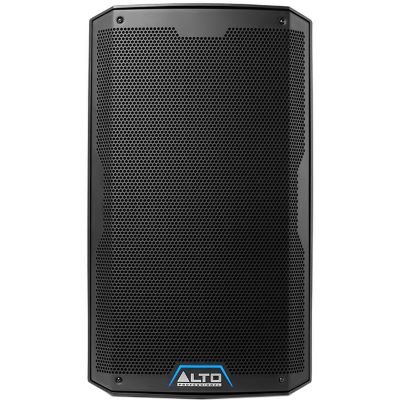
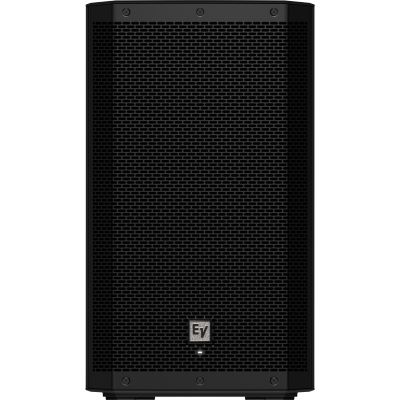
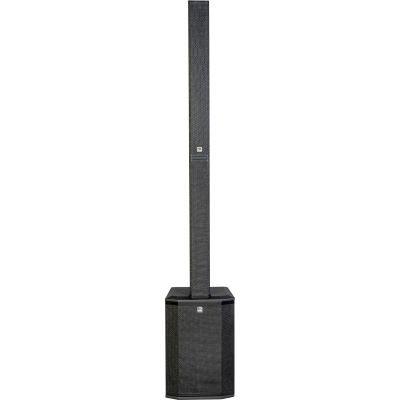
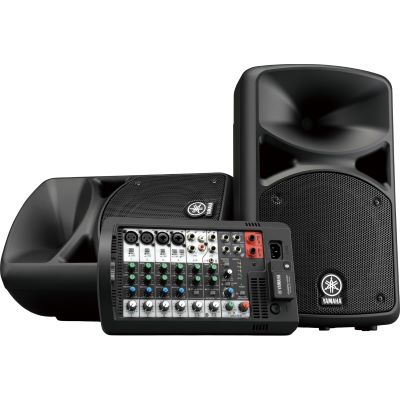
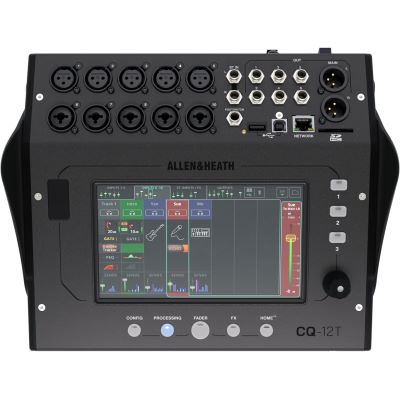
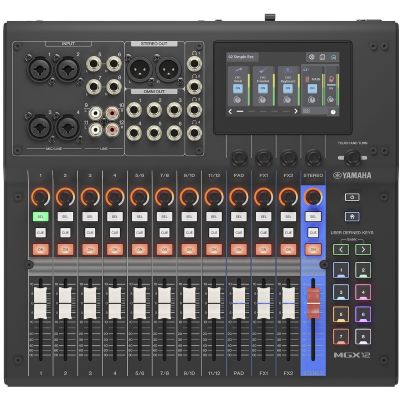
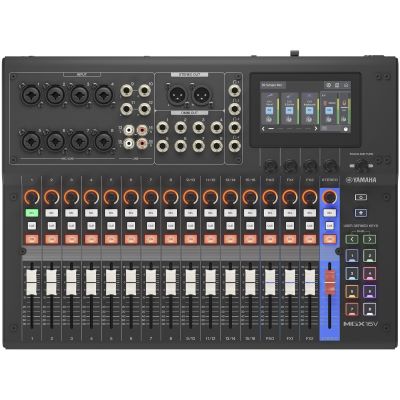
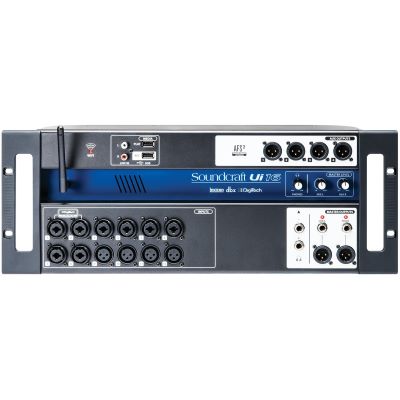
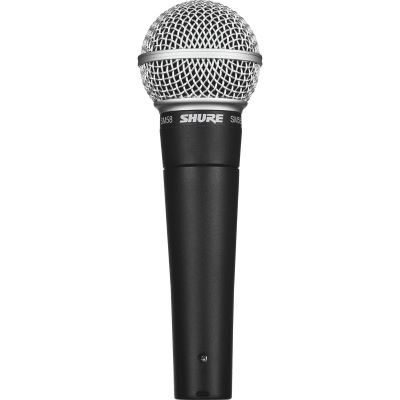
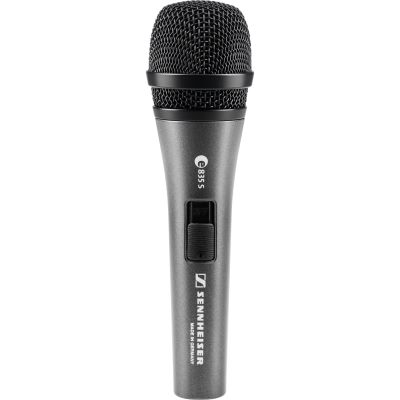

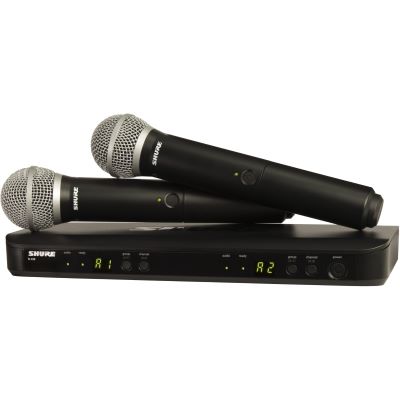
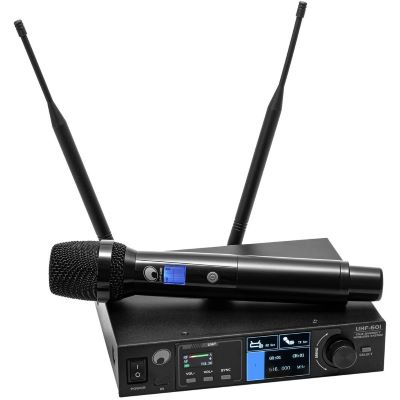

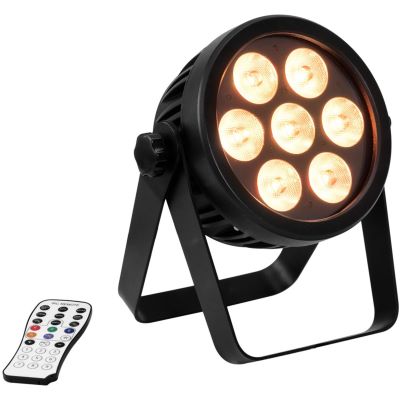
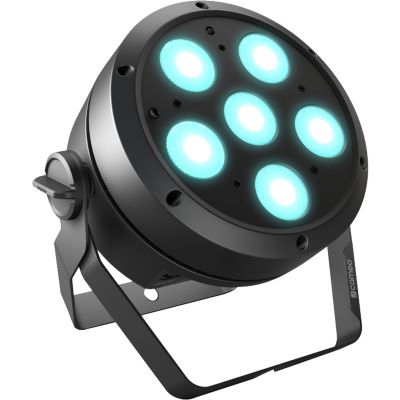
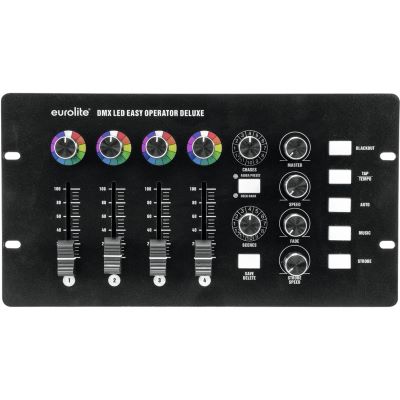
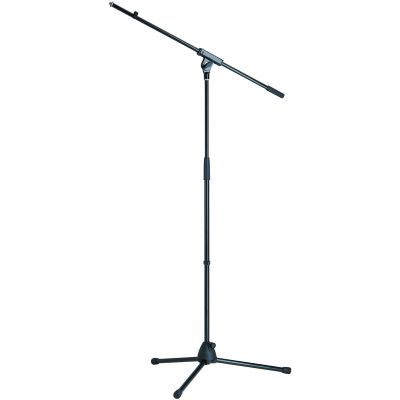
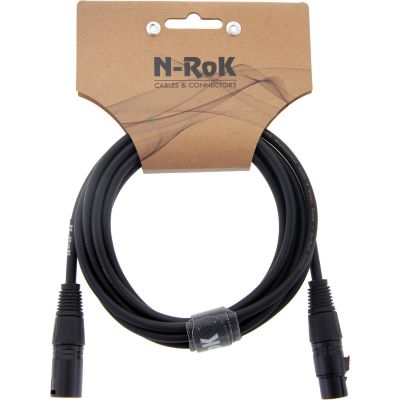
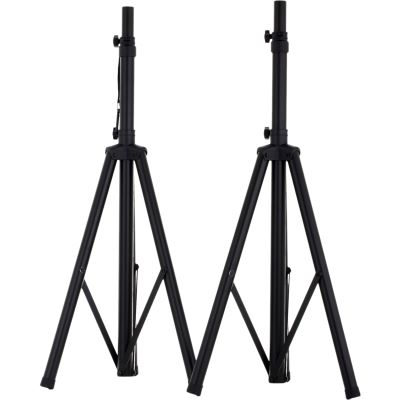
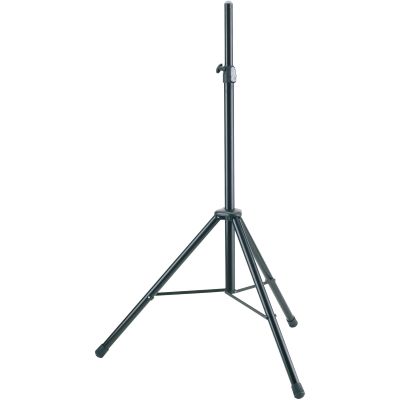
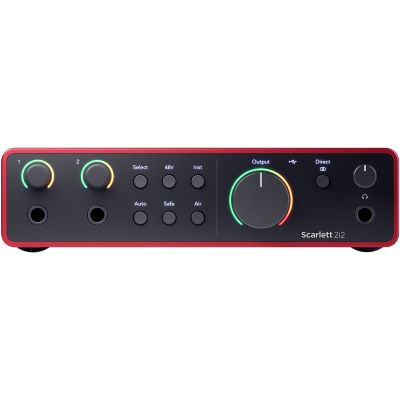
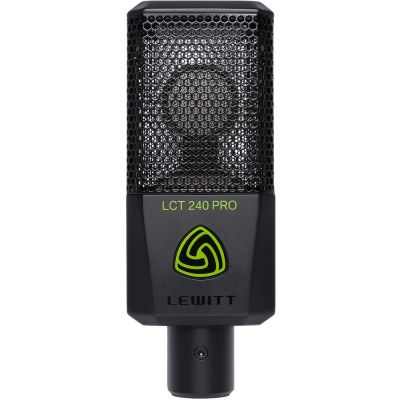
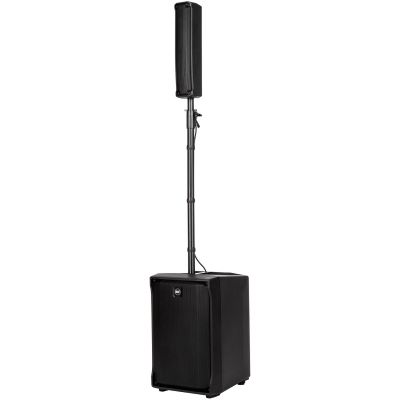
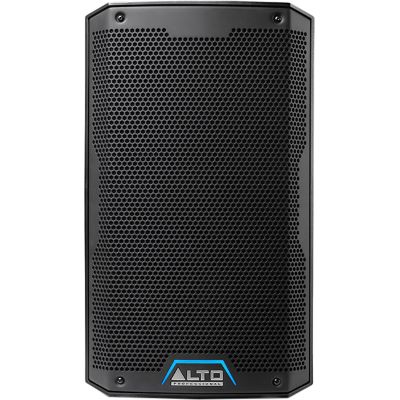
Manufacturer pages can simplify the planning of coherent systems, later expansions and compatible accessories.










Microphones, playback sources, wireless receivers and speaker connections should be clearly labelled. Colour coding can simplify assignment further.
A short guide stored at the technical position helps users return the system to a defined basic state after an event.
Names such as “Presentation”, “Theatre” and “Band” are more useful than technical numbers or ambiguous abbreviations.
Store microphone, mains and signal cables separately and sort them by length to save time during every setup.
Label transmitters, receivers and matching accessories together. For larger systems, document the frequency plan as well.
A logically structured technical position can also be used to teach practical event technology and train students to support school productions.
A good basic system consists of loudspeakers, a mixer, at least one reliable microphone and suitable cables. Larger events add wireless microphones, additional mixer channels, lighting, stands and recording equipment. All components should be planned as one common signal path.
For speech, even coverage and good intelligibility are more important than maximum level. Active full-range speakers or column PA systems are flexible solutions. Large or acoustically difficult rooms should be planned specifically for the particular room.
Column PA systems are compact, fast to assemble and useful for speech, acoustic music and smaller events. Traditional active loudspeakers offer a wide range of sizes and can be used flexibly as main speakers, additional speakers or monitors.
One handheld transmitter may be sufficient for simple moderation. Two wireless microphones make interviews and changing speakers easier. Theatre and musicals may require considerably more systems. The larger the wireless system, the more important coordinated frequency planning becomes.
Headsets and lavalier microphones leave both hands free. A headset maintains a particularly consistent distance from the mouth, while a lavalier is visually more discreet. A wireless handheld microphone is easy to pass between different speakers.
An analogue mixer is direct and easy to understand. A digital mixer becomes particularly useful when different types of events are repeated regularly, because settings for theatre, school band or presentations can be stored as scenes.
A useful foundation consists of several controllable LED fixtures for basic illumination and coloured scenes. A manageable DMX controller enables repeatable lighting states. Special effects are useful only after reliable basic stage lighting has been established.
Mobile active speakers, wireless microphones and compact mixers can be used very flexibly. A combination of permanent auditorium technology and a mobile supplementary system is therefore practical for many schools.
Not simply by increasing volume. Microphone position, loudspeaker placement, room acoustics and correct levels are decisive. Highly reverberant rooms can remain difficult to understand even with powerful loudspeakers, so coverage should be planned for the specific room geometry.
An audio interface or USB-capable digital mixer can transfer the audio signal to a computer. Suitable microphones and a separate video solution are also required. For more complex events, the auditorium mix and recording mix should be controllable separately.
Rental can be more economical for one-off graduation events, larger musicals or special productions than purchasing equipment that is rarely used. Existing school technology can then be supplemented with additional speakers, wireless systems or lighting as required.
Active loudspeakers, subwoofers, PA systems and accessories for speech, music and events.
Handheld transmitters, headsets and lavalier systems for presentations, theatre and moderation.
PAR spotlights, lighting sets and DMX control for auditoriums, stages and theatre groups.
Analogue and digital mixers ranging from simple moderation systems to complete school-band setups.
Audio interfaces, microphones and headphones for recordings, streaming and media projects.
Additional equipment for project weeks, graduation ceremonies, concerts and theatre productions.
Start with speech and even sound coverage. Then define the required microphones and mixer channels before adding wireless systems, lighting and recording. A well-documented permanent basic installation combined with mobile supplementary equipment offers schools particularly flexible options for everyday use, concerts, theatre, assemblies and special projects.