Compact Keyboard Setup
An entertainer keyboard, vocal microphone and compact column PA provide a quick setup with relatively few individual components.

Wedding, birthday, dance evening, corporate event or club celebration: solo entertainers have to control their instrument, vocals, automatic accompaniment, backing tracks, PA system and often the lighting on their own. This guide shows how an entertainer keyboard, PA system, microphone, mixer, monitoring and accessories can become a mobile live system that is quick to set up and reliable to operate.
Keep the setup repeatable: the same connections, cables, mixer scenes and keyboard registrations at every performance reduce setup time and troubleshooting.
Above all, a solo entertainer needs a system that can be controlled without additional technicians. A typical setup consists of an entertainer keyboard or guitar, vocal microphone, PA system, monitoring and a compact lighting solution.
The entertainer keyboard can become the centre of the system. Auto accompaniment, styles, registrations plus audio and MIDI functions allow songs to be prepared in advance and changed quickly during the performance.
Depending on the keyboard, a microphone or guitar can also be connected directly. This can reduce the amount of additional equipment required.
For larger events, however, a separate mixer provides more control over the keyboard, vocals, playback sources and other signals. The important point is that the setup remains repeatable: the same cables, the same connections and preferably the same positioning at every performance.
Small celebrations need different reserves from a large dance event. Start with your most common type of performance and expand the system from there.
An entertainer keyboard, vocal microphone and compact column PA provide a quick setup with relatively few individual components.
Additional PA headroom, a wireless microphone and a small lighting system make the setup flexible for moderation, dinner music and the dance floor.
Two loudspeaker systems create wider coverage. For dance music with strong bass content, an additional subwoofer can provide useful low-frequency reserve.
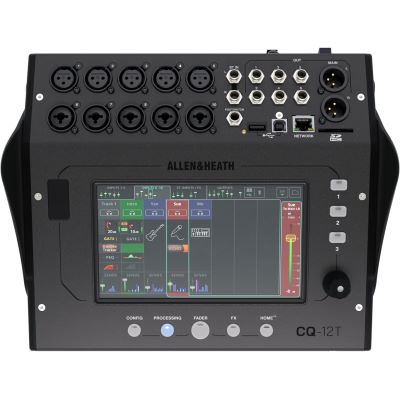
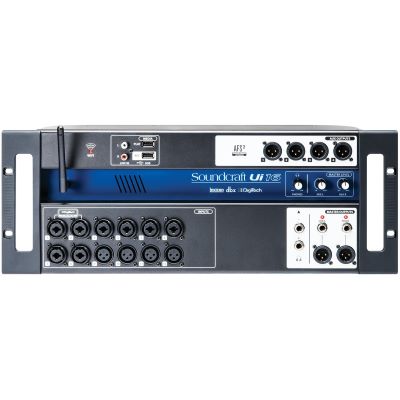
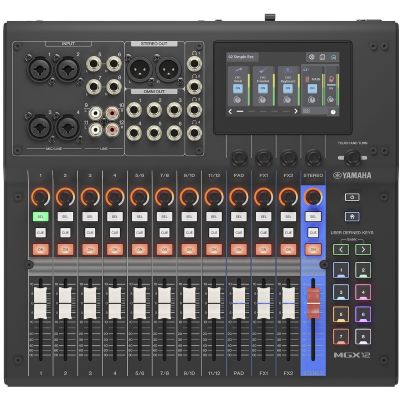
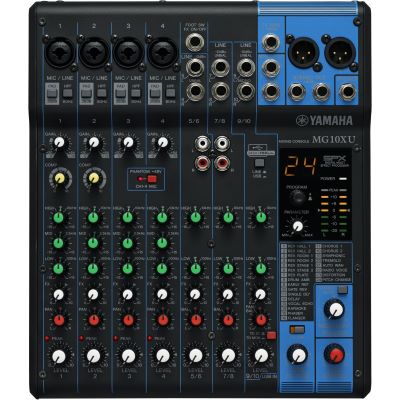
A compact digital mixer prevents constant reconnection during the performance and provides separate levels for keyboard, guitar and microphone.
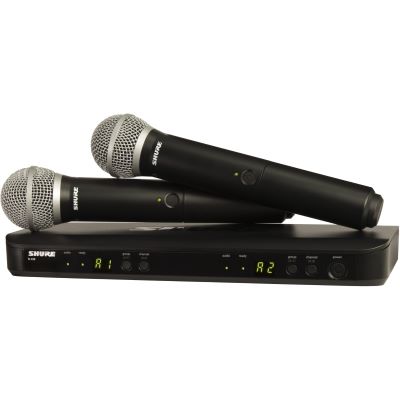
A wireless handheld transmitter is useful for announcements and audience interaction. Headset and lavalier systems keep both hands free.
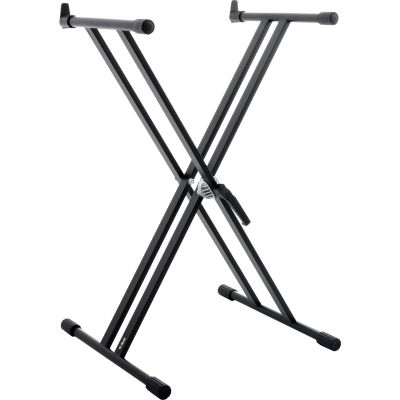
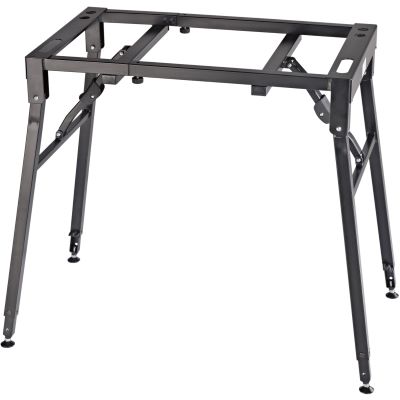
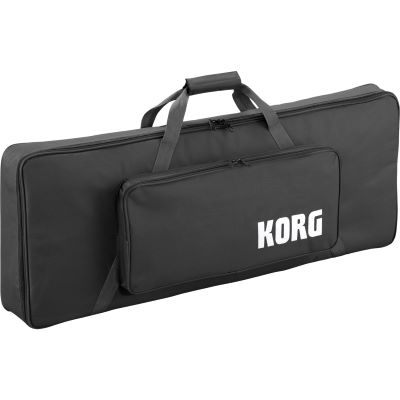
Bags, cases, folding table stands and prepared cabling quickly become worthwhile when the complete system is transported and assembled frequently.
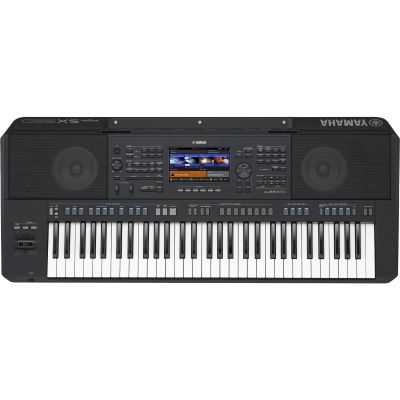
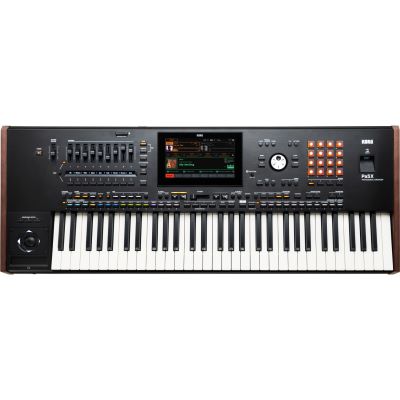
Entertainer keyboards combine the keyboard, sound generation and automatic accompaniment in one instrument.
Styles react to the chords you play and generate suitable rhythm and accompaniment parts. Registrations store prepared settings for individual songs.
For live performers, the speed at which sounds, styles and songs can be changed is particularly important. Large displays, assignable buttons and prepared registrations help to minimise the time between two songs.
Some professional models also provide microphone or guitar inputs as well as vocal and effects functions. This can simplify a compact live system.
For larger performances, a separate mixer can still be useful because PA and monitoring can then be controlled independently from the keyboard.

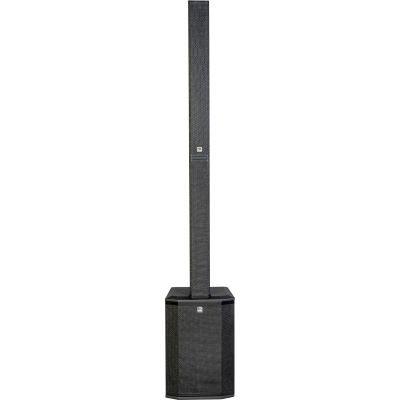
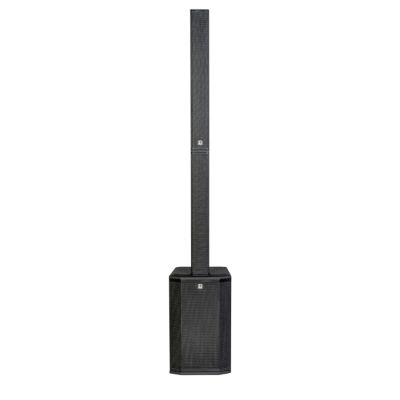
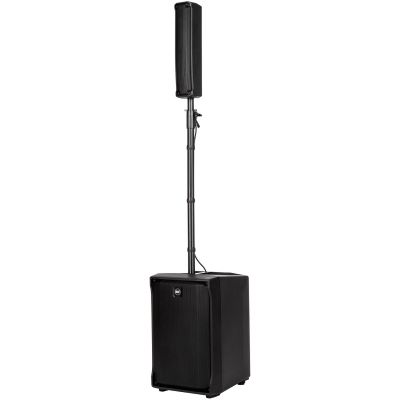
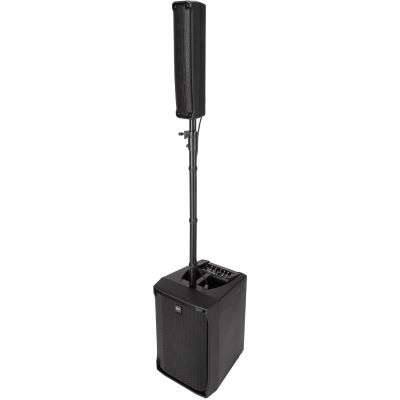
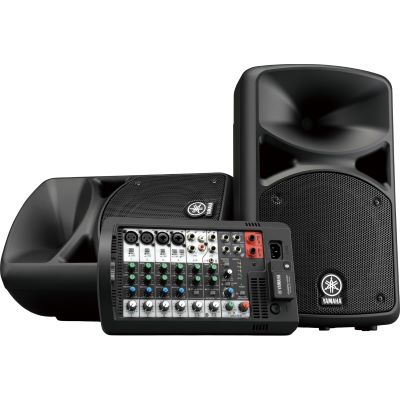
Column systems are quick to assemble, compact to transport and often include an integrated mixer. They are particularly interesting for weddings, restaurants and mobile musicians.
A conventional stereo system provides flexible positioning and can later be expanded with subwoofers or additional monitor loudspeakers.
For dance music and larger events, a subwoofer provides additional low-frequency foundation and relieves the full-range loudspeakers in the bass range.
Practical rule: do not select a PA system by wattage alone. Room size, audience area, loudspeaker positioning, musical style and transport requirements together determine which system works for your performances.
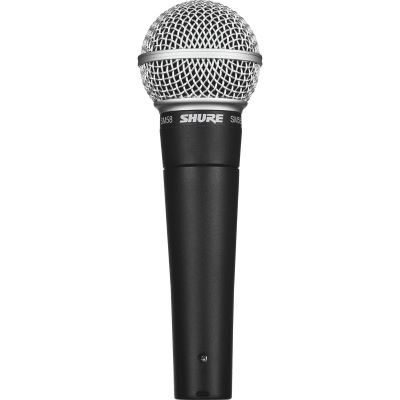
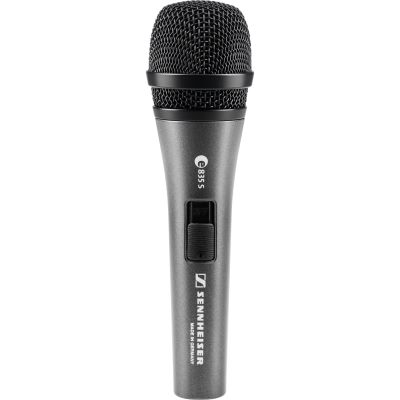
A dynamic wired vocal microphone is robust and does not require transmitter batteries. It is therefore a straightforward and dependable solution for singing and moderation.
If you want to walk through the room during announcements or involve guests directly, a wireless system provides much more freedom of movement.
A wired microphone is also an excellent backup. When several wireless links are used, they should be planned together so that the systems do not interfere with one another.

Keyboard, microphone, guitar and playback source can remain connected permanently and receive their own level and EQ settings.
Digital mixers can store complete configurations. This allows a proven starting point for different types of events to be restored quickly.
Additional outputs allow a monitor or in-ear mix to be controlled independently without changing the sound for the audience.
A conventional monitor is straightforward and can, with suitable active speakers, also be built from equipment already available in the PA system.
The disadvantage is that an additional loudspeaker increases the sound level on stage and requires additional floor space.
In-ear monitoring keeps the stage area tidy and enables direct control of the voice and keyboard without an additional stage loudspeaker.
Listening level should always be chosen consciously and with hearing protection in mind.
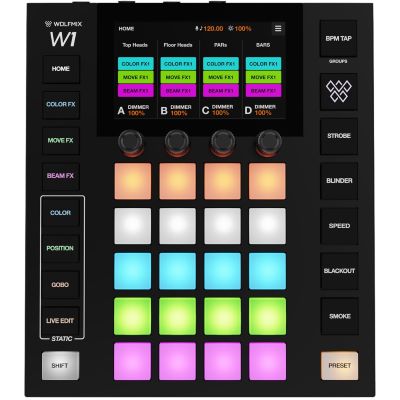
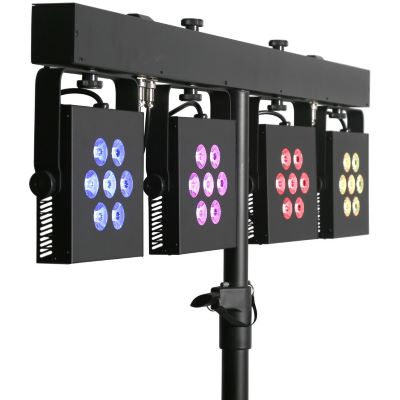
Compact LED lighting sets are particularly practical for mobile musicians because several fixtures are mounted together on one bar. This reduces setup time and cable requirements.
For a quiet dinner situation, restrained colours and simple basic lighting are often sufficient.
On the dance floor, automatic programs or prepared DMX scenes can be used. Standalone controllers make it possible to operate a lighting setup without an additional computer.
Mounted lighting fixtures and stands must be set up securely. Equipment installed above people and larger event constructions must comply with the applicable safety requirements and use appropriate professional secondary safety devices where required.
| Performance | Music System | PA | Microphone | Expansion |
|---|---|---|---|---|
| Small Celebration | Entertainer keyboard | 1 column system | Wired or wireless | Compact lighting |
| Wedding | Keyboard + playback | Stereo column PA | Wireless + backup | DMX lighting |
| Dance Evening | Keyboard / playback | 2 active speakers | Vocal microphone | Subwoofer |
| Several Instruments | Keyboard + guitar | Flexible PA | Vocals | Digital mixer |
| Large Stage | Complete live rig | PA + subwoofers | Wireless | In-ear + lighting |
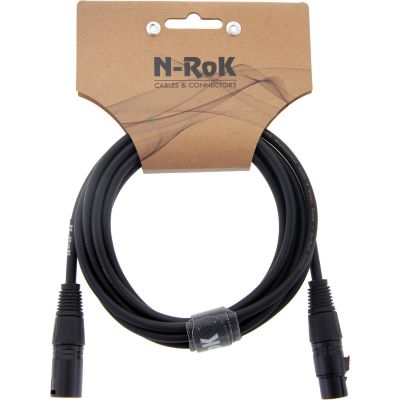
From the musical centre to the final XLR cable: these products show different approaches for compact and more extensive mobile live systems.
Styles, registrations, SongBook functions and fast live operation for complete solo programs.
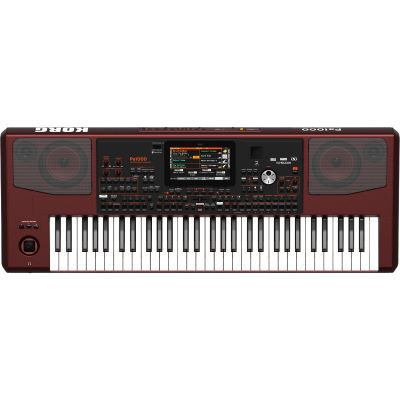
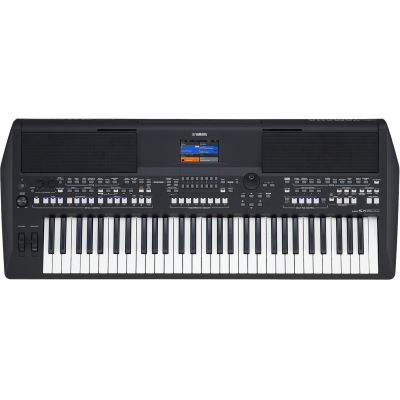
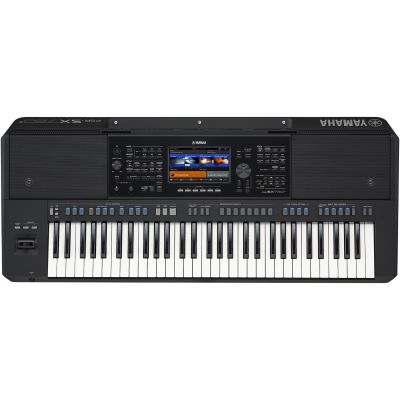
Mobile column systems and active speakers for speech, background music and dance events.


Compact stage lighting and standalone DMX control for dinner situations, dance floors and mobile shows.
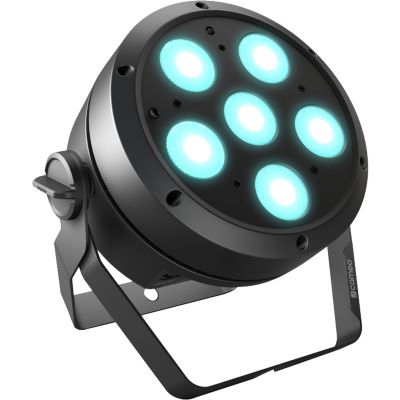
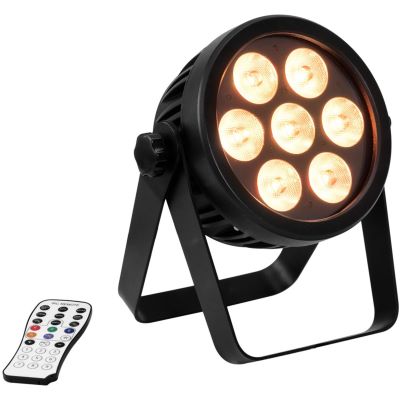
Manufacturer pages provide direct access to compatible keyboards, PA systems, microphones, mixers, lighting and accessories when an existing live system is expanded later.










Keyboard, microphone, PA and power connections can then be connected in exactly the same way at every event.
Keyboard registrations and mixer scenes save valuable time while the event is running.
A wired backup remains independent of radio links and transmitter batteries.
Essential backing tracks should not be stored exclusively on a single device.
The best mobile system is one that you can still move safely after several hours of an event.
Repeatable positions reduce troubleshooting and speed up the soundcheck.
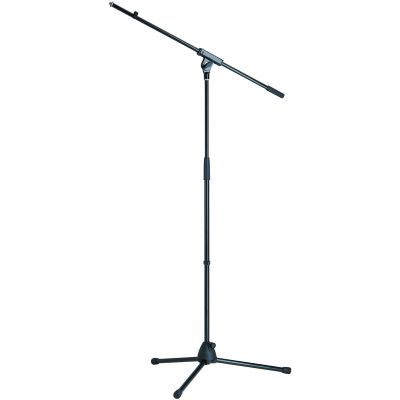
A typical setup includes an entertainer keyboard or another instrument, a vocal microphone, PA system, keyboard stand, microphone stand and suitable cables. Depending on the event, a wireless microphone, digital mixer, monitoring, lighting and transport cases can be added.
Arranger or entertainer keyboards with automatic accompaniment, registrations and convenient live controls are particularly suitable. Professional models may also offer microphone, audio and additional performance functions.
Column systems are quick to assemble and are very practical for many mobile performances. Two traditional active speakers provide particularly flexible positioning, expansion and monitoring options.
Not necessarily for background music and small events. For dance music, electronic beats or larger rooms, however, a subwoofer can provide significantly more low-frequency headroom.
With a keyboard and one microphone, the integrated mixer of a PA system may be sufficient. Once several instruments, wireless systems, monitor mixes or different event types are added, a separate mixer provides more control.
A dynamic vocal microphone is a robust starting point. A wireless handheld transmitter is more convenient when moderating among the audience. A wired microphone should nevertheless be available as a backup.
Count all sources used simultaneously: stereo keyboard, microphone, guitar, playback source and any additional instruments. Then include some spare capacity so that a later expansion does not immediately require a new mixer.
Yes, particularly at louder events. Voice and keyboard can be monitored directly without placing an additional stage loudspeaker. The listening level should always be chosen with hearing protection in mind.
A compact LED lighting set is sufficient for many mobile performances. If different areas or recurring shows need to be controlled, individual PAR fixtures and DMX control can expand the system.
Use the same cables and connections every time, label all components and transport items that belong together as one group. Stored keyboard registrations and mixer scenes can additionally shorten the soundcheck.
Understand styles, sounds, chord recognition, registrations and live-performance functions.
Compare dynamic microphones and wireless solutions according to voice, stage and live application.
Add suitable guitar amplification when guitar is used alongside the keyboard.
Integrate effects intentionally into a compact live rig without making the signal chain unnecessarily complicated.
Prepare backing tracks and produce recordings of your own live performances.
Expand the system with loudspeakers, subwoofers, monitoring and suitable accessories.
Start with your instrument and voice. Then select a PA system that suits your typical event sizes and add a mixer, monitoring and lighting only where they provide a specific benefit. A clearly wired and easily transportable setup saves time at every performance and can later be expanded modularly.