Clubhouse and Hall
For speech and background music, a compact PA, one wireless handheld microphone and only a few mixer channels are usually the clearest solution.

Annual meetings, summer festivals, sports grounds, clubhouses, carnival events, choir performances or a large marquee: clubs and associations need technology that covers very different events reliably and can also be operated by changing volunteers. This guide shows how PA systems, microphones, mixers, lighting, cables and transport solutions can be combined into a flexible, expandable event setup.
Start with reliable sound reinforcement and the microphones you use regularly. Add mixer channels, subwoofers, lighting and infrastructure only when the application requires them.
The right club equipment depends less on one exceptional event than on the recurring tasks: reproducing speech, playing music, mixing live musicians, lighting a stage and transporting the equipment safely between storage, clubhouse and event location.
A modular setup is therefore useful for many clubs. Two active speakers or a column PA form the foundation. A mixer combines microphones, music sources and instruments. Wireless microphones provide freedom of movement for moderation and award ceremonies. Lighting can then be added according to the requirements of a stage, party or theatre production.
Ease of operation is especially important. Club systems are frequently not used exclusively by professional technicians. Clear cabling, labelled components and a few defined standard setups prevent every event from having to be planned again from the beginning.
Use the most frequent application as the starting point. The basic system can then be expanded specifically for larger or less frequent events.
For speech and background music, a compact PA, one wireless handheld microphone and only a few mixer channels are usually the clearest solution.
Two powerful active loudspeakers or a stereo column system form a flexible foundation. A subwoofer can add useful low-end support for dance-oriented music.
Mobile loudspeakers and wireless microphones are useful for award ceremonies, training events and sports festivals. Outdoor use also requires suitable power, weather protection and additional acoustic reserve.
Several microphones, additional mixer channels and separate monitor paths distinguish live sound reinforcement from simple speech reproduction.
Several wireless channels, a digital mixer with scene recall and DMX lighting make recurring scenes, speeches and stage performances easier to reproduce.
A club does not have to purchase every component permanently for an anniversary, town festival or unusually large stage. Existing equipment can be supplemented with rental technology.
Audience size, room or area, musical style and required level are decisive. A PA system should provide useful headroom and should not have to operate continuously at its absolute limit.
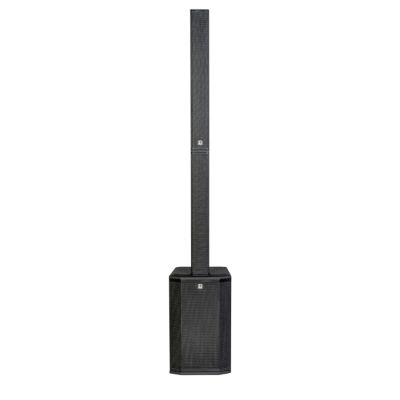
Column systems combine a subwoofer, column element and frequently a small mixer. They are particularly suitable for meetings, moderation, smaller festivals and mobile musicians.
Two active loudspeakers can form the main system and later be expanded with a subwoofer or additional loudspeakers. Separate power amplifiers are not required.
A subwoofer is usually unnecessary for speech alone. For dance music, DJs, bass drums and modern live music, it adds significantly more low-frequency foundation and can relieve the main loudspeakers.
Plan additional reserve outdoors: there are no room walls or ceilings supporting sound distribution outdoors, so the same system may seem to cover a significantly smaller area than it does indoors. Electrical equipment must also be used only within its approved environmental conditions and protected appropriately from rain and moisture.
A small combination of different microphone types is usually more flexible than many identical systems. A wireless handheld, a headset or lavalier and a wired vocal microphone already cover a large number of club applications.
Ideal for moderation, award ceremonies, raffles and interviews. The transmitter can easily be passed from one person to another.
Both hands remain free for trainers, presenters, theatre performers and carnival speeches. A headset keeps the distance between microphone and mouth especially consistent.
A robust dynamic microphone does not require a radio frequency or transmitter batteries. This makes it a dependable backup for both the stage and clubhouse.
Plan several wireless systems together: coordination becomes increasingly important with every additional wireless channel. Frequency availability and regulatory conditions can change, so the ranges permitted and usable at the event location should be checked before purchasing and before larger productions.
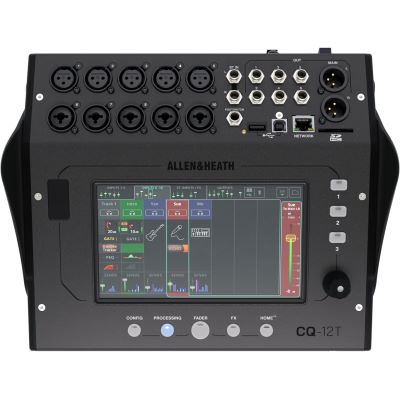
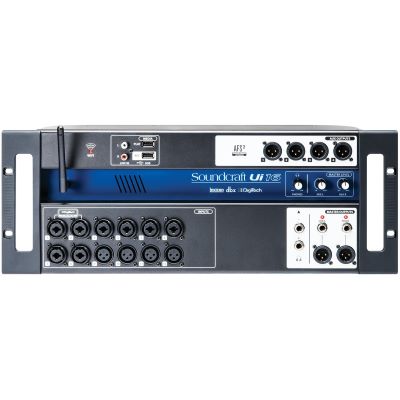
An analogue mixer is immediately understandable because its controls and faders are directly visible. A digital mixer becomes particularly interesting when several recurring event types, monitor mixes or many microphones have to be managed.
Clubs benefit especially from stored settings. Basic configurations such as “Annual Meeting”, “Choir”, “Carnival” and “Band” can be prepared in advance. This saves time and reduces operating errors.
The nominal total number of channels is less important than the number of microphone and line inputs that are actually required. Keeping two to four spare inputs can be practical for an expanding club setup.
LED PARs are a flexible basis because colour and brightness can be changed without colour filters. For recurring shows, suitable fixtures can be controlled via DMX so that lighting scenes can be reproduced.
Moderators, dance floors and stage performers should remain reliably visible. Effects can complement good basic illumination, but should not replace it.
Several fixtures mounted on one bar can reduce cabling and transport effort when the club regularly changes venues.
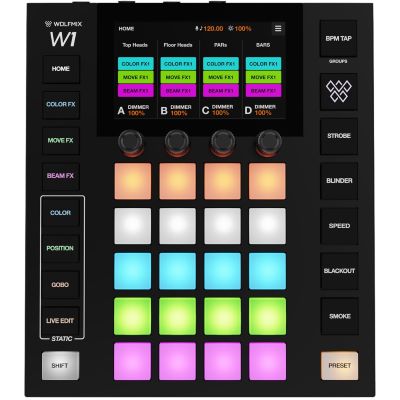
Lighting controllers allow colours, scenes and programs to be prepared in advance. This is particularly useful for carnival, theatre and recurring club evenings.
Event technology works reliably only when its power supply, signal routes, positioning and transport are prepared just as carefully as loudspeakers and microphones.
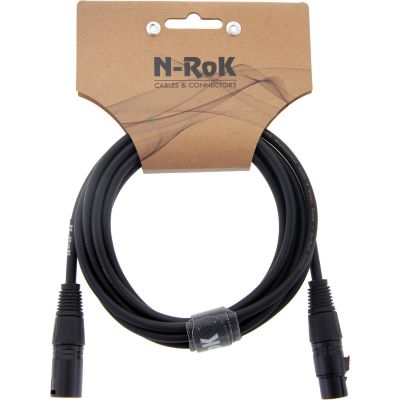
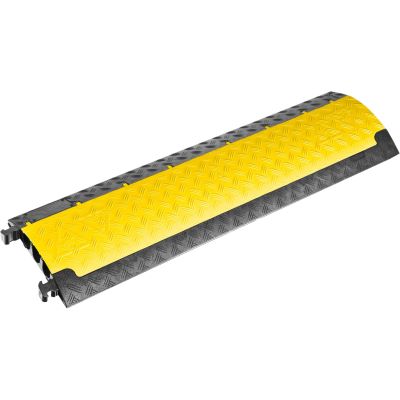
Route XLR, mains and data cables so that paths remain clear wherever possible. Where audience routes must be crossed, use suitably dimensioned cable bridges where appropriate.
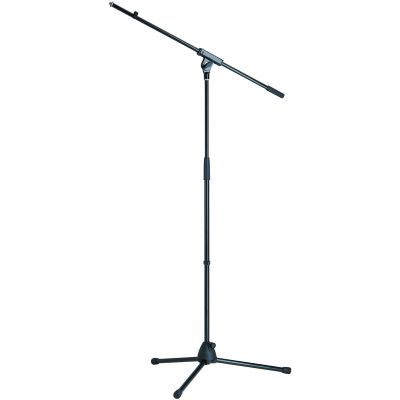
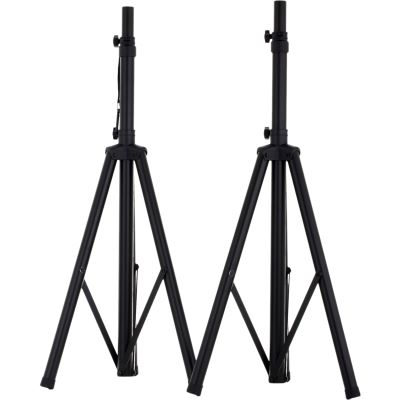
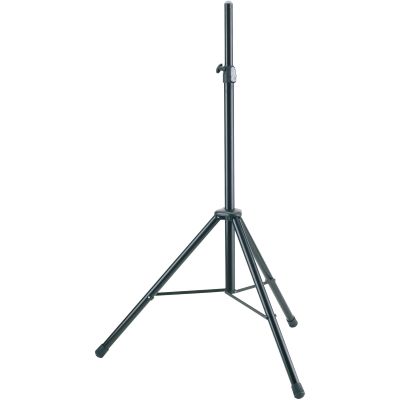
Check load capacity, setup height and the required mounting interface. Place stands securely and away from unsuitable pedestrian routes.
Multi-socket strips are not a substitute for professional load planning. Larger stages and temporary distribution systems require the electrical supply to be assessed and installed by appropriately qualified personnel.
Wireless receivers, lighting controllers and mixers can be stored in suitable cases and, where appropriate, kept partially wired for faster setup at the venue.
| Application | PA | Microphones | Mixer | Expansion |
|---|---|---|---|---|
| Meeting | Compact active or column PA | 1–2 wireless microphones | Small | Presentation audio |
| Summer Festival | 2 active speakers | Wireless handheld | Small to medium | Subwoofer & lighting |
| Sports Festival | Mobile PA | Wireless handheld | Compact | Additional coverage |
| Choir | Full-range PA | Several microphones | More channels | Monitoring |
| Carnival | PA + subwoofer | Wireless handhelds & headsets | Digital mixer | DMX lighting |
| Band Evening | PA + subwoofers | Vocals & instruments | Digital mixer | Monitors / in-ear |
The selection is grouped by product type and shows different levels of expansion. A complete club system should always be planned according to the type of events, expected audience and any technology that is already available.
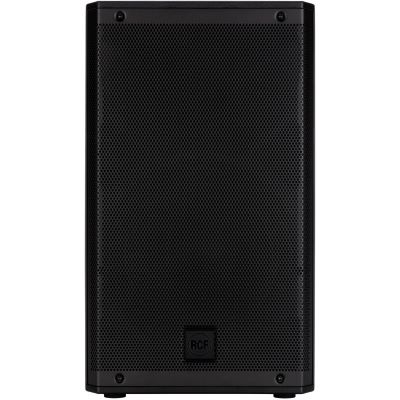
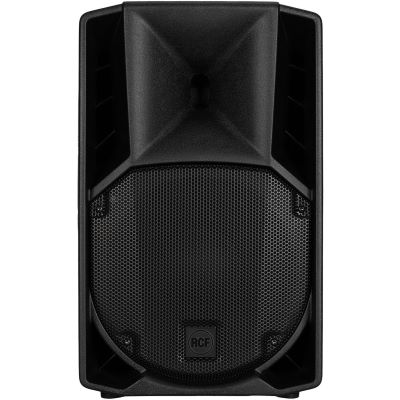
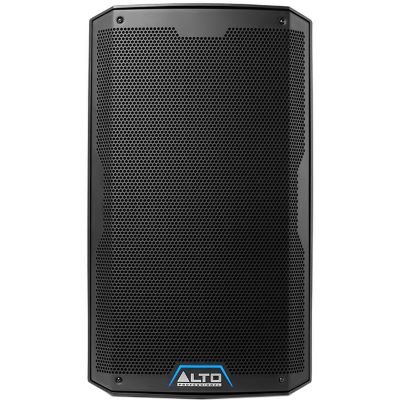

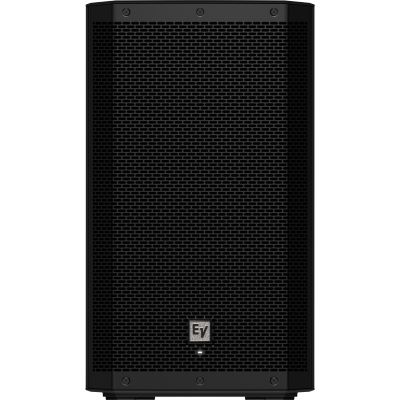
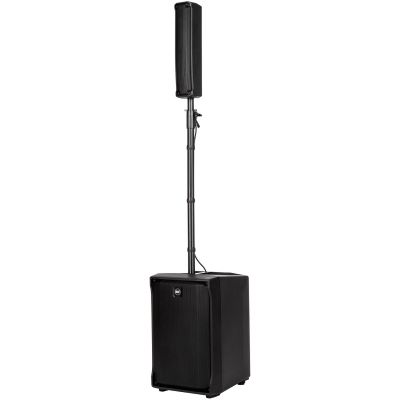
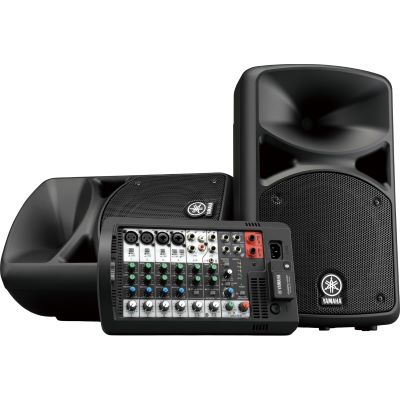
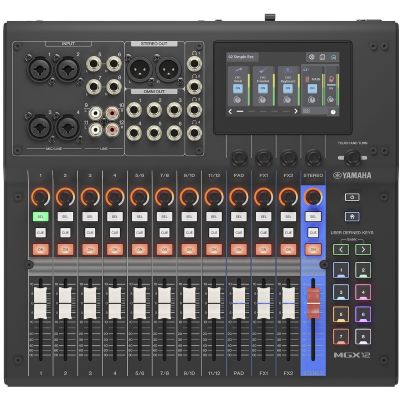
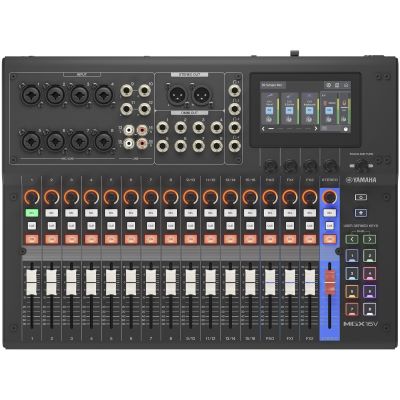
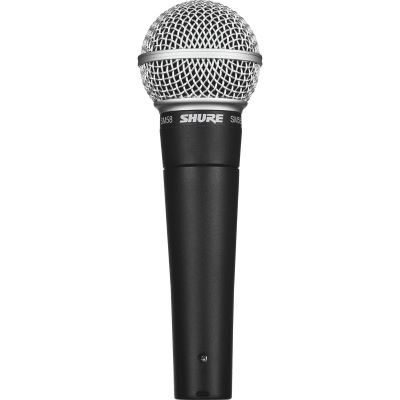
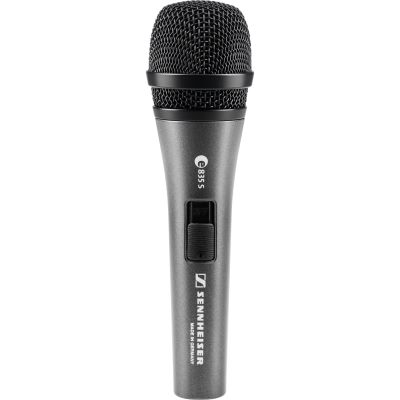

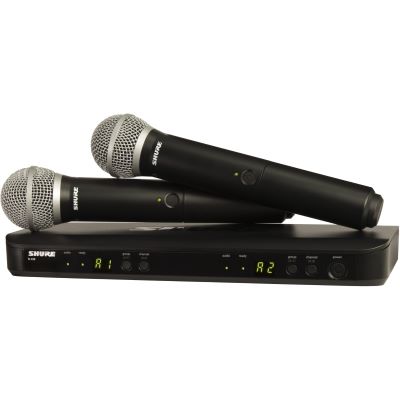
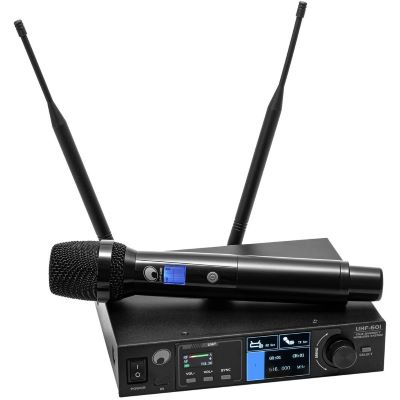
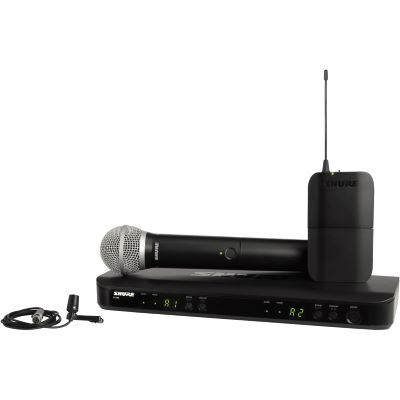

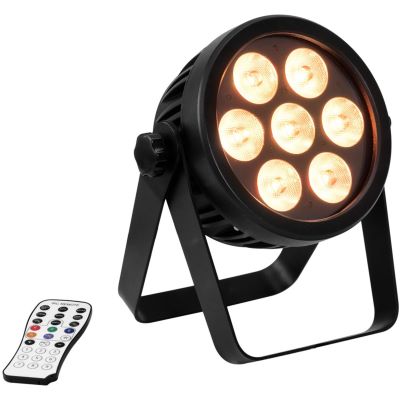
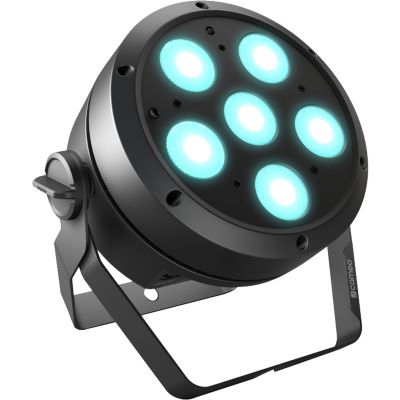
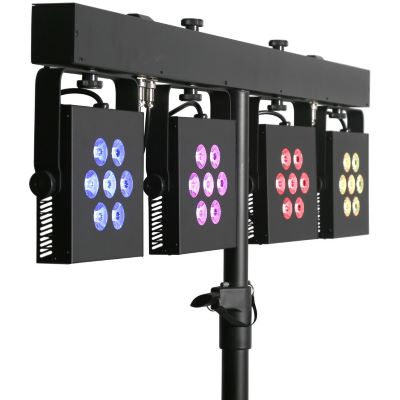
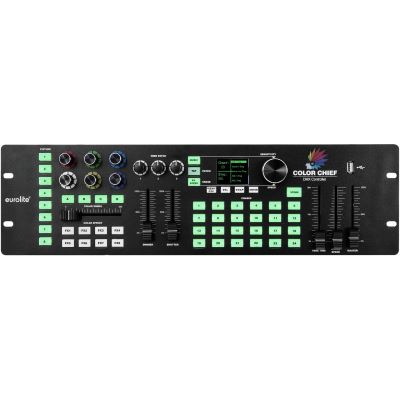
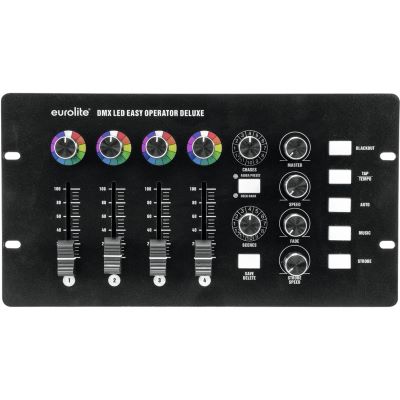
If an existing system is expanded later, manufacturer pages provide direct access to loudspeakers, microphones, mixers and compatible accessories from the same product families.










Clear organisation is often just as valuable as additional technical functions when many different volunteers set up and operate the equipment.
Colours or numbers can immediately show which cable belongs to a loudspeaker, microphone, wireless receiver or lighting unit.
A photo of the completed clubhouse or stage setup can make the next setup considerably easier for new volunteers.
Names such as “Meeting”, “Summer Festival” or “Choir” are more useful in everyday club life than internal technical abbreviations.
Spare batteries, tape, cables and frequently required adapters should not have to be found for the first time on the day of an event.
Bags, cases and suitable transport equipment protect technology and can reduce setup time and damage during regular club use.
If substantially more equipment is required only once a year, selectively adding rental technology may be more economical than purchasing a permanently oversized system.
For speech and background music in a manageable indoor room, a compact column PA or a pair of active loudspeakers may be sufficient. Dance music, live bands and outdoor use require additional reserve. Room acoustics and loudspeaker placement are just as important as the nominal wattage.
Two capable active loudspeakers are a typical starting point. An active subwoofer can be added for parties or live music. Outdoor events usually require additional reserve because room boundaries no longer support sound distribution.
Column systems are quick to set up and are especially useful for moderation, acoustic music and smaller festivals. Traditional active speakers are particularly flexible because they can be expanded, used as monitors and combined with different subwoofers.
Not necessarily for speech, award ceremonies or quiet background music. For a dance floor, DJ, modern live music or a powerful bass drum, a subwoofer is a useful addition and can relieve the full-range speakers.
One wired microphone as a dependable basic option and one wireless handheld already cover many applications. Events with two presenters, theatre or carnival can benefit from additional wireless links or headsets.
Not necessarily. Once a clean basic setup has been configured, stored scenes can actually simplify operation. It is useful for a small number of trained people to configure the system while clear standard procedures are provided for other helpers.
A few LED PARs or a compact lighting set are sufficient for many club stages. If the lighting is regularly used for carnival, theatre or show programs, DMX control is useful because scenes can be prepared and reproduced.
Additional acoustic reserve is often useful outdoors. The power supply, safe cable routes and weather protection also need to be considered. Equipment without corresponding manufacturer approval should not be exposed to rain or moisture.
Route cables outside audience paths wherever possible. Where a crossing cannot be avoided, a suitably dimensioned cable bridge can protect cables and create a clearer route. Load capacity and channel dimensions must suit the application.
Regularly required basic equipment is often worth owning. Rental can be more economical for infrequent major events. A club's own PA can, for example, be supplemented once a year with larger loudspeakers, additional wireless systems or extra lighting.
Combine loudspeakers, subwoofers, monitors, complete PA systems and matching accessories.
Select handheld transmitters, headsets and lavalier systems according to the application.
Discover PARs, lighting sets, DMX controllers and effects for club stages and festivals.
Store repeatable mixes for choirs, bands, theatre and recurring club events.
Store equipment safely, prepare it in advance and transport it reliably to the event location.
Expand existing equipment selectively for larger or unusual events without purchasing every component permanently.
Start with a reliable PA and the microphones you use regularly. Then add mixer inputs, subwoofers, lighting and safe infrastructure as real requirements arise. A clearly documented basic setup remains manageable even when volunteers change and can be selectively expanded with additional or rental equipment for special events.