XLR Condenser Microphone
Many studio condenser microphones require P48. Some models additionally accept other phantom voltages, can operate from batteries or use their own power supply.

The switch labelled 48 V, P48 or Phantom is one of the most important functions of a microphone input. It powers many professional condenser microphones through the same XLR cable that carries the audio signal. However, not every microphone needs phantom power – and with some devices you should only switch it on after checking the technical specifications.
The product description or operating manual is always the most reliable source of information. The following groups provide a useful first orientation.
Many studio condenser microphones require P48. Some models additionally accept other phantom voltages, can operate from batteries or use their own power supply.
Conventional balanced dynamic microphones, such as many typical stage models, do not require phantom power. They generate their signal through their electrodynamic construction.
Particularly with older or sensitive passive ribbon microphones, phantom power should only be used if the manufacturer explicitly confirms that it is safe.
Active ribbon microphones, microphones with built-in preamps, inline boosters and some active DI boxes can also require phantom power.
Do not guess from the microphone design alone. Before switching on 48 V, briefly check the specifications of the microphone or connected device.
With a balanced XLR connection, the DC supply voltage is applied to both audio signal conductors in a way that allows the balanced audio signal to continue travelling through the cable. This is where the term “phantom” comes from: in normal audio operation, the power supply is effectively invisible to the balanced signal.
In a conventional balanced XLR connection, Pin 1 serves as the ground and shield reference.
With P48, the phantom voltage is applied equally to both signal conductors in relation to Pin 1. The audio signal itself remains balanced.
The microphone takes the energy required by its active electronics from this supply while its audio signal travels back to the microphone preamp through the same cable.
P48 has become a particularly widespread form of phantom power in modern studios, mixing consoles and audio interfaces. Other supply voltages also exist. Some microphones accept a wider voltage range, while others explicitly require a particular supply.
No. The 48 V supply is primarily a power source. The microphone preamplifier remains responsible for amplifying the audio signal. A condenser microphone without the supply it requires may not work at all or may not work correctly.
Their active electronics require energy. Many professional XLR studio microphones are powered via P48. Other designs use batteries, USB power or a separate external power supply.
Conventional passive moving-coil microphones do not require an external supply. With a correctly wired, modern balanced microphone, applied phantom voltage is normally unproblematic. Nevertheless, switch 48 V off whenever it is not required.
Passive vintage and ribbon designs deserve particular caution. Faulty or unbalanced wiring and connections changed while powered can be problematic. Active ribbon microphones, by contrast, can explicitly require phantom power.
Turn input gain, headphones and monitor speakers down before connecting equipment or changing phantom-power settings.
Connect the microphone with a correctly wired XLR cable to the microphone input of the interface, mixer or microphone preamp.
Activate phantom power only when the microphone or connected active device requires it according to the manufacturer.
Deactivate 48 V, reduce Gain and monitor level and only then disconnect or change the XLR connection.
Connect outputs from synthesizers, effects processors, modelers and other Line-level devices to dedicated Line inputs rather than phantom-powered microphone inputs, unless the equipment is explicitly designed for that use.
| Device | 48 V? | What to Consider |
|---|---|---|
| XLR Condenser Microphone | Often Yes | Check the manufacturer specification. |
| Passive Dynamic Microphone | No | Modern balanced connections are usually tolerant, but P48 is not required. |
| Passive Ribbon Microphone | Usually No | Take particular care and follow the manual. |
| Active Ribbon Microphone | Possibly Yes | Depends on the individual product. |
| USB Microphone | Not from the Interface | Power is normally supplied via USB. |
| Active Inline Booster | Often Yes | The booster can use phantom power without necessarily passing it on to the microphone. |
| Active DI Box | Model-Dependent | Some active models can be powered by phantom power. |
Some active devices use phantom power even when the microphone capsule itself would not normally need it. Other products deliberately pass the supply on to the connected microphone.
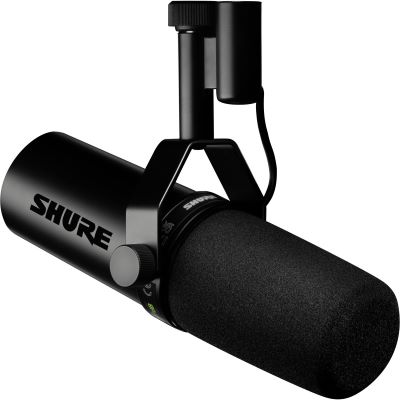
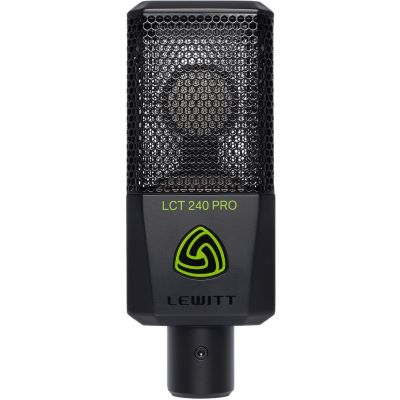
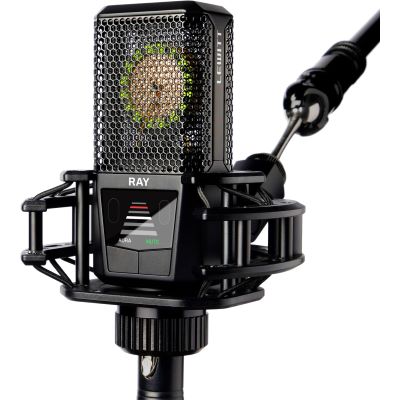
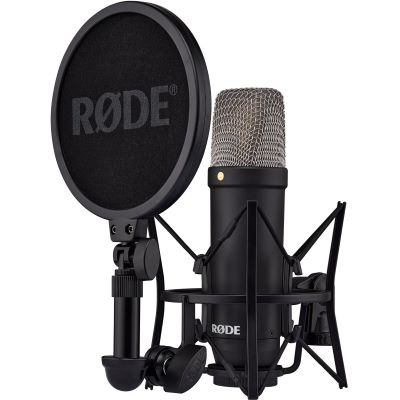
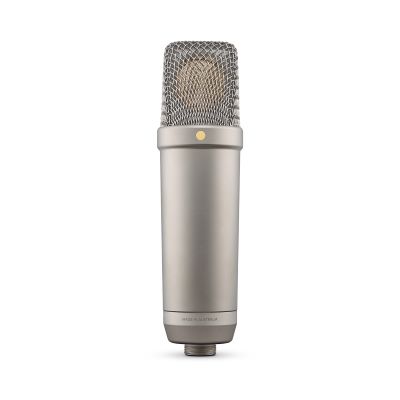
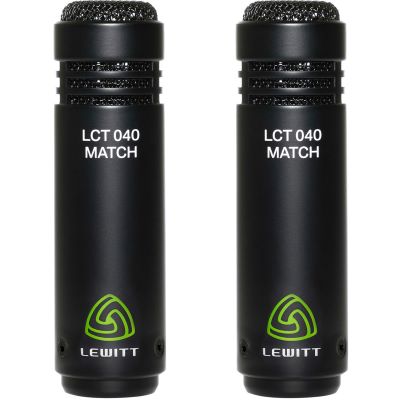
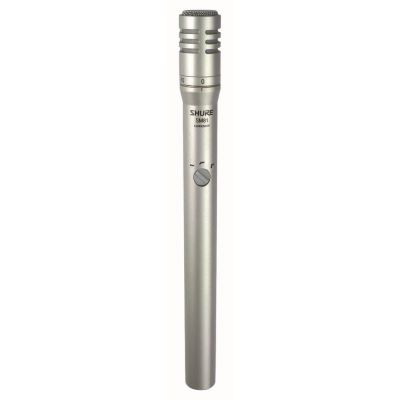
This selection shows different phantom-powered studio microphones for vocals, speech, instruments and stereo recording.
For most home studios, a separate phantom-power unit is unnecessary. A suitable audio interface combines microphone preamplification, phantom power and A/D conversion in one device.
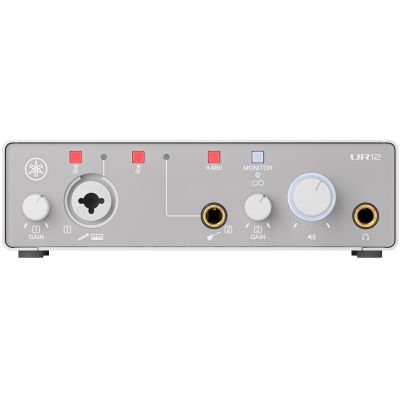
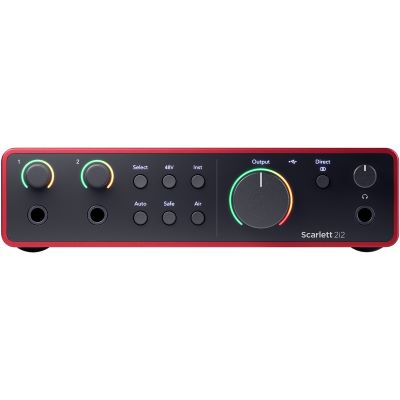
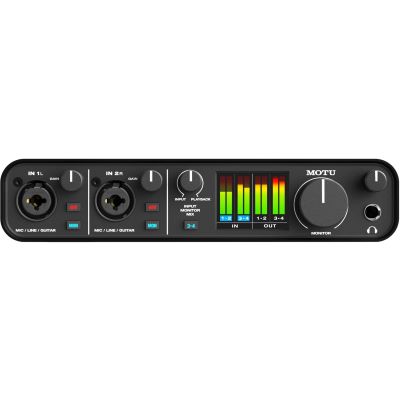
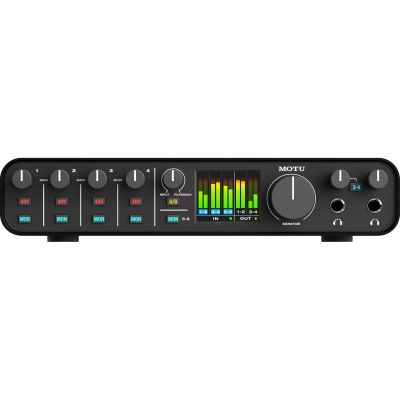
Some interfaces switch phantom power separately for each channel, while others activate it for groups of inputs. Before combining different microphone types, check which inputs are controlled by the same 48 V switch.
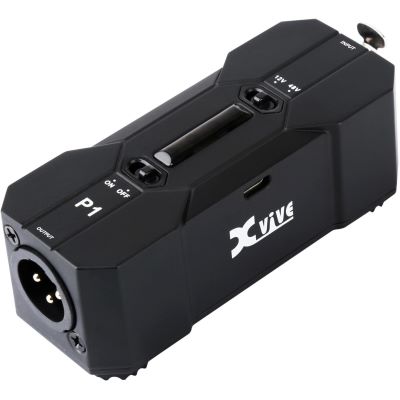
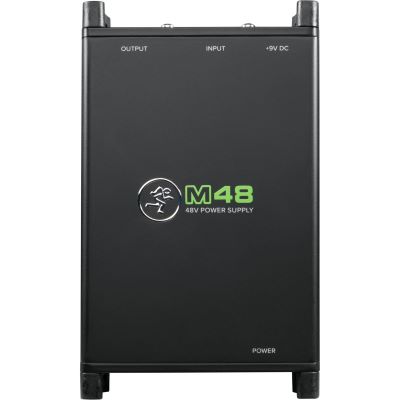
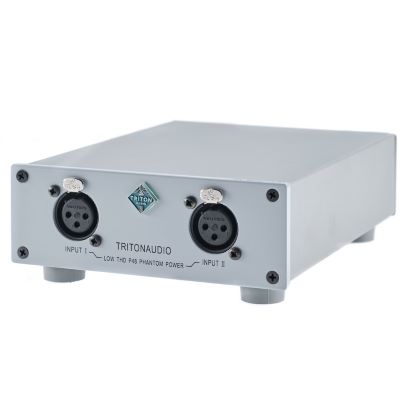
A separate phantom-power supply is connected between the microphone and recording device. This allows a phantom-powered microphone to be used with equipment whose microphone input does not provide the required supply itself.
Large- and small-diaphragm condenser microphones for voice, instruments, overheads and stereo recording.
Amplify the microphone signal and, depending on the model, provide P48, Pad, Low-Cut and additional functions.
Many analogue and digital mixers provide phantom power for their microphone channels. Pay attention to channel groups and switching logic.
Small mixers for podcasting, acoustic setups and stage use frequently offer microphone inputs with switchable phantom power.
Some active DI boxes can be powered by phantom power, whereas passive models do not require a power supply.
With mobile recorders, check exactly which microphone inputs provide P48 and how phantom power affects battery life.
Conventional phantom power requires a correctly wired, balanced XLR microphone connection.
Add phantom power to recorders, mixers, older preamps and mobile recording systems that do not provide a suitable supply themselves.









Combine microphones, DI, audio interfaces and different recording methods for electric and acoustic guitar.
Combine dynamic close microphones with phantom-powered condenser overheads when planning a multichannel drum-recording setup.
Discover microphones, audio interfaces, monitors, headphones and additional recording equipment.
Phantom power is a DC voltage carried through the same balanced XLR cable as the microphone signal. It supplies the active electronics of a microphone or audio device designed to use it.
48 volts, or P48, is a particularly widespread phantom-power standard for professional microphones today. Other voltage variants also exist, as do microphones powered by an external power supply, battery or USB.
No. Condenser microphones require energy, but not necessarily P48. Some operate from batteries, USB or a dedicated external power supply. With professional XLR studio microphones, 48 V phantom power is very common.
Modern, correctly balanced dynamic microphones are normally unproblematic. With older, unbalanced or specially wired equipment, however, phantom power should remain switched off unless the manufacturer explicitly confirms compatibility.
Phantom power can be problematic with certain passive and especially older ribbon designs. Active ribbon microphones, on the other hand, may require it. Use P48 only after checking the specifications of the specific microphone.
This is the recommended working method. Reduce Gain and monitoring, switch phantom power off, connect the microphone completely and only then activate P48. Switch it off again before disconnecting the microphone.
First check the XLR cable, the correct microphone input, Gain and the microphone's power requirements. Not every condenser microphone automatically operates from P48, and phantom power is normally provided only through the XLR microphone path.
Phantom power itself is not a Gain function. It powers the microphone electronics. The microphone preamplifier determines how strongly the resulting audio signal is amplified.
The conventional passive SM7B does not require phantom power for its microphone element. The SM7dB is different: its integrated active preamplifier requires 48 V when that additional Gain stage is being used.
In this case, the phantom voltage powers the active electronics of the inline booster. Versions designed for passive dynamic or ribbon microphones can use phantom power internally without passing it through to the microphone.
Yes. A phantom-power unit is connected between the microphone and microphone input. This is useful with recorders, preamps or mixers that do not provide a suitable phantom supply themselves.
On conventional audio interfaces, P48 is provided through the XLR microphone input rather than the instrument or Line jack inputs. For a phantom-powered XLR microphone, use the intended balanced microphone connection.
48 V phantom power supplies many professional XLR condenser microphones directly through the microphone cable. It can be provided by an audio interface, mixer, microphone preamplifier or separate phantom-power unit. Phantom power must not be confused with Gain: it supplies energy, while the preamplifier increases the audio level.
Passive dynamic microphones normally do not require phantom power. Modern balanced models are generally uncritical with a correctly wired connection, but 48 V should still remain switched off when it is not needed. Additional caution is appropriate with older, unbalanced equipment and certain passive ribbon microphones.
Exceptions demonstrate why checking technical specifications is always worthwhile. Active ribbon microphones, inline boosters, microphones with integrated preamplifiers and some active DI boxes can also use phantom power. Connect devices completely before activating P48 and switch the supply off again before changing connections.
The Musikhaus Korn guide provides further help with microphones, microphone preamps, audio interfaces, guitar and drum recording, studio monitors, headphones and complete studio technology.