Collect & Distribute Signals
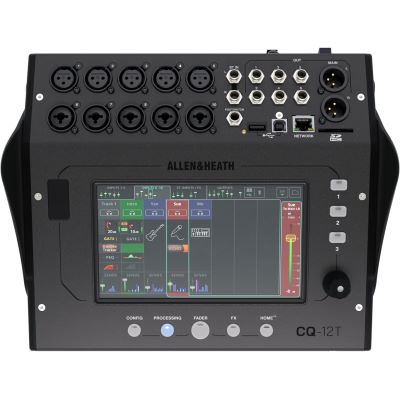
The mixer collects microphones, instruments and playback sources, distributes monitor mixes and creates the main mix for the PA.

From the rehearsal room and club gig to a town festival, a band has to manage many signals at the same time: vocals, guitars, bass, drums, keyboards and playback sources. This guide takes you from the channel plan and mixer to the stage box, PA, microphones, stage monitors, in-ear systems, DI boxes, cables, lighting and transport.
Good band technology does not start with the largest loudspeaker. It starts with the signal sources. Only when you know what needs to be picked up and amplified can you sensibly size the mixer, stage box, PA and monitoring.
The mixer collects microphones, instruments and playback sources, distributes monitor mixes and creates the main mix for the PA.
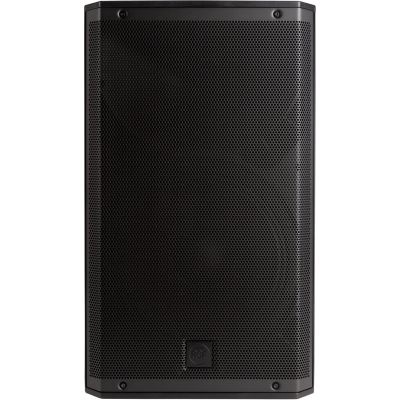
Top speakers and, where required, subwoofers reproduce the complete band mix for the audience. Their size and layout need to suit the actual application.
Vocals, amplifiers and drums require suitable microphones or DI boxes. The right solution depends on the source, stage layout and signal path.
Stage monitors or in-ear systems allow musicians to hear their voice, instrument, tempo and important band members in a controlled way.
The most important planning step: write down every required input before choosing a mixer. Also allow spare channels for a guest microphone, additional drum microphones, stereo keyboards or later expansion.
Even a conventional rock or cover band can completely fill a small mixer. Stereo sources use two channels, and extensive drum miking makes the channel count grow particularly quickly.
| Signal | Compact | Comfortable | Planning Note |
|---|---|---|---|
| Lead Vocal | 1 | 1 | Dedicated microphone channel |
| Backing Vocals | 1–2 | 2–3 | Each voice can be controlled separately |
| Guitars | 1–2 | 2 | Amp microphone, modeller or DI |
| Bass | 1 | 1–2 | DI plus optional amplifier microphone |
| Keyboard | 1 | 2 | Stereo requires two channels |
| Drums | 2–4 | 6–8+ | From kick/overheads to close miking |
| Playback Sources | 1–2 | 2 | Backing tracks, intros or interval music |
| Reserve | 2 | 2–4 | For guests and later expansion |
Two vocals, acoustic guitar and an optional keyboard can fit on a compact mixer. Still check that enough aux sends are available for monitoring and that there is a suitable input for playback music.
Several vocals, guitars, bass, keyboard and drums can easily require twelve or more input signals before guest microphones or additional playback sources are included.
Larger line-ups need more inputs and outputs, additional monitor mixes, more stage-box channels and a more carefully planned cabling concept.
Both concepts can work well. The right choice depends on channel count, the number of monitor mixes, recurring show requirements and how much signal processing and remote control you need.
Important for digital stage boxes: manufacturers and mixer families use different audio-network and control protocols. A matching connector does not automatically mean that two devices are compatible. Mixer, stage box and transmission format must explicitly support each other.
A band PA must reproduce vocals clearly and provide enough reserve for dynamic instruments. The appropriate system depends strongly on which instruments actually run through the PA.
In a small club, the PA may mainly carry vocals and keyboards while guitar amplifiers and acoustic drums generate a large part of their own volume.
If the complete band is miked, including kick drum, bass and guitars, the PA has to reproduce a much broader frequency and dynamic range.
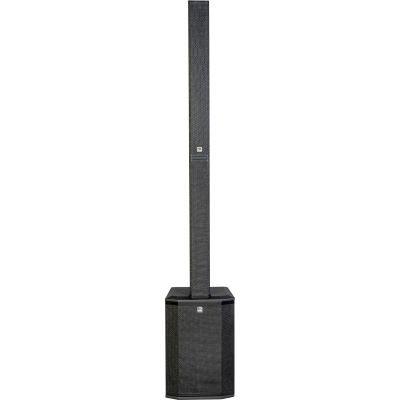
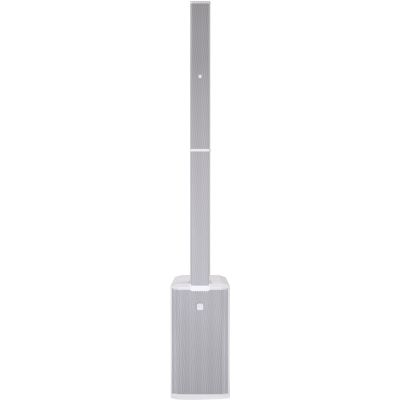
For punchy rock, pop or dance music, active subwoofers can therefore be a logical expansion. Compact column systems can be useful for certain smaller live setups, while two active full-range speakers or tops plus subs offer different positioning and expansion options.
Do not choose a PA by wattage alone. Dispersion, maximum sound pressure, room size, required low-end extension, speaker placement, transport requirements and the use of subwoofers all influence the result.
The FOH PA is aimed at the audience. Musicians need their own monitoring so they can hear timing, pitch, vocals and important instruments reliably.
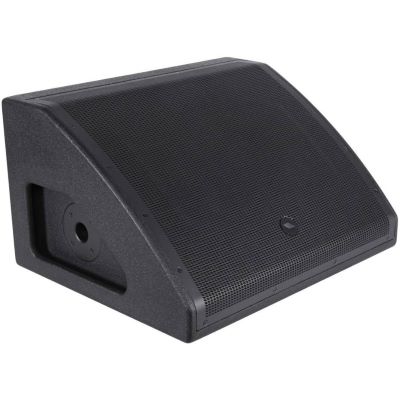
Active stage monitors are straightforward and can be shared by several musicians. If each musician needs a different mix, additional independently controllable aux or mix outputs are required.
Microphone and monitor positioning also influences feedback headroom and should therefore be planned as part of the complete stage layout.
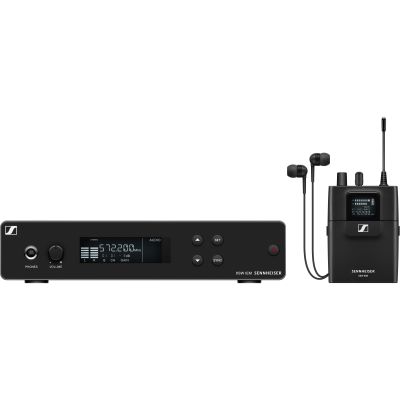
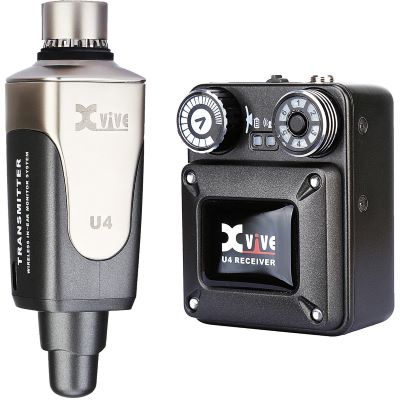
In-ear monitoring can reduce stage volume and provide individual personal mixes. The mixer still needs enough independently routable outputs for the required number of monitor mixes.
Wireless systems provide freedom of movement, while a wired in-ear solution can be practical for stationary musicians such as drummers or keyboard players.
One microphone model is not automatically the ideal solution for every source. Vocals, guitar cabinets, bass drums and acoustic instruments have different requirements.
Robust handheld dynamic microphones are a common live standard. Voice, polar pattern and monitor position need to work together to achieve sufficient feedback headroom.
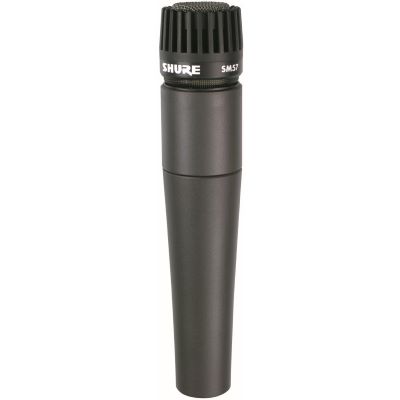
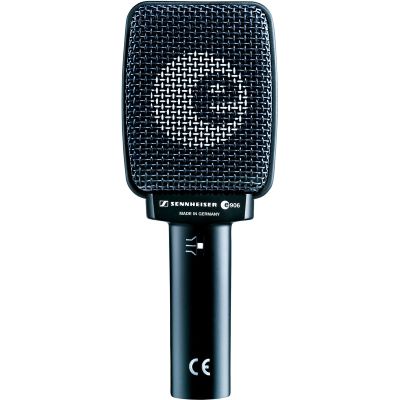
Models such as the Shure SM57 or Sennheiser E906 are commonly positioned directly at a guitar cabinet. Small changes in microphone position can noticeably change the amplified tone.
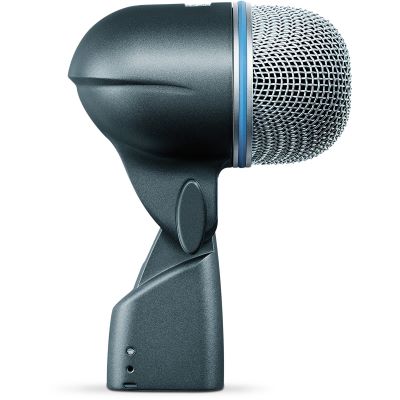
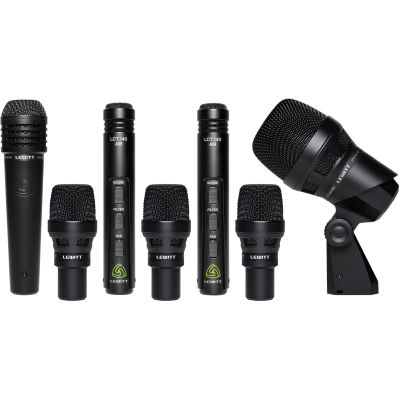
Drum miking can range from kick and overheads to individual microphones on most drums. Every additional microphone consumes another mixer channel and increases the work required for positioning, gain and phase control.
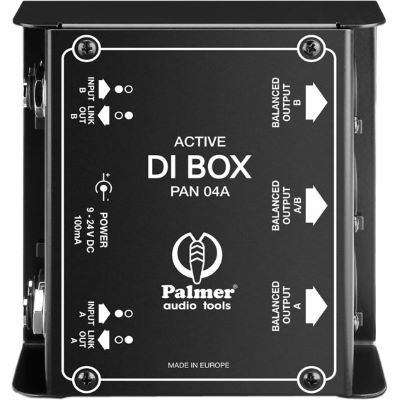
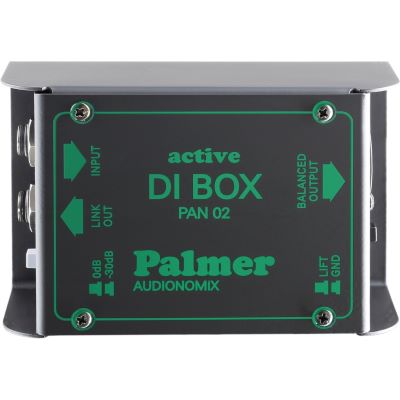
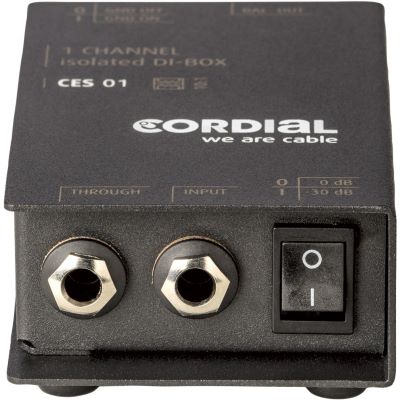
DI boxes can convert and adapt instrument, line or unbalanced signals for balanced XLR connections, particularly when longer cable runs across the stage are required.
From the mixer and stage connections to PA, monitoring, microphones and lighting, these categories cover the main components of a complete band setup.
Mixing, processing, monitor buses, scenes and remote control.
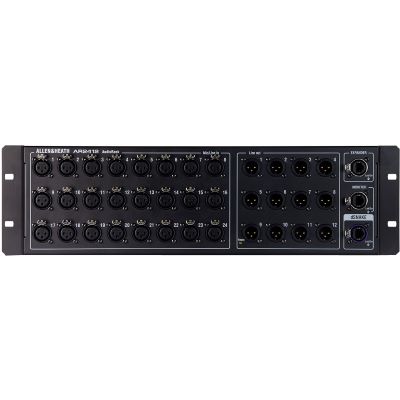
Collect stage signals and reduce long individual cable runs.
Powered top speakers and full-range systems for live sound.
Additional low-frequency headroom for kick, bass and full-range music.
Stage microphones for lead and backing vocals.
Active and passive interfaces for instruments and line sources.
Active wedges for traditional on-stage monitoring.
Wireless and wired monitoring solutions for individual mixes.
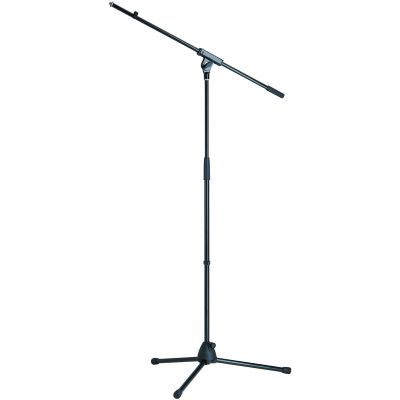
Reliable placement for vocals, amps and instrument microphones.
Wireless connections for suitable instruments and stage applications.
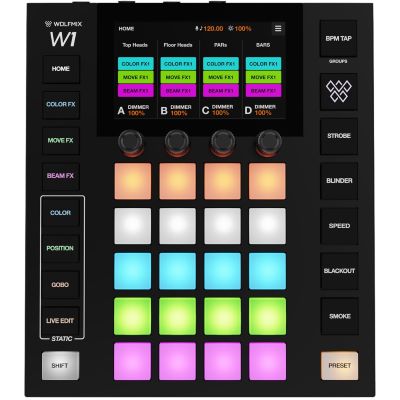
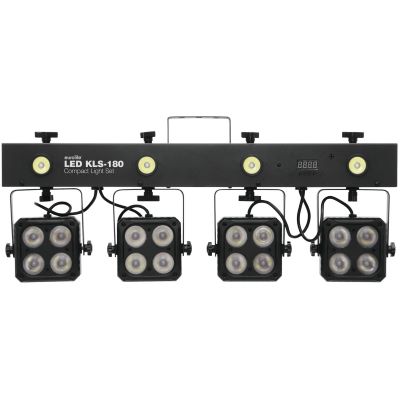
Fixtures and control systems for rehearsal rooms, clubs and stages.
PA, lighting, stands, transport and additional stage technology.
The selection covers mixers, stage boxes, PA speakers, subwoofers, microphones, monitoring, DI boxes and important accessories. Always verify technical compatibility for stage boxes, wireless equipment and digital systems before purchasing.
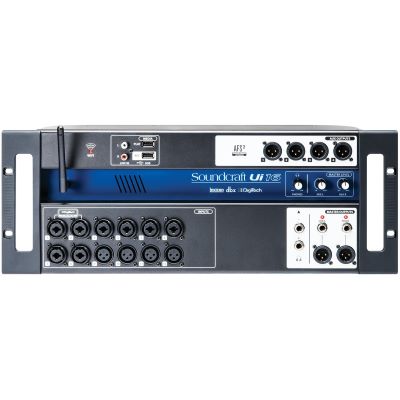
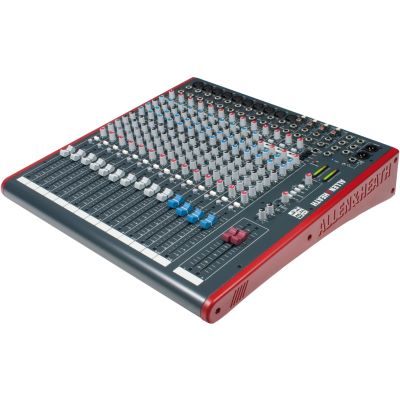
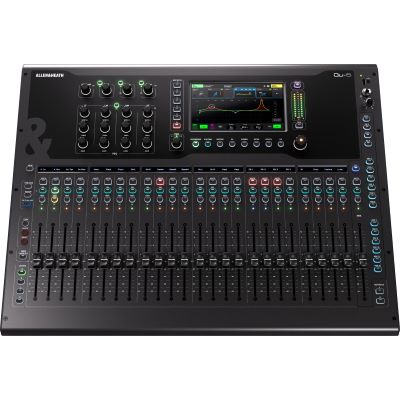
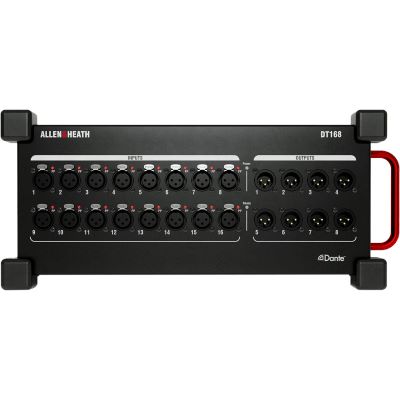
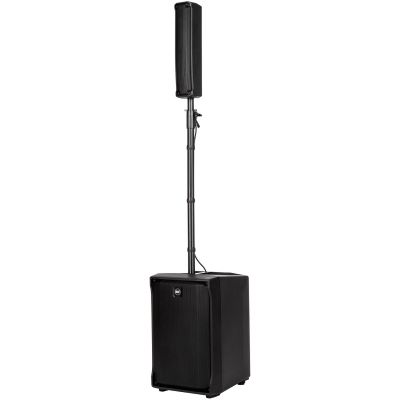
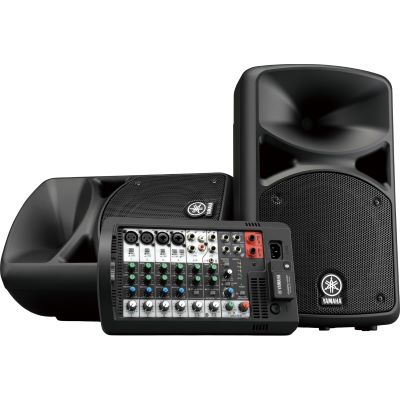
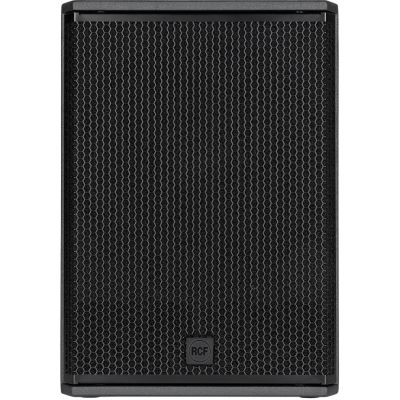
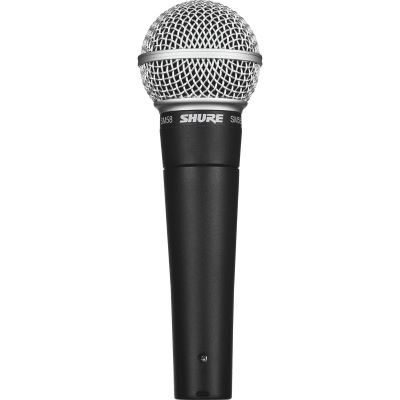
Keep signal paths easy to understand and make sure every source is connected to the correct type of input.
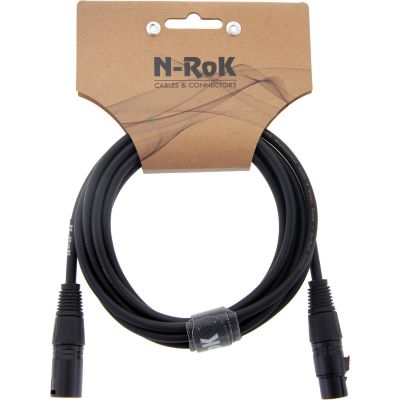
Microphones normally connect to microphone inputs. DI boxes provide balanced signals for longer stage runs, while line sources need to be connected to suitable mixer line inputs.
The mixer's main outputs feed the PA system, while aux or mix outputs supply the required stage-monitor or in-ear mixes.
On larger stages, a stage box prevents every microphone cable from having to run individually to the FOH position. In digital systems, the mixer, stage box and transmission format must explicitly be compatible.
Guide status: 24 August 2026. Product ranges and technical functions change. Always verify connectors, channel counts and system compatibility on the specific equipment before purchasing.
Small backup components can prevent a single defective cable, empty battery or unexpected guest source from stopping the complete show.
Before cabling, confirm every vocal microphone, instrument, drum microphone and playback source.
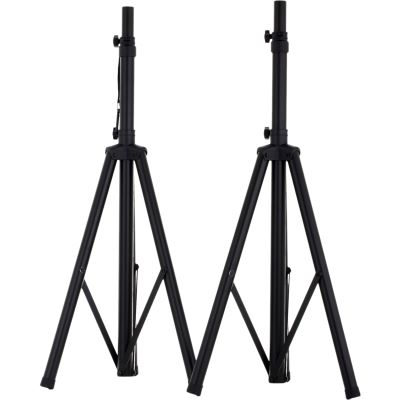
Place top speakers and subwoofers according to the room, stage and audience area.
Route microphones and DI boxes cleanly to the stage box or directly to the mixer.
For every monitor path, begin with the signals the musician actually needs.
Let the band play at realistic performance volume so preamp gain and headroom can be adjusted under practical conditions.
Check FOH, monitoring, effects and stored scenes with a complete passage of a real song rather than isolated channels only.
Without spare inputs, even one additional microphone can become a problem.
A large number of physical outputs does not automatically mean that the mixer can create the same number of independent mixes.
Digital mixer and stage-box systems need to be explicitly technically compatible.
Excessive stage volume makes the FOH mix more difficult and increases the risk of feedback.
Keyboards, bass instruments or playback devices may require proper signal adaptation depending on the connection and cable run.
One defective cable should never be able to stop the performance.
Checking individual channels does not replace testing the complete band together.






A complete band PA combines several specialist areas. These related topics help with vocals, drums, guitar amplification and multitrack recording.
Learn how microphone choice changes according to voice, instrument and recording or live application.
Find suitable microphones for kick, snare, toms, overheads and complete drum-kit configurations.
Extend the live setup toward rehearsal recording, multitrack capture and production workflows.
If your band needs additional speakers, subwoofers, wireless systems or lighting for one particularly large event, renting can be more economical than permanently owning a system that is oversized for normal gigs.
When building your own system, transport and cases should also be considered from the start. Equipment that travels to performances every week has different requirements for weight, protection and setup time than a system that stays permanently installed in the rehearsal room.
The basic equipment includes a mixer with sufficient capacity, a suitable PA, vocal microphones and the necessary cables. Depending on the line-up, additional instrument microphones, DI boxes, stage monitors or in-ear systems, a stage box, wireless equipment, subwoofers and lighting may be required.
Write down every input signal individually. Several vocals, guitars, bass, a stereo keyboard and drums can quickly require twelve or more channels. Keeping two to four inputs free for expansion is particularly useful.
A digital mixer offers significant advantages when several monitor mixes, recurring shows and larger channel counts are involved. An analogue mixer can remain particularly straightforward for smaller, consistent setups.
A stage box becomes useful when many signals converge on the stage or when the mixer is positioned further away. Digital stage boxes can simplify cabling considerably, but they must be compatible with the mixer system being used.
Not necessarily in every small room. Subwoofers become particularly relevant when kick drum, bass, electronic instruments or full-range playback tracks run through the PA and a strong low-frequency foundation is required.
Wedges are straightforward and can be shared by several musicians. In-ear monitoring allows more personal mixes and can reduce stage volume. In both cases, the mixer needs enough independent monitor buses for the desired number of mixes.
DI boxes are frequently useful for bass, acoustic guitar, keyboards and other unbalanced or high-impedance sources. Whether an active or passive DI is appropriate depends on the source and signal path.
The setup can range from a reduced configuration to seven or eight microphones and more. On smaller stages, kick, snare and stereo overheads can form a practical middle ground between minimal and full close miking.
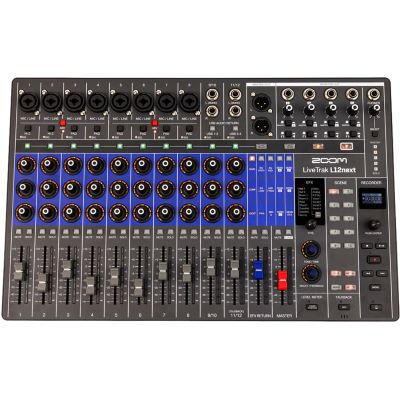
If the mixer is equipped accordingly, a digital or recording mixer can allow individual channels to be captured through USB or an integrated recorder. Check the exact multitrack capabilities of the model.
Use a fixed channel allocation, clearly labelled cables, stored scenes where appropriate, correctly matched stage boxes and organised cases. A repeatable setup is usually faster and more reliable than changing the cabling concept at every performance.
A reliable band setup combines all signal sources with a mixer that provides enough inputs and monitor paths, a PA sized for the venue and suitable microphones or DI boxes. Stage wedges or in-ear systems allow musicians to hear the signals they need while the main PA carries the audience mix.
A reduced setup may be sufficient for a small club, while a fully miked band with several independent monitor mixes and larger shows can require significantly more mixer channels, stage-box inputs, subwoofers and cabling. The best planning method therefore begins with a complete input list rather than with an individual product.
Allowing spare channels and planning the complete path from microphone or instrument to mixer, monitoring and PA makes later expansion easier and reduces avoidable compatibility problems.
Find additional guides covering instruments, studio and recording equipment, DJ technology, PA systems, lighting and complete live setups.