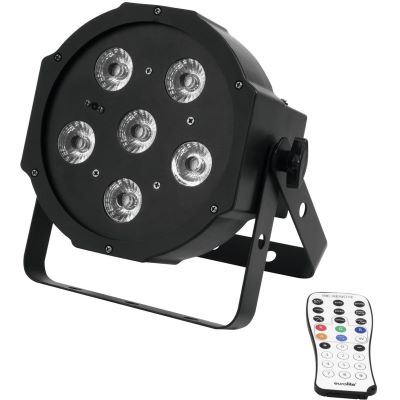
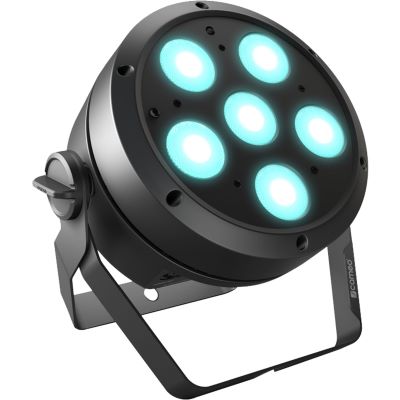
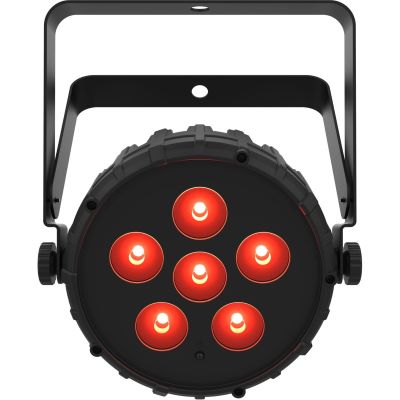
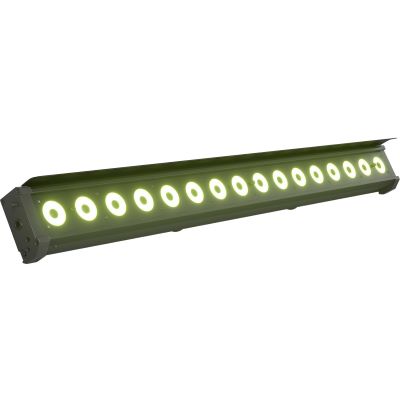
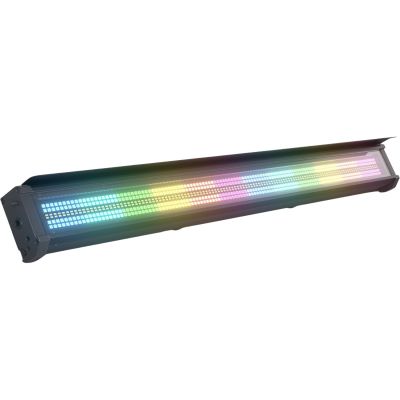
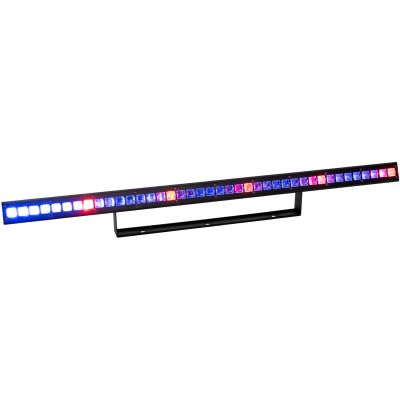
Elegant Wash Lighting
Start with coloured PARs or a lighting bar. Warm white and restrained colours work well during dinner, while stronger colours can be added later on the dance floor.

Wedding, birthday party, club event or mobile party: a good DJ lighting system should be quick to set up, make the dance floor look attractive and still fit into your vehicle. Instead of combining as many effects as possible, plan your lighting in layers: basic lighting, movement, show effects, control and atmosphere.

A wedding DJ needs different lighting moods from a party DJ. The decisive factors are the size of the dance floor, the desired visual effect, setup time and how much control you want to take over during your DJ set.
Start with coloured PARs or a lighting bar. Warm white and restrained colours work well during dinner, while stronger colours can be added later on the dance floor.
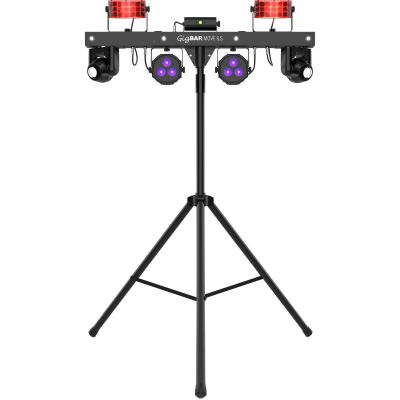
A preconfigured lighting system combines several spots or effects, requires little setup time and can be transported compactly.
Moving spots or washes emphasise drops and highlights. They work best as an addition to an existing basic lighting system rather than as its only light source.
With a DMX controller or software, you can recall blackouts, colours, movements and effects to match a particular musical moment.
For most mobile DJs: a compact lighting set or several LED PARs provide the foundation. Add a moving head, beam effect or hazer afterwards according to the visual effect you actually need.
PARs, washes or LED bars colour the dance floor, back wall or DJ booth. This layer should still work visually even when every other effect is switched off.
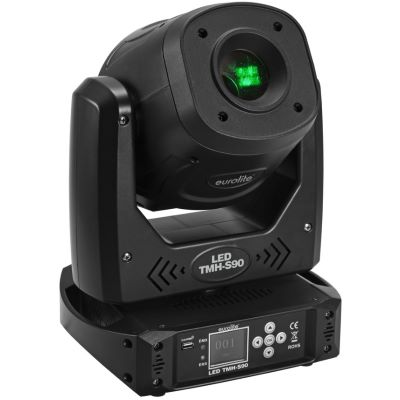
Moving heads or scanners add direction changes and dynamics. Two fixtures placed symmetrically already create a much more structured visual impression.
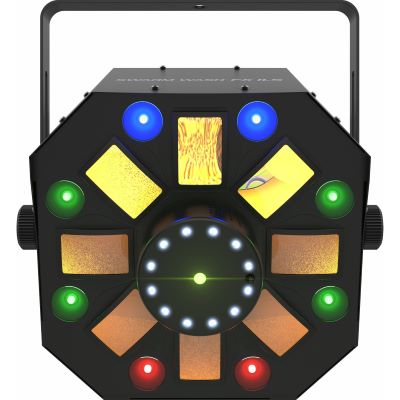
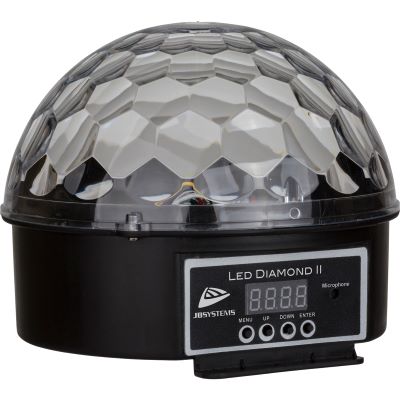
Derby, beam, strobe or pixel effects add emphasis to particular moments. A smaller number of deliberately chosen effects usually looks more professional than constant chaos.
Fine haze makes light beams visible and visually connects individual fixtures into a more coherent show.
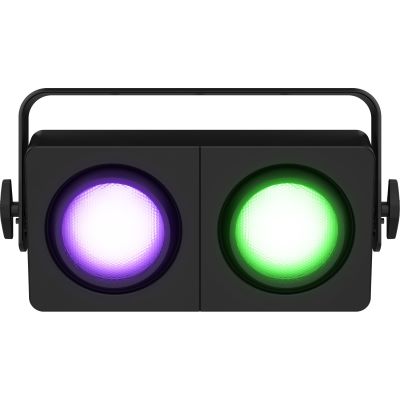
Broad coloured light creates the basic atmosphere. This is particularly important at weddings and events where the room should not consist entirely of moving effects.
Narrower beams and gobos create recognisable patterns. Moving-head spots can move those patterns through the room and position them deliberately on the dance floor.
Numerous coloured beams are distributed through the room. These fixtures create an immediate party effect and often work well in music-controlled mode.
Short bright impulses emphasise breaks, drops and choruses. Used continuously, they lose their impact; used as an accent, they are much more effective.
RGB mixes red, green and blue. A dedicated white LED improves white tones and bright pastel colours. Amber creates warmer colours and can be especially attractive at weddings. UV makes fluorescent clothing and decoration glow.
Derby effects, scanners and moving heads create movement, but they do not automatically illuminate people pleasantly. A calm wash in the background gives the complete lighting show a visual framework.
Rule for mobile DJs: illuminate the area first, then add movement and specialised effects.
| Criterion | Compact Lighting Set | Individual Fixtures |
|---|---|---|
| Setup time | Very short | Higher |
| Transport | Few individual parts | More cases and cables |
| Positioning | Fixtures are tied to the bar | Very flexible |
| Expandability | Good | Maximum flexibility |
| Beginner friendliness | Very high | Requires more planning |
| Individual lighting design | Medium | Very high |
Modern lighting systems often work without a separate console at first. Automatic programmes, Sound-to-Light and remote controls are practical as long as the show does not need to be exactly reproducible.
A built-in microphone reacts to the music. This is fast and easy, but the lighting system decides for itself when colours and movements change.
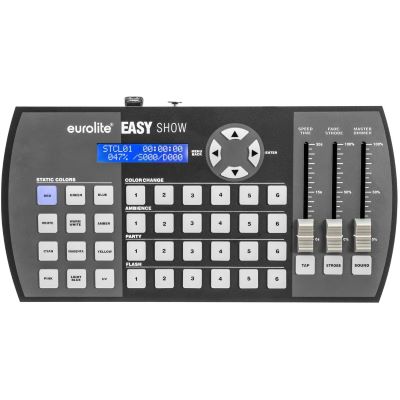
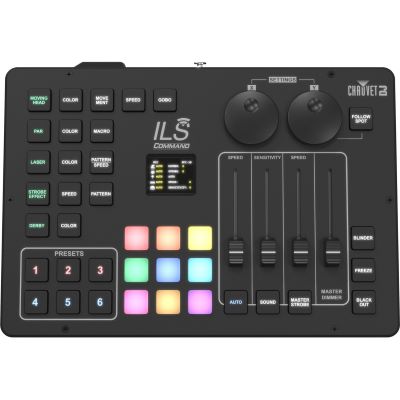
Systems such as ILS or EASY SHOW provide more deliberate control than automatic operation while requiring less programming than a completely free DMX show.
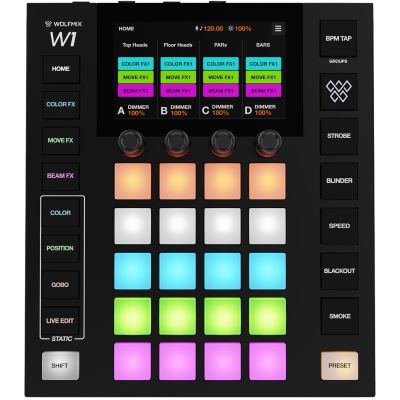
For individual shows, every fixture can be addressed over DMX. Scenes, chases, colours, pan/tilt movements and blackouts can be prepared precisely.
A blackout button is important: one immediate way to make the complete show dark is one of the most useful control functions in a mobile DJ lighting setup.
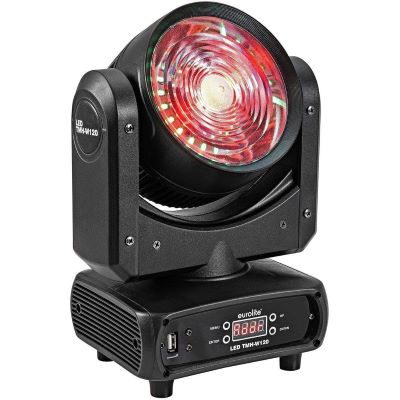
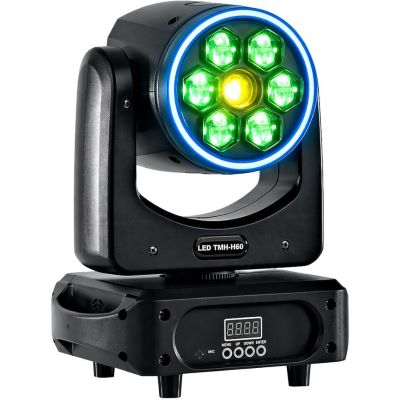
Produces moving, broader areas of colour. Well suited to dance floors, stage backgrounds and changing colour positions around the room.
Uses a narrower beam and often includes gobos, prism, colour wheel and focus. Ideal for clearly visible show accents.
Combines several visual functions in one fixture. For mobile DJs, this design can reduce the number of devices and the required transport volume.
Two fixtures usually look better than one: symmetrical positions to the left and right of the DJ setup allow opposing movements and create a more balanced visual image.
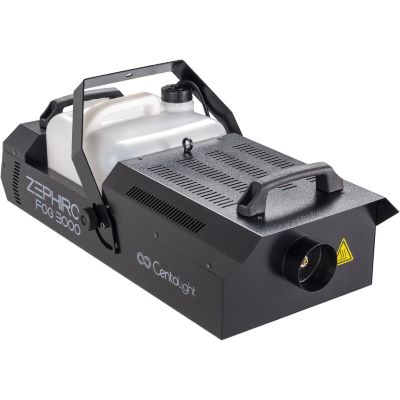
A fog machine produces clearly visible clouds. A hazer distributes much finer haze more evenly throughout the room. For moving heads and beam effects, haze often looks more elegant because the light paths become visible without constantly creating large fog bursts.

The products are grouped according to their function. This allows you to choose a compact complete system or expand your DJ lighting setup step by step.
Preassembled solutions reduce setup time, individual cables and transport cases.
View All Lighting Systems & SetsBuild a calm visual foundation before adding moving show effects.
View All LED PARsUse movement and special effects as deliberate highlights on top of the basic wash lighting.
View Moving HeadsMove from automatic modes to predictable scenes, blackouts and deliberately timed effects.
View Lighting ControlChoose fine haze for continuous beam visibility or fog for more obvious effect bursts.
View Fog & Haze MachinesSelect load capacity, maximum height and footprint so they suit the complete lighting bar or fixture combination.
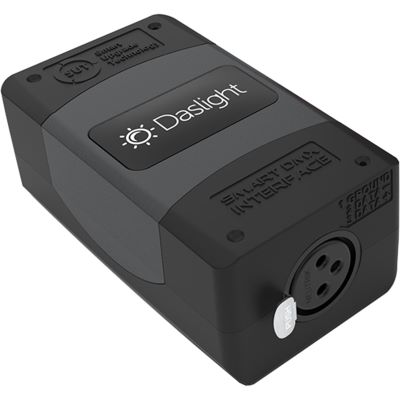
Use suitable DMX data cables for a stable connection instead of relying on improvised cabling.
Protect moving heads, controllers and sensitive optics during regular mobile transport.
When equipment is mounted at height, use suitable clamps, mounting hardware and any required secondary safety devices.
If you expand your lighting setup step by step, staying within a coordinated manufacturer ecosystem can be particularly useful for system controllers, wireless DMX and pre-programmed fixture libraries.







Without calm wash lighting, the complete show often lacks a clear visual foundation.
Effective shows need contrast, pauses and deliberately selected highlights.
Consider dimensions, weight, cases and available vehicle space before buying the fixtures.
Symmetry and sufficient height can improve their visual impact considerably.
An immediate blackout is one of the most important functions of a practical DJ lighting controller.
Clarify the venue rules and fire-detection system before every event.
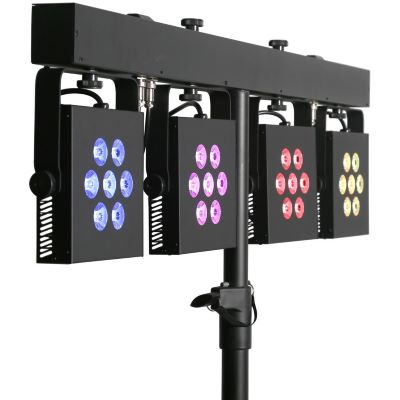
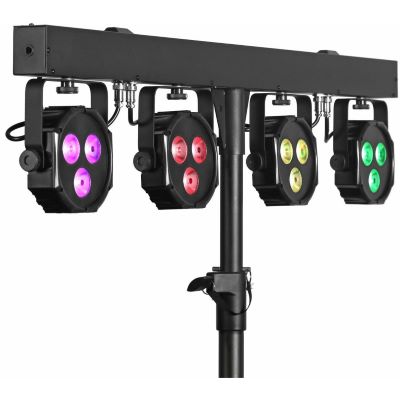
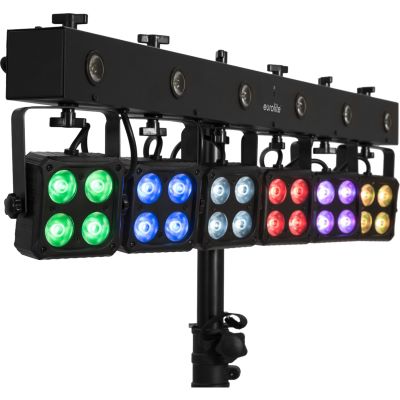
Preassembled lighting bars are particularly practical for mobile use. They combine several light sources, can be mounted quickly on a stand and require fewer individual cables and cases.
For many weddings, high-quality basic lighting using several PARs or a lighting bar is sufficient. Moving effects can be added later for the party. During dinner, calm warm white usually looks more appropriate than permanent effects.
No. Good PARs or a lighting set are sufficient for getting started. Moving heads become interesting when you deliberately want to add moving spots, gobos and dynamic accents to the show.
Not necessarily. Sound-to-Light and automatic programmes work without a controller. DMX becomes useful when you want to control colours, scenes, movements and blackouts deliberately.
A lighting bar is better for setup speed and transport. Individual PARs allow more flexible positioning around the room. Many mobile DJs begin with a bar and later add individual uplights or spots.
Lighting often works better above head height and aimed slightly towards the dance floor or room. The permitted height, however, depends on the stand, load capacity, installation location and safe mounting.
Fine haze can considerably improve the effect of moving heads and beam effects. The venue must permit its use, and the fire-detection system needs to be considered first.
Warm white, amber and restrained pastel colours often look elegant during the reception and dinner. Stronger RGB colours and faster changes can be added later on the dance floor.
Improve the basic lighting and control first. After that, a pair of moving heads, one deliberately chosen effect or haze usually adds more value than several randomly selected small effects.
Depending on the setup, you need suitable lighting stands, power and DMX connections, transport bags or cases and safe mounting equipment. These components should be considered before purchasing the fixtures.
Start with wash lighting for colour and area coverage. Then decide whether a compact lighting set already meets your requirements or whether individual fixtures should be positioned more flexibly. Add moving heads or one selected effect afterwards and move to DMX when your shows need to become reproducible. Haze, suitable stands and cases finally turn individual fixtures into a complete mobile DJ lighting system.
DJ technology, PA systems, microphones, lighting, stage equipment, recording and musical instruments: the central Musikhaus Korn guide contains further comparisons and buying advice for complete, coordinated setups.