Weighted Hammer Action
If you want to play piano over the long term, a weighted keyboard is preferable. 88-key digital pianos in particular are designed around this concept.

A light keyboard action responds quickly and is ideal for synthesizers, organ, pop and electronic music. A weighted hammer action is more closely based on the playing feel of a piano and is particularly suitable for piano playing and classical lessons. Semi-weighted keyboards sit between these two concepts as a versatile compromise. This guide explains which action suits your instrument, music style and application.
First consider which sounds and playing techniques you use most frequently. Pianists have different requirements from organists, synthesizer players or beat producers.
If you want to play piano over the long term, a weighted keyboard is preferable. 88-key digital pianos in particular are designed around this concept.
Fast runs, synth leads, glissandi and organ parts frequently benefit from a lighter action that springs back quickly.
If you regularly play piano, synthesizers, strings and software instruments on the same controller, a semi-weighted keyboard can be a particularly versatile compromise.
Play the same piano passage, a fast synth run and several chords on different actions. The difference in resistance and rebound can usually be felt immediately.
With a weighted keyboard, the key requires more force and provides a slower, more piano-oriented feel. A hammer-action mechanism additionally imitates aspects of the mechanical movement found in a piano.
Manufacturers use their own constructions and names, so two keyboards that are both described as weighted can still feel significantly different.
A light keyboard or synth action can still be velocity-sensitive. It can therefore detect how strongly a key is played. Weighting and velocity sensitivity are two separate properties.
Semi-weighted keys provide more resistance than a typical synth action while usually remaining faster and lighter than a pronounced hammer-action keyboard. This is why they are common on master keyboards and studio controllers.
Aftertouch measures additional pressure after the key has already been struck. It can control parameters such as vibrato, filter cutoff or volume. Whether a keyboard is light, semi-weighted or fully weighted does not indicate whether aftertouch is available.
The key returns comparatively quickly and requires little force. This is comfortable for synthesizers, organ, electronic music, accompaniment keyboards and fast lead passages.
Additional resistance provides more substance under the fingers without necessarily making the instrument as heavy or piano-like as a hammer-action keyboard.
This concept is aimed particularly at pianists. The resistance and return of the keys are intended to feel closer to an acoustic piano.
With graded hammer mechanisms, lower keys tend to feel heavier and higher keys lighter. This recreates another characteristic associated with an acoustic piano keyboard.
The table can be scrolled horizontally on smartphones.
| Action | Playing Feel | Especially Suitable For | Advantage | Compromise |
|---|---|---|---|---|
| Light / Synth Action | Fast, low resistance | Synth, organ, keyboard, pop | Agile and transport-friendly | Less piano-like |
| Semi-Weighted | Medium resistance | Studio, MIDI, all-round use | Versatile compromise | No true hammer-action feel |
| Hammer Action | Clearly more weighted | Piano, lessons, classical music | More pianist-oriented response | More weight and force required |
| Graded Hammer | Resistance varies across the keyboard | Advanced piano playing | Even more closely piano-oriented | Usually found on larger instruments |
Piano playing is the main priority. A weighted hammer action is therefore the typical choice and should receive particularly high priority for classical lessons.
Many stage pianos use weighted actions. Lighter models also exist for musicians who want to play piano, organ and synthesizer sounds from the same keyboard.
This category includes mini keys, synth action, semi-weighted controllers and 88-key master keyboards with hammer action.
A lighter mechanism is frequently useful because fast synth lines, organ techniques, pitch bends and live playing tend to receive more emphasis.
A velocity-sensitive keyboard measures how quickly or strongly you strike a key. The sound generator can use this information to produce a quieter or louder note and, depending on the sound, further tonal changes.
This works perfectly well on a light keyboard action. Weighting, on the other hand, describes the mechanical feel under the finger.
A keyboard can therefore be light and still highly expressive. A heavy hammer-action keyboard may additionally provide velocity sensitivity and aftertouch.
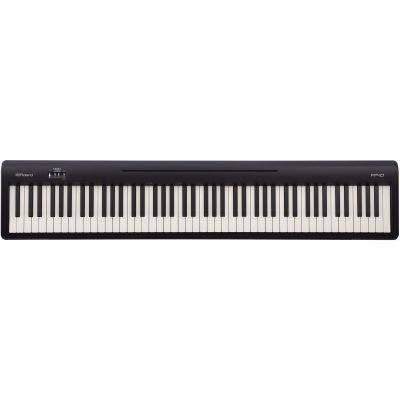
These examples deliberately range from a light accompaniment keyboard to semi-weighted studio controllers, synthesizers and fully weighted piano-oriented instruments.
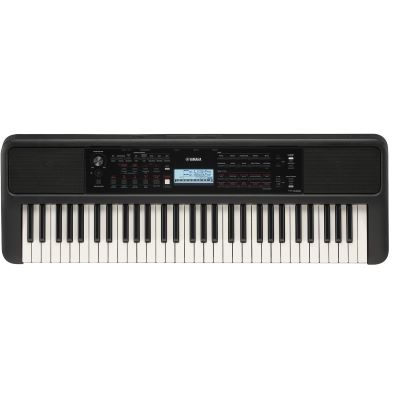
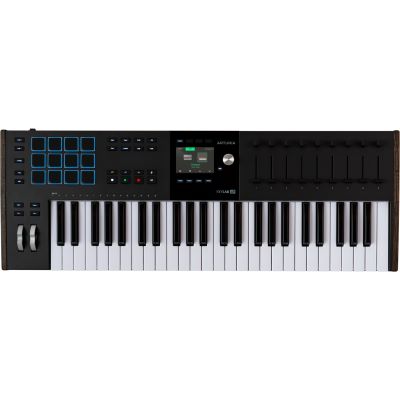
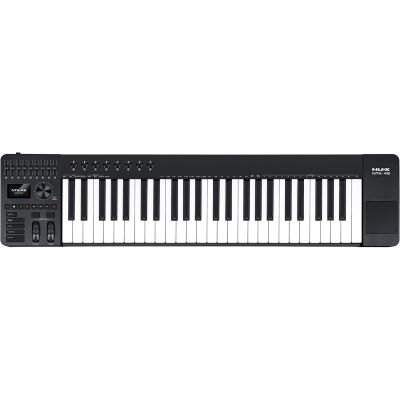
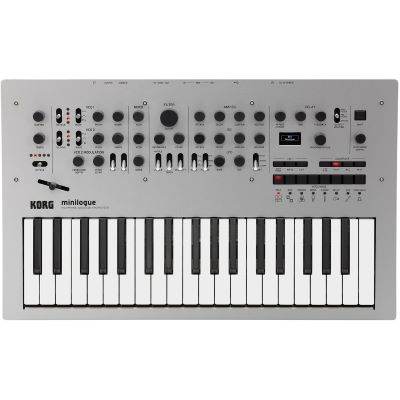
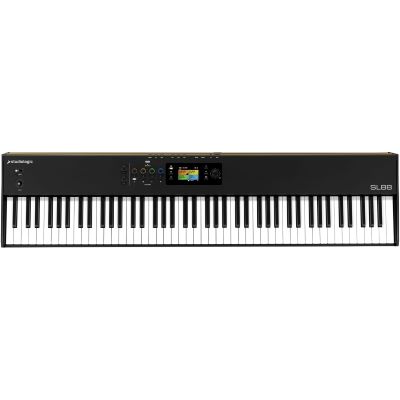
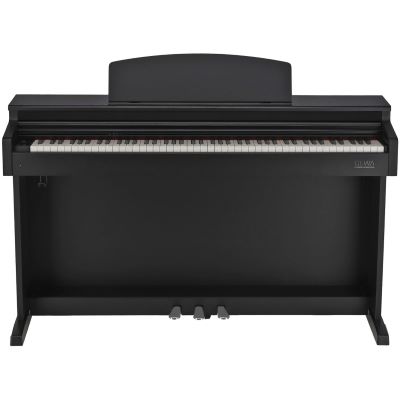
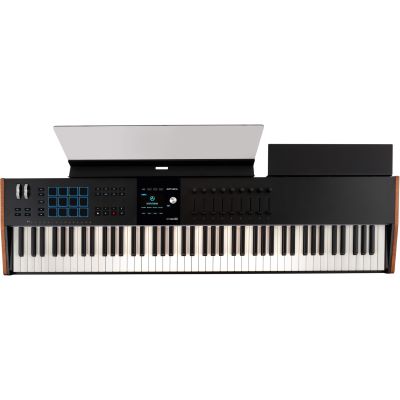
The groups provide a practical shortlist. Always check the exact keyboard-action description of the individual model in its technical specifications, because manufacturer implementations can differ.
Dynamic control and piano-oriented playing feel receive top priority. A weighted 88-key hammer mechanism is therefore the natural starting point.
A versatile middle ground can be particularly useful if piano, organ and synthesizer sounds all appear within the same live set.
Light keyboards respond quickly and help keep the instrument compact. They are often ideal for bass, leads, arpeggios and sound design.
Both approaches can make sense. For string and brass libraries, faders, expression controls and aftertouch can additionally be important alongside the keyboard itself.






Play the same three tasks: a quiet piano passage, a fast synthesizer lead and several repeated chords. This will quickly show whether you prefer more resistance and piano control or a fast and flexible keyboard. For an all-round instrument, the middle ground can be the most sensible solution.
Learn about key count, sounds, auto accompaniment and different keyboard types in one complete overview.
Compare weighted 88-key instruments for piano playing, lessons and a permanent practice position.
Discover controller concepts ranging from light mini-key keyboards to large hammer-action master keyboards.
Compare semi-weighted 49- and 61-key versions with the weighted 88-key version inside the same controller family.
A weighted keyboard is particularly useful when piano and classical playing technique are the main focus. Hammer-action mechanisms provide more resistance and are designed to behave more like an acoustic piano. A light keyboard or synth action, by contrast, is faster, requires less force and works particularly well for synthesizers, organ, accompaniment keyboards and electronic music.
Semi-weighted keyboards combine elements of both approaches and are therefore popular on MIDI controllers and versatile studio keyboards. Regardless of the action, evaluate velocity sensitivity, aftertouch and key count separately. The best keyboard is not the heaviest one, but the one on which your most important sounds and playing techniques can be performed with control, comfort and musical expression.
From musical instruments and home-studio equipment to DJ and event technology, find more step-by-step buying guidance in the central Musikhaus Korn guide.