Musikhaus Keks
Welcome!
Our cookies offer you a fast, relaxed and full-featured shopping experience. Some are necessary to operate the website and its functions. Others help us to improve our services. If you agree to this, simply consent to the use of cookies for preferences, statistics and marketing by clicking on "OK". Alternatively, you can deactivate individual cookies under "Customise cookies" or all cookies, except those required for the function of our website, under "Reject all".
Musikhaus Korn Buying Guide

Column PA or Classic Speakers?

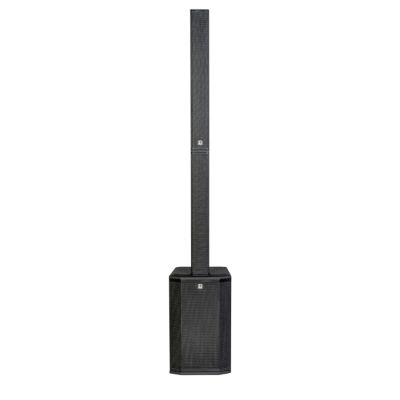
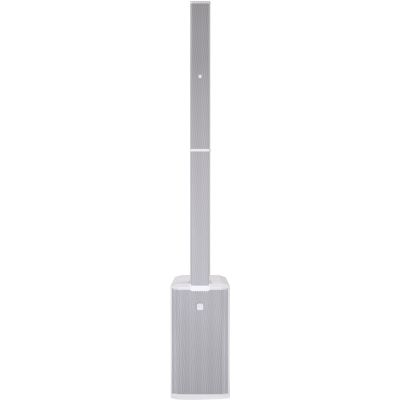
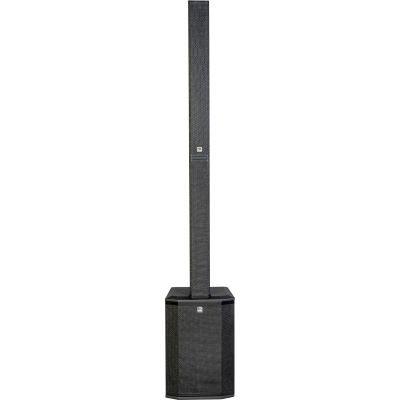
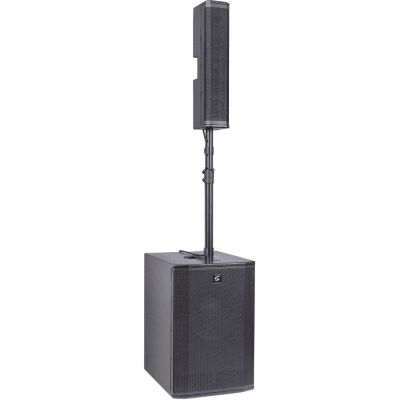
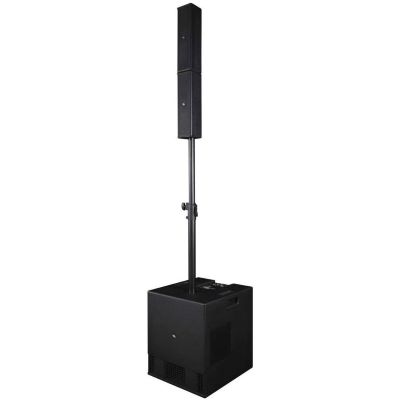
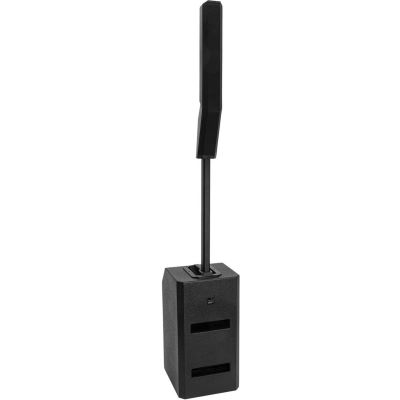
A column PA combines a subwoofer base and slim speaker column into a system that can be set up quickly. Classic PA speakers, on the other hand, normally work as separate tops on stands or subwoofers and can be combined modularly. Which solution suits you better depends on coverage, required sound level, bass, transport and expandability.

DJ, band, wedding & speech Coverage explained clearly Complete PA systems considered
The quick decision guide

When Does a Column PA Fit and When Does a Classic Top/Sub System Fit?

Neither design is fundamentally better. Column systems focus on simple transport, discreet appearance and often very wide horizontal coverage. Classic loudspeakers provide more freedom when selecting speaker positions, cabinet sizes, subwoofers and later expansions.

Column PA

Choose a Column for Fast Setup and Wide Coverage

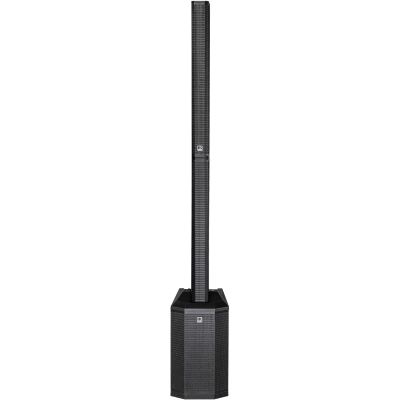
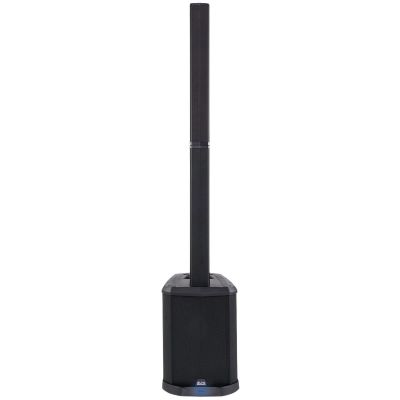
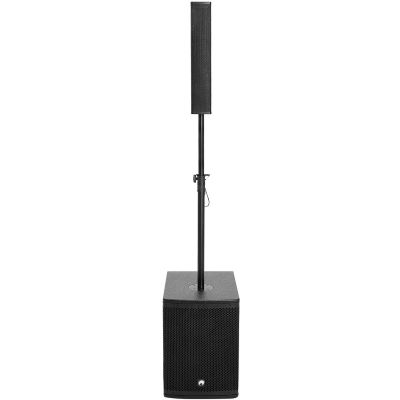
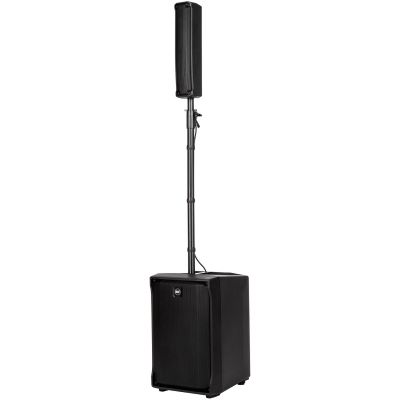
A column PA is particularly practical for mobile DJs, singer-songwriters, solo entertainers, weddings, presentations and smaller bands. Many systems combine the subwoofer, amplification and DSP in one coordinated solution.

  • Few individual components during setup
  • Usually no conventional speaker stands required
  • Slim and unobtrusive appearance
  • Very wide horizontal coverage on many models
  • Integrated bass section and DSP on many systems
Classic PA

Choose Separate Tops for Maximum Expandability

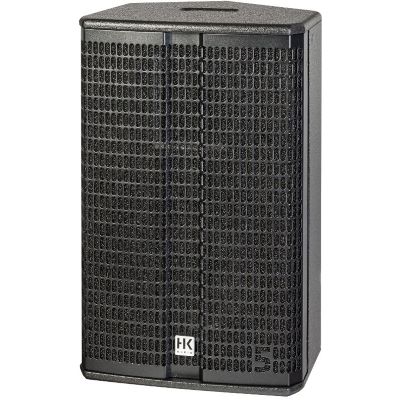
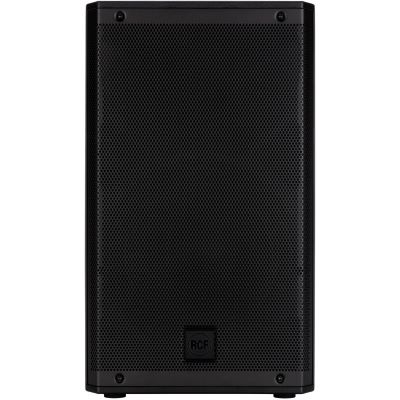
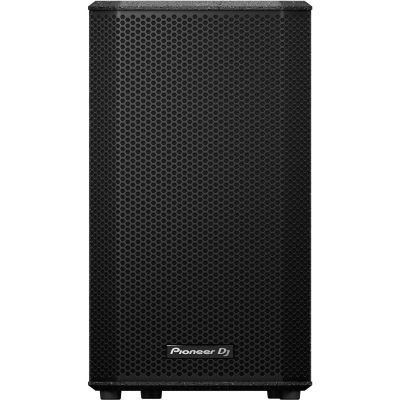
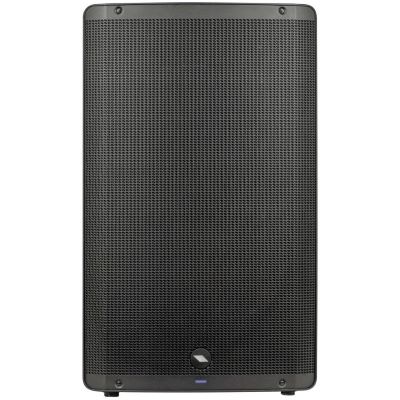
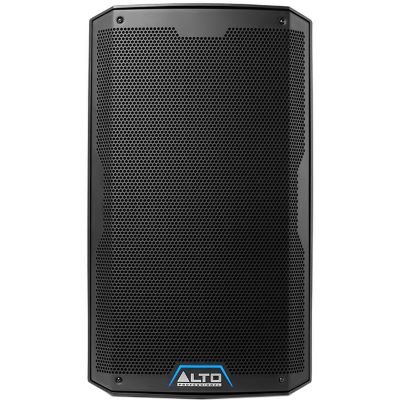
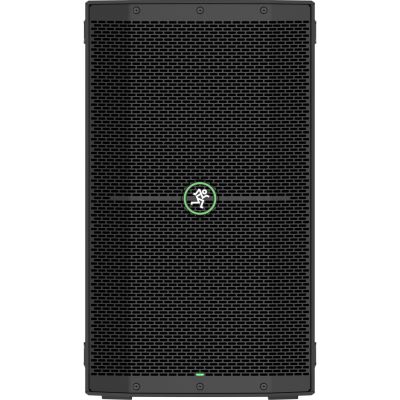
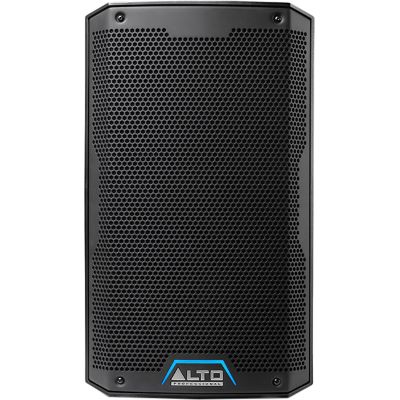
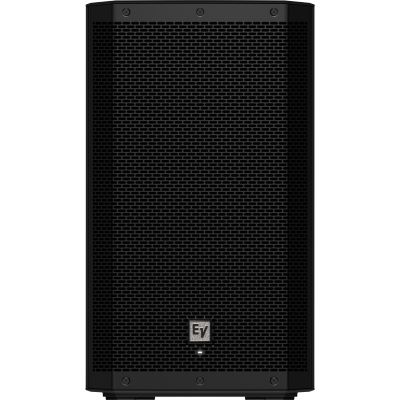
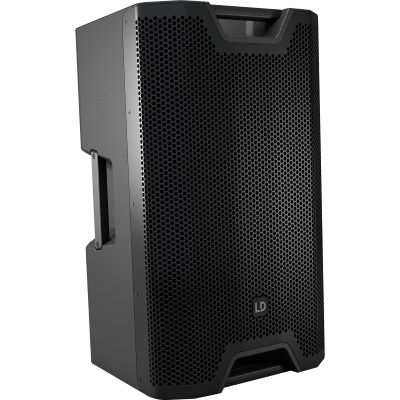
Two classic active speakers provide a flexible basis for DJs, bands, clubs and event technology. You can begin with full-range tops and later add one or more subwoofers.

  • Select tops independently of the bass system
  • Aim speakers at specific audience areas
  • 10, 12 and 15-inch classes are available
  • Easy to expand into 2.1 or 2.2 systems
  • Some models can also be used as stage monitors

Quick recommendation: weddings, speech, acoustic music and frequent changes of location often favour a column PA. For powerful DJ sets, live bands, larger stages and systems that should grow over time, classic tops with separate subwoofers are particularly flexible.

Direct comparison

The Most Important Differences at a Glance

Compare setup, appearance, coverage, bass capability, transport and expandability before deciding on one concept.

Feature Column PA Classic Speakers
Setup Very fast, few components More individual parts may be required
Appearance Slim and discreet Traditional stage appearance
Horizontal Coverage Particularly wide on many models Often more directional
Aiming System height is largely determined by the design Stand height and angle are more flexible
Bass Usually integrated into the system Subwoofers can be selected and scaled independently
High Music Levels Strongly dependent on the specific model Highly scalable with separate tops and subs
Transport Fewer system components More components, but each can be carried separately
Monitoring An additional monitor is often required Multifunction tops can sometimes be used as wedges
Expandability Depends on the specific system Very high
The most important acoustic difference

Why Columns and Classic Tops Distribute Sound Differently

Cabinet shape alone does not determine coverage. What matters is the actual dispersion behaviour of the specific loudspeaker.

Vertical driver arrangement

A Column Often Spreads Sound Very Widely Horizontally

A column uses several smaller drivers positioned above one another. Modern systems combine these drivers with waveguides and DSP. Systems such as the LD Systems MAUI 11 G3 use very wide horizontal coverage combined with substantially more controlled vertical dispersion.

This can help reach a wide audience in hotel halls, at weddings, during presentations or on smaller stages while reducing unnecessary acoustic energy directed towards the ceiling and floor.

Top cabinet with horn

Classic Speakers Can Be Aimed at a Specific Area

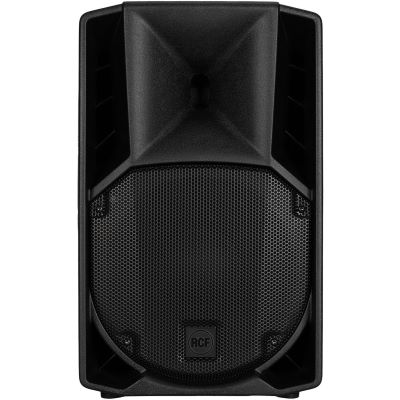
A classic PA top normally combines a larger low/mid-frequency driver with a high-frequency horn. Coverage angles such as 80° × 60° or 90° × 60° are typical examples, although the exact values always depend on the particular model.

This allows the speaker to be directed specifically towards a dance floor or defined audience area. Height, angle and additional loudspeaker positions can be planned to match the event.

Room geometry

Wider Is Not Automatically Better

Extremely wide coverage is useful when listeners are distributed across a wide area close to the system. In a long, narrow room, a more directional classic loudspeaker can be beneficial because less sound energy reaches the side walls.

Vertical control

Room Reflections Can Be Reduced

A column with controlled vertical dispersion can reduce the amount of sound directed towards the ceiling and floor. The actual effect depends on column length, driver arrangement, frequency and system construction.

Data sheet

Always Check the Specific Speaker

“Column” and “classic top” describe designs, not fixed dispersion characteristics. Compare horizontal and vertical coverage angles together with room shape and listener position.

Important: a column PA should not automatically be equated with a professional flown line array. Column systems use different array, line-source, waveguide and DSP concepts. A professional line-array system is a separate sound reinforcement concept.

Choose according to the event

Which System Fits Weddings, DJs, Bands or Speech?

Wedding & gala

Discreet Columns Suit the Atmosphere

The slim design is less visually dominant next to dining tables or the stage. For speech, background music and many dance applications, a capable column system is highly practical.

Mobile DJ

The Music Style Matters

A column can be ideal for moderate events. If you require high sound levels, powerful deep bass and future expandability, two conventional tops with separate subwoofers provide more options.

Live band

Modular Top/Sub Systems Grow More Easily

Drums, bass, keyboards and several vocal channels require dynamic headroom. Classic tops can be combined particularly flexibly with larger subwoofers, monitors and additional loudspeaker positions.

Presentation & speech

Even Intelligibility Is the Priority

For conferences, presentations and wedding ceremonies, deep bass is less important. A column PA can be especially attractive due to wide coverage and uncomplicated setup.

Dance floor, bass & kick drum

When Does a Classic PA with Separate Subwoofers Become Interesting?

Many column systems already include a capable bass section and are therefore genuine complete PA systems. If you play a lot of electronic music, need to cover a larger dance floor or want to reproduce live drums and bass through the PA, freely scalable subwoofers often provide greater flexibility.

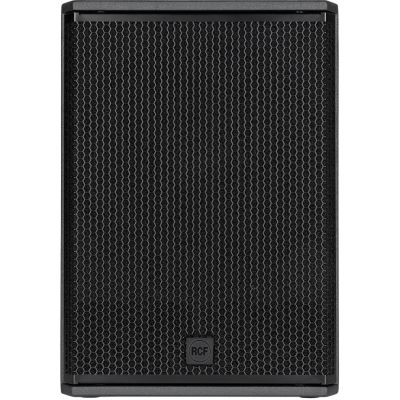
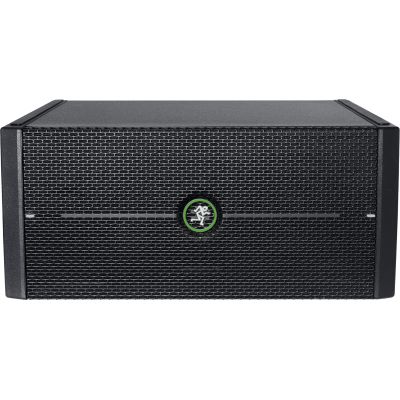
12 Inch

Compact Bass Extension

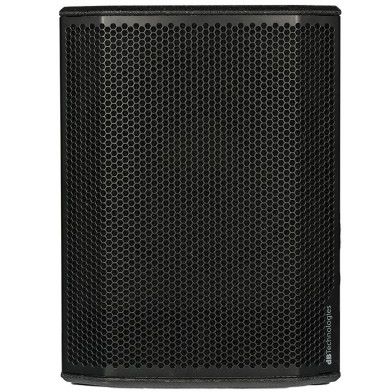
12-inch subwoofers keep smaller systems transport-friendly and are useful when additional low-frequency support is required without moving to a large enclosure.

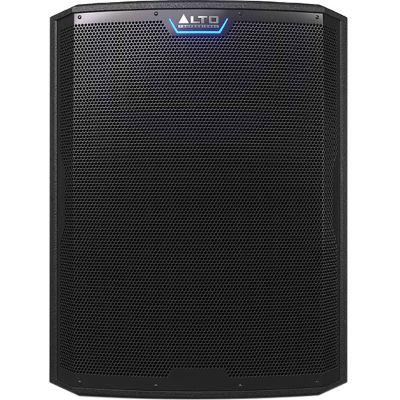
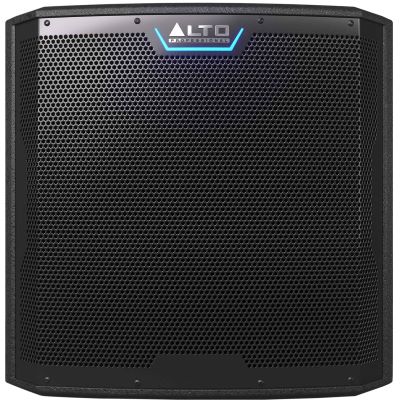
15 Inch

Versatile Middle Ground

15-inch models provide a useful compromise between transport, cabinet size, low-frequency extension and output for many mobile DJ and live applications.

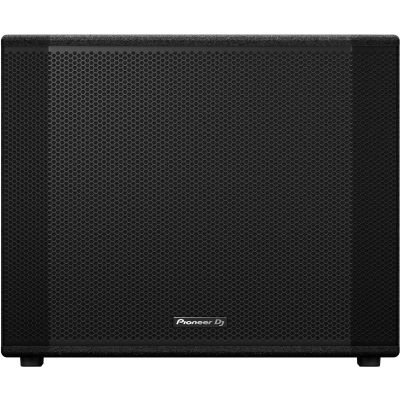
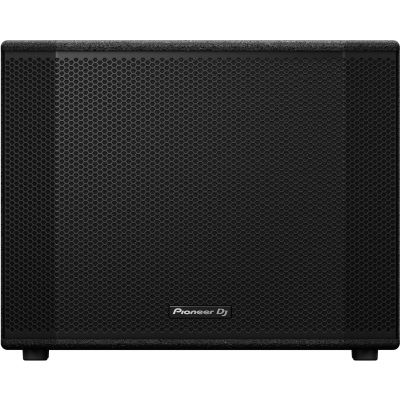
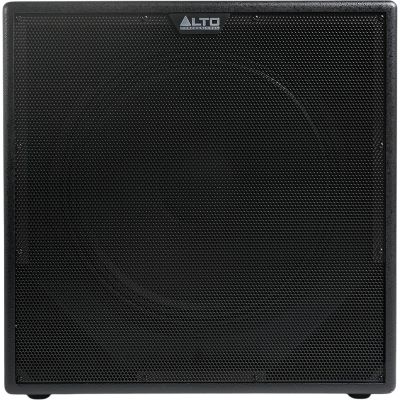
18 Inch

Powerful Deep Bass

18-inch subwoofers are particularly common when strong low bass, electronic music, kick drum and higher music levels are required.

Two subwoofers provide additional headroom and additional placement options. DSP and an appropriate crossover frequency then connect the tops and bass system into one coordinated PA.

Transport & cabling

Which System Is Ready for Use Faster?

A column system has fewer individual components, while a classic system provides more flexibility when positioning and expanding the PA.

Set Up the Column Base

Position the subwoofer base, insert the column elements and connect power and signal. Many systems do not require additional conventional speaker stands.

Position Classic Tops

Mount the tops on speaker stands or distance poles. Their height and direction can then be adapted more precisely to the stage and audience.

Add the Bass System

Separate subwoofers can be added or omitted depending on the application. This is what makes a classic PA particularly modular.

Set the Signal Levels

Switch on the mixer, subwoofers and tops at moderate levels and then gain-stage the complete system carefully. Suitable DSP presets can simplify system adjustment.

Compare transport realistically: a column consists of fewer but sometimes larger system components. A classic 2.2 PA requires more individual pieces, but those pieces can be distributed between several people, cases or transport routes.

28 suitable examples from the shop

Compare Column Systems, Classic Tops and Subwoofers

First choose the basic system concept and then compare output, coverage, connections, weight and expansion possibilities. Product images use the current Musikhaus Korn item numbers.

10 Products

Column PA and Compact Array Systems

Manufacturer worlds

Brands for Column PA and Classic Speaker Systems

Use the manufacturer pages to compare complete product series, subwoofers, active tops, column systems and matching accessories.

Related decision guides

Continue Planning the Speakers as Part of the Complete Setup

Electronic drums

Play E-Drums Through a Monitor or PA

Learn when one monitor is sufficient and when an electronic drum kit should be routed through the complete front PA.

Keyboards

Keyboard Amplifiers & Monitors

Compare keyboard amps, stage monitors and active PA speakers for rehearsals, stage monitoring and audience sound reinforcement.

Complete PA

PA & Sound Reinforcement

Combine mixers, microphones, loudspeakers, subwoofers, monitoring and accessories into one complete signal path.

Frequently asked decision questions

Answers About Column PA and Classic Speakers

Is a column PA better than two normal speakers?

Not fundamentally. A column PA is particularly compact and, depending on the model, can provide very wide coverage. Two classic tops can be aimed more flexibly and are easier to expand with different subwoofers.

Is a column PA suitable for a DJ?

Yes. Mobile DJs in particular benefit from fast setup and a discreet appearance. For very bass-heavy music or large dance floors, check whether the bass reserve and maximum output of the specific column system are sufficient.

Do I need two column systems for stereo?

Two separate systems are required for true stereo reproduction. For speech and many mobile applications, however, one mono system can be entirely appropriate.

Does a column PA automatically produce less feedback?

No. Controlled dispersion can help reduce unwanted acoustic energy, but it does not replace correct microphone positioning, sensible loudspeaker placement and proper gain staging.

Which solution is better for a wedding?

Column PAs are popular for weddings because of their slim appearance, fast assembly and wide coverage. If powerful deep bass will be required for dancing later in the evening, either a suitably capable column system or classic tops with subwoofers can be the better choice.

Which PA is better for a live band?

Column systems work very well for smaller acoustic ensembles. For complete bands with drums, bass and higher sound levels, a classic modular top/sub system generally provides more expansion possibilities.

Do classic PA speakers always need a subwoofer?

No. Good full-range tops can be sufficient for speech, acoustic music and moderate sound levels. A subwoofer expands the system substantially for dance music, kick drum and electric bass.

Which PA system is easier to transport?

Column systems normally require fewer individual components. Classic systems consist of more pieces, but these can be divided into smaller transport units. The actual weight and dimensions of the specific system remain decisive.

Are column PA systems real line arrays?

The terms should not automatically be equated. Column systems use different array, line-source, waveguide and DSP concepts. A professional flown line array is a different system concept.

Which system is better for future expansion?

Classic active tops are particularly modular: subwoofers, additional tops and monitors can be added individually. Some column systems can also be expanded with a second system or additional compatible subwoofers.

Still deciding between both concepts?

Consider the Room, Music Style and Transport Together

Particularly for larger events, it is worth comparing more than individual speaker cabinets. Coverage, subwoofers, mixer, monitoring, cable routes and transport should be planned as one complete system.

The decision summarised

Column PA or Classic Speakers? | Musikhaus Korn

A column PA is particularly strong when fast setup, a small footprint, discreet appearance and wide audience coverage are important. This makes it a very good choice for weddings, speech, singer-songwriters, solo entertainers and many mobile DJ applications. Modern column systems combine several smaller drivers, DSP, amplification and a bass section in one coordinated complete solution.

Classic PA speakers, on the other hand, are an especially flexible basis for modular sound reinforcement. Two active tops can initially be used on their own and later expanded with one or more subwoofers. Different top sizes, dispersion angles, stand heights and bass systems make it easier to adapt the PA to changing stages, larger dance floors or full live bands.

Do not therefore decide on external shape alone. Check the actual maximum sound pressure level, horizontal and vertical dispersion, frequency range, subwoofer concept, connections and transport weight. For a small speech event, one good column can be the most elegant solution. For a DJ or band with growing output and bass requirements, a classic 2.1 or 2.2 system is often the more flexible long-term route.

More buying advice

Put Together the Complete Equipment with Confidence

Find additional decision guides covering musical instruments, studio equipment, DJ technology, PA, lighting and event equipment in the central Musikhaus Korn guide world.