DJ Media Players
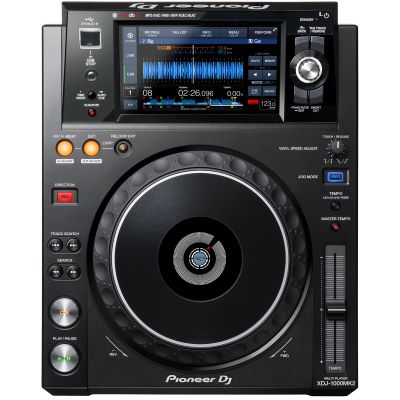
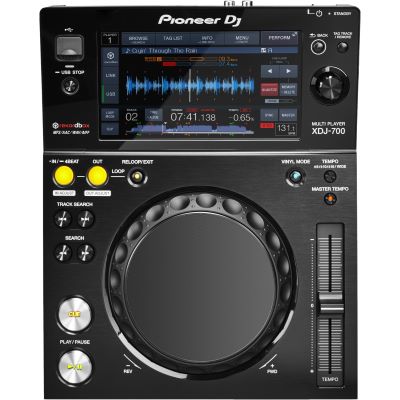
Each player represents one independent deck. Tracks are loaded directly from USB or compatible storage media and, depending on the model, through network, cloud or streaming functions.

A classic club setup consists of independent DJ media players and a separate mixer. This keeps the music source, deck and mixer channel clearly separated and allows individual components to be upgraded or replaced independently. This guide explains when two players are enough, when three or four decks make sense, how USB, network and rekordbox workflows work and which club mixer suits your player, vinyl or hybrid setup.
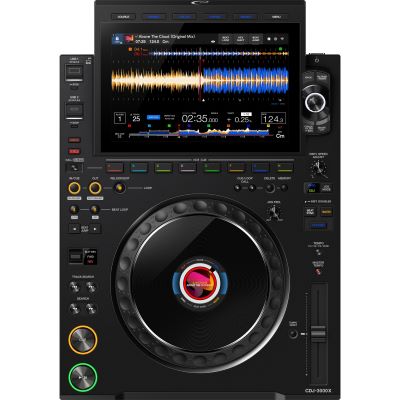
Two independent media players, a suitable DJ mixer and closed-back headphones form the classic foundation. Additional players, turntables and performance hardware can be added later without replacing the complete system.
The basic configuration consists of two media players, one DJ mixer and closed-back headphones. From there, the system can be expanded with additional players, turntables or performance devices.
Each player represents one independent deck. Tracks are loaded directly from USB or compatible storage media and, depending on the model, through network, cloud or streaming functions.
The mixer connects all players. Gain, EQ, filters, effects, channel faders, Cue and Master remain accessible independently of the individual playback devices.
A separate Booth output lets you control the loudspeakers at the DJ workstation independently from the main PA on the dance floor.
Linked compatible players can share library data and music sources. A second fully prepared storage medium remains a sensible backup even in a networked booth.
The advantage of a modular setup: players and mixer perform separate tasks. You can therefore replace the mixer, add a third player or integrate turntables without replacing the entire DJ system.
A media player can play music itself. A laptop therefore does not need to remain the central playback device next to the mixer during a normal USB-based workflow.
A modern player combines track browser, display, jog wheel, pitch fader, Cue, loops and performance functions. Because each device represents one independent deck, operation remains clear even when several tracks are being prepared in parallel.
Large displays make browsing easier and show waveforms, BPM, key and prepared cue points. Your music should still be organised before the set. The better your playlists and track information are prepared, the less time you spend searching during a performance.
A prepared storage medium is an easy way to take your own library to another DJ setup. Depending on the model, modern players add USB-C, network, Wi-Fi, cloud or streaming functions to this familiar workflow.
Clubs, bars, DJ schools, professional practice rooms and ambitious home setups benefit from being able to select decks and mixer independently. This modular structure is the key difference from a compact all-in-one system.
Additional players increase the number of independent music sources. They become useful only when those sources have a concrete musical task in your normal workflow.
Deck A plays while Deck B is prepared. This is enough for beatmatching, phrasing, EQ transitions, Hot Cues, loops and the majority of traditional professional club sets.
A third deck can hold an acapella, loop, additional percussion or the next track while the other two sources are still involved in a transition.
Four independent decks allow several parallel tracks and are useful for DJs who layer intensively, build long transitions or want several different sources permanently available.
More players require more mixer channels: four separate media players only deliver their full advantage when the mixer provides enough independent channels and the routing required by your performance.
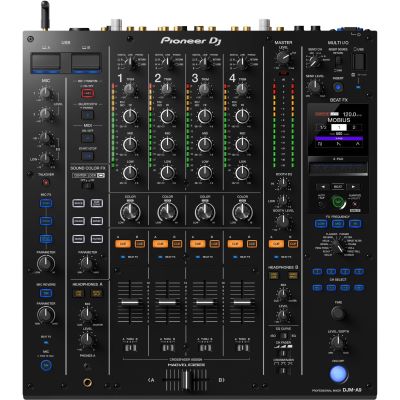
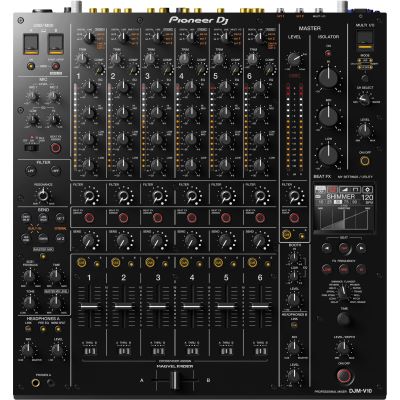
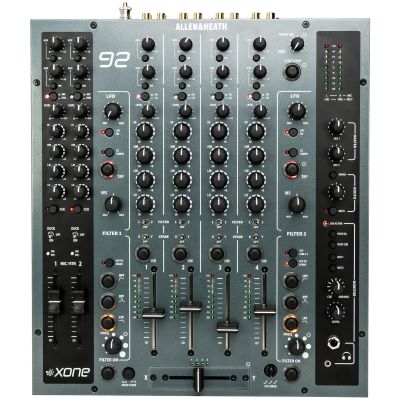
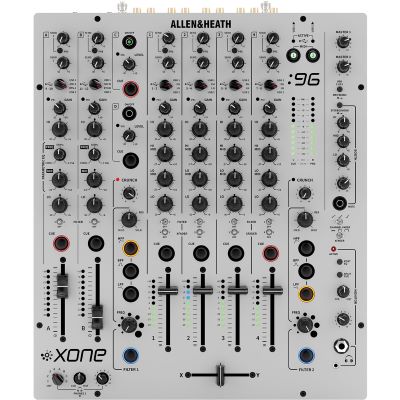
The DJM-A9, DJM-V10, Xone:92 and Xone:96 follow different operating philosophies. The number of connected players is therefore only one part of the buying decision.
Four channel strips are a flexible standard for two to four media players or for combining digital decks and turntables.
A conventional three-band EQ, Sound Color FX and a central Beat FX section create the workflow many DJs know from modern digital club booths.
Four-band EQ and analogue VCF filters enable a different style of tonal shaping and are particularly popular for long electronic transitions.
Additional channels create space for several players, turntables, samplers and external effects without constantly repatching the booth.
Compatible players can be linked through a network. This lets several decks use the same prepared music source and allows compatible track information to be shared across devices.
A backup still matters: one shared USB drive is convenient, but it creates a shared dependency. For an important set, carry a second fully prepared storage medium in your DJ bag.
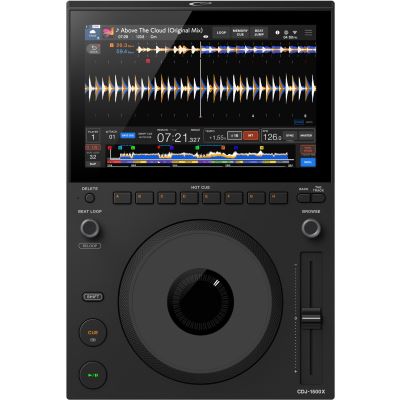
A clean export and library structure saves time in the booth. Do the technical preparation before you arrive at the club, not while another DJ is finishing the previous set.
Check BPM, beatgrid, title information and key. Tracks with unusual structures should not simply be accepted without verification.
In addition to genre folders, use categories such as Warm-up, Peak Time, Closing, Vocal, Instrumental or specific event situations.
Intro, break, drop and a safe mix-out point are often enough. More markers do not automatically make the player display easier to understand.
Do not simply make a last-minute copy. Both media should actually be opened and tested on a compatible player before an important performance.
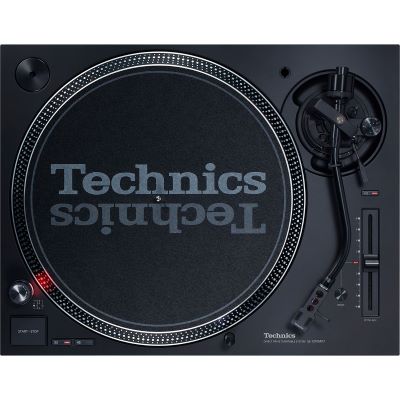
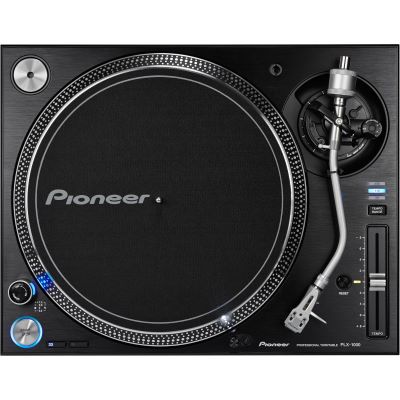
One major advantage of a separate mixer is that different sources can remain connected simultaneously. Two media players can, for example, operate alongside two turntables as a permanent four-source booth.
Suitable Line and Phono inputs allow digital mixing and genuine vinyl playback within the same club booth.
Mixers with suitable USB audio connectivity can additionally integrate timecode and software-based workflows.
Send/Return paths and additional mixer channels create space for performance devices without replacing the main players.
Choose the number of players and mixer channels according to the sources you genuinely want to control at the same time.
| Setup | Decks / Sources | Main Strength | Suitable For |
|---|---|---|---|
| 2 Players + 2-Channel Mixer | 2 | Compact and straightforward | Home, bar, classic mixing |
| 2 Players + 4-Channel Mixer | 2 + reserve | Very flexible expansion path | Club, later hybrid setup |
| 4 Players + Club Mixer | 4 | Maximum deck flexibility | Performance, large booth |
| 2 Players + 2 Turntables | 4 sources | Digital and vinyl together | Hybrid and club DJs |
| All-in-One System | 2–4 | Fewer separate devices | Home, mobile, compact booth |
Independent digital decks for USB, network and modern library workflows.
Four- and multi-channel mixers for professional DJ booths.
Coordinated combinations of players and mixers.
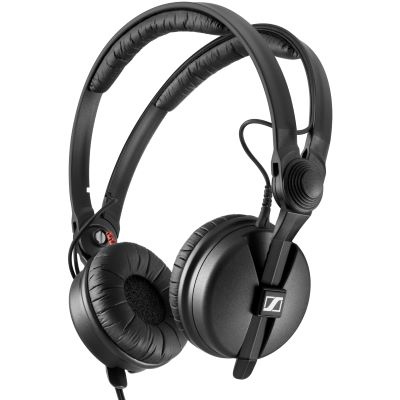
Cueing and beatmatching in loud DJ booths.
Vinyl and DVS expansion for modular club mixers.
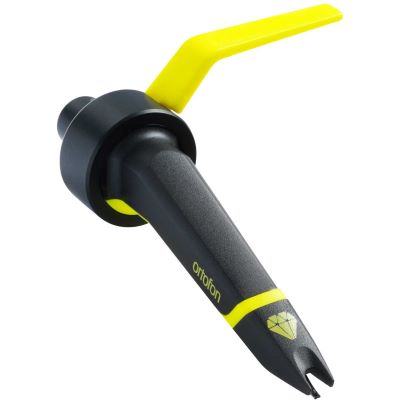
Cartridge systems for club vinyl, mixing and DVS.
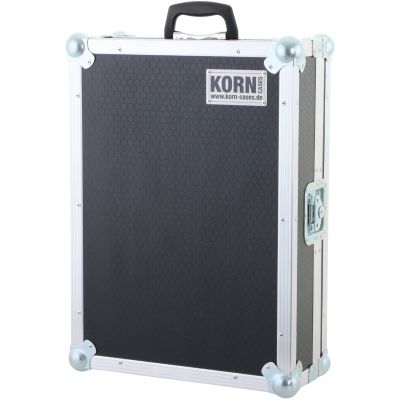
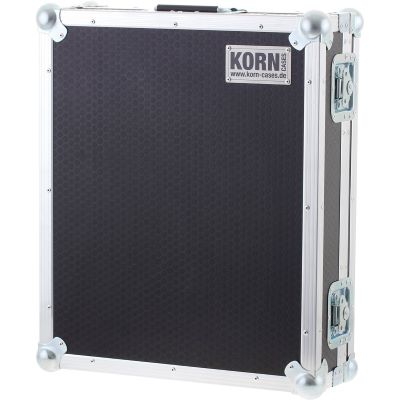
Protect players and mixers during transport.
Work surfaces for modular player-and-mixer systems.
Compare display size, media workflow, network functions, jog-wheel layout and available performance functions according to the booth you want to build.
Mixer choice determines the EQ concept, effects, channel count, USB integration and available routing paths.
Suitable Line and Phono inputs make it possible to combine independent media players with traditional vinyl and DVS inside one modular booth.
Your own headphones remain your personal monitoring tool, while fitted cases protect players and mixers when equipment is transported between venues or installations.







Additional decks become worthwhile only when they have a concrete musical task in your own workflow.
EQ, filters, effects, USB, Send/Return and Booth routing differ considerably between club mixers.
A second tested library is an easy way to protect yourself against problems with one individual storage medium.
Media players belong on Line or suitable digital inputs. Traditional cartridges require a Phono input or appropriate phono preamplification.
Booth monitoring is there to support timing. It does not need to duplicate the dance-floor volume inside the DJ area.
Several media players and a large mixer require suitable cases, cable management and sufficient working and transport space.
Two independent media players, a suitable DJ mixer, headphones and a connection to the Booth or main sound system. Networking and additional players are optional expansions.
Yes. Two decks are completely sufficient for classic transitions. A third or fourth player becomes particularly useful for additional layers, loops and more complex performances.
Compatible devices can share music sources and various track information within the network. This reduces media changes and makes larger multi-player setups easier to operate.
That depends on your workflow. The DJM-A9 provides integrated effect sections and a digital club-oriented workflow. The Xone:92 MK2 focuses more strongly on analogue signal flow, four-band EQ and VCF filters.
When several players, turntables, software paths or external performance devices need to be connected simultaneously and the additional mixer channels or routing paths will actually be used.
Yes. A mixer with suitable Line and Phono inputs can keep digital players and turntables permanently connected in the same hybrid setup.
Often, yes. Separate media players provide maximum modularity, independent decks and a system that can be expanded selectively with other mixers, turntables or additional players.
Practise library browsing, Cue, pitch, EQ, level control and track changes directly on hardware whenever possible. It is also useful to become familiar with different mixer layouts.
For a classic club setup, two media players and a four-channel mixer provide a particularly flexible foundation. Two decks are sufficient for professional transitions while unused mixer channels remain available later for additional players, turntables or performance hardware.
Choose the player according to display, media workflow, network, jog wheel and the performance functions you actually use. With the mixer, pay attention to channel count, EQ concept, filters, effects, Booth output, USB integration and routing. This creates a booth whose components work together logically instead of becoming a random collection of devices.
From media players, DJ controllers and vinyl setups to recording, event technology and musical instruments, the central Musikhaus Korn guide contains further comparisons, decision-making aids and complete project paths.