
Musikhaus Korn Guide
Drums & Percussion Guide | Musikhaus Korn
Acoustic drums, electronic drums, cajón or group percussion: find the instrument that suits your practice space, body size and musical goals. The specialist guides explain drum sizes, cymbals, heads, drumsticks, quiet practice, tuning, monitoring and recording step by step.
For beginners and advanced players
Acoustic drums, e-drums and percussion
Selection, setup, tuning and recording
Direct Access
13
Specialist Guides
2
Core Drum-Set Systems
16–22″
Common Bass Drum Sizes
32
Selected Product Examples
- Music Store Guide
- Drums for Beginners
- Acoustic or Electronic Drums?
- E-Drums for Apartments
- Tuning Drums
- Recording Drums
Go Directly to the Right Answer
Which Drums or Percussion Topic Would You Like to Explore?
Choose a guide that matches your experience, practice location or existing setup. Each card opens a detailed topic page with explanations and suitable product recommendations.
Drums for Beginners
Understand the basic equipment, setup and first purchasing criteria for an acoustic or electronic drum set.
Acoustic Drums or E-Drums?
Compare playing feel, volume, required space, sound selection and recording functions.
E-Drums for Apartments
Reduce pad noise, pedal noise and structure-borne sound with a carefully planned apartment setup.
Understanding Drum Sizes
Assess bass drums, toms, snares and the required floor space according to the player and room.
Drum Sets for Children
Check seat height, reach and pedal position so that every component can be played safely and comfortably.
Choosing Cymbals
Combine hi-hat, crash, ride and effects cymbals to create a musically coherent cymbal setup.
Comparing Drumheads
Distinguish between head plies, coatings and damping according to the required sound and durability.
Choosing the Right Drumsticks
Match stick thickness, material, balance and tip shape to your hands and preferred playing style.
Cajón for Beginners
Assess seat height, bass response, playing surface and snare system before choosing your first cajón.
Percussion for Schools & Groups
Put together instruments and complementary sound roles for classes, workshops and ensembles.
Tuning Drums
Tune batter and resonant heads evenly and understand pitch, sustain, response and damping.
E-Drums Through Headphones, Monitor or PA
Connect the correct outputs, cables and playback systems for practice, rehearsal and stage use.
Recording Drums
Plan microphones, audio interfaces, overheads and a practical multitrack recording workflow.
The Fundamental System Decision
Acoustic Drums, E-Drums or Compact Percussion?
Begin with the actual place where the instrument will be used. An acoustic set shows its strengths in the rehearsal room, on stage and in the studio. An e-drum kit makes headphone practice and computer integration easier. Cajóns and smaller percussion instruments are mobile and require little space.
- Acoustic drums provide natural dynamics and the direct response of real shells, heads and cymbals.
- E-drums provide several kits, a metronome and frequently USB or MIDI connections.
- Cajóns and hand percussion work without a complete drum rack.
- Always include the throne, pedals, cymbals, headphones and cables in the overall plan.
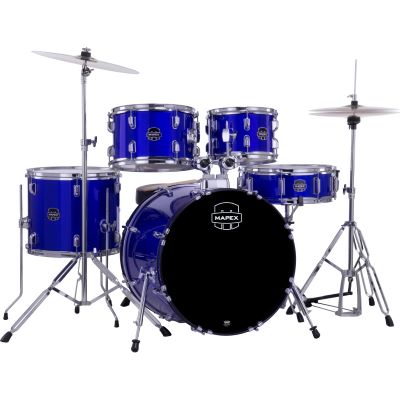
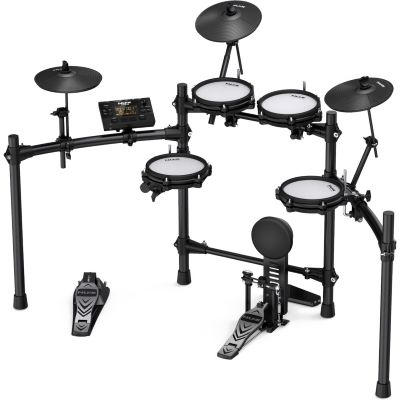
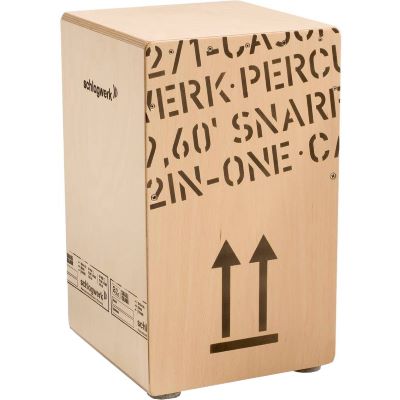
Compare Acoustic Drums and E-Drums by Playing Feel, Volume, Sound, Recording and Application
On small displays, the comparison table can be scrolled horizontally.
| Criterion | Acoustic Drums | Electronic Drums |
|---|---|---|
| Playing Feel | Direct response from real heads and cymbals | Depends on pads, mesh heads and cymbal pads |
| Volume | Acoustically loud and only partly reducible | Electronically adjustable, but mechanically audible |
| Sound Selection | Defined by shells, heads, cymbals, tuning and room | Several kits and editable sounds in the module |
| Recording | Requires microphones, a suitable room and inputs | Depending on the module, directly usable as audio or MIDI |
| Typical Application | Band, stage, teaching and studio | Apartment, quiet practice and music production |
Shell Dimensions & Ergonomics
Choose Drum Sizes to Suit the Player and the Room
The bass drum influences the sound, required floor space and possible tom position. Particularly for children and smaller players, a low and easily reachable setup is more important than the largest possible number of drums.
- 16-inch and 18-inch bass drums allow a particularly low setup.
- 20-inch bass drums combine compact dimensions with a versatile sound.
- 22-inch bass drums provide a powerful foundation for rock and pop.
- Both feet must rest securely on the bass-drum and hi-hat pedals.
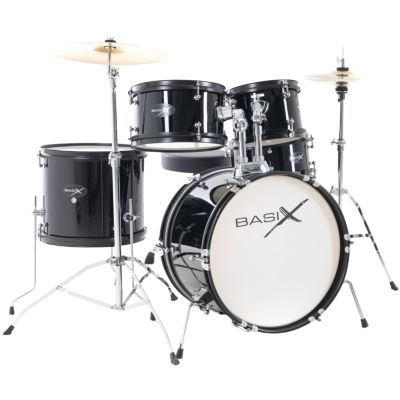
Typical Bass Drum Sizes and Suitable Applications
| Bass Drum Size | Character | Typical Application |
|---|---|---|
| 16 Inches | Very compact with a low setup height | Junior sets, small rooms and mobile applications |
| 18 Inches | Fast response with a controlled foundation | Jazz, children, acoustic music and compact sets |
| 20 Inches | Balanced combination of footprint and power | Pop, teaching, fusion and versatile setups |
| 22 Inches | Full foundation and widely used standard format | Rock, pop, rehearsal rooms and larger bands |
Shape the Sound and Playing Feel
Compare Cymbals, Drumheads and Drumsticks Deliberately
These three product groups have a particularly strong influence on response, dynamics and sound. Your music style, striking strength and preferred amount of control are decisive.
Build a Musically Coherent Cymbal Set
Thinner cymbals respond more easily. Heavier models provide more volume but require greater playing energy.
Choose Head Construction by Sound Goal
Single-ply heads generally sound more open. Double-ply and damped heads provide greater control and durability.
Match Stick Size and Tip Shape
5A is versatile, 7A is lighter and 5B is more powerful. Wood and nylon tips also change the cymbal sound.
Even Head Tension
Tune the Drum Set in a Controlled and Repeatable Way
A good basic tuning does not come from applying the highest possible tension. It comes from working evenly. Small turns, opposite tension rods and comparisons of the tones near the edge lead reliably towards the required sound.
- Centre the head and hoop cleanly.
- Turn each tension rod only in small steps.
- Work around the drum using opposite tension rods.
- Assess the batter and resonant heads together.
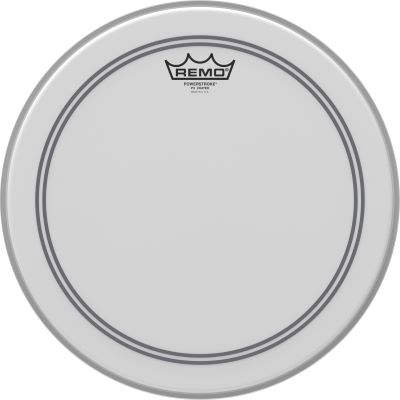
Centre the Head and Hoop
Position the head cleanly on the bearing edge. Align the hoop and initially tighten every tension rod only with your fingers.
Tighten Opposite Rods
Always work in a crossing pattern. Turn every tension rod by small and approximately equal amounts with the drum key.
Compare the Edge Tones
Tap lightly near every rod. Carefully match higher or lower positions to the remaining tones around the edge.
Check the Complete Drum
Assess the batter and resonant heads together. Adjust sustain, pitch and response using only small final corrections.
From the Classroom to the Studio
Use Percussion, Monitor E-Drums and Record Drum Sets
Mobile instruments, suitable speakers and a sensible recording path extend the possibilities of a drum set for teaching, rehearsal, stage work and music production.
Find a Cajón with Clear Sound Separation
Seat height, playing surface, bass and snare response must suit the player’s size and preferred music.
Put Together a Rhythm Group
Drums carry the pulse, shakers create movement and claves or woodblocks provide clearly defined accents.
Use the Correct E-Drum Output
Connect headphones to PHONES outputs and active speakers or mixing consoles to line or main outputs.
Match the Microphone Count to the Recording Goal
Bass drum, snare and two overheads provide a versatile starting point for multitrack drum recording.
Go Directly to the Product Range
Drum Sets, Percussion and Accessories by Category
Open the relevant category once the intended application, required size and preferred playing feel have been determined.
Acoustic Drums
Complete sets, shell sets, snare drums and individual drums.
Electronic Drums
Electronic kits, modules, pads, cymbal pads and expansions.
Percussion
Cajóns, hand drums, shakers and melodic percussion instruments.
Cymbals
Hi-hats, crashes, rides, effects cymbals and complete sets.
Drumheads
Batter, resonant, bass-drum, snare-side and mesh heads.
Sticks & Mallets
Drumsticks, brushes, rods and percussion mallets.
Drum Hardware
Stands, pedals, drum thrones, racks, arms and holders.
Cases & Bags for Drums
Protection for shells, cymbals, sticks and drum hardware.
Selected Examples from the Shop
View the Complete Range
32 Products for Drum Sets, Percussion and Recording
The selection includes acoustic and electronic sets, cymbals, heads, sticks, cajóns, group instruments, monitoring equipment and recording accessories.
Acoustic and Junior Drum Sets
Complete and compact drum sets for beginners, teaching and bands.
Fusion Set
Mapex Comet Fusion Indigo Blue
View Product
20 Inches
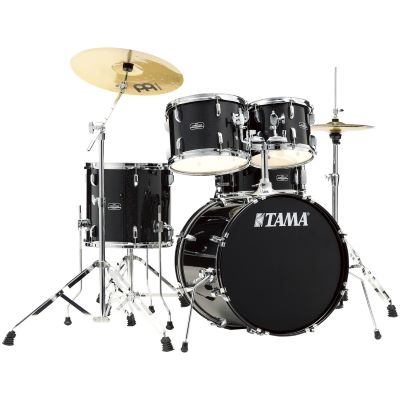
TAMA Stagestar 20″ Black Night Sparkle
View Product
Studio
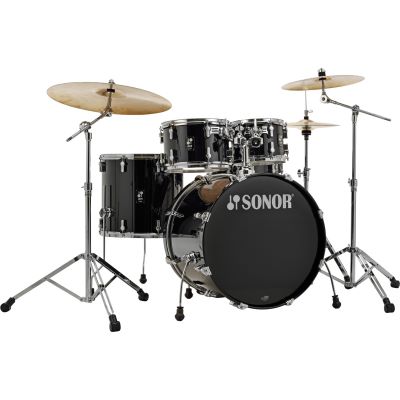
Sonor AQ1 Studio Piano Black
View Product
With Cymbals

Yamaha Rydeen P2F5 Black Glitter
View Product
Junior
PURE GEWA Basix Junior
View Product
16 Inches
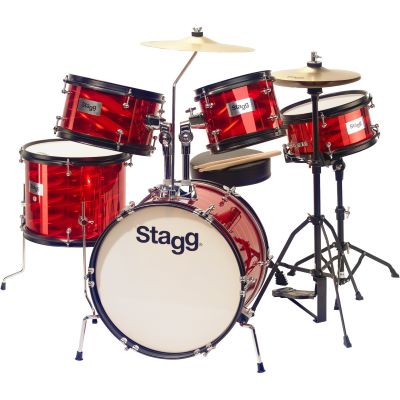
STAGG TIM JR 5/16B Red
View Product
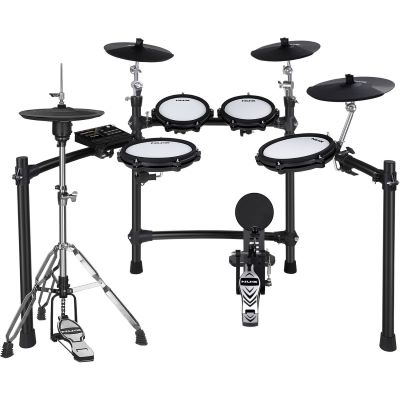
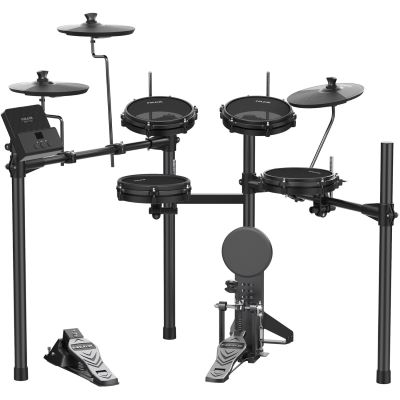
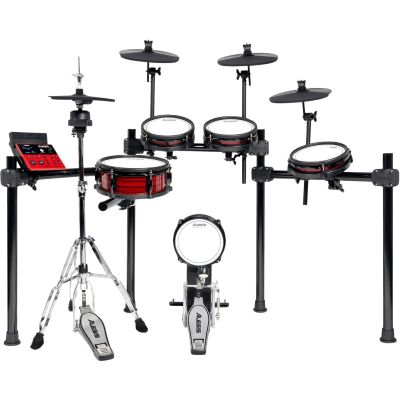
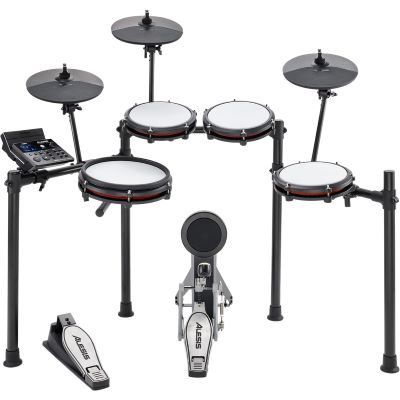
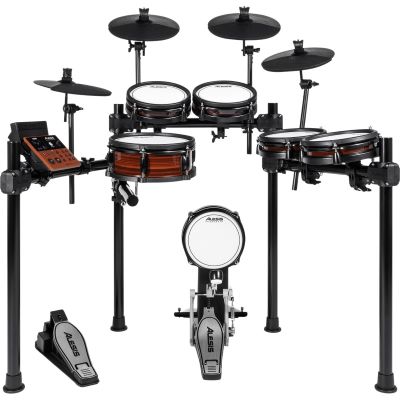
E-Drums for Apartments, Practice and Production
Electronic kits with mesh heads and flexible connection options.
Cymbals, Drumheads and Drumsticks
Sound-shaping components for basic equipment and head replacement.
Cymbal Set
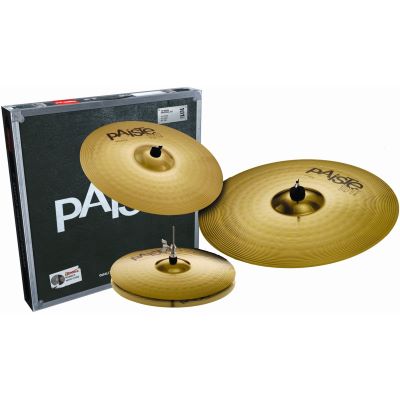
Paiste 101 Cymbal Set
View Product
Quiet Practice
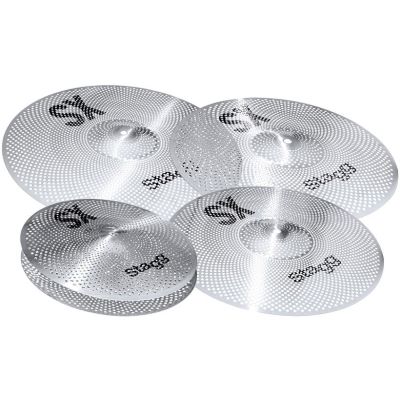
STAGG SXM Silent Cymbal Set
View Product
Matched Set
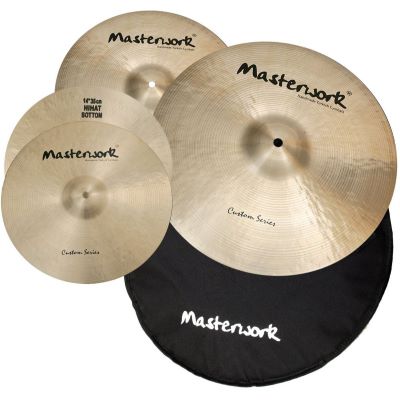
Masterwork Custom Cymbal Set
View Product
14-Inch Head
Remo Powerstroke 3 Coated 14″
View Product
Reinforced
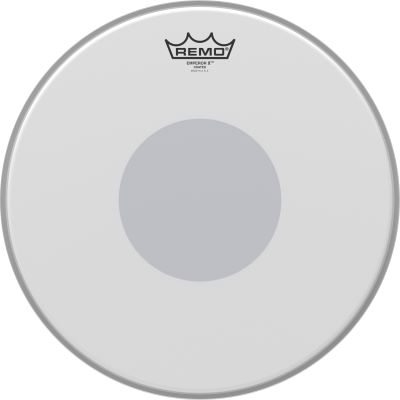
Remo Emperor X Coated Dot 14″
View Product
Overtone Control
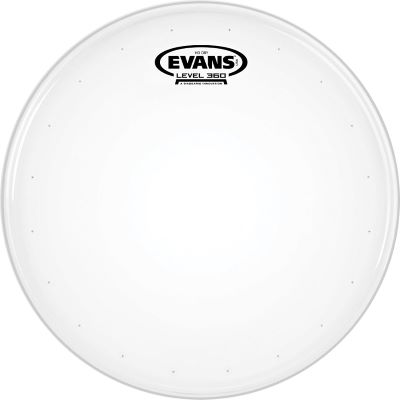
Evans Genera HD Dry Coated 14″
View Product
5A
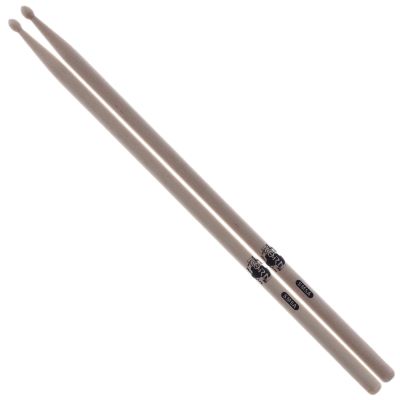
KORN Drumsticks 5A
View Product
Hickory
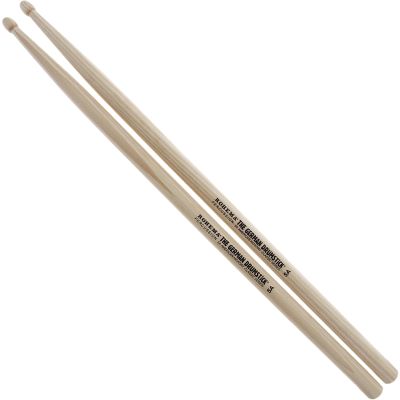
Rohema Classic 5A Hickory
View Product
Nylon Tip
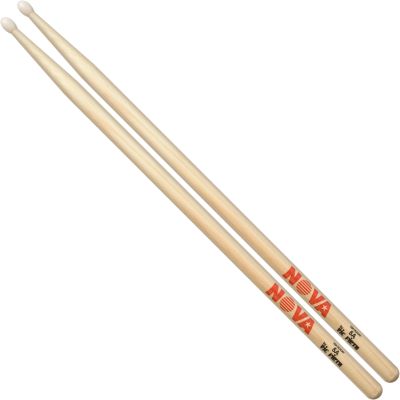
Vic Firth Nova 5A Nylon
View Product
Cajóns and Group Instruments
Mobile percussion for acoustic music, children and teaching.
2inOne
Schlagwerk CP404 Cajón 2inOne Large
View Product
Clear Separation
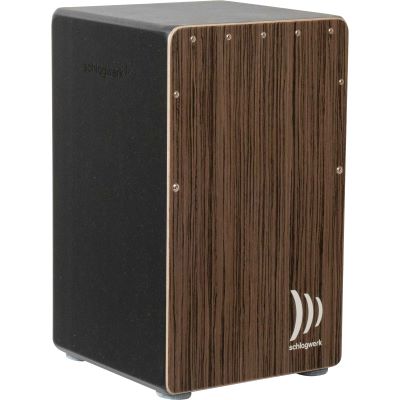
Schlagwerk CP90 Rudiments Vintage Walnut
View Product
For Children
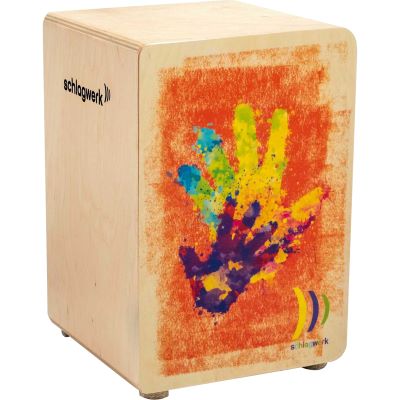
Schlagwerk CP402 High Five Kids
View Product
24 Children
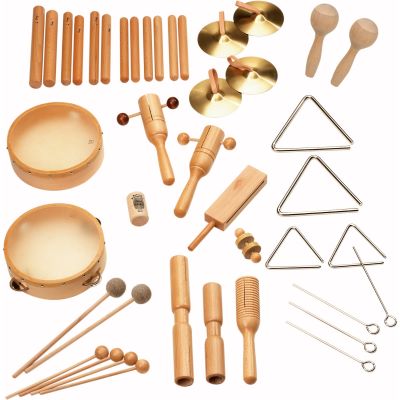
Rohema Rhythm Set I for 24 Children
View Product
School Set
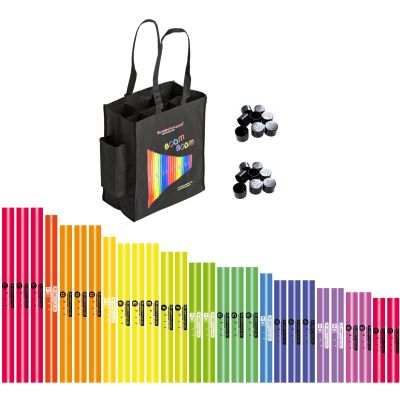
Boomwhackers BW-Set04 Basic School Bag
View Product
Headphones, Monitors and Drum Recording
Playback and recording components for electronic and acoustic drums.
Closed-Back
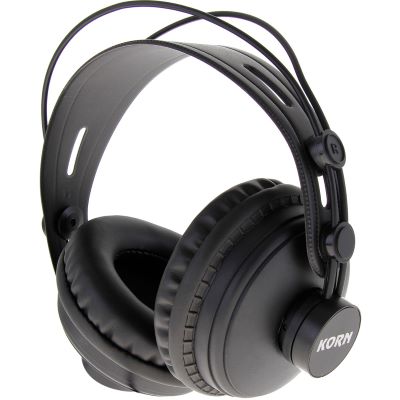
KORN DK-770 Studio Headphones
View Product
E-Drum Monitor
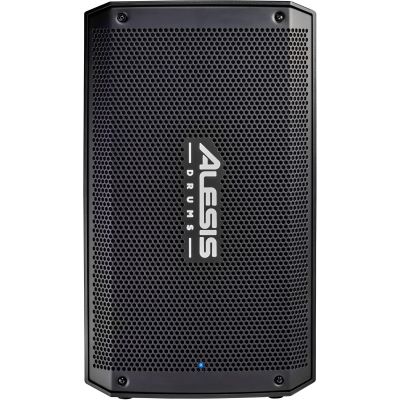
Alesis Strike Amp 8 MK2
View Product
Full Range
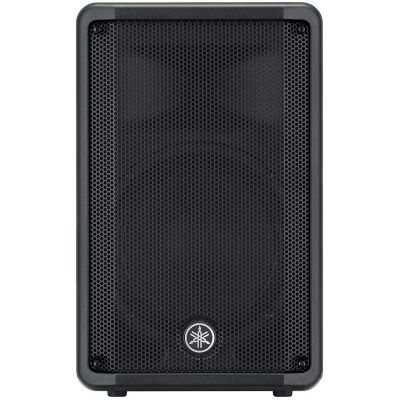
Yamaha DBR10 Active Loudspeaker
View Product
8 Microphones

Eikon DMH8XL Drum Microphone Set
View Product
Stereo Pair
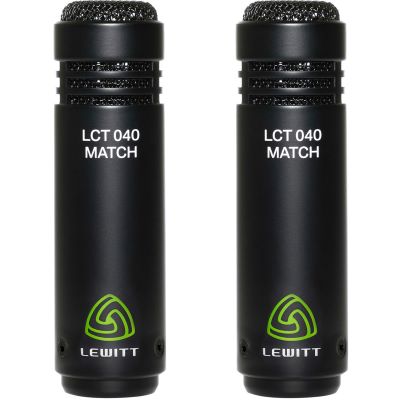
Lewitt LCT 040 MATCH Stereo Pair
View Product
Multitrack
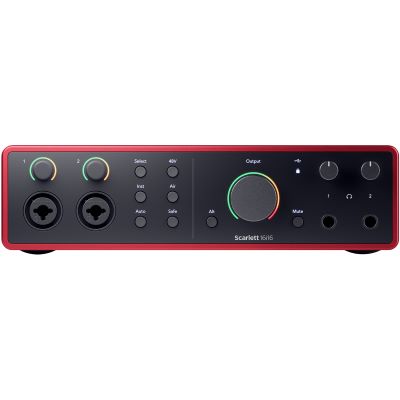
Focusrite Scarlett 16i16 4th Gen
View Product
Manufacturer Worlds
Manufacturers for Drums, E-Drums and Percussion
Discover additional instruments and accessories directly on the internal Musikhaus Korn manufacturer pages.








Expertise from the Music Store
Still Unsure About Set Size, Accessories or Signal Routing?
The Musikhaus Korn team can help you choose a complete drum set, plan suitable expansions and answer questions about repairs, rental equipment or transport.
Frequently Asked Questions
Answers About Drums, E-Drums and Percussion
Which Drum Set Is Suitable for Beginners?
The first set should fit the player ergonomically and be practical for regular use at the intended practice location. Also check whether a throne, sticks, cymbals, pedals or headphones are already included.
View the Complete Basic EquipmentAre Acoustic Drums or E-Drums Better?
Acoustic drums provide natural dynamics and an immediate shell-and-cymbal sound. E-drums offer controlled electronic volume, multiple sounds and straightforward computer integration. The better system depends on the room and intended use.
Compare Both SystemsAre E-Drums Silent in an Apartment?
No. Headphones reduce the electronic sound, but strikes on the pads and movements of the pedals remain mechanically audible. A suitable mat, isolation platform and distance from walls help reduce unnecessary vibration transfer.
Plan the Apartment SetupWhich Drum Size Is Suitable for Children?
Body height, leg length and reach are more important than a fixed age recommendation. Smaller bass drums allow the snare and toms to be positioned lower and make the pedals easier to reach.
Choose a Child-Friendly Drum SetWhich Cymbals Belong in a Basic Setup?
Hi-hat, crash and ride form the classic foundation. A coordinated cymbal set makes getting started easier. Splash, china and other effects cymbals can be added later.
Learn About Cymbal TypesWhich Drumheads and Sticks Are Useful for Beginners?
Single-ply heads usually sound more open, while double-ply models provide greater control. A 5A drumstick is a versatile starting point, but hand size, balance and striking style must also be considered.
How Is an E-Drum Connected to a Monitor or PA?
Active speakers and mixing consoles are connected to the line or main outputs of the drum module. Stereo operation normally requires two cables and two input channels.
View Connections and Signal PathsHow Many Microphones Are Required to Record Drums?
A recorder may be sufficient for a rehearsal recording. A versatile multitrack setup often begins with one bass-drum microphone, one snare microphone and two overheads. The audio interface therefore needs four suitable inputs.
Plan Microphones and Interface Inputs
A Coherent Complete Setup
Choose Drums and Percussion to Suit the Application
A coherent setup is created when the instrument, room and accessories are planned together. Acoustic drums provide natural dynamics, e-drums provide flexible sounds and controlled playback, while cajóns and group instruments offer a mobile introduction to rhythm.
Shell sizes, cymbals, heads and drumsticks shape the playing feel and sound. Stage and recording applications additionally require suitable outputs, headphones, monitors, microphones and audio interfaces. The linked specialist guides lead from the first decision to a complete and compatible system.
Further Topic Worlds
Discover the Complete Musikhaus Korn Guide
Find further buying guides for musical instruments, studio and recording equipment, DJ equipment and event technology.