Plan the Complete Teaching Station
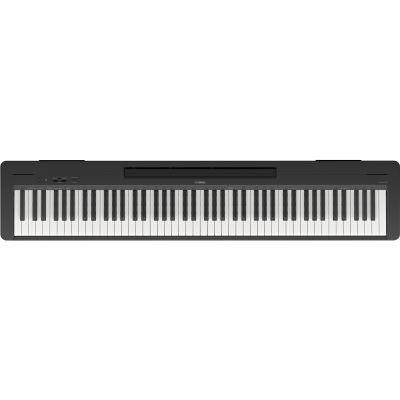
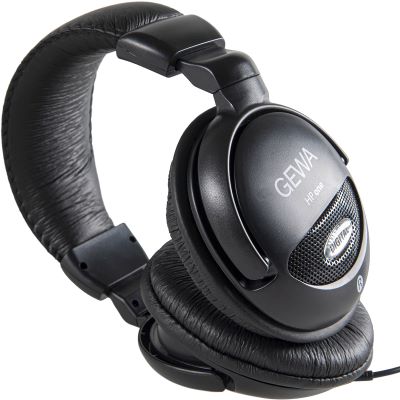
In addition to keyboards, plan suitable stands, seating, headphones, pedals and power supplies. For piano-oriented teaching, 88 weighted keys are usually more relevant than accompaniment functions.

Individual lessons, keyboard classes, band coaching, early music education, ensemble rehearsals and student concerts place very different demands on equipment. Instruments and accessories should be reliable, easy to understand and quick to adjust when several students use the same teaching station one after another. This guide combines instruments, teaching accessories, recording equipment and PA technology into practical music-school setups.
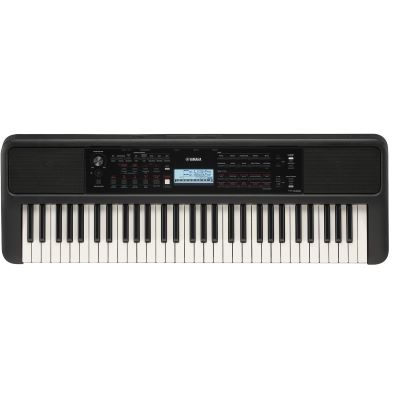
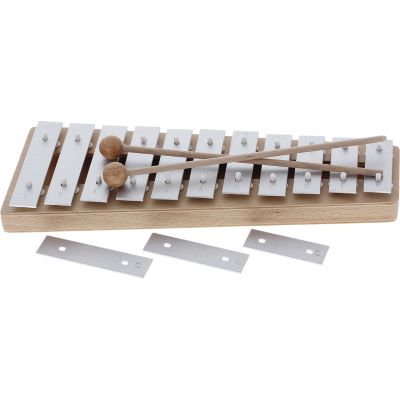
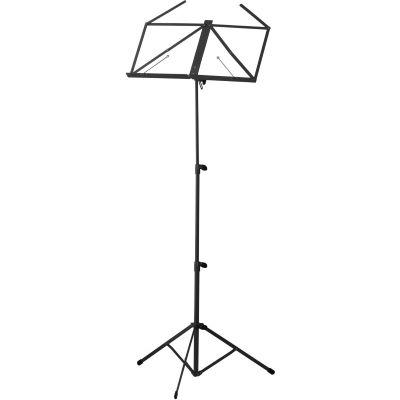
Identical controls, clearly assigned accessories and quickly adjustable stands make shared teaching rooms easier to organise every day.
A well-equipped music school needs more than instruments. Teaching rooms also require music stands, suitable seating, instrument stands, headphones, cables, amplification and practical transport and storage solutions.
Depending on the teaching concept, recording and presentation technology may also be useful. A small recording workstation can be used for student productions and playbacks, while a compact mobile PA can serve band rehearsals, workshops and student concerts.
Shared equipment is used differently from privately owned instruments. Several people may use the same keyboard, microphone stand or drum set within a single day. Easy operation, robust mechanisms and heights that can be changed quickly are therefore particularly valuable in teaching environments.
In addition to keyboards, plan suitable stands, seating, headphones, pedals and power supplies. For piano-oriented teaching, 88 weighted keys are usually more relevant than accompaniment functions.
Identical instruments can simplify introductions, group explanations, replacement parts and substitutions. Different models are useful when students deliberately need to learn different constructions, sounds or professional workflows.
Defining standard equipment for each room makes daily teaching easier and reduces the amount of technology that has to be carried from lesson to lesson.
Touch-sensitive instruments, stable height-adjustable stands, suitable seating, headphones and sustain pedals form a useful basic setup. Classical piano teaching particularly benefits from 88 weighted keys.
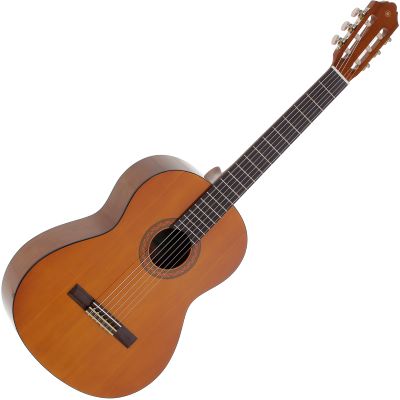
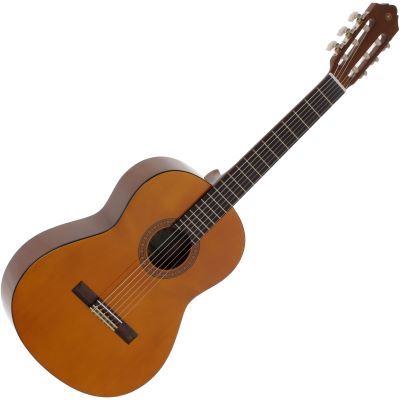
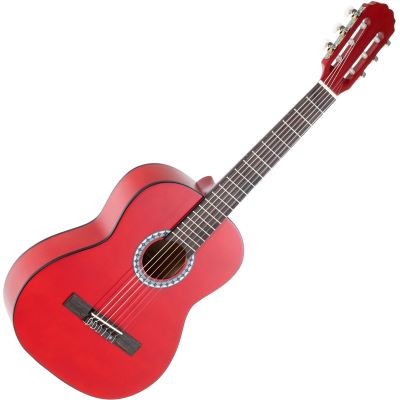
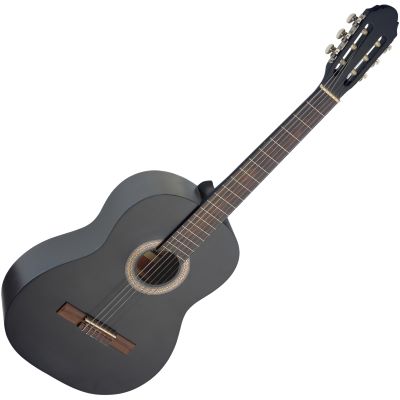
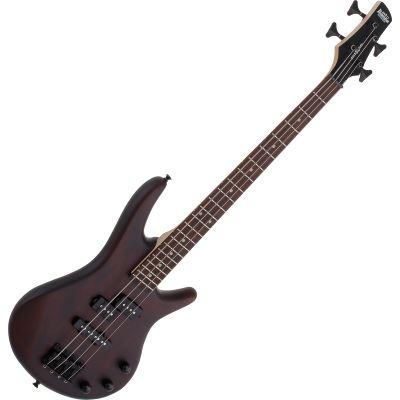
Different guitar sizes, tuners and stable stands make it easier to teach children, teenagers and adults in the same room. Small amplifiers can be shared for electric guitar and bass lessons where appropriate.
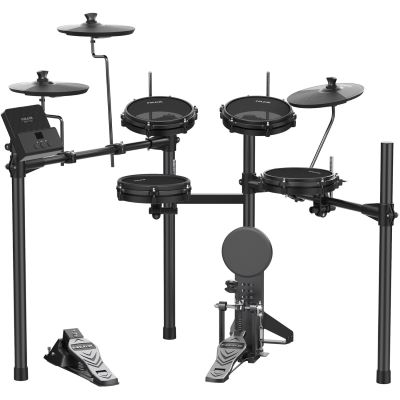
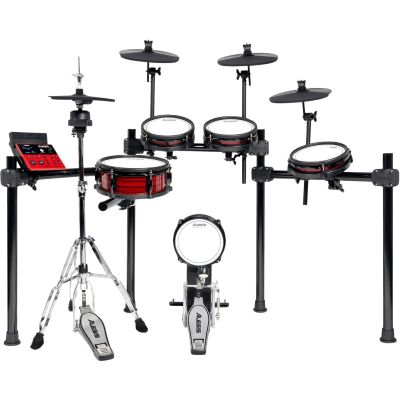
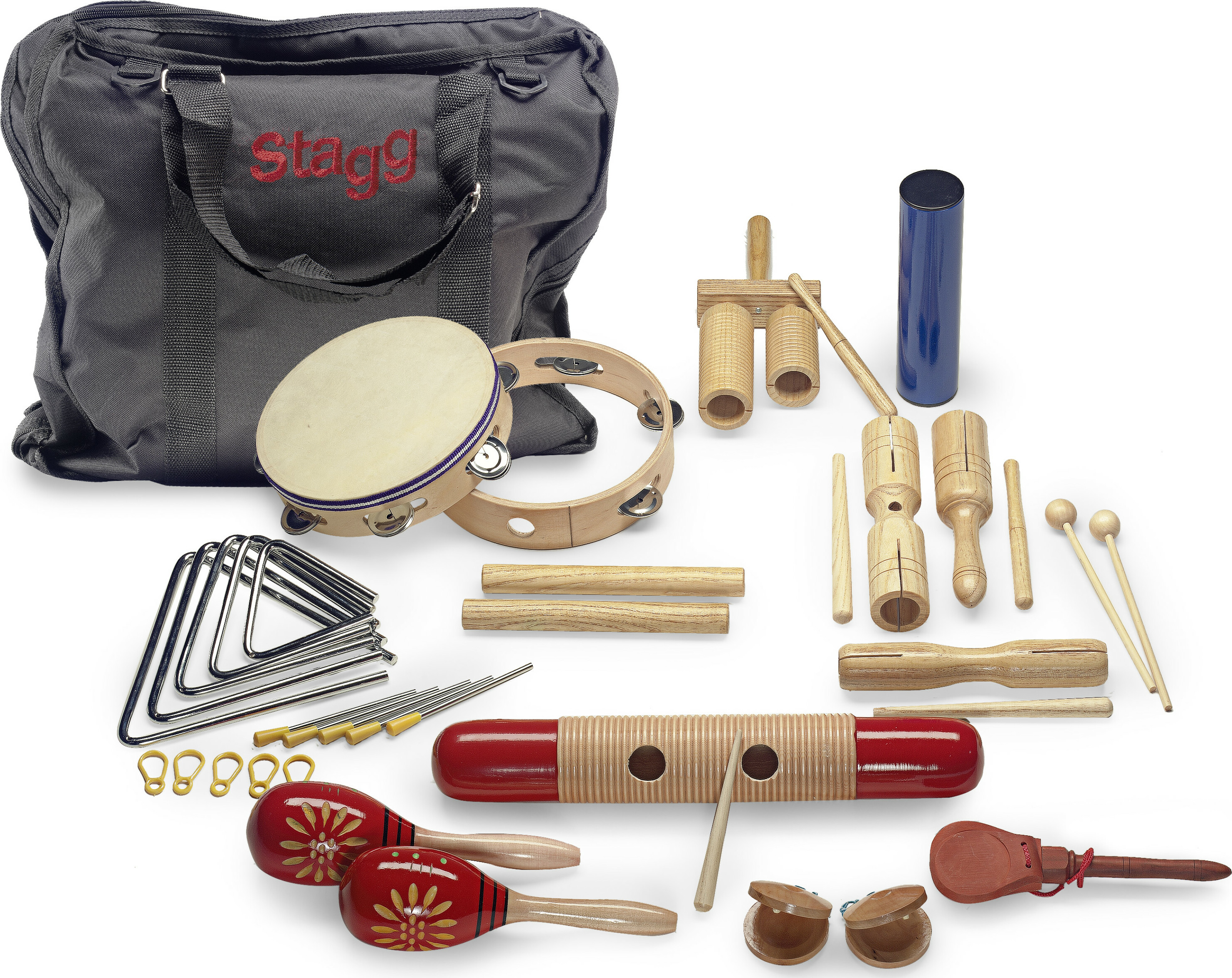
Acoustic drums provide a direct playing experience, while electronic drums support headphone practice. Glockenspiels, shakers, claves, tambourines and other hand percussion are useful for group lessons and early music education.
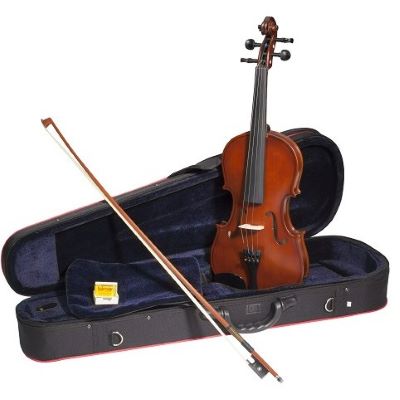
Plan appropriate student sizes as well as bows, mouthpieces, care accessories and robust music stands. Clear assignment of instruments is especially useful when several students share a teaching inventory.
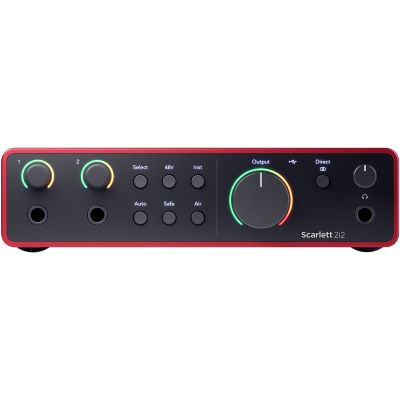
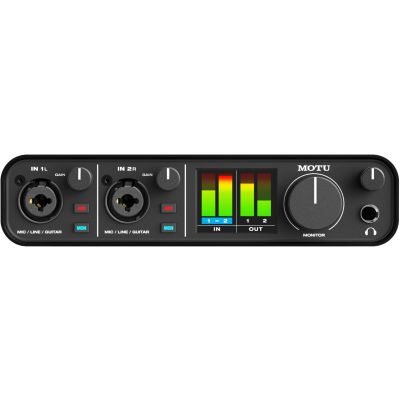
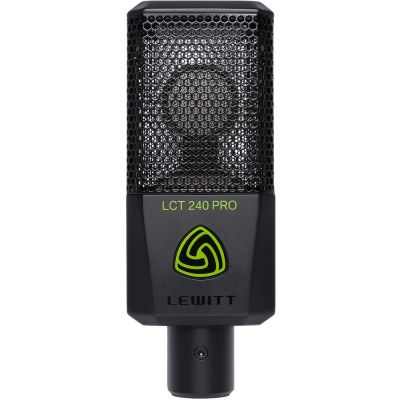
A computer, audio interface, one or more microphones and closed headphones create a practical workstation for recordings, playbacks, songwriting, podcasts and student productions.
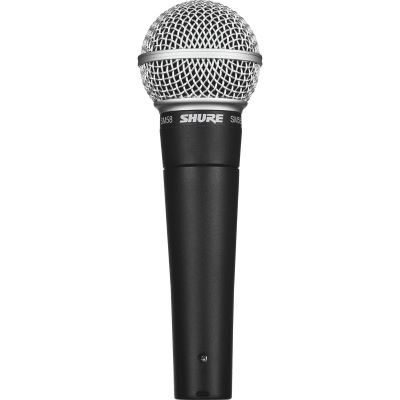
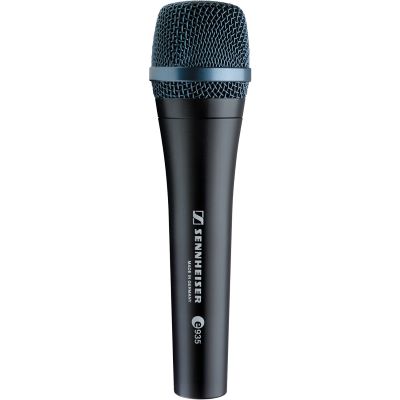
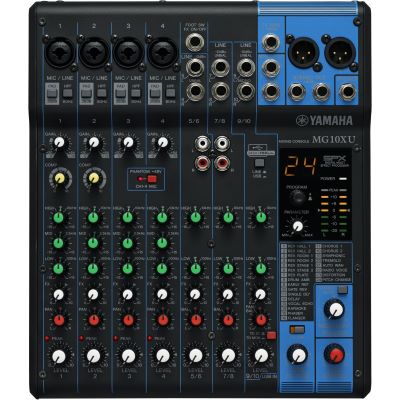
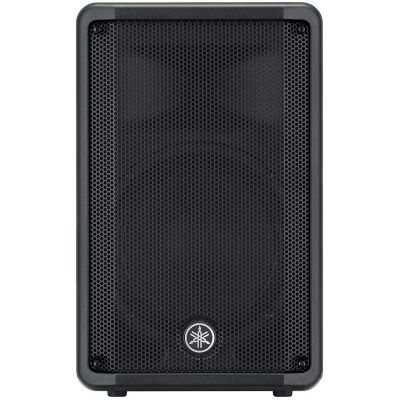
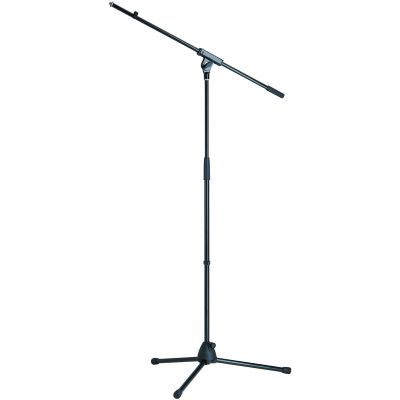
Dynamic microphones, microphone stands, a compact mixer and active PA speakers cover many band rehearsals and student events. Mobile components can also be shared between several rooms.
A music-school inventory usually combines traditional instruments with teaching accessories and shared technical equipment.
From compact class keyboards to 88-key digital pianos for individual piano tuition.
Several instrument sizes allow a teaching inventory to serve children, teenagers and adults.
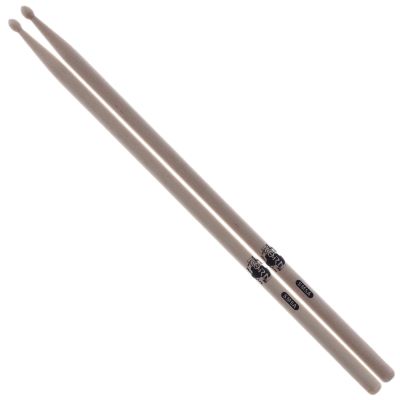
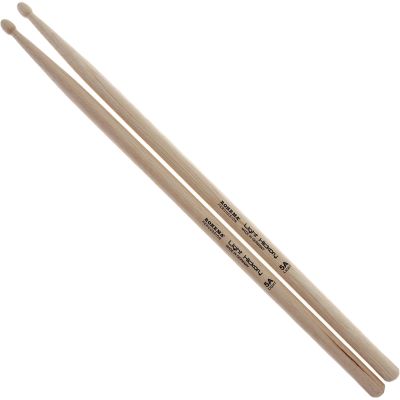
E-drums for controlled practice, sticks for teaching rooms and portable percussion sets for group activities.
Student instruments should suit hand size, reach and the teaching method being used.
Fractional violin sizes make it possible to adapt the instrument to younger players.
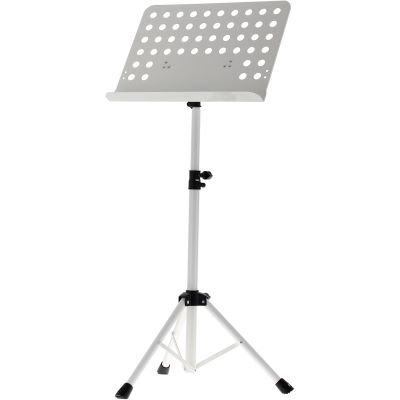
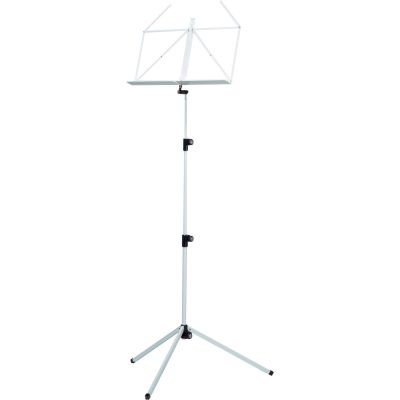
Fast height adjustment, stable construction and straightforward storage are especially important when stands are shared between different groups.
Interfaces, microphones and headphones add recording, songwriting and media projects to traditional lessons.
Active speakers, mixers, microphones and cables support band rehearsals, presentations and student performances.
| Teaching Format | Main Equipment | Also Plan | Organisation Tip |
|---|---|---|---|
| Keyboard class | 61-key keyboards | Stands, pedals, headphones | Use the same user interface where possible |
| Piano teaching | 88 weighted keys | Bench, pedal, headphones | Make sitting height quick to adjust |
| Guitar teaching | Several instrument sizes | Tuners, stands, bags | Clearly label instruments |
| Rhythm group | Percussion selection | Glockenspiels and sticks | Use organised storage |
| Wind & strings | Student instruments | Music stands and care accessories | Clearly assign sizes and instruments |
| Band coaching | PA, microphones and mixer | Stands and cables | Keep the signal path consistent |
| Recording projects | Interface and microphones | Headphones and stands | Plan accounts and cable management |
A clear procurement structure reduces wrong purchases and makes later expansion easier.
Determine how many students use keyboards, headphones, microphones, stands and other shared components at the same time.
Identical instruments simplify instructions, substitutions, accessories, storage and spare-part planning.
Plan stands, pedals, headphones, cables, bags and power supplies with the instrument rather than as an afterthought.
Allow spare audio inputs, flexible mobile PA components and enough storage for future additions.
Practical organisation tip: larger quantities are often easier to manage when one model is used consistently. Label instruments, power supplies, bags and cables clearly and store frequently used accessories close to the room in which they are normally needed.
The following selection covers typical music-school rooms and teaching situations. For institutional purchases, consider required quantities, compatibility with existing equipment, student age groups and your established teaching concept.
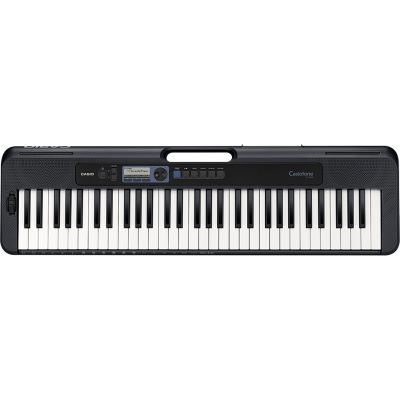
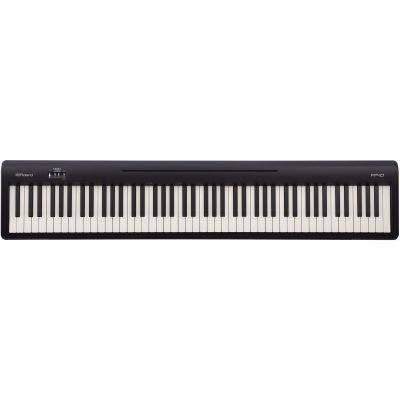

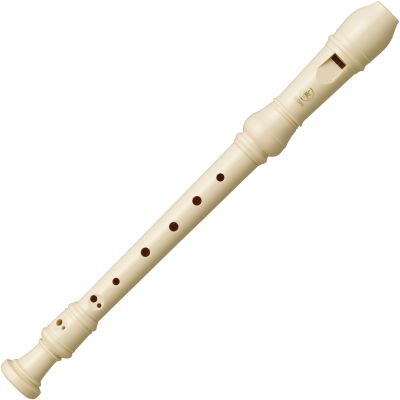

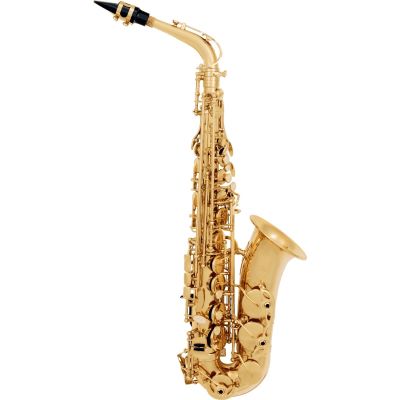
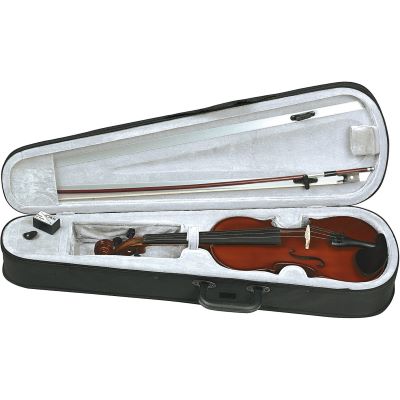
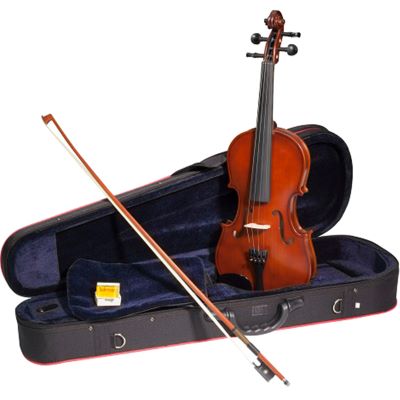
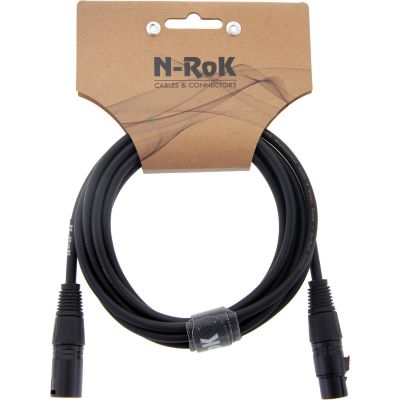
Manufacturer pages are useful when several rooms should be standardised around compatible instruments and accessories.








Stands, seating, headphones, cables, bags and consumables are part of a functional teaching station and should be included in the budget from the beginning.
Excessive variety can make group explanations, replacement accessories and substitutions unnecessarily complicated.
Seating, stands and instrument sizes have to accommodate different students quickly and reliably.
Frequently used cables, headphones and small accessories may require replacement. A small reserve avoids interruptions in lessons.
Equipment such as small PA systems and recording components can be more useful when selected for shared mobile use between rooms.
Percussion sets, instrument bags, cables, stands and power supplies need clearly defined storage locations from the start.
This depends on the subjects offered. In addition to the actual instruments, most teaching environments need music stands, seating, instrument stands, bags and consumables. Modern music schools can also benefit from a recording workstation, microphones and a mobile PA system.
Identical models can be particularly useful in keyboard classes and group rooms. Teachers can explain the same controls to everyone, students can change places more easily and compatible power supplies, pedals and replacement accessories are simpler to manage.
The number depends on the teaching concept. One instrument per student provides the clearest individual playing situation. In class or ensemble concepts, two students may also share an instrument where the method is designed accordingly. Headphone and split functions can expand the teaching options.
For classical piano teaching, 88 weighted keys are usually the appropriate basis. Keyboards are useful for group lessons, pop accompaniment, music theory and ensemble work. Many music schools therefore benefit from having both types of instrument.
A useful teaching inventory can include 1/2 and 3/4 classical guitars in addition to full-size 4/4 instruments. Short-scale electric guitars and basses can also be useful for smaller students.
Shakers, claves, tambourines, triangles, small drums and glockenspiels provide a versatile foundation. Sets supplied in bags or boxes simplify storage and mobile workshop use.
Yes. Electronic drums allow headphone monitoring, metronome work and different sounds within one setup. Pad and pedal impacts still create mechanical noise, so the room itself must still be considered.
A computer, audio interface, one or two microphones and closed headphones are sufficient for many student projects. Recording full bands requires more inputs and a correspondingly expanded setup.
A compact mixer, dynamic microphones and a pair of active speakers can cover many small performances. The required system size depends on the room, audience, instruments and required sound level. Speech and acoustic ensembles usually place different demands on a PA system than a student band.
Label instruments, power supplies, bags and cables clearly, standardise frequently used equipment where useful and keep permanent room equipment separate from shared mobile technology.
Compare keyboard actions, accompaniment functions and piano-oriented 88-key instruments.
Compare drum sets, electronic drums, cymbals, percussion and useful teaching accessories.
Compare flutes, clarinets, saxophones, brass instruments and student-oriented constructions.
Understand sizes, outfits, bows and the basic equipment for student violin lessons.
Plan interfaces, microphones, monitoring and computer connections as one complete signal path.
Find active speakers, mixers, microphones and accessories for rehearsal rooms and student performances.
Begin with the teaching format and number of simultaneous users. Then select the instrument, suitable seating or stands and the accessories required to make the station immediately usable. Recording and amplification can then be added according to the curriculum. Consistent controls, fast adjustability and clearly organised storage are especially valuable when equipment is used by many students every day.