
Musikhaus Korn Wind Instruments Guide
Wind Instruments Guide: Find the Instrument That Suits You
Trumpet, saxophone, clarinet, concert flute or a compact wind instrument? This guide takes you from choosing your first instrument through mouthpieces, reeds and child-friendly sizes to care, cleaning and microphone solutions. Compare sound, ergonomics and playing technique before deciding which instrument should accompany you in lessons, ensembles, bands or at home.
Woodwind & Brass Explained
Children & Adults Considered
Accessories, Care & Microphones Included
Related Wind Instrument Guides
Wind Instruments Guide Quick Facts
Eleven Routes to the Right Instrument
Specialist Guides for Wind Instruments & Accessories
Start with the general instrument finder or go directly to the guide that matches your current question.
Which Wind Instrument Suits Me?
Compare flute, clarinet, saxophone, trumpet, trombone and compact wind instruments by sound, playing style and ergonomics.
Trumpet for Beginners
Learn about Bb trumpets, valves, mouthpieces, embouchure and suitable beginner instruments.
Saxophone for Beginners
Understand reeds, mouthpieces, instrument sizes and the basic differences between common saxophones.
Alto or Tenor Saxophone?
Compare register, body size, weight, musical role and sound before choosing your first saxophone.
Clarinet for Beginners
Compare fingering systems, mouthpieces, reeds, keywork and the requirements of regular lessons.
Concert Flute for Beginners
Learn about closed and open keys, offset G, headjoints, posture and instruments for smaller players.
Wind Instruments for Children
Body size, arm length, hand span and strength are often more useful criteria than one fixed starting age.
Choosing Mouthpieces
Match the mouthpiece to the instrument, playing level, embouchure, reed and desired sound.
Reed Strengths Explained
Understand how reed strength, mouthpiece opening, embouchure and player experience work together.
Care & Cleaning
Remove moisture, clean mouthpieces and surfaces, protect keywork and store the instrument safely.
Microphones for Wind Instruments
Compare clip microphones, stand microphones and wireless systems for saxophone, trumpet, trombone and other wind instruments.
Choose by Sound & Playing Technique
Which Wind Instrument Family Suits You?
Wind instruments are not classified by the material of the body alone. The way the sound is produced is one of the most important differences.
Flute & Recorder
With transverse flutes, the player directs the air stream across an edge. Recorders use a formed windway. Concert flutes sound clear and agile, while recorders offer a direct, compact and accessible format.
Clarinet
The clarinet uses a single reed on the mouthpiece and offers a particularly broad pitch range. It is used in classical music, wind orchestras, Klezmer, jazz and many other styles.
Saxophone
Saxophones also use a single reed. Alto saxophones are more compact, while tenor saxophones provide a deeper and fuller register. Both are common in jazz, pop, funk and wind music.
Trumpet
The lips vibrate in the cup-shaped mouthpiece and excite the air column in the instrument. The trumpet is compact, brilliant and projecting and appears in orchestras, big bands, pop and brass music.
Trombone, Horn & Saxhorn Family
These instruments provide fuller and lower brass voices. With trombones, slide reach is especially important. With younger players, weight, posture and arm length should be checked carefully.
Harmonica, Melodica & Ocarina
Compact wind instruments are easy to transport and can provide a quick introduction to breath control, melody and song accompaniment. They are also practical for teaching and travel.
Direct Comparison
Wind Instruments at a Glance
| Instrument | Sound Production | Typical Character | Common Applications |
|---|---|---|---|
| Concert Flute | Air across an edge | Clear, light, agile | Classical, orchestra, wind class |
| Clarinet | Single reed | Warm, round, wide range | Wind orchestra, classical, Klezmer |
| Alto Saxophone | Single reed | Direct, present, compact | Jazz, pop, funk, wind class |
| Tenor Saxophone | Single reed | Deeper, fuller, more body | Jazz, big band, soul, pop |
| Trumpet | Lip vibration in a cup mouthpiece | Brilliant, clear, projecting | Brass music, orchestra, big band |
| Trombone | Lip vibration + slide | Powerful, broad, variable | Wind orchestra, big band, ensemble |
| Melodica | Free reeds + keyboard | Direct, compact, chord-capable | School, travel, song accompaniment |
Body Size Before Age
Which Wind Instrument Is Suitable for Children?
There is no universal starting age that applies to every child. Body size, arm length, hand span, strength and the teaching concept are usually more useful criteria.
Keys, valves and slide positions must be reachable without a permanently tense posture. The instrument should not overload the shoulders, hands or thumbs.
Curved flute headjoints, suitable saxophone straps, adjustable thumb rests and lighter student instruments can make a major ergonomic difference.
If lessons have already been arranged, coordinate the instrument with the teacher before buying. This is particularly important for the clarinet fingering system and the exact instrument size.

Can the Child Hold It Naturally?
Raised shoulders, a twisted torso or a permanently strained wrist indicate that the setup should be reconsidered.
Are All Keys or Positions Reachable?
Fingers, valves, keys and trombone positions should be reached without painful stretching.
Can a First Sound Be Produced Comfortably?
Initial tone production should require practice, but not excessive physical effort or pain.
Does It Match the Teaching Method?
The fingering system, instrument size and accessories should fit the intended lessons.
Small Components with a Major Influence
Mouthpieces & Reeds: Plan Them as a System
On clarinet and saxophone, the mouthpiece and reed work together. On brass instruments, the mouthpiece directly influences response, resistance, range and the player's physical contact with the instrument.
Choose the Mouthpiece Carefully
Match the mouthpiece to the instrument, level of experience, embouchure and desired tonal character rather than choosing only by one isolated measurement.
Choose a Suitable Reed Strength
Lighter reeds often respond more easily. Stronger reeds provide more resistance and require more controlled airflow. The ideal strength also depends on the mouthpiece and embouchure.
Keep Mouthpiece & Instrument Clean
Moisture remains inside most wind instruments after playing. Swabs, cleaning rods and suitable care products protect surfaces, pads and mechanisms.
After Every Practice Session
Four Basic Steps for Wind Instrument Care
Disassemble Safely
Separate instrument sections only where intended and avoid unnecessary force on keys, valves and mechanisms.
Remove Moisture
Use an appropriate swab, cleaning rod or cloth to remove moisture from accessible internal surfaces.
Clean Contact Surfaces
Mouthpieces, necks, joints and frequently touched exterior surfaces should be cleaned regularly.
Store Dry & Protected
Allow accessories to dry as appropriate and store the instrument safely in its case or another suitable location.
Stage & Recording
How Should a Wind Instrument Be Microphoned?
The best microphone solution depends on whether you need freedom of movement, maximum consistency or a natural recording of the entire instrument and room.
Clip Microphone
Attached directly to the instrument, a clip microphone moves with the player and maintains a relatively constant working distance.
Microphone on a Stand
A stand-mounted microphone allows more of the complete instrument and room to be captured and is particularly useful in controlled recording environments.
Clip + Wireless
Combining a clip microphone with a compatible wireless system provides freedom of movement on larger stages.
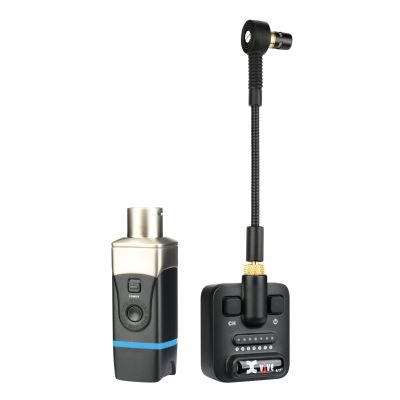
Feedback depends on the complete setup:
microphone pattern, instrument position, loudspeaker and monitor
position, stage volume and gain all influence the available
feedback margin.
Shop by Instrument Family
Wind Instrument Categories at Musikhaus Korn
Trumpets
Saxophones
Clarinets
Flutes
Trombones
Horns
Saxhorns
Harmonicas
Melodicas
Ocarinas
Didgeridoos
Other Wind Instruments
Mouthpieces
Reeds
Care & Cleaning
Wind Instrument Microphones
All Wind Instruments
Microphone Stands
30 Selected Examples
All Wind Instruments
Wind Instruments & Accessories from the Guide
These products represent different routes into the wind-instrument world – from compact beginner instruments to traditional woodwind and brass instruments, accessories and microphone systems.
Flutes & Clarinets
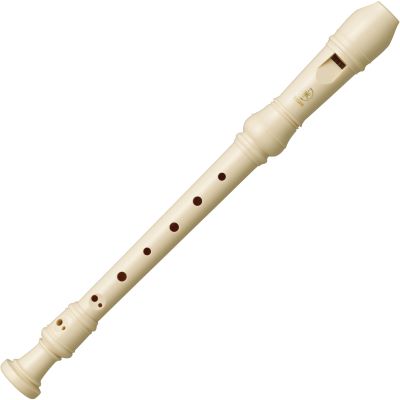
Yamaha
YRS 24B Recorder
View Product
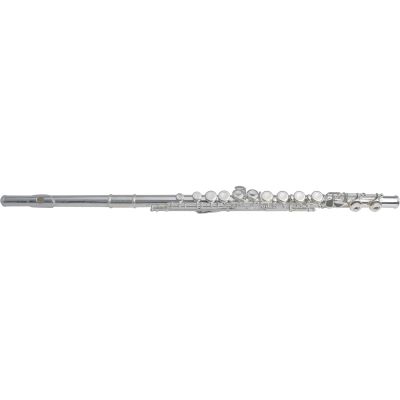
Armstrong
FL650E Concert Flute
View Product
For Children
Roy Benson
FL-102 Children's Flute
View Product
German System
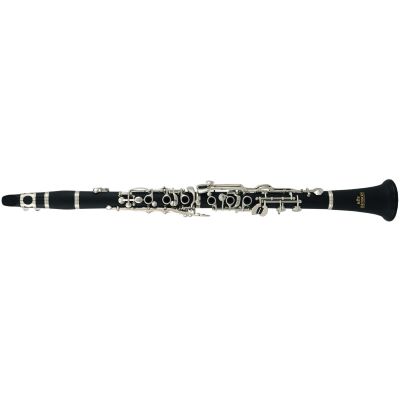
Roy Benson
CG-220 Bb Clarinet
View Product
Alto & Tenor Saxophones
Alto Sax
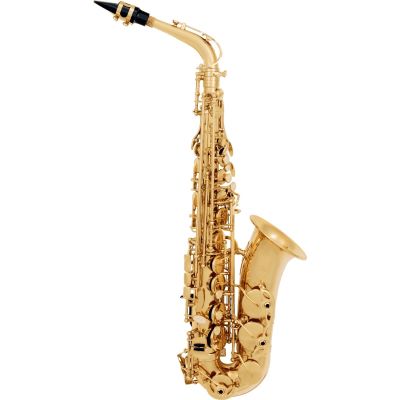
SML Paris
VSM A300 Eb Alto Saxophone
View Product

C.G. Conn
AS-650 Alto Saxophone
View Product
Tenor Sax
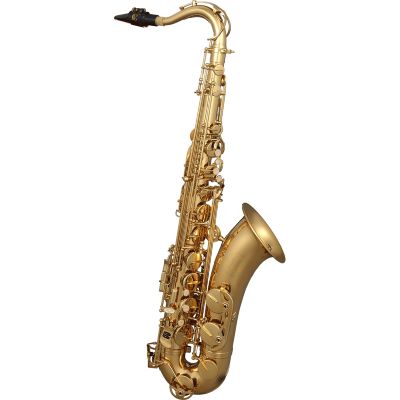
SML Paris
VSM T420-II Bb Tenor Saxophone
View Product
For Children
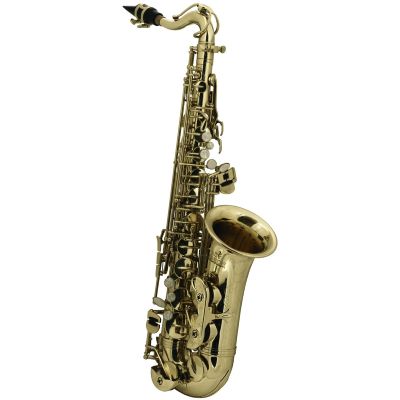
Roy Benson
AS-201 Children's Alto Saxophone
View Product
Trumpets & Trombone

SML Paris
VSM TP300 Bb Trumpet
View Product
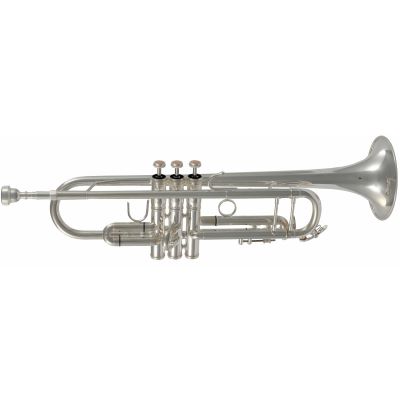
SML Paris
VSM TP500S Bb Trumpet
View Product
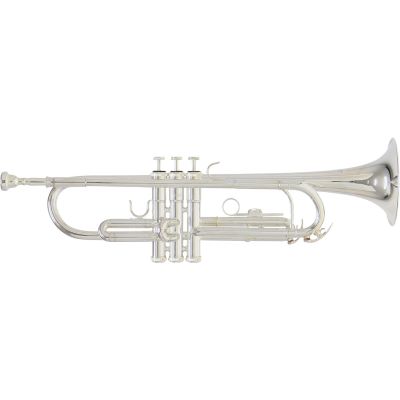
Roy Benson
TR-202S Bb Trumpet
View Product
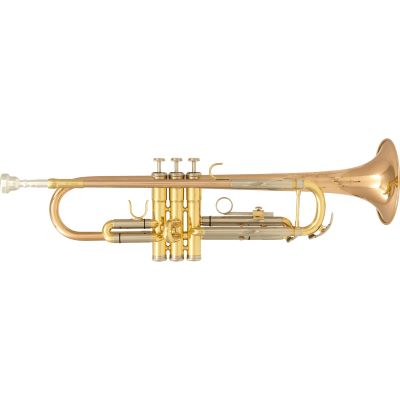
SML Paris
VSM TP600 Bb Trumpet
View Product
For Children
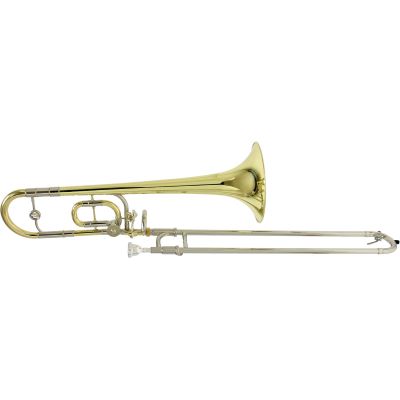
Roy Benson
TT-220 Children's Trombone
View Product
Compact & Digital Wind Instruments
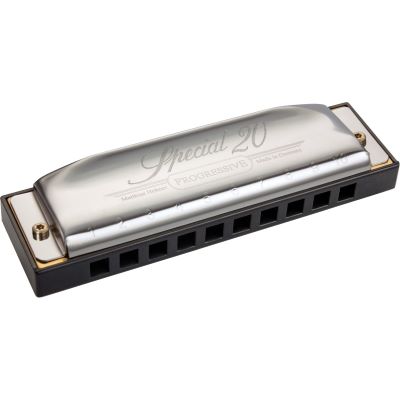
Hohner
Special 20 Progressive C
View Product
Hohner
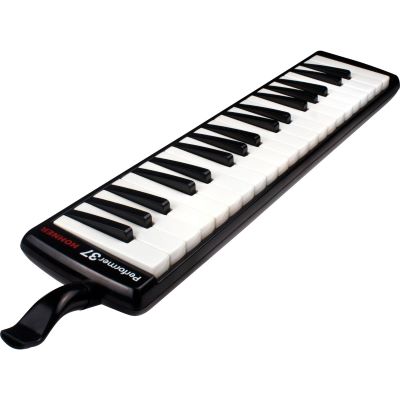
Melodica Performer 37
View Product
Digital
NUX
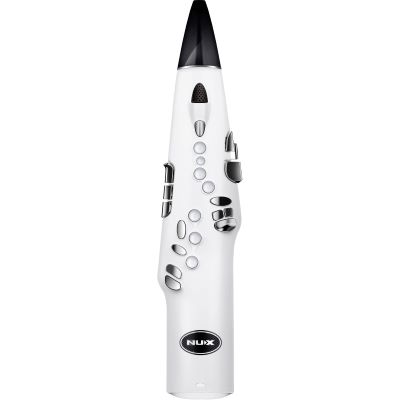
NES-1 Digital Aerophone
View Product
Mouthpieces, Reeds & Care
GEWA
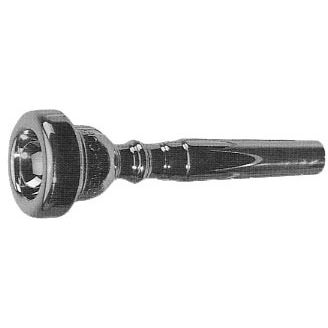
Trumpet Mouthpiece 7C
View Product
GEWA
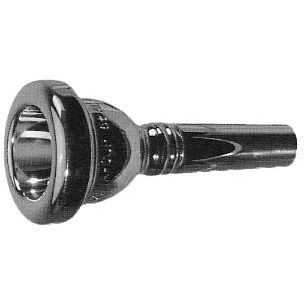
Trombone Mouthpiece 12C
View Product
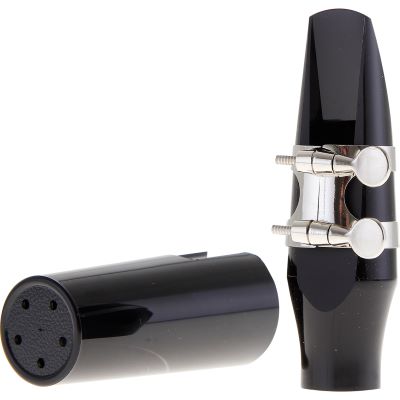
Roy Benson
Eb Alto Saxophone Mouthpiece
View Product
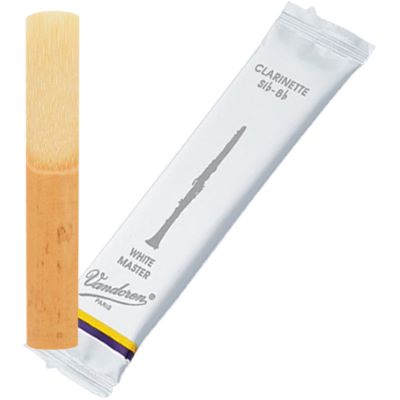
Vandoren
White Master Clarinet Reed 2
View Product
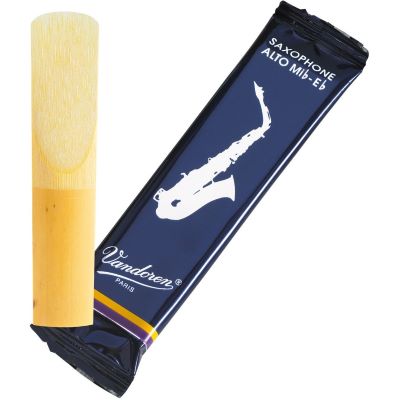
Vandoren
Classic Alto Sax Reed 3
View Product
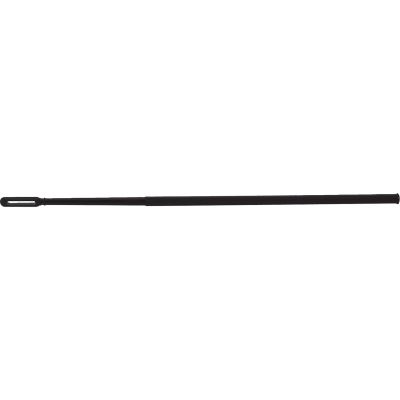
GEWA
Soprano Recorder Cleaning Rod
View Product
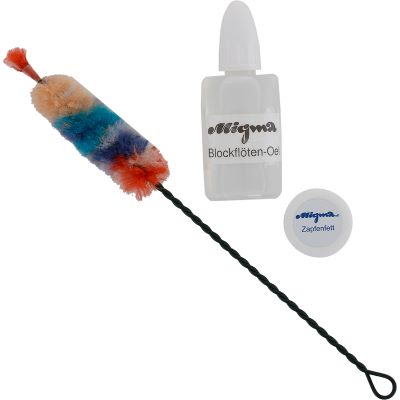
Migma
Recorder Care Set
View Product
Microphones & Wireless Systems
Clip Mic

TIE Studio
TCX308 Wind Instrument Microphone
View Product
Clip Mic
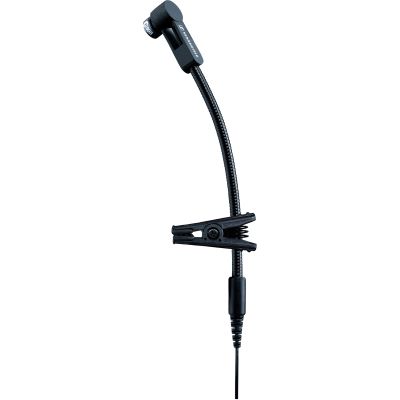
Sennheiser
E 908 B
View Product
Condenser Clip
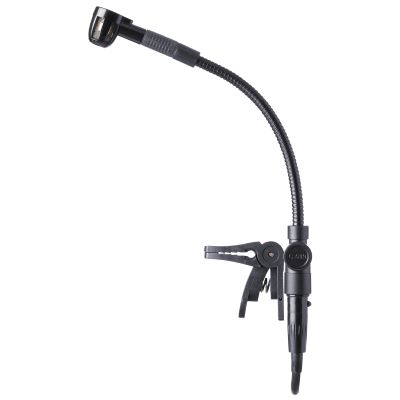
AKG
C 519 M
View Product
Wireless
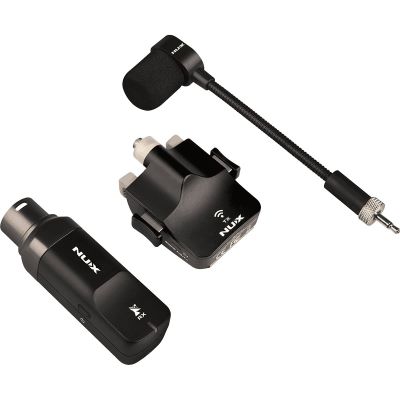
NUX
B6 Wireless Saxophone System
View Product
Wireless
XVive
U7 Saxophone & Trumpet Wireless System
View Product
Digital Wireless
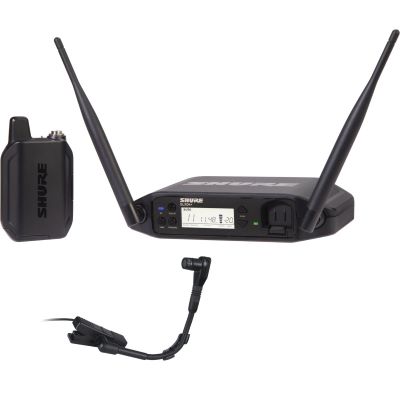
Shure
GLXD14+ E/B98
View Product
Harmonica
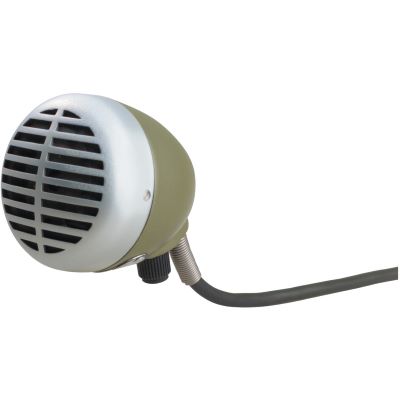
Shure
520DX Blues Harp Microphone
View Product
Manufacturer Worlds
Brands for Wind Instruments & Accessories
Discover instruments, mouthpieces, reeds, care products and microphone solutions directly in the respective manufacturer worlds.









Personal Advice & Service
Compare Instruments Before You Decide
Sound, body size, fingering system, mouthpiece and accessories can be difficult to judge from specifications alone. Personal advice is particularly useful for beginners, children and musicians changing to another wind-instrument family.
Musikhaus Korn also provides services around instruments, repairs, rental solutions and suitable cases.
Frequently Asked Questions
Answers About Wind Instruments
Which Wind Instrument Is Easiest for Beginners?
There is no single instrument that is easiest for everyone. Sound preference, body size, lessons and motivation are decisive. Recorder, trumpet, alto saxophone, clarinet and concert flute can all be suitable starting instruments for the right player.
What Is the Difference Between Woodwind and Brass Instruments?
The classification is primarily related to the way the sound is produced rather than the material of the instrument body. Clarinet and saxophone use a reed, the concert flute uses an air edge, while trumpet, trombone and horn use vibrating lips.
Should I Choose an Alto or Tenor Saxophone?
The alto saxophone is more compact and lighter. The tenor saxophone is larger and provides a deeper, fuller register. Musical style, body size and personal sound preference should all be considered.
Which Clarinet System Is Suitable for Lessons?
Clarinet lessons may use the German or Boehm fingering system. The mechanisms, fingering and associated mouthpieces or reeds can differ, so the intended system should be coordinated with the teacher before buying.
Which Reed Strength Should I Choose?
Lighter reeds often respond more easily. A reed that is too soft can feel unstable, while one that is too strong can create excessive resistance. Mouthpiece, embouchure, reed brand and strength should be considered together.
When Should I Change My Mouthpiece?
A change can make sense when you deliberately want a different response, resistance or tonal character, or when the existing mouthpiece is damaged. The new mouthpiece should still match the instrument, playing level and – where applicable – the reed.
How Often Should a Wind Instrument Be Cleaned?
Moisture should be removed after each playing session. Mouthpieces, swabs and frequently touched areas should be cleaned regularly. Only use oils, greases and cleaning products that are suitable for the specific instrument.
Clip Microphone or Stand Microphone for Wind Instruments?
A clip microphone keeps the working distance relatively constant and allows the player to move. A microphone on a stand can capture the complete instrument and room more naturally. Wireless operation is particularly useful when maximum stage mobility is required.
The Guide Summarised
Wind Instruments Guide: From the First Instrument to Accessories
Choosing a wind instrument begins with the sound that motivates you to keep playing. Concert flute, clarinet, saxophone, trumpet and trombone differ not only in pitch and musical role but also in the way the sound is produced, physical posture and the movements required from the player.
For children, body size and reach are more useful than a universal starting age. Keys, valves and slide positions need to be reached comfortably, and the exact instrument should ideally match the teaching system used by the music school or teacher.
Mouthpieces and reeds are an important part of the instrument system. Reed strength should be matched to the mouthpiece and embouchure, while brass mouthpieces influence response and playing resistance. Regular moisture removal and appropriate cleaning help protect the instrument and its mechanisms.
For stage and recording applications, choose between a clip microphone with constant distance, a stand-mounted microphone for a more natural instrument and room sound, or a wireless solution when freedom of movement is most important.
More Buying Advice
Continue with the Complete Musikhaus Korn Guide
Discover further buying guides for guitars, keyboards, drums, recording equipment, microphones, live sound and other musical instruments.