Background Music in Several Areas
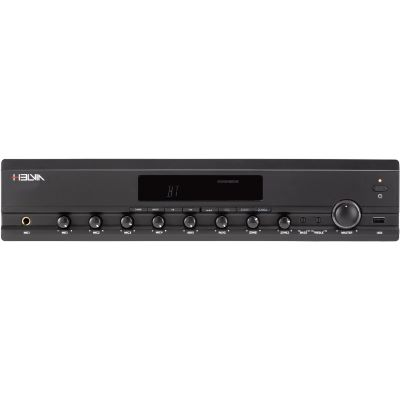
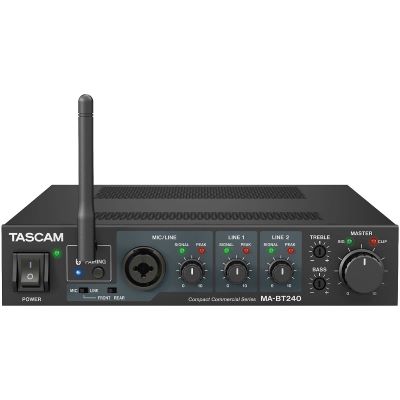
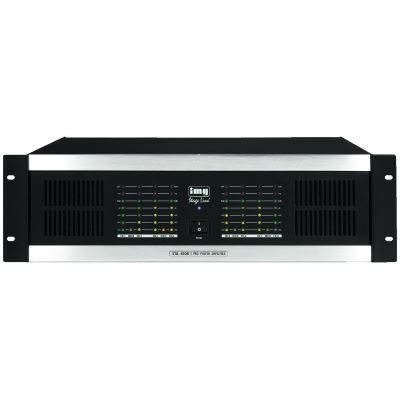
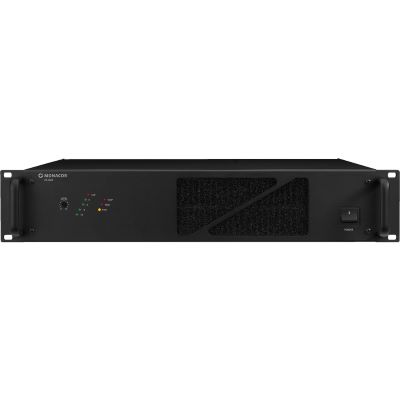
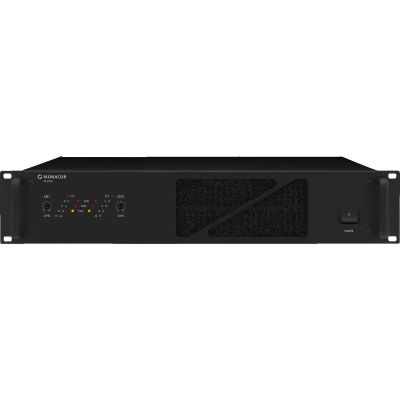
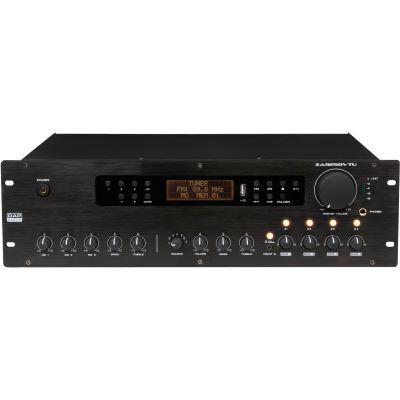
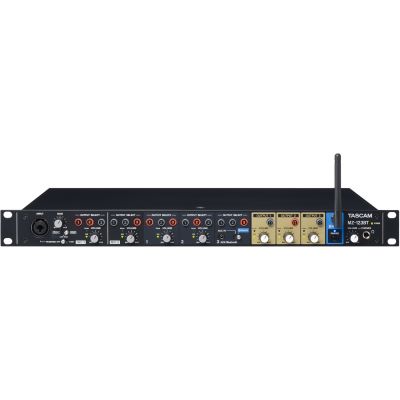
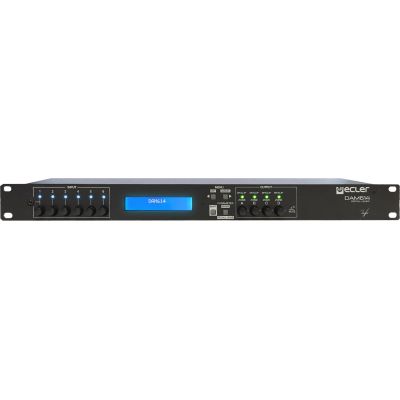
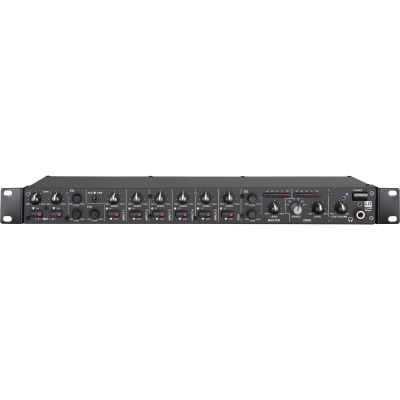
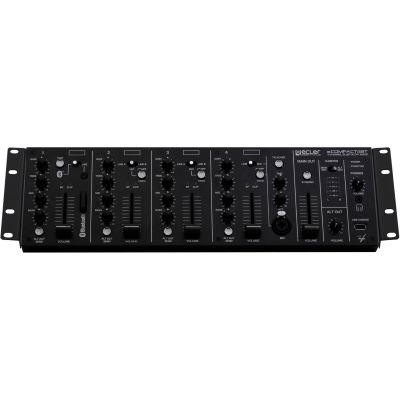
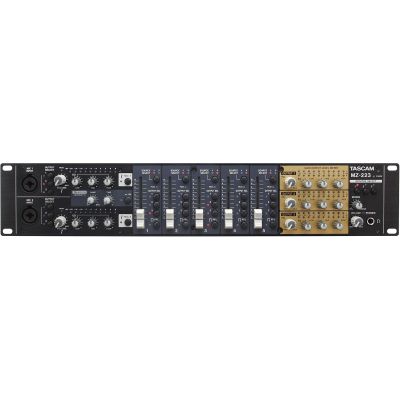
Restaurant, bar, lobby and terrace may require different volume levels or even different sources. Zone mixers and installation speakers are particularly useful for this purpose.

Restaurant, hotel, school, church, conference room, gym, retail space or event venue: a fixed installation should work reliably every day, remain easy to operate and integrate discreetly into the building. This guide explains how installation speakers, 100 V technology, zone mixers, amplifiers, microphones, networking, lighting, power distribution and rack equipment become one permanently usable system.
In a fixed installation, audio, lighting or control components are planned permanently for a specific room or building. Loudspeakers may be mounted permanently on walls or ceilings, while amplifiers and signal processors are protected inside a central equipment rack.
The difference from mobile event equipment is therefore not merely the method of mounting. A well-designed installation already considers room layout, loudspeaker positions, cable routes, operation, future expansion, power distribution and maintenance access during the planning phase.
It should also be clarified whether the system will mainly reproduce speech, background music, presentations, live music or several different applications.
The right equipment begins with the usage concept. A retail space has different priorities from a church, conference centre or fitness studio.
Restaurant, bar, lobby and terrace may require different volume levels or even different sources. Zone mixers and installation speakers are particularly useful for this purpose.
Classrooms, halls and presentation rooms need clear speech, simple source selection and often microphones at permanent speaking positions.
Strong reverberation makes speech reinforcement challenging. Several sensibly positioned loudspeakers can provide better intelligibility than a small number of extremely loud sources.
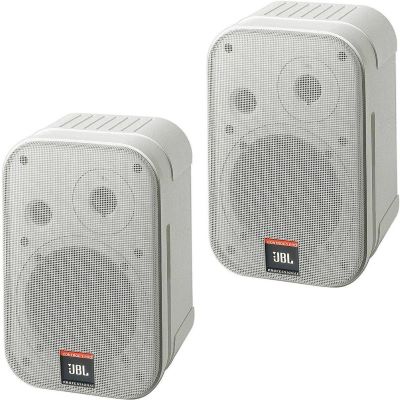
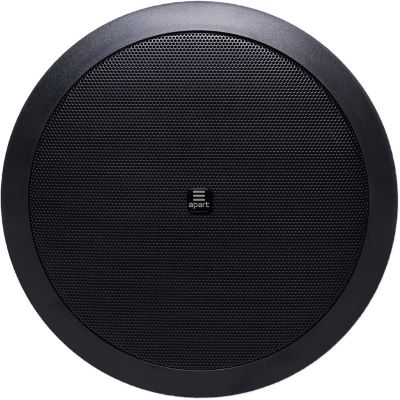
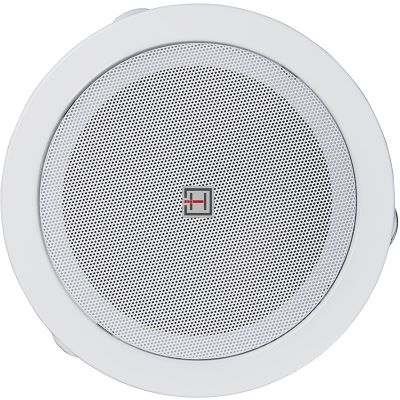
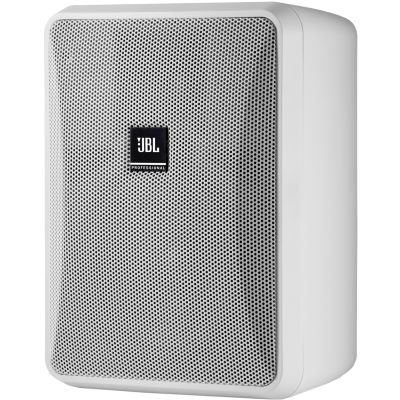
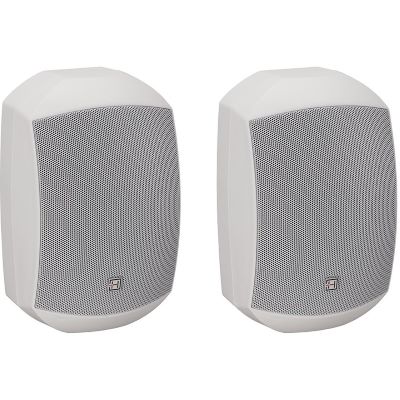
Technical equipment should often remain visually unobtrusive. Ceiling speakers distribute background music evenly from above, while wall speakers can be aimed more deliberately at individual listening areas.
A system with sufficient headroom, straightforward source selection and separate levels for training, secondary and reception areas can be especially useful in multifunctional facilities.
Loudspeakers and lighting equipment used outdoors must be explicitly suitable for the actual environment. Mounting, cable routes and protection class belong in the planning from the beginning.
Almost every fixed audio installation can be viewed as a clear signal chain. This simplifies both initial planning and later troubleshooting.
Streaming players, computers, media players, wireless receivers and gooseneck microphones supply the input signals.
Sources are levelled and routed to the required areas. Priority or ducking functions can automatically lower background music during announcements.
An installation or multi-channel amplifier provides the electrical power for passive loudspeakers. Active loudspeakers already contain their amplification.
Loudspeakers are distributed so that the required listening areas receive the most even possible coverage with sufficient speech intelligibility.
Both concepts have their place. The number of loudspeakers, cable distances, required output and planned amplifier system determine which approach is suitable.
| Feature | 100 V System | Low-Impedance System |
|---|---|---|
| Typical Application | Many distributed loudspeakers, longer cable runs and multiple rooms | Fewer loudspeakers and direct, performance-oriented sound reinforcement |
| Planning | Add the selected loudspeaker tap values and include suitable amplifier reserve | Match total impedance and amplifier power correctly |
| Zones | Particularly useful for distributed systems | Possible through separate amplifier channels or matrix routing |
| Sound Target | From speech and background music to more demanding installation applications | From fixed installations to powerful music reinforcement |
| Important | Amplifier and loudspeakers must explicitly support 100 V operation | Observe total impedance and permitted load |
A zone is a separately controllable listening area. In a hotel, for example, lobby, restaurant and terrace may need different volume levels. In a fitness studio, the training room and reception can operate independently.
Zone mixers and installation DSPs distribute input signals across several outputs. Depending on the system, individual sources can be assigned to specific zones, microphones can receive priority and volume levels can be controlled separately.
More complex installations may additionally benefit from delay, filters, limiters or external control.
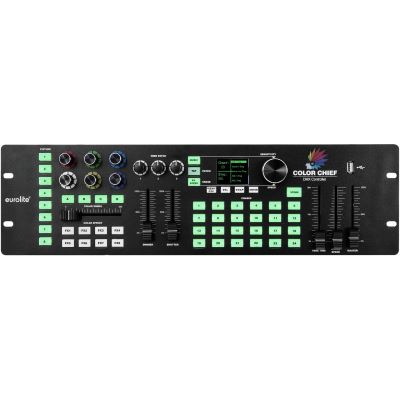
In fixed installations with an event focus, lighting can form part of the overall system. PAR fixtures, decorative lighting and other DMX-compatible devices can be configured with permanent scenes for different types of use.
The stage, lectern position or other relevant room areas should first be illuminated sensibly. Effect lighting can then add atmosphere.
Recurring lighting scenes can be stored and recalled using a lighting console, software or a suitable controller.
Permanent mounting, suspended equipment and electrical installation must be carried out professionally in accordance with the requirements of the application.
The current source selection covers loudspeakers, 100 V and multi-channel amplification, zone control, speech, racks, power, networking and lighting. Always verify technical compatibility for the complete system before installation.
For discreet background music, speech reproduction and distributed sound reinforcement.

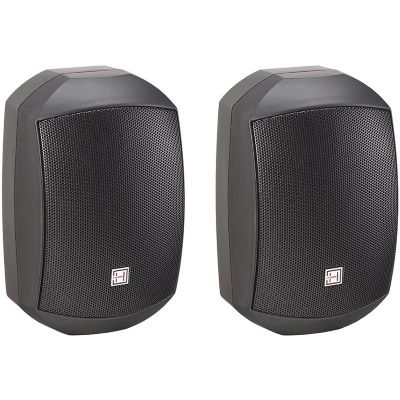
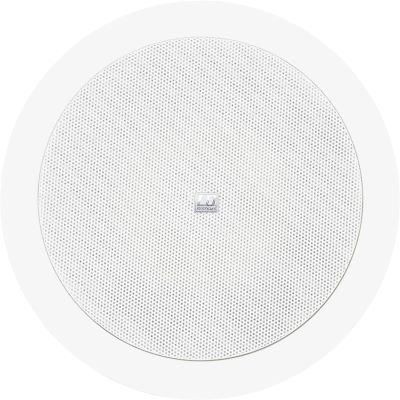
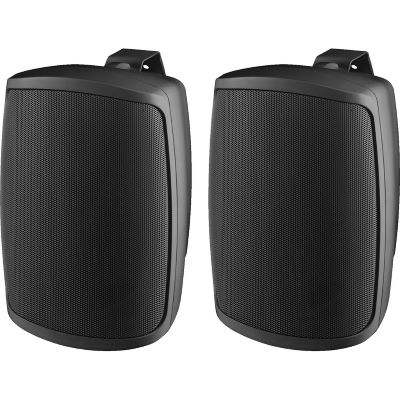

Match amplifier power and zone concept to the installed loudspeakers.
Route sources to different rooms and keep everyday operation as simple as possible.
Permanent speaking positions benefit from a clearly defined microphone position and suitable priority logic.
A clean fixed installation also needs accessible, labelled and maintainable infrastructure.
Compare loudspeakers, amplifiers, zone mixers, microphones and infrastructure through selected manufacturer pages in the English Musikhaus Korn shop.








Dispersion, loudspeaker quantity, positioning and room acoustics influence the perceived coverage at least as strongly as amplifier power alone.
If rooms will later require separate control, signal routing and amplifier channels need to support that concept from the beginning.
Spare inputs, rack space and sensibly planned cable routes make future additional sources and rooms much easier to integrate.
A technically excellent system can still be unsuitable for everyday use if staff cannot operate it safely and confidently.
Connectors, ventilation openings, protective devices and installed equipment need to remain accessible after installation.
Enclosures, mounting and electrical installation in outdoor areas must suit the real environmental conditions at the installation site.
Labelled cables, patch points and a simple signal diagram save considerable time during maintenance and troubleshooting.
Safety-relevant systems can be subject to requirements that differ from those of a conventional background music or sound-reinforcement installation.
100 V technology is particularly interesting when many loudspeakers need to be distributed across larger areas. Typical applications include hospitality, hotels, retail, schools, practices and other multi-room systems.
Only when the loudspeakers and connection method are explicitly designed for it. 100 V systems and conventional low-impedance sound reinforcement are different concepts. The technical specifications of all components must be compatible.
A zone mixer distributes different input signals across several output areas. A restaurant can therefore use different music or volume settings from the lobby and terrace.
Ceiling speakers are visually unobtrusive and can distribute sound evenly from above. Wall speakers can often be aimed more deliberately at specific listening areas. The room and application determine which solution is more appropriate.
This cannot be determined sensibly from floor area alone. Room shape, ceiling height, desired level, loudspeaker dispersion and speech intelligibility all need to be considered together.
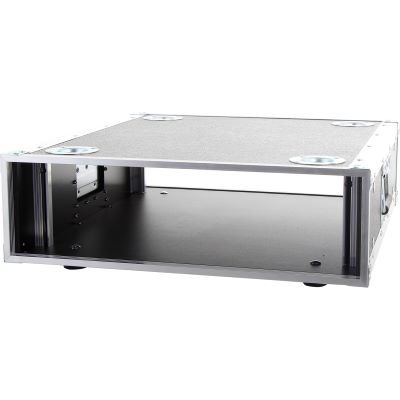
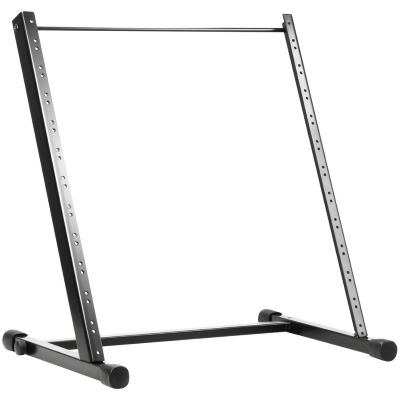
The standardised format organises amplifiers, mixers, wireless receivers, power distribution and other technical equipment in one central location and can protect important settings from unintended access.
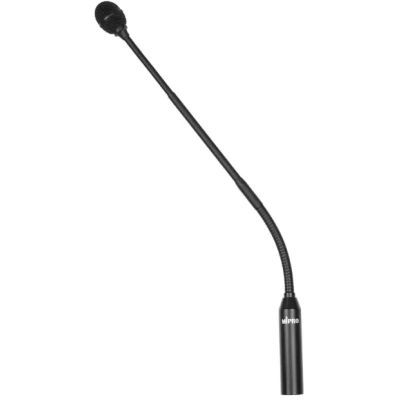
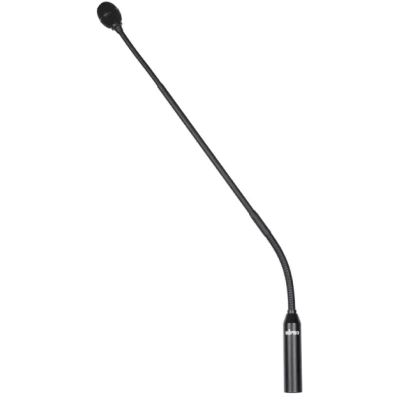
Gooseneck microphones are a widely used solution. They can be aimed precisely at the speaker and integrated permanently at a fixed speaking position.
Background music can automatically be reduced during an announcement. Speech therefore remains intelligible without a member of staff manually lowering the music first.
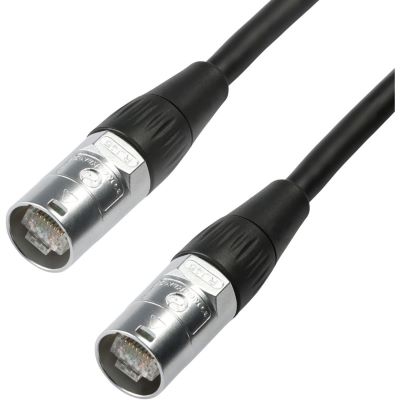
Digital mixers, control systems and audio-over-IP systems use Ethernet-based connections. The required cable standard depends on the specific device and network protocol.
Yes. Event rooms, clubs, churches and multipurpose halls frequently use permanently mounted fixtures and DMX control. Mounting, secondary safety and electrical installation must be planned professionally.
Complex parameters can be configured once by qualified personnel. Everyday users should then have access only to the functions they actually need, such as source, zone and volume.
Useful measures include spare mixer inputs, additional amplifier or output paths, sufficient rack space and documented cable routes. This makes it possible to add further rooms or sources without rebuilding the complete system.
Loudspeakers, amplifiers, mixers and accessories for complete audio systems.
Wall, ceiling, 100 V and other solutions for rooms that require permanent sound reinforcement.
Sound, lighting, stage construction, cables and power for flexible or multifunctional rooms.
Fixed installations combine permanently mounted loudspeakers with centrally organised control and amplification equipment. Especially when several rooms need sound, 100 V loudspeakers, zone mixers and multi-channel amplifiers are important building blocks. Smaller systems can alternatively use conventional low-impedance loudspeakers or active installation loudspeakers. The complete concept of room, application, signal path and operation should always determine the final system.
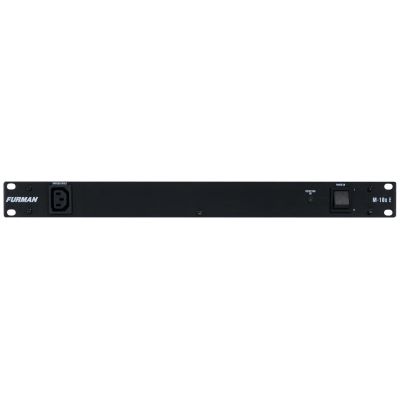
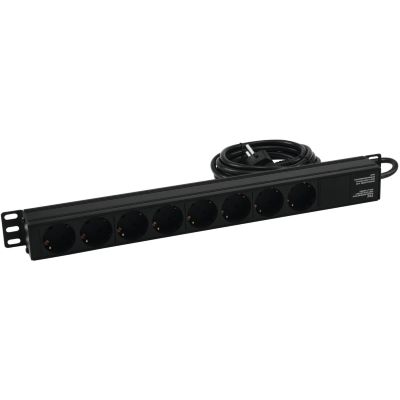
Microphones for announcements and presentations, rack equipment, power distribution and modern network connections complete the audio installation. Clubs, event rooms and multipurpose halls can additionally integrate a permanent lighting system with DMX control.
When all components are planned together, the result is an installation that not only works on the first day but also remains understandable, maintainable and expandable during everyday use.
From the initial idea and product selection to compatibility and the complete setup, the central Musikhaus Korn guide connects important topics around musical instruments, recording and professional event technology.