Cover the Actual Visitor Area
Mobile active systems can work well for small local festivals. Larger squares require a professionally planned PA with sufficient coverage and headroom.

At a town festival, presenters, clubs, dance groups, live bands and DJs often take turns on the same stage within just a few hours. At the same time, larger visitor areas, long cable routes, an outdoor stage, power supply and changing weather conditions all need to be considered.
Town-festival technology should therefore be planned as one complete production chain rather than as a collection of individual devices. This guide covers PA, subwoofers, mixers, stage boxes, wireless microphones, monitoring, lighting, stage equipment, power, cable protection, transport and backup.

A town festival often combines speech reinforcement in the afternoon with live music and a party programme in the evening. The system therefore needs to reproduce quiet speech just as reliably as a complete live band.
Fast changeovers, different artists and potentially several event areas add further demands to the overall technical concept.
Mobile active systems can work well for small local festivals. Larger squares require a professionally planned PA with sufficient coverage and headroom.
Microphones, instruments and playback sources converge at the mixing position. A stage box keeps stage cabling clear and reduces bundles of long individual lines.
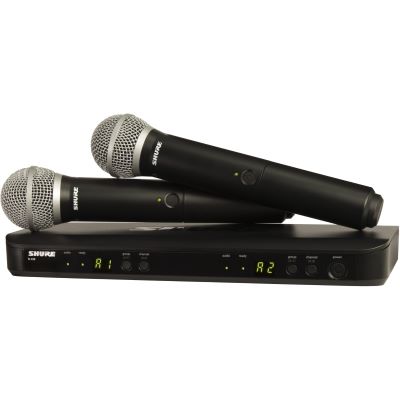
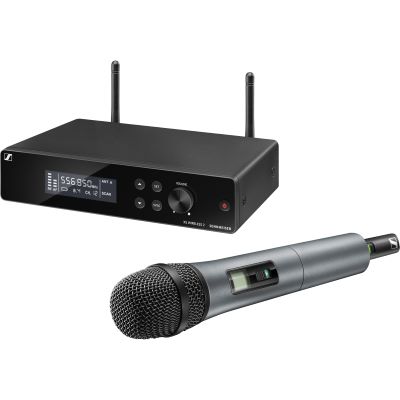
Town festivals almost always need a microphone for moderation. Two wireless handheld transmitters are particularly practical for interviews, awards and changing presenters.
The number of monitor paths should already be included in channel and output planning before the event.
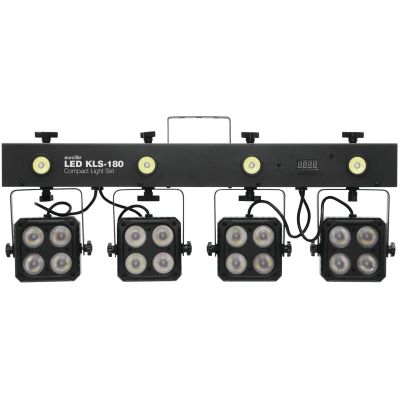
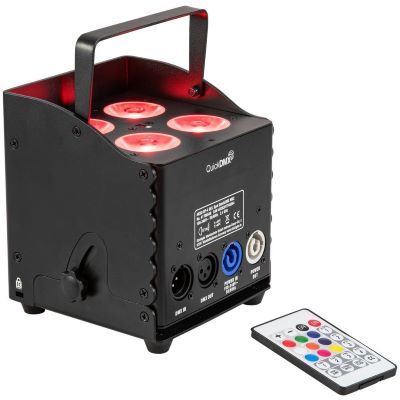
Front light, coloured wash and selected show effects form a flexible basis from the afternoon programme through to the evening concert or DJ set.
FOH, stage, catering areas and visitor routes influence cable routing. Power and signal paths should therefore already appear in the event site plan.
For larger public town festivals: sound reinforcement, event power, rigging, stage engineering, weather protection and safety-relevant structures should be planned and implemented by appropriately qualified professionals.
The technically most demanding programme item usually determines the basic size of the system. At the same time, simple presentation mode should remain possible without operating a complicated band configuration throughout the entire afternoon.
| Programme Item | Audio | Wireless | Monitoring | Lighting |
|---|---|---|---|---|
| Moderation | Speech PA + playback | 1–2 handheld transmitters | Usually not required | Front light |
| Dance Group / Club | Music playback | Presenter microphone | Optional | Area lighting |
| Live Band | Several microphones & DI boxes | Vocals as required | Several mixes | Front + wash |
| DJ Evening | Stereo signal | Presenter microphone | DJ booth | Show lighting |
| Large Headline Act | Extensive input list | Several systems | Individual mixes | Programmed show |
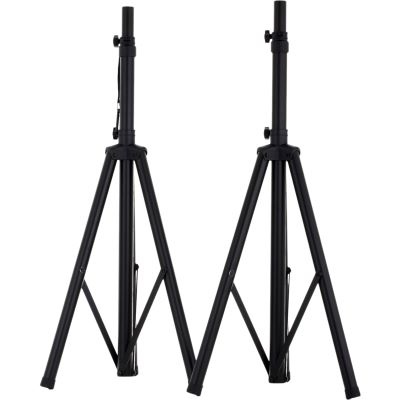
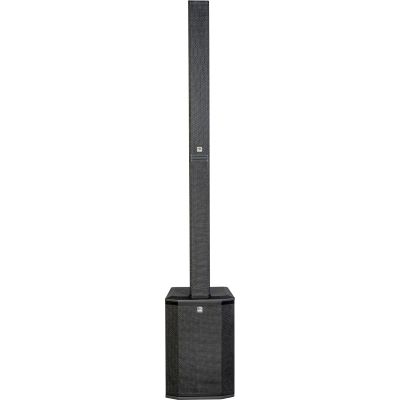
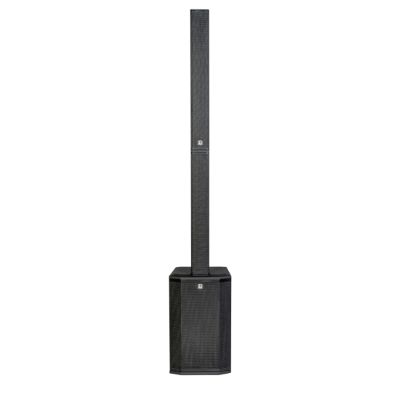
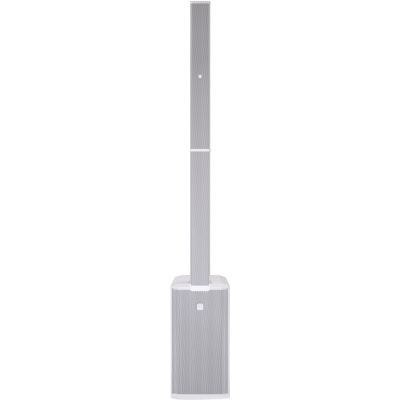
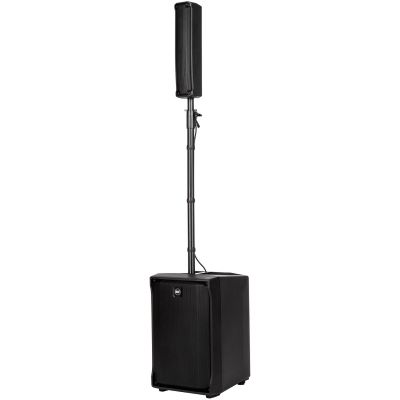
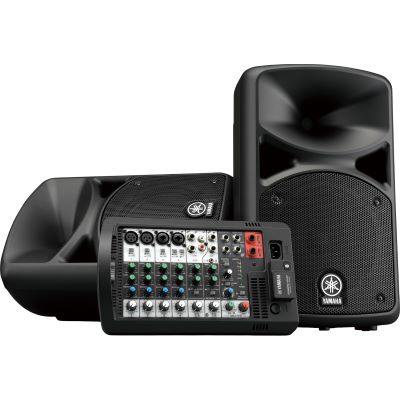
For small neighbourhood festivals, two capable active speakers or column systems can provide a practical starting point. As the visitor area grows, distribution becomes just as important as maximum level.
On larger squares, additional speaker zones can be more effective than simply running the main system louder.
Simplify transport and setup and are especially useful for speech, smaller live acts and manageable visitor areas.
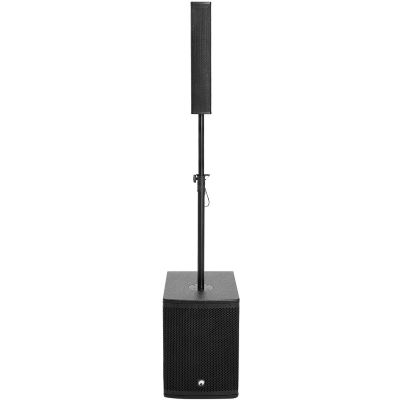
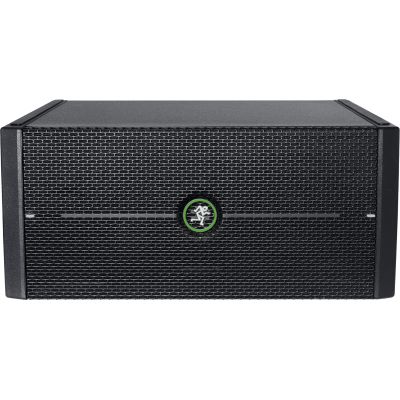
A modular top-and-sub system scales more easily for a live band followed by a DJ programme.
Throw distance and even distribution become dedicated planning topics and should be treated as a complete sound reinforcement system.
Separate subwoofers are not essential for moderation alone. As soon as live bands, dance music, pop, hip-hop or electronic music are part of the programme, they become an important part of the main PA.
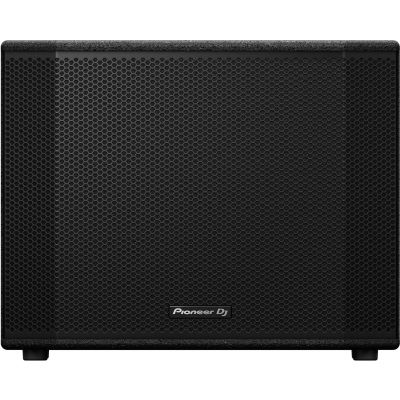
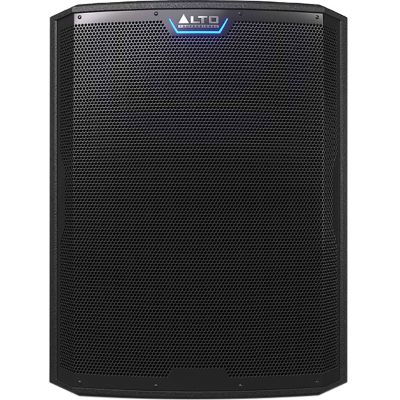
15-inch subwoofers can provide an attractive compromise between bass performance and transport for mobile productions. 18-inch systems offer more reserve for larger stages and dance areas.
With several subwoofers, positioning strongly affects the result. More cabinets do not automatically mean more bass at every position across the site.
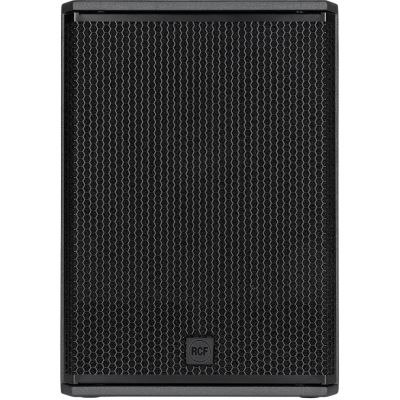
Several bands, presenters and playback sources quickly create a large number of channels. A digital mixer provides stored scenes, channel processing, effects and several monitor mixes, while a stage box or multicore connects stage and FOH.
The input list becomes the basis for channel allocation, microphone requirements and the changeover concept.
Digital stage boxes must explicitly be compatible with the mixer system being used.
Base configurations can be prepared in advance. Before recalling a scene, still check which channels, routing and levels will actually be restored.
Wireless handheld microphones are ideal for moderation, interviews, awards and audience interaction. When several wireless systems operate simultaneously, frequency ranges should be planned together and tested at the actual event location.
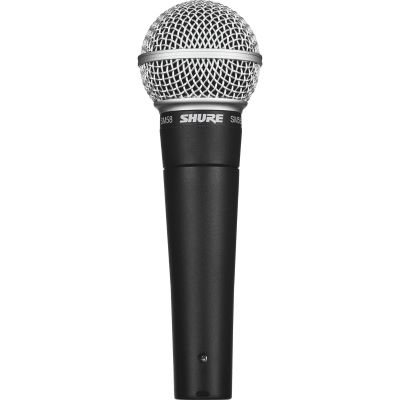
A wired microphone remains a useful uncomplicated backup.
Suitable for a dedicated host and classic stage announcements.
More convenient for interviews, award ceremonies and frequent speaker changes.
For several performers, consider transmitters, receivers, batteries and frequency planning as one system.
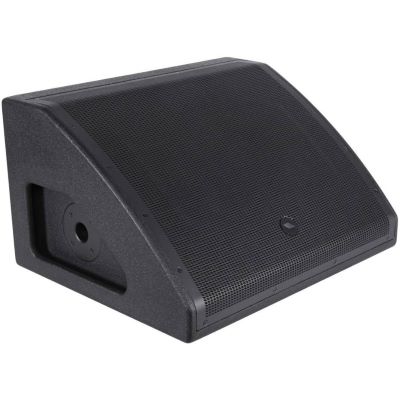
Traditional stage monitors are quick to position. Singers, guitarists and other musicians can receive different monitor mixes according to their needs.
In-ear monitoring can reduce on-stage sound levels. Guest bands often bring their own systems, so interfaces, routing and technical responsibilities should be clarified before the event.
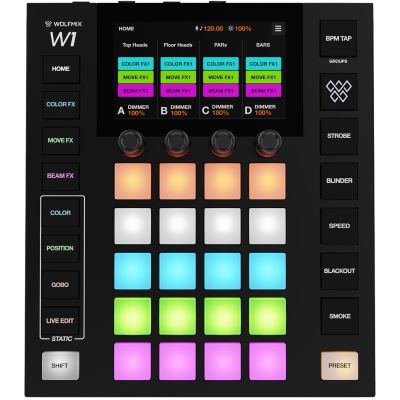
Front lighting keeps presenters and performers visible. Coloured wash fixtures shape the stage and backdrop, while moving lights and effects can expand the concert and DJ programme later in the evening.
DMX control combines the individual fixtures into reproducible scenes.
Illuminate faces and presenters clearly.
Colour the stage and backgrounds.
Add movement and energy to concerts and DJ sets.
Control scenes and programme items reproducibly.
Outdoor use: protection rating, manufacturer instructions, positioning, wind and weather effects must be checked individually for every fixture and every mounting method.
For larger town festivals, a professional trailer or mobile stage can be useful. Area, load, side wings and installation location need to suit the planned programme.
Audio, lighting, backline and additional consumers need a coordinated electrical plan. Larger distribution systems belong in qualified professional hands.
The mixing position should have a useful acoustic and visual connection to the stage while also being protected from unauthorised access and weather.
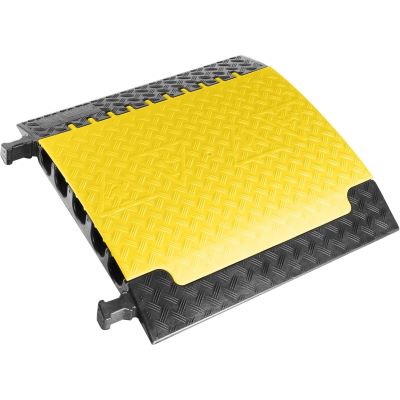
Visitor and working routes that must cross technical cables require suitable mechanical cable protection.
These examples cover mobile and expandable systems. A large public town festival still requires separate dimensioning of PA, stage, electrical supply and infrastructure.
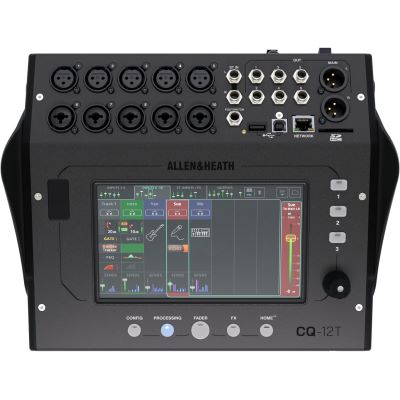
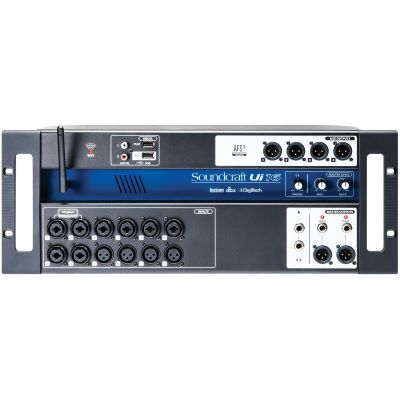
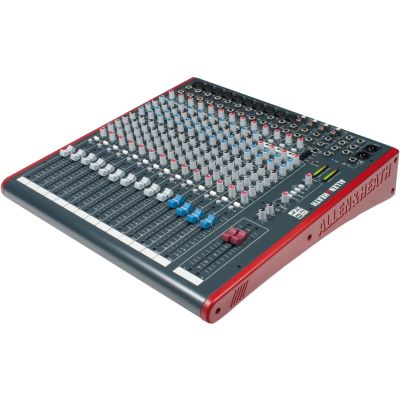
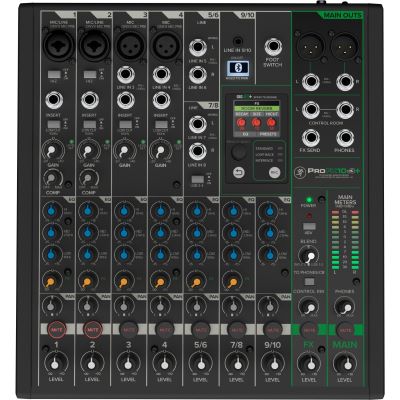
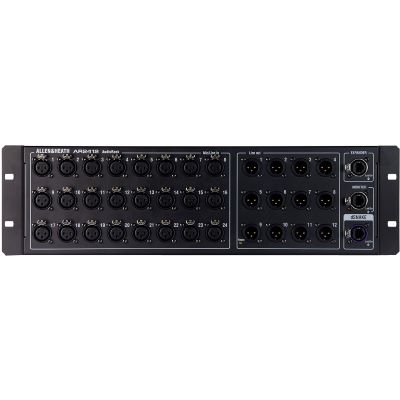
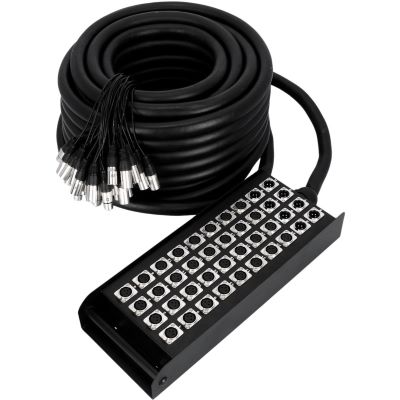


Microphones, DI boxes and instruments receive fixed channel numbers. Stage box, multicore and mixer should use the same labelling so faults can be found much more quickly during fast artist changeovers.
The main mix serves the audience while monitor paths serve the performers. Additional sound zones over greater distances should not simply receive an unaligned duplicate of the main signal.
Guide status: 24 August 2026. Wireless frequency ranges, electrical supply, weather protection, rigging, stage engineering and PA system sizing need to be checked for the specific venue. Safety-relevant installations belong in qualified hands.
A small cable failure or empty transmitter battery should not interrupt the programme. Prepare the most important reserves before the first act starts.









Not every component required for a large town festival has to be purchased. Musikhaus Korn offers event, sound and lighting equipment, barriers and mobile large-format stages through its rental service and can also provide technical personnel for events.
Mobile trailer stages are particularly useful when a professional outdoor stage is only required for individual events.
This depends on the visitor area, programme and distance. A small local festival can use mobile active systems. For a large town square with live bands, the PA should be designed as a complete sound reinforcement system.
None are required for speech-only applications. Bands and DJs typically need several appropriately sized low-frequency systems. Quantity and positioning should be planned together.
It collects signals directly on stage and keeps the connection to the mixing position organised. Digital stage boxes must be compatible with the mixer system being used.
Yes, particularly when several bands perform. Scene memory, extensive channel processing and several monitor paths make changing live setups easier to manage.
One handheld transmitter is sufficient for simple moderation. Two systems are more comfortable for interviews, awards and fast speaker changes.
This depends on the line-up and the required individual monitor mixes. Active stage monitors and in-ear systems are typical solutions.
Only when the manufacturer instructions, protection rating and actual conditions permit it. A covered position does not automatically make an indoor fixture weatherproof.
Avoid crossings wherever possible and protect unavoidable routes with suitable cable bridges. Required load capacity depends on the actual use of the route.
When a professional outdoor stage is only needed for a few events each year. The stage and additional infrastructure can then be sized specifically for each production.
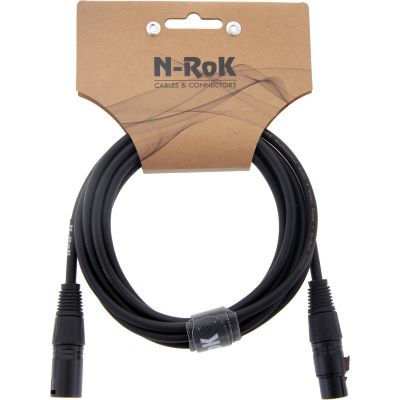
A backup microphone, audio, DMX and network cables, batteries or rechargeable batteries, a second playback option and documented channel plans are among the most important reserves.
Event equipment for a town festival combines sound reinforcement, moderation, live music, lighting and infrastructure. Active speakers or larger PA systems cover the visitor area, while subwoofers provide the bass foundation for live bands and DJs.
Digital mixers and stage boxes organise extensive stage signals and provide several monitor mixes. Wireless microphones simplify interviews and moderation, while lighting shapes the stage and evening programme.
Cable bridges, cases and structured signal routes help keep the complete technical setup organised. Large public town festivals can additionally use mobile large-format stages, extra sound and lighting equipment and technical support through the Musikhaus Korn rental service.
Discover further guides covering open-air events, club festivals, bands, DJs, schools and auditoriums, theater, PA systems, microphones, lighting and complete event technology.