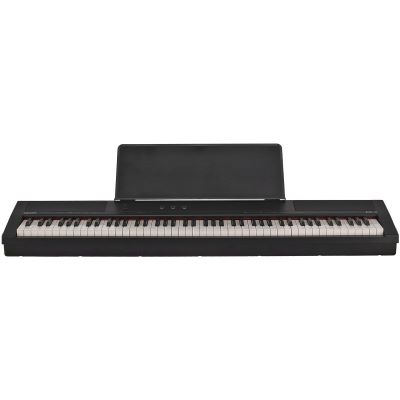
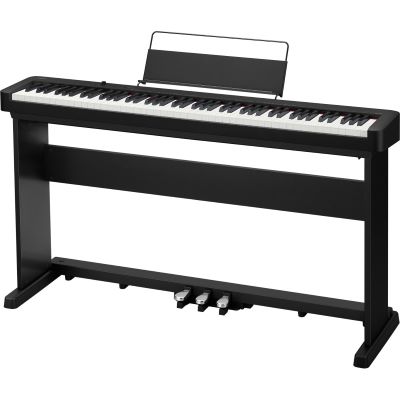
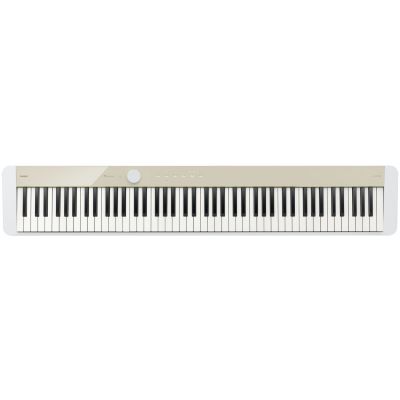
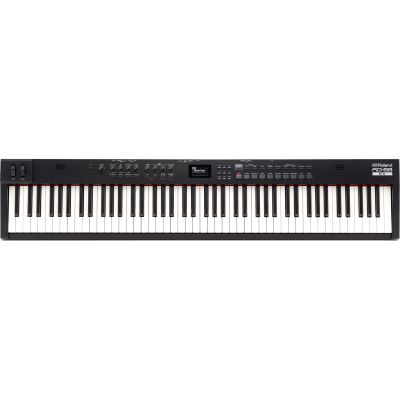
Digital Piano with Hammer Action
For lessons and piano-oriented playing, 88 weighted keys, a convincing piano sound, a sustain pedal and a headphone connection are sensible priorities.

Digital piano, stage piano, keyboard, synthesizer or MIDI controller? Compare the keybed, number of keys, sound engine, construction and connections. Then complete your instrument with a suitable stand, seat, pedals, headphones, bag and sound-reproduction system.
Begin with the intended use. Piano lessons, song accompaniment, live performance and music production place different demands on the keybed, sound generation, speakers and connections.
For lessons and piano-oriented playing, 88 weighted keys, a convincing piano sound, a sustain pedal and a headphone connection are sensible priorities.
Stage pianos combine a playable keybed with a portable design, direct controls and outputs for an amplifier, mixing console or PA system.
Home, learning and arranger keyboards provide built-in speakers, numerous sounds, automatic accompaniment and functions for complete arrangements.
Synthesizers generate their own sounds. MIDI keyboards control software, virtual instruments or external sound generators in the studio.
Quick classification: choose a digital piano for piano-oriented learning, a keyboard for automatic accompaniment, a stage piano for flexible live setups and a synthesizer or MIDI controller for sound design and music production.
Keyboard instruments are played using a keyboard or several manuals. The sound may be produced electronically, digitally, by strings or by bellows. The range therefore extends from a compact learning keyboard to a home piano, stage instrument, synthesizer and accordion.
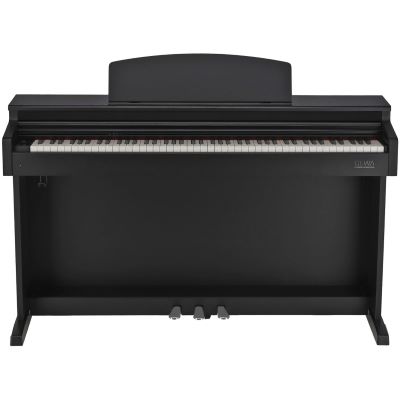
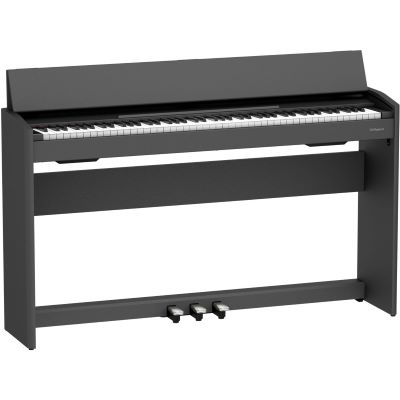
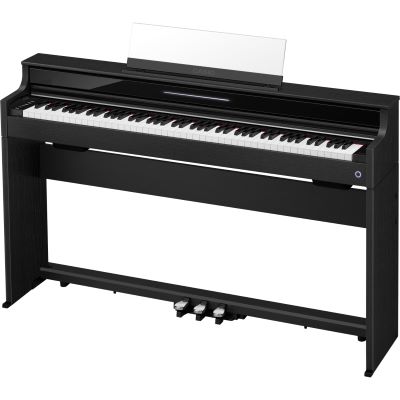
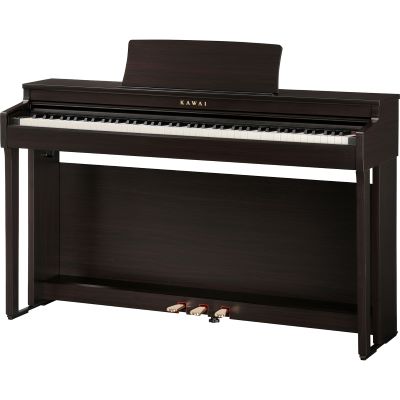
Piano-like keybeds, integrated speakers and furniture-style or portable designs for lessons, regular practice and playing at home.
Portable pianos with direct controls, performance sounds and audio outputs for rehearsals, bands, live performances and mobile setups.
Sounds, rhythms, learning functions and built-in speakers for first songs, chords, accompaniment patterns and recreational music-making.
Automatic accompaniment, registrations, styles and performance functions for complete arrangements and live entertainment.
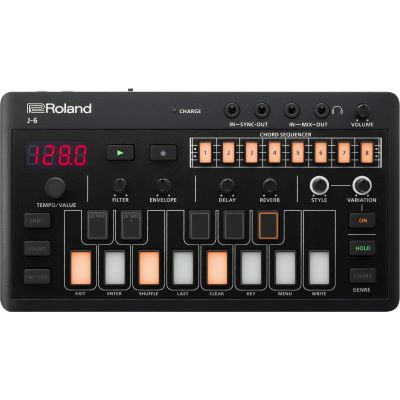
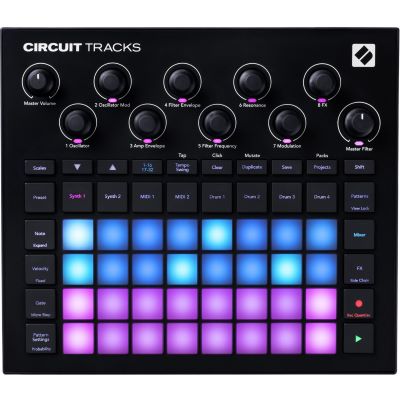
Synthesis, sequencing, sampling and performance functions for electronic music, sound design and experimental tracks.
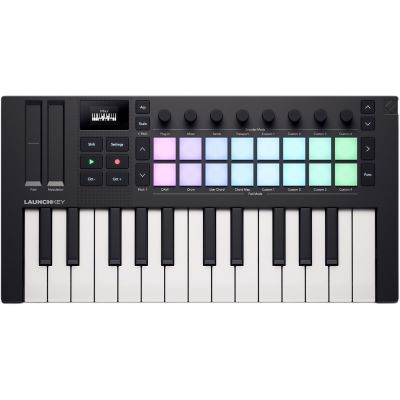
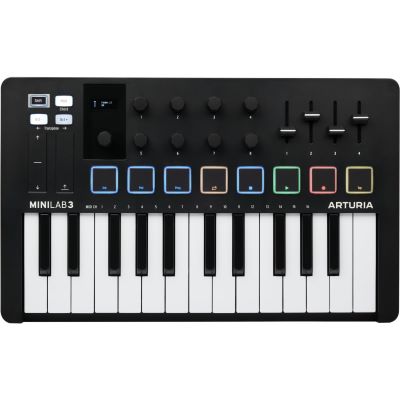
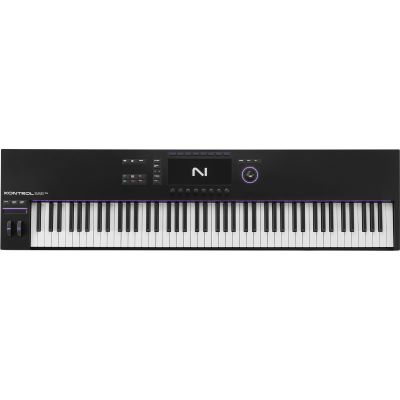
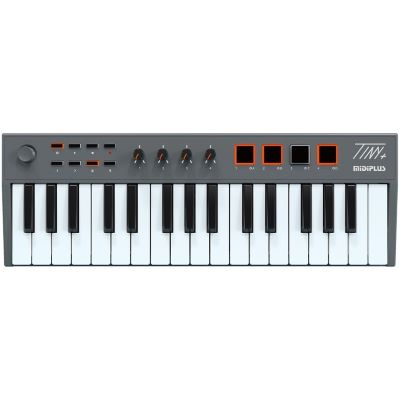
Controllers for DAWs, software instruments, sound modules and external synthesizers, ranging from compact mobile keyboards to 88-key hammer-action models.
Electronic organs provide specialised organ sounds, registrations and, depending on the model, several manuals.
Accordions combine piano keys or buttons with mechanical bellows and suit numerous traditional and modern styles.
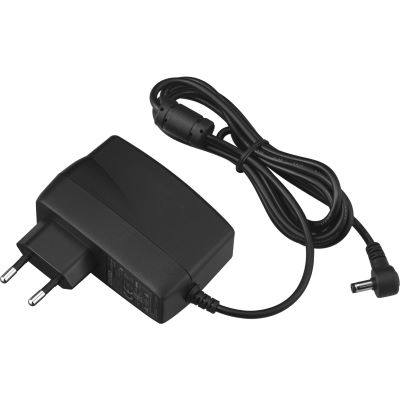
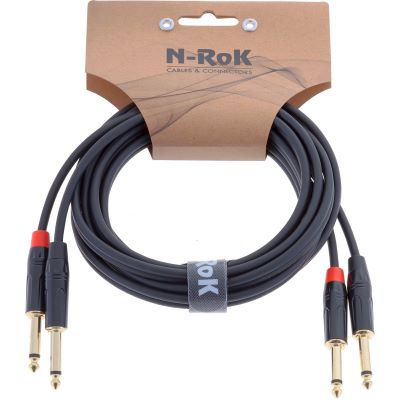
Stands, benches, pedals, bags, headphones, amplifiers, lights, cables and power supplies complete the setup.
These names describe different priorities. On smaller screens, the comparison table can be moved horizontally.
| Instrument Type | Typical Goal | Keybed | Sound Generation | Speakers | Typical Use |
|---|---|---|---|---|---|
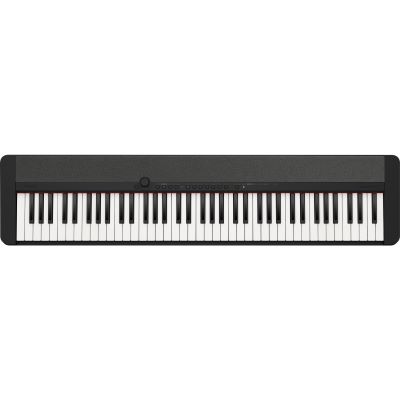
| Digital Piano | Piano playing and lessons | Usually 88 weighted keys | Integrated piano sounds | Usually built in | Home and music school |
| Stage Piano | Mobile piano playing | Often 73, 76 or 88 keys | Pianos, electric pianos and organs | Depends on the model | Band, stage and rehearsal |
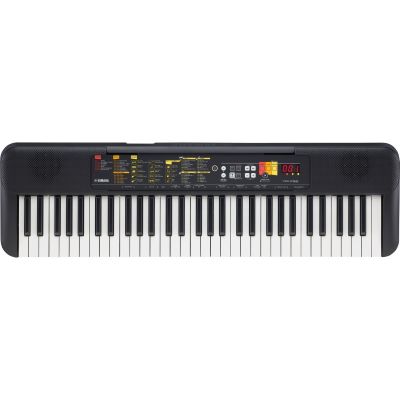
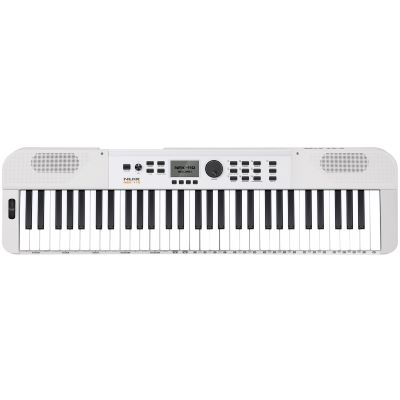
| Home Keyboard | Learning and versatile music-making | Often 61 or 76 light-action keys | Sounds, rhythms and learning functions | Built in | Beginners and leisure |
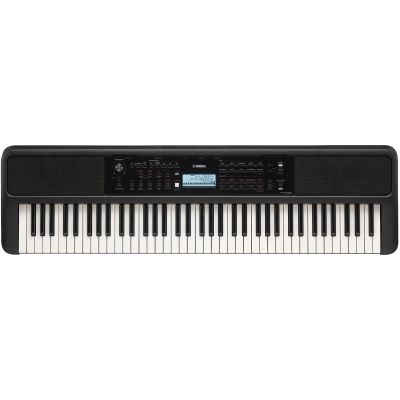
| Arranger Keyboard | Complete accompaniment | Usually 61 or 76 keys | Styles and registrations | Frequently built in | Performances and solo entertainers |
| Synthesizer | Shape and perform sounds | Mini keys through to standard keys | Independent synthesis engine | Rarely built in | Studio and electronic music |
| MIDI Keyboard | Control software and hardware | 25 to 88 keys | Usually no integrated sounds | Not required | DAW and home studio |
The longest feature list is not what matters most. Playing feel, tonal range, space requirements, sound reproduction and compatible connections are the decisive factors.
Hammer-action keybeds support a piano-like playing technique. Light-action or semi-weighted keys respond more quickly for organ, synthesizer and accompaniment-keyboard parts.
49 keys save space, 61 are versatile, 73 or 76 provide additional range and 88 reproduce the complete piano keyboard.
Include the instrument, stand, bench, pedal travel and cables. Folding stands and especially slim instruments help in smaller rooms.
Digital pianos and home keyboards can often be heard directly. Depending on the model, stage pianos and synthesizers require headphones, an active monitor, a keyboard amplifier or a PA.
USB commonly transmits MIDI data. Traditional MIDI sockets connect hardware directly, while line outputs carry the audible audio signal.
Check the cable type, pedal socket, power supply, operating system and existing sound generation for the specific model.
Additional outputs, MIDI, splits, layers, registrations and pedal options are useful for future recording, rehearsals and sound design.
Practical rule: choose the keybed and instrument format according to the way you want to play, then check speakers, outputs, pedal connections and the required accessories for that exact model.
Once you have chosen the general direction, specialist guides help you decide on the keybed, construction, accompaniment functions and accessories.
This selection covers different learning, home, stage and production solutions. Full specifications and available variants are shown on each product page.
Home-oriented instruments with hammer-action keybeds, speakers and pedal options.
From a compact portable piano to a powerful central instrument for the stage.
Sounds, accompaniment rhythms and speakers for different musical goals.
Instruments for sound design, sequences, chords and electronic tracks.
From a mobile controller to an 88-key hammer-action keyboard.
Stands, benches, pedals, headphones, bags, amplifiers, lights, power supplies and cables perform different tasks. Pedals, bags, furniture stands and power supplies must be matched especially carefully to the specific instrument.
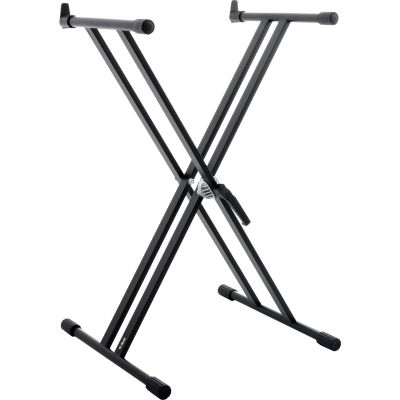

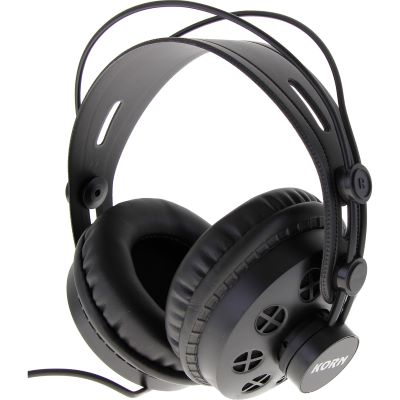
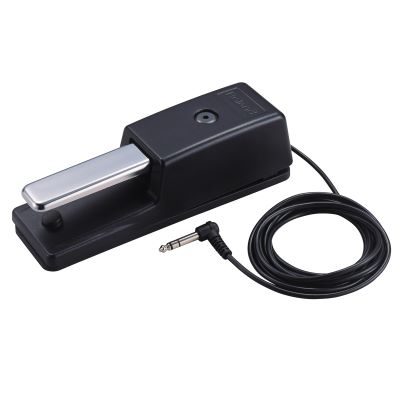
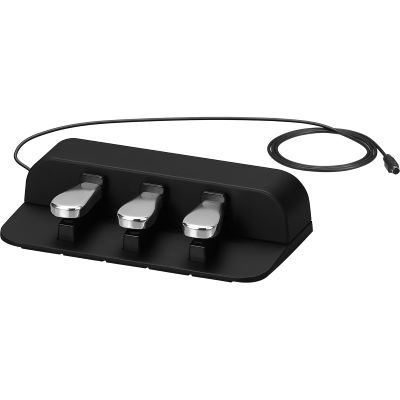

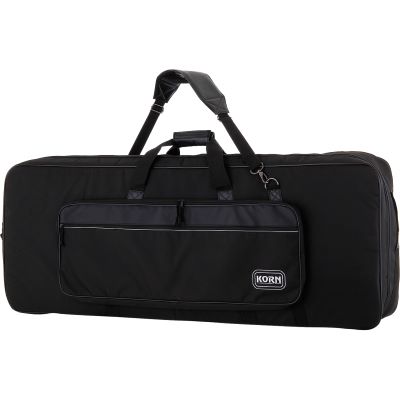
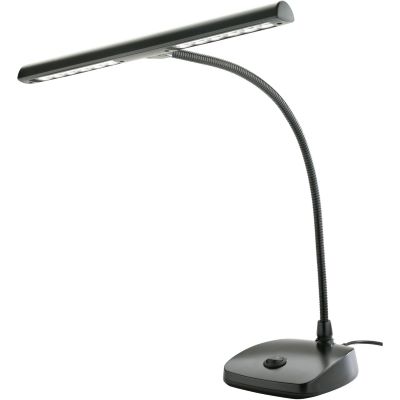
Load capacity, support depth and playing height must suit the instrument. The right seat height helps keep shoulders and wrists relaxed.
Sustain, expression and three-pedal units are not automatically universal. Check the connector, polarity and manufacturer approval.
Compare the instrument’s width, depth and height with the bag’s internal dimensions. Accessories should not rest unsecured on the keys.
The output sockets determine the required audio cable. Voltage, current, polarity and connector must match exactly when choosing a power supply.
Compatibility comes first: accessories with similar names may use different connectors or dimensions. Always compare the instrument specifications with the selected pedal, power supply, furniture stand or transport product.
The manufacturer pages combine instruments, product series and matching accessories within the Musikhaus Korn shop.










A digital piano with 88 weighted keys is a sensible choice for traditional piano lessons. For first songs, rhythms and a broad range of sounds, a home keyboard is often more straightforward.
A digital piano concentrates on piano sound and a piano-oriented playing feel. A keyboard usually provides lighter keys, more sounds, rhythms and automatic accompaniment.
61 keys are sufficient for many pop, keyboard, synthesizer and production tasks. For traditional lessons and the complete piano range, 88 keys are generally the better long-term choice.
Weighted keys are useful for developing a piano-oriented technique. Light-action keys can respond more quickly and feel more comfortable for organ, synthesizer, arranger keyboard and mobile production tasks.
Most MIDI keyboards do not generate their own sound. They send control data to a computer, tablet, software instrument, synthesizer or sound module.
Yes. Models with built-in speakers can be heard directly. Otherwise, headphones, active monitors or a keyboard amplifier are required. A fixed furniture stand can make the setup look more suitable for a living space.
A stable stand, a suitable bench, at least one sustain pedal and appropriate headphones are useful. Depending on the application, a bag, piano light or external sound-reproduction system may also be needed.
Compare the model approval, connector, polarity, dimensions and load capacity. The exact manufacturer assignment is especially important for pedals, power supplies, furniture stands and three-pedal units.
The Musikhaus Korn team can help you choose an instrument and assemble a compatible setup with a stand, bench, pedals, headphones, bag, cables and sound-reproduction equipment.
This keyboard instruments guide takes you from your musical objective to a complete setup. A digital piano supports piano-oriented learning, a stage piano remains flexible for rehearsals and performances, a keyboard provides sounds and automatic accompaniment and a synthesizer opens up individual sound worlds. MIDI keyboards connect the keybed with software instruments and modern production environments.
Consider the keybed weight, number of keys, required floor space, speakers, connections and accessories together. This produces more than a random individual purchase: it creates a playable setup that suits the room, musical style and future plans.
Explore further buying guides for musical instruments, studio equipment, DJ equipment and event technology.