Vocal Studio
Two-channel interface, large-diaphragm microphone, closed-back headphones, microphone stand and pop filter.

A surprisingly complete home studio can already be built for €500. The decisive question is what you want to use it for. Vocal recording benefits from a good microphone, guitarists need a suitable interface and flexible monitoring, while beat producers can invest more of the budget in MIDI control and monitoring. Here you can compare three complete routes and suitable alternatives for your personal recording setup.
Do not automatically buy an interface, microphone, MIDI keyboard and studio monitors at the same time. Depending on your music project, some components are essential while others are initially unnecessary.
Two-channel interface, large-diaphragm microphone, closed-back headphones, microphone stand and pop filter.
Interface, headphones, compact monitors and an instrument microphone for direct and amplifier recording.
Interface, MIDI keyboard, headphones, monitor pair and controlled loudspeaker positioning.
The interface and monitoring form the technical basis in almost every case. The remaining distribution depends on the most important recording source.
For vocals, enough budget should remain for stable microphone positioning, an XLR connection and a pop filter. Studio monitors can follow later.
Guitars and basses can be connected directly to a suitable interface. An additional dynamic microphone later makes it possible to record a real amplifier.
If you mainly work with virtual instruments, you do not initially need a studio microphone and can invest more of the budget in control and monitoring.
Make sure you can record first. Add comfort and additional sound options afterwards.
| Feature | Vocals | Guitar | Producing |
|---|---|---|---|
| Microphone | Large diaphragm | Instrument microphone | Initially optional |
| Interface | 2 inputs | Compact | 1 input is often sufficient |
| Headphones | Closed-back | Closed-back | Semi-open can be suitable |
| Monitors | Later | Already included | Already included |
| MIDI | Optional | Optional | 25-key controller |
| Example Price | €461.90 | €425.80 | €439.90 |
Two inputs provide more flexibility than a pure single-source interface. For example, you can record voice and a directly connected instrument separately or add a second microphone later.
| Component | Product | Price* |
|---|---|---|
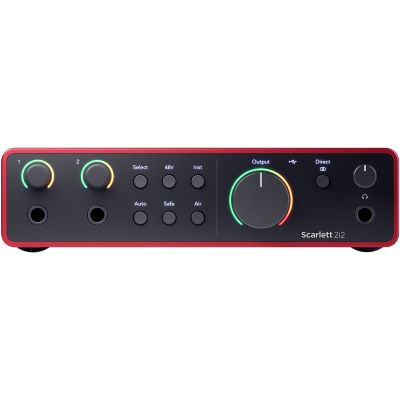
| Audio Interface | Focusrite Scarlett 2i2 4th Gen | €199.00 |
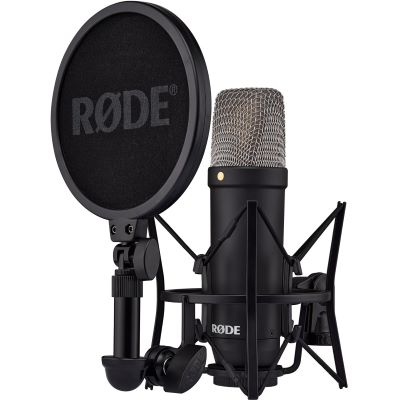
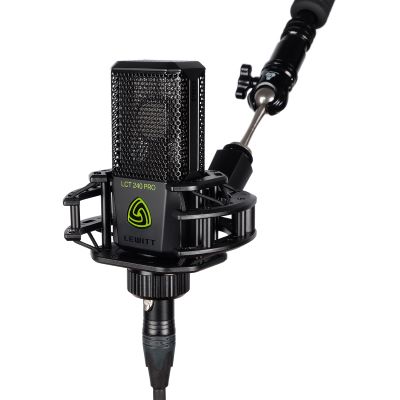
| Microphone + Shock Mount | Lewitt LCT 240 PRO BK VP | €135.00 |
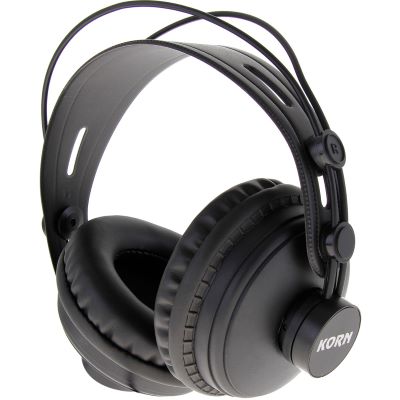
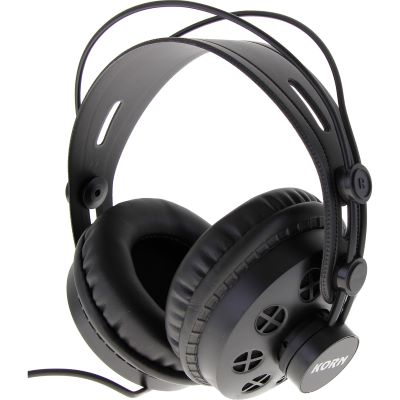
| Headphones | KORN DK-770 | €59.00 |
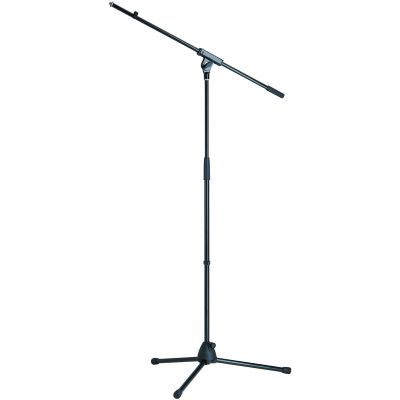
| Microphone Stand | K&M 27105 | €33.00 |
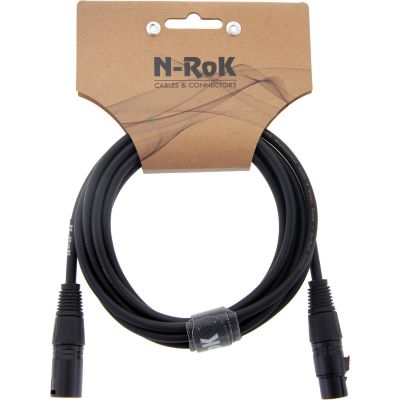
| XLR Cable | N-RoK Premium XLR 3 m | €13.90 |
| Pop Filter | K&M 23956 Pop Filter | €22.00 |
| Total | Complete Vocal Signal Path | €461.90 |
This setup supports two recording routes: play electric guitar or bass directly into the interface, or record an existing guitar amplifier using a dynamic instrument microphone.
| Component | Product | Price* |
|---|---|---|
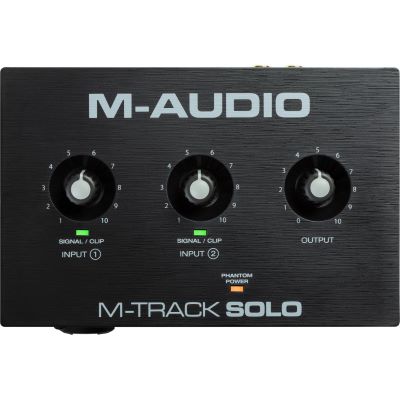
| Audio Interface | M-Audio M-Track Solo | €49.00 |
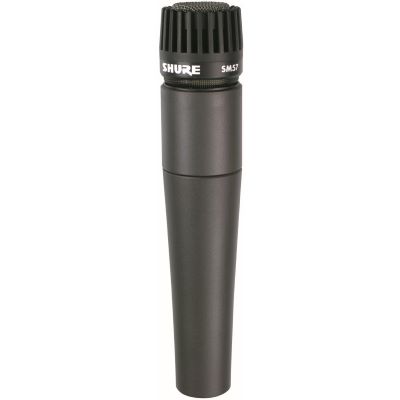
| Instrument Microphone | Shure SM57 LC | €129.00 |
| Headphones | KORN DK-770 | €59.00 |
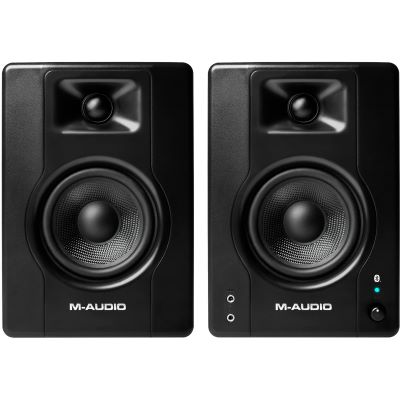
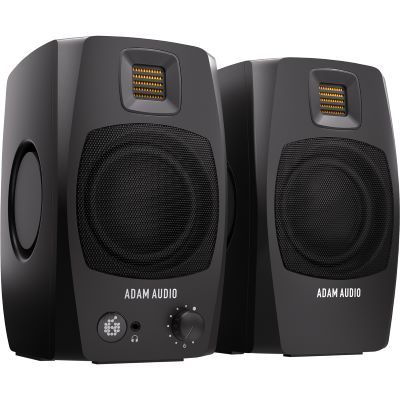
| Monitor Pair | M-Audio BX4BT Pair | €119.00 |
| Microphone Stand | K&M 27105 | €33.00 |
| XLR Cable | N-RoK Premium XLR 3 m | €13.90 |
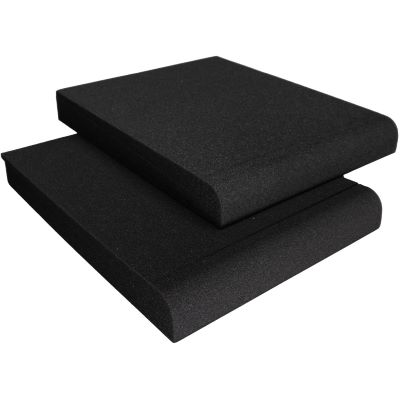
| Monitor Pads | N-RoK Isolation Pads Pair | €22.90 |
| Total | Direct & Microphone Recording | €425.80 |
With electronic music, the studio microphone can initially be left out completely. This means the same budget can cover MIDI control, headphones, monitor loudspeakers and better loudspeaker positioning.
| Component | Product | Price* |
|---|---|---|
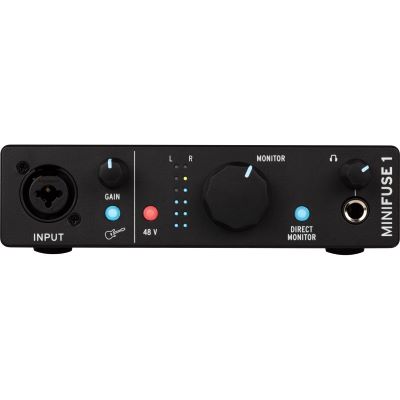
| Audio Interface | Arturia MiniFuse 1 Black | €91.00 |
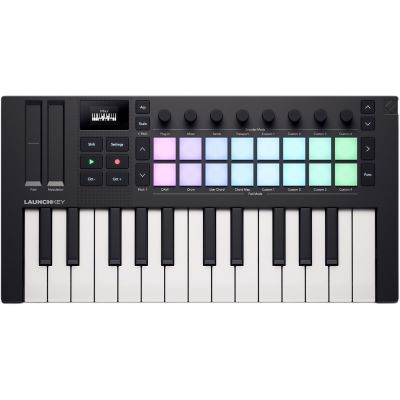
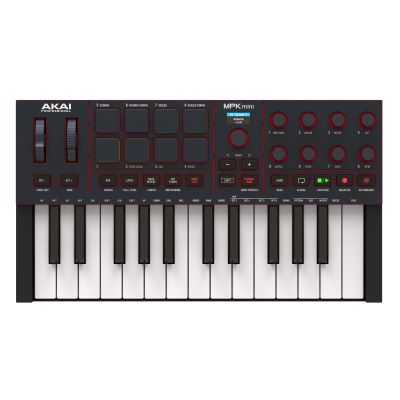
| MIDI Keyboard | Arturia MiniLab 3 White | €99.00 |
| Monitor Pair | M-Audio BX4BT Pair | €119.00 |
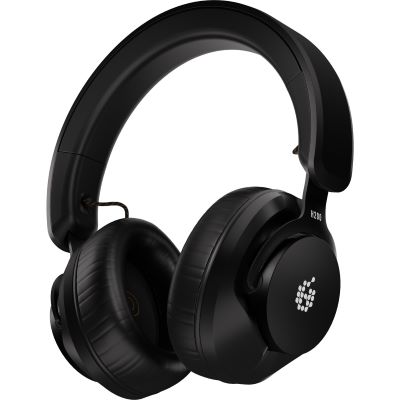
| Headphones | KORN DK-880 | €59.00 |
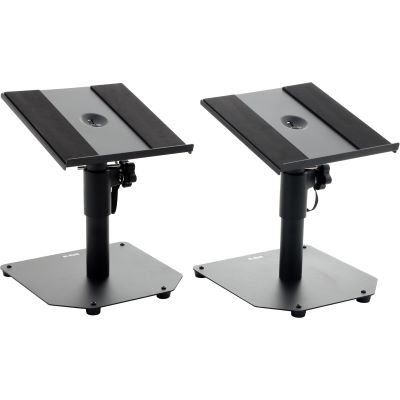
| Desktop Stands | N-RoK TSMS1 Pair | €49.00 |
| Isolation Pads | N-RoK Studio Monitor Pads | €22.90 |
| Total | Complete Production Workspace | €439.90 |
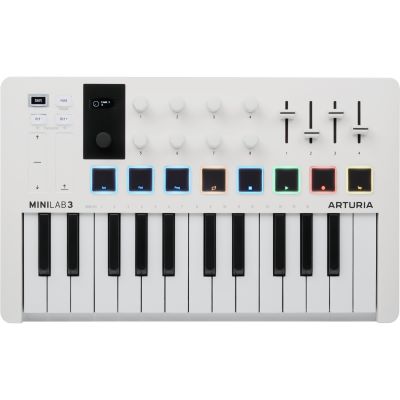
These products can be combined according to your own priorities. Do not compare only the individual price: always consider the complete signal path and the cables that are still required.
Some of the most useful improvements do not require another device. Positioning the listening system and microphone more deliberately should come before buying acoustic products.
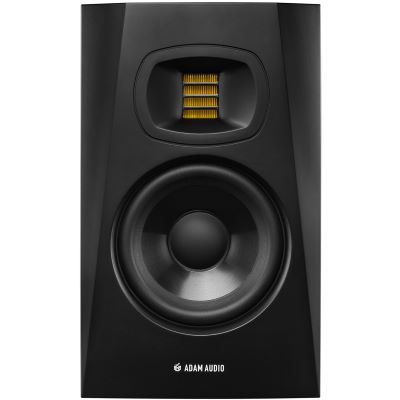
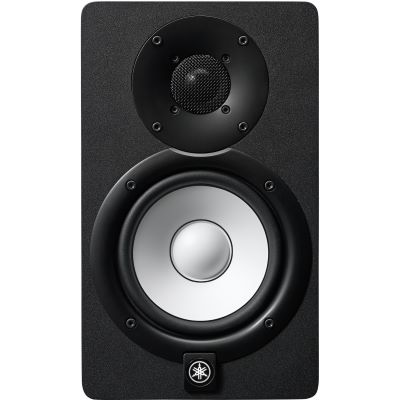
The left and right speaker should have a position that is as similar as possible relative to the room and listening position.
Monitor spacing and distance to the listener should relate sensibly to one another for a stable stereo image.
Recording closer to the voice can increase the direct sound in relation to the amount of room sound.
Acoustic accessories should solve a concrete problem instead of merely filling empty wall space.
Explore additional interfaces, microphones, monitoring and MIDI products from manufacturers represented by the source-listed product examples.









A vocal producer does not automatically need a MIDI keyboard and studio monitors immediately.
Before buying, check the input, output and required connection for every device.
Compact nearfield solutions can be considerably more practical at a small studio desk.
Adapters, a second cable or small expansions are almost always needed at some point in everyday studio work.
Yes. Complete entry-level setups for vocals, guitar recording or beat production can be built for under €500. A clear focus on your own application is important.
For audio recording, the interface and headphones form the basis. For vocals, add a microphone. For electronic music, a MIDI controller is often more important.
Not necessarily. For vocal recording, good closed-back headphones are initially more important. Producers who do not need a microphone can already finance a compact monitor pair.
One input is sufficient for many solo sources that are recorded one after another. Two inputs allow, for example, voice and instrument to be recorded simultaneously or make later stereo recordings possible.
A large-diaphragm condenser microphone such as the Lewitt LCT 240 PRO is a versatile route for voice, speech and acoustic instruments. The audio interface must provide the required phantom power.
Yes. A suitable instrument input on the audio interface can record the guitar signal directly. Amplifier and effect simulations can then be generated in software.
No. If you initially use only virtual instruments, samples and software synthesizers, you can leave the microphone out and invest the money in MIDI control and monitoring.
Closed models are particularly practical for microphone recording because less playback escapes into the room. Semi-open or open models can also be interesting for pure production.
Not necessarily. Various interfaces and MIDI controllers already include entry-level versions of production software. Check the software supplied with the selected hardware first.
Expand the part that is actually limiting you: more inputs, better monitoring, an additional microphone, a larger MIDI controller or a targeted improvement to the workspace.
A home studio under €500 does not have to be a compromise consisting of randomly inexpensive devices. For vocal recording, a two-channel interface, large-diaphragm microphone, closed-back headphones, stand, pop filter and XLR cable can be combined within the budget. Guitarists can combine direct recording and microphone recording, while beat producers can invest deliberately in MIDI control, headphones and compact studio monitors.
The most important step is therefore deciding what will actually be recorded. Inputs, microphone type, headphones, monitor size and accessories can then be selected specifically for that task.
A small remaining amount is not wasted budget. It creates flexibility for cables, adapters and the first useful expansion of the studio.
Audio interfaces, microphones, instruments, DJ equipment and event technology: the central Musikhaus Korn guide connects buying advice, product categories and complete solutions for different music projects.