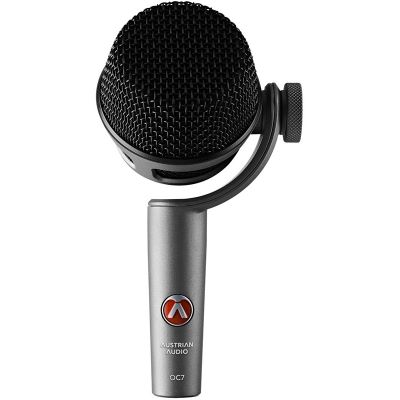
Mic a Guitar Amplifier
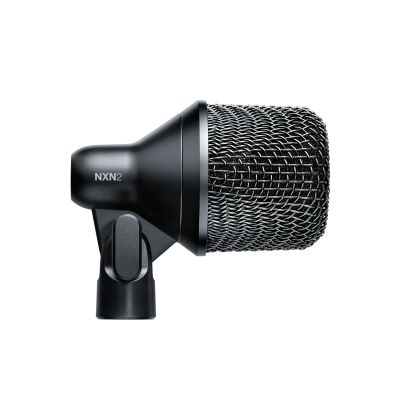
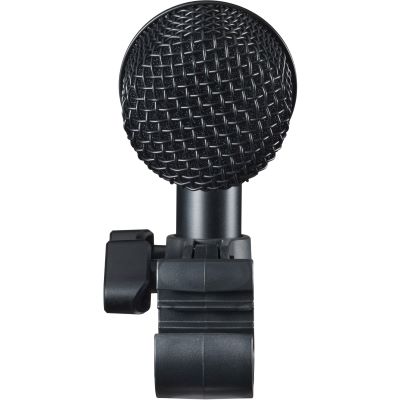
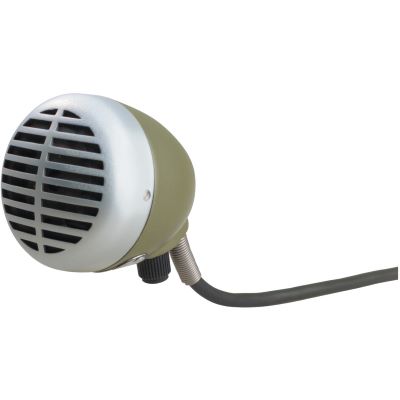
High-SPL dynamic microphones are the classic starting point. Flat models can even hang directly in front of a loudspeaker and do not necessarily require a stand.

Guitar amp, snare, bass drum, acoustic guitar, saxophone or violin: not every instrument needs the same microphone. Sound pressure, frequency range, freedom of movement and the desired sound determine whether a dynamic instrument microphone, condenser microphone, clip-on microphone or complete drum microphone set is the best choice.
Start with the sound source. A loud guitar loudspeaker or snare requires different characteristics from the fine transients of an acoustic guitar or the natural radiation pattern of a violin.
High-SPL dynamic microphones are the classic starting point. Flat models can even hang directly in front of a loudspeaker and do not necessarily require a stand.
Snare and toms are frequently captured with dynamic microphones. Bass-drum microphones are designed for deep frequencies and high levels, while condensers are common for cymbals and overheads.
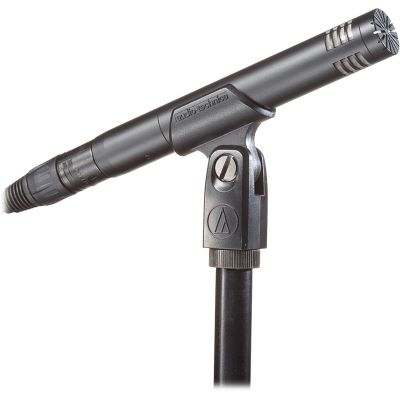
Small-diaphragm condenser microphones are a versatile starting point. On stage, microphones attached directly to the instrument can provide considerably more freedom of movement.
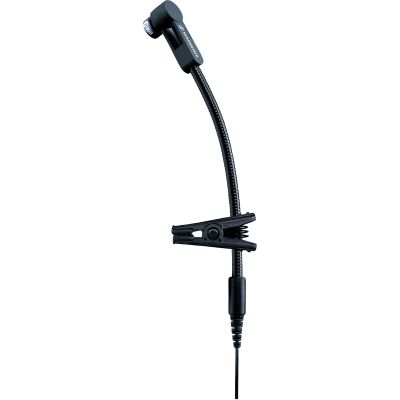
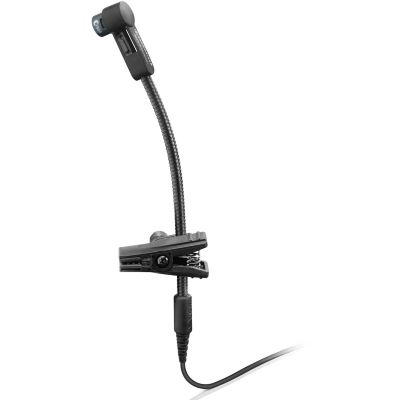
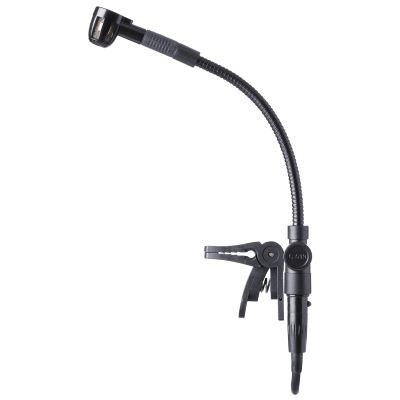
Clip microphones maintain a constant distance while the musician moves. A microphone on a stand can instead capture more of the complete instrument and its overall radiation pattern.
In the studio, a condenser microphone at some distance can reproduce the complete instrument naturally. Clip microphones are popular live because their position remains stable while playing.
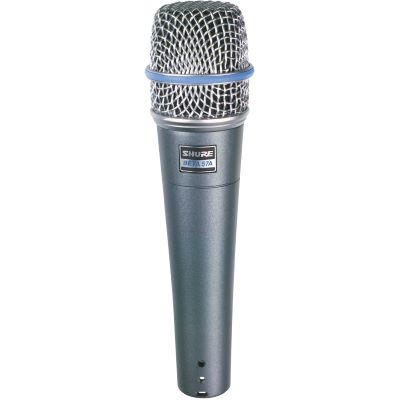
Dynamic classics such as the SM57, Beta 57A or MTP 440 DM can work on guitar amps, snare, percussion and various wind instruments.
Quick rule: loud sources captured from a short distance often favour a robust, high-SPL dynamic microphone. If an acoustic instrument should be captured with maximum detail and natural transients, a condenser microphone is often an excellent starting point.
Specialised categories reduce the selection to microphones whose design, frequency tuning and mounting method make sense for the relevant instrument.
Flat and classic dynamic microphones.
Kick, snare, toms, overheads and complete sets.
Studio and clip microphones for natural string sound.
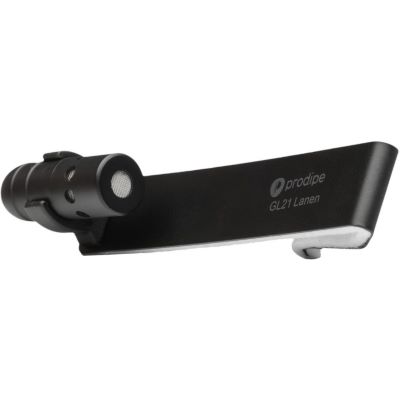
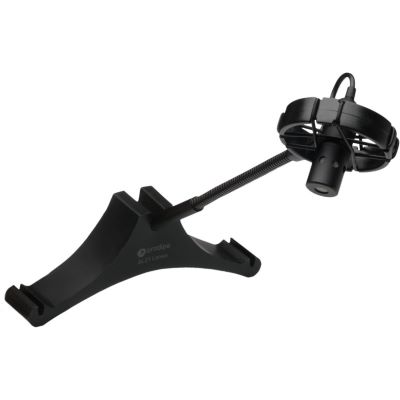
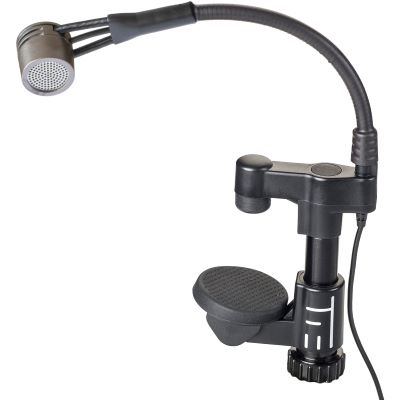
Clip, stand and specialist microphones.
Violin, double bass and related acoustic instruments.
These terms describe different properties. A clip microphone, for example, can also use a condenser capsule.
Designed particularly well for close miking. Typical applications include guitar amps, snare, toms, bass drum, percussion and powerful wind instruments.
Particularly common for acoustic guitar, strings, cymbals, overheads, piano and natural recordings of wind instruments.
Instrument-mounted solutions maintain the same distance independently of the musician's movement. This is especially practical for acoustic guitar, violin, saxophone and trumpet.
The microphone model is only one part of the sound. Distance and angle change bass response, attack, overtones and the relationship between instrument and room.
| Instrument | Good Starting Point | What Moving It Changes | Typical Mistake |
|---|---|---|---|
| Guitar Amp | Close to the speaker, between centre and edge | Towards the centre becomes brighter; towards the edge softer | Choosing the position only by appearance |
| Snare | A few centimetres above the head, aimed towards the centre | Angle changes attack and spill | Placing the microphone in the drumstick path |
| Bass Drum | In front of the resonant head or through its opening | Further inside adds attack; further outside adds body | Searching only for maximum bass |
| Acoustic Guitar | Approximately around the 12th fret | Towards the soundhole becomes fuller; towards the neck more defined | Aiming directly into the soundhole |
| Saxophone | Between bell and key area | More distance can capture a more natural overall sound | Capturing only the bell |
| Violin | Above the instrument with some distance | Greater distance integrates instrument and room | Emphasising only one resonance area from too close |
A loudspeaker cone does not radiate high frequencies equally from every point. Even small sideways microphone movements can therefore alter the sound considerably. Before reaching for the EQ, optimise the position first.
As microphone distance increases, the room contribution increases. In a good recording room this can be desirable. On a loud stage, however, spill from other instruments also increases.
Rule for instrument recording: tune and prepare the instrument first, optimise the microphone position second, then judge microphone choice, preamp gain and EQ.
| Application | Starting Recommendation | Alternative | Most Important Criterion |
|---|---|---|---|
| Electric Guitar Amp | Dynamic close microphone | Condenser or second microphone | Position in front of the speaker |
| Snare & Toms | Dynamic | Specialised clip model | High-SPL handling and spill |
| Bass Drum | Specialised kick microphone | Dual-microphone system | Low end and attack |
| Acoustic Guitar | Small-diaphragm condenser | Clip microphone | Natural sound or freedom of movement |
| Saxophone | Clip condenser live | Stand microphone in the studio | Movement and distance |
| Violin | Condenser with some distance | Clip microphone live | Overall sound or fixed position |
A drum kit can be recorded with very few or with many microphones. More microphones do not automatically produce a better sound; above all, they provide more independent control over the individual drums.
For natural rehearsal or demo recordings, one good overhead plus a kick microphone can already work.
Kick, snare and two overheads provide a flexible basic setup with manageable complexity.
Kick, snare, toms and overheads can be processed independently and controlled in the PA mix.
Additional room, hi-hat or snare-bottom microphones expand the production possibilities.
The selection follows the concrete product links on the current German source page. Prices and stock levels are intentionally not hard-coded.
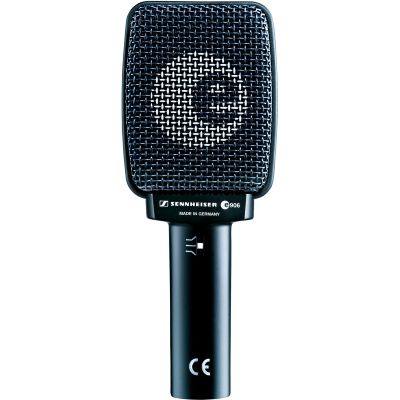
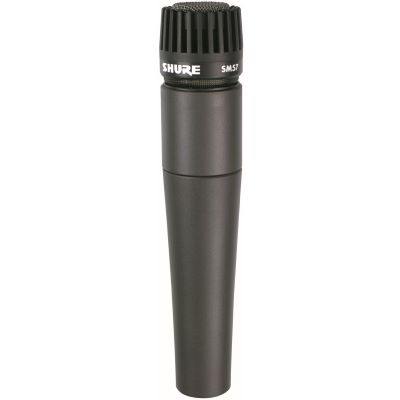


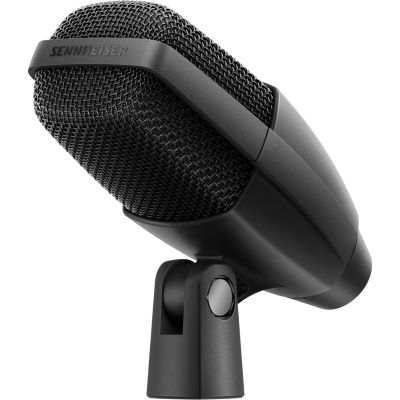

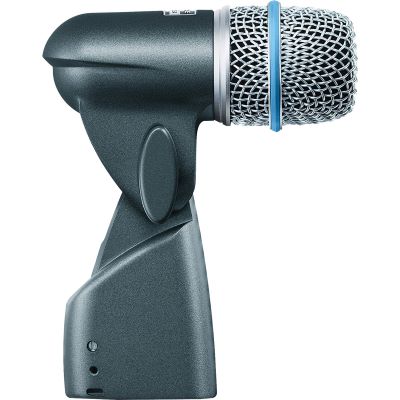
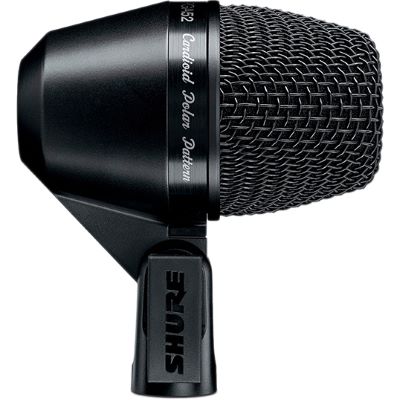
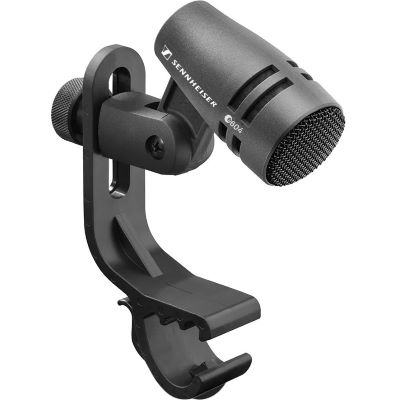
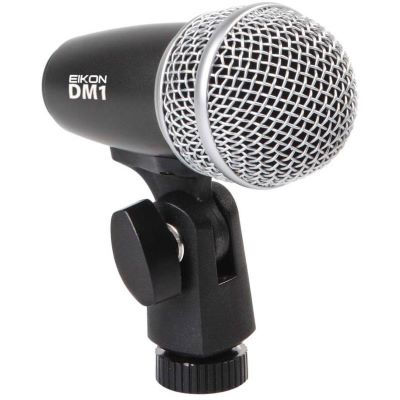
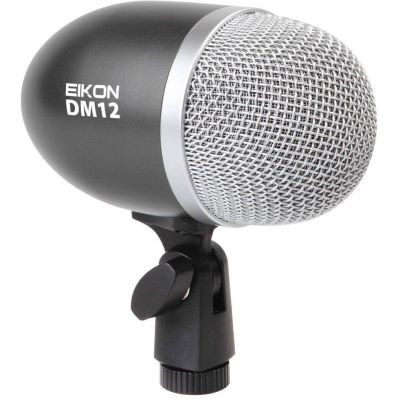
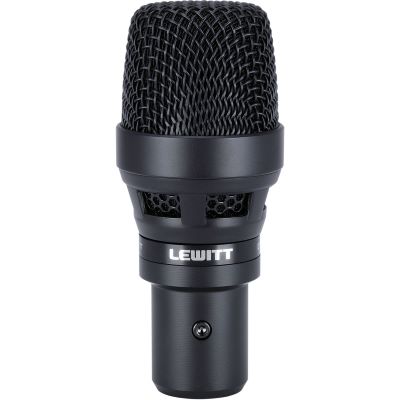
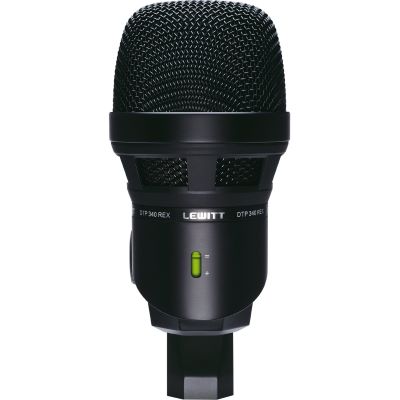
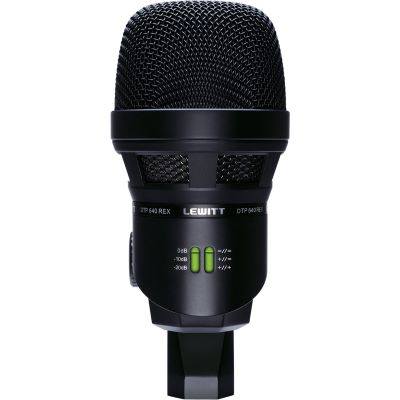
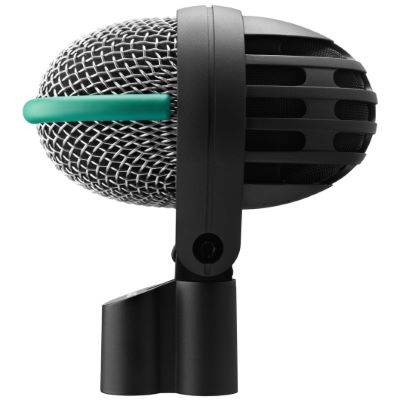
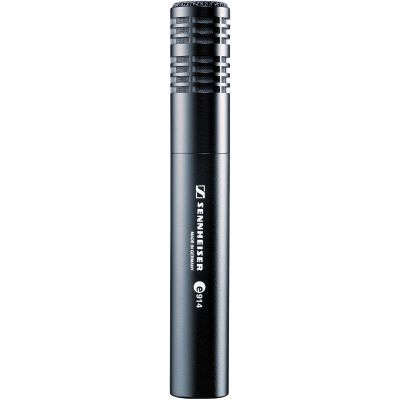

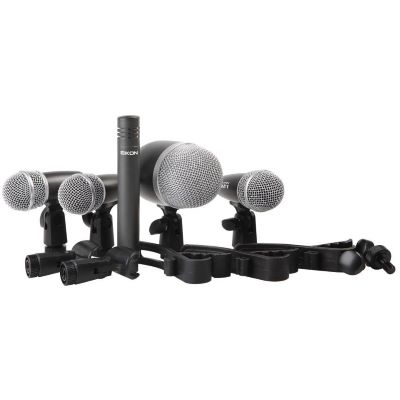
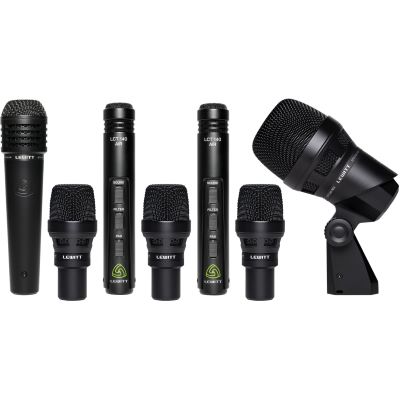

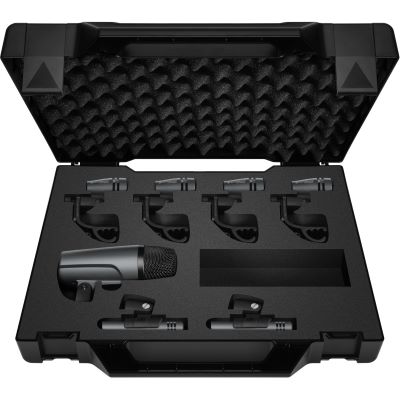
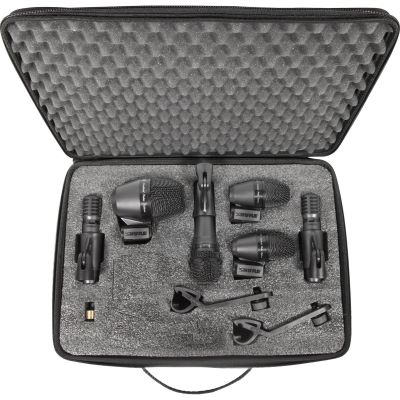
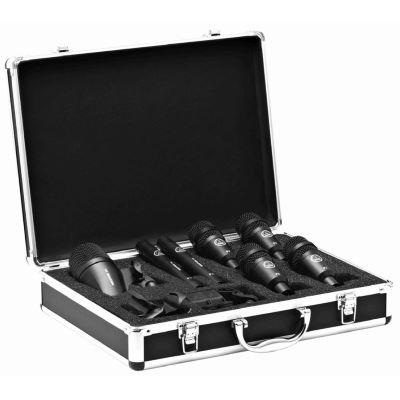
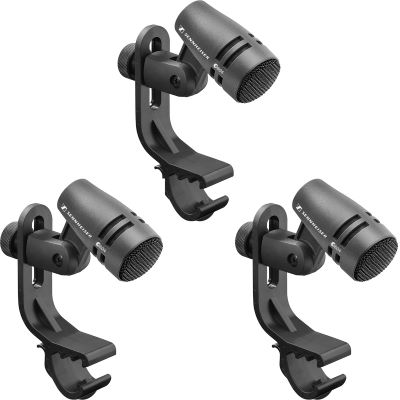



Short stands are useful for guitar cabinets and bass drums, while boom stands are practical for overheads and acoustic instruments.
Robust XLR cables in appropriate lengths are basic equipment both on stage and in the studio.
For recording, the number of microphones used simultaneously determines how many microphone inputs and preamps are required.
Drum clips, holders, windscreens and specialist clamps simplify positioning directly on an instrument.
Many manufacturers offer complete families ranging from one versatile all-round microphone to specialised drum, clip and amplifier microphones.









Compare small-diaphragm, stereo and clip solutions and use the 12th fret as a practical starting point.
Compare clip microphones and stand-mounted alternatives for different wind instruments.
Plan a complete recording setup according to instruments and the number of simultaneous recording channels.
Choose the required number of microphone preamps and inputs for guitars, drums and complete bands.
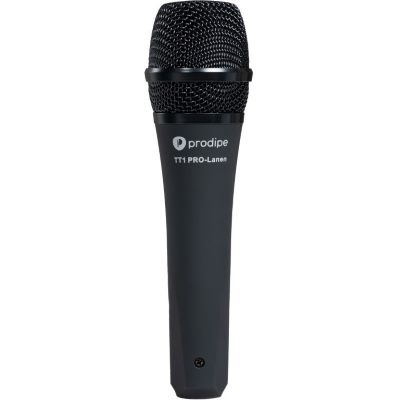
A robust dynamic cardioid or supercardioid microphone is particularly versatile. Models in this class can be used on guitar amps, snare, percussion and many wind instruments.
Dynamic microphones such as the Sennheiser E 906, E 609, Shure SM57 or specialised amp microphones are classic solutions. The exact position in front of the loudspeaker has a major influence on the sound.
High-SPL dynamic microphones are particularly common. Compact positioning, useful directionality and a position outside the path of the drumsticks are important.
A cardioid small-diaphragm condenser microphone is a versatile starting point. Begin around the 12th fret. For live applications, a clip microphone can be a practical alternative.
Dynamic microphones normally do not. Many condenser microphones require a suitable power supply. Clip microphones can also need dedicated power adapters or compatible bodypack transmitters.
Clip microphones are particularly practical live. In the studio, a stand-mounted microphone at greater distance can produce a more natural overall sound. With saxophone, do not consider only the bell because sound also radiates through the key openings.
A set is practical if several parts of a drum kit need to be miked simultaneously and you do not already own suitable microphones. For small recording projects, a deliberately reduced setup with only a few good microphones can also be enough.
Many dynamic vocal microphones also work technically on instruments. A dedicated instrument microphone can nevertheless be more practical because of its design, frequency tuning, directionality or mounting options.
Even very small changes in microphone position in front of the loudspeaker change the sound. Mark a proven position or document the distance and angle for reproducible recordings.
Both matter, but an unfavourable position can sound poor even with an expensive microphone. Before replacing the microphone, it is almost always worth testing distance and angle systematically.
Guitar amplifiers, snare and bass drum primarily demand high-SPL handling and controlled close miking. Acoustic guitars, strings, cymbals and many wind instruments benefit from condenser microphones when detailed transients and natural overtones are important.
Musicians who move around on stage can benefit particularly from clip microphones because the distance between instrument and capsule remains constant.
The microphone model is only the beginning. The final sound is strongly determined by its position. Before making large EQ changes, move the microphone by a few centimetres, change the angle and compare the result again.
Instruments, studio, recording, DJ equipment, sound, lighting and event technology: find further buying advice, comparisons and routes to complete setups in the central guide world.