
Musikhaus Korn Microphone Guide
Condenser or Dynamic Microphone? How to Choose the Right Microphone Type
Condenser microphone for the studio and dynamic microphone for the stage? That rule works as a first orientation, but it is too simple. Your voice or instrument, the recording room, microphone distance, desired sound and available microphone preamp all matter. This guide explains which microphone type suits vocals, podcasting, acoustic guitar, guitar amplifiers, drums and your individual recording setup.
Vocals, Podcast & Instruments
48 V & Gain Explained
Studio & Stage Compared
Related Microphone Topics
Condenser and Dynamic Microphone Quick Facts
Choose by Application, Not by Prejudice
Which Microphone Type Fits Your Recording?
Both types can work in the studio and on stage. These four starting points make the first selection easier.
Condenser for Fine Detail
A large-diaphragm condenser microphone is a classic starting point for vocals. It can capture breath, articulation and subtle dynamic nuances in considerable detail.
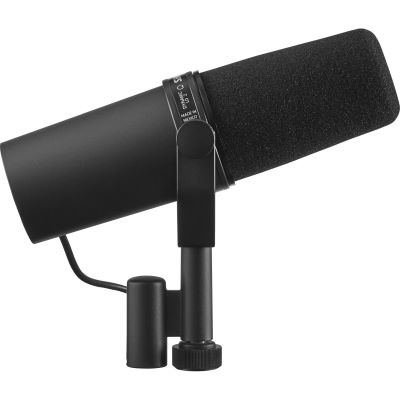
Dynamic at Close Distance
Dynamic microphones are often used very close to the mouth. This can make the direct voice significantly louder relative to room reflections and background noise.
Dynamic and Rugged
Dynamic microphones are extremely popular for guitar amplifiers, snare drums, toms and live vocals because of their rugged construction and straightforward handling.
Condenser for Transients
Acoustic guitar, strings, piano, percussion and drum overheads are often recorded with condenser microphones when fine detail and fast transients matter.
The practical rule:
choose a condenser microphone when detail resolution, quiet sources
and natural transients are most important. Consider a dynamic
microphone when you work very close to the source, want rugged
technology or need a focused sound for stage, speech, drums
or guitar amplifiers.
Two Different Transducer Principles
How Do Condenser and Dynamic Microphones Work?
The main technical difference is the way the movement of sound is converted into an electrical audio signal.
Condenser Microphone
A very lightweight conductive diaphragm works opposite a backplate. The capsule and subsequent electronics require electrical power.
With many professional XLR studio microphones, this power is supplied as 48 V phantom power by an audio interface, mixing console or microphone preamp.
Dynamic Moving-Coil Microphone
The diaphragm, voice coil and magnet form a small electrical generator. Classic passive models therefore require no external supply voltage.
Their output voltage is often lower, so the microphone preamp may need to provide more gain when recording quiet signals.
Does a Condenser Automatically Hear More Room?
Not simply because of its transducer principle. A more sensitive microphone initially provides more output level at the same sound pressure.
The amount of room relative to the source is mainly determined by distance, polar pattern and position.
Can a Condenser Record Loud Sources?
Yes. Depending on the model, modern condenser microphones can handle very high sound-pressure levels.
Dynamic microphones remain popular for loud sources because they are rugged, uncomplicated and extremely practical for close-miking.
Technology Does Not Define Quality
“Dynamic” and “condenser” primarily describe the microphone technology – not automatically its sound, quality or the only correct application.
Do not choose only by microphone type:
polar pattern, microphone distance, frequency response,
maximum SPL, sensitivity, preamp gain and the acoustics of
the room can all be just as important.
Direct Overview
Condenser and Dynamic Microphones Compared
| Feature | Condenser | Dynamic |
|---|---|---|
| Typical Applications | Studio, vocals, acoustic instruments, overheads | Live, podcast, guitar amp, drums, vocals |
| Output Level | Often higher | Often lower with passive models |
| Power Supply | Often 48 V with XLR models | Classic passive models require no power |
| Detail Resolution | Frequently very high | Model-dependent, often deliberately focused |
| Ruggedness | Depends on construction | Traditionally very rugged |
| Gain Requirement | Usually moderate | Can be considerably higher with low-output models |
| Close-Miking | Very possible | Very common for speech and live vocals |
Decide According to the Source
Which Type for Vocals, Podcast, Guitar and Drums?
These are proven starting points, not rigid rules. The particular microphone model and its position remain decisive for the finished sound.
Vocals
A large-diaphragm condenser is a proven starting point. For rock, rap, close-miking or a less controlled room, a dynamic studio microphone can be just as convincing.
Podcast & Voice-Over
Dynamic broadcast microphones work particularly well at short speaking distances. Condenser microphones are interesting when a more open, detailed sound is desired in a controlled room.
Acoustic Guitar & Strings
Condenser microphones are very popular because of their detailed transient response. Small-diaphragm models are easy to position accurately and are also ideal for stereo recording.
Guitar Amplifiers
A dynamic instrument microphone placed directly in front of the speaker is a studio classic. A condenser microphone can complement it with additional room, high-frequency information or a different tonal character.
Drums
Dynamic microphones are widely used for snare, toms and kick. Condenser microphones are especially common for overheads, hi-hat, room pickup and detailed transient reproduction.
Live Vocals
Dynamic handheld microphones dominate many stages, but dedicated condenser vocal microphones can also work extremely well live. Polar pattern and monitor position are crucial.
Assess Your Home Studio Properly
Which Type Works Better in an Untreated Room?
The transducer principle alone does not determine how much room you hear in a recording. Microphone distance is usually considerably more important.
If a dynamic speech microphone is used only a few centimetres from the mouth, the voice is very loud compared with room reflections.
A condenser microphone positioned 40 centimetres away will contain proportionally more room. Move the same condenser microphone closer and that ratio changes.
Also check the available gain reserve of your audio interface. Low-output dynamic microphones can require substantially more preamplification for speech than typical condenser microphones.
Before changing microphone type:
test a shorter microphone distance and a different position.
The direct-to-room ratio can change more dramatically through
positioning than through the choice between condenser and dynamic.
Detailed and Versatile
Condenser Microphones
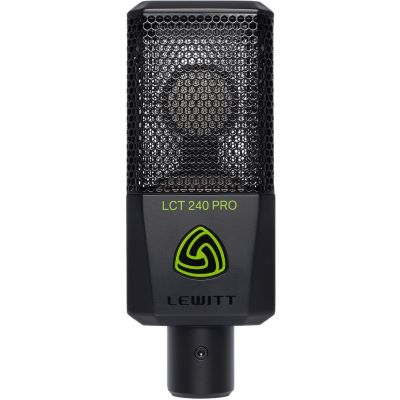
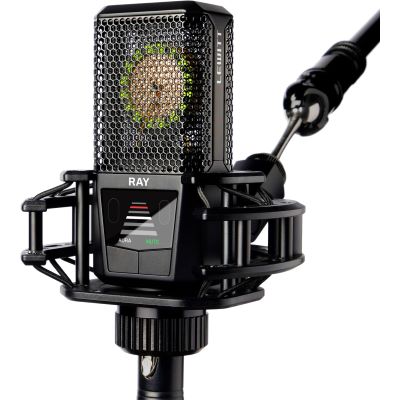
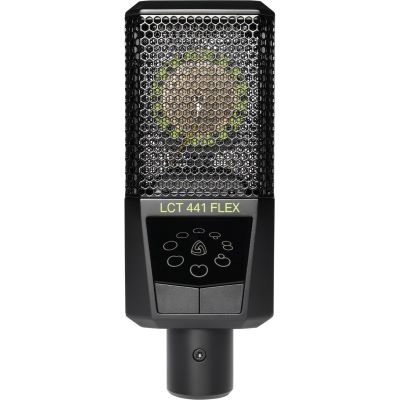
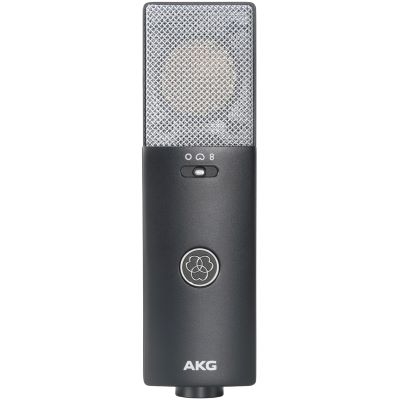
Condenser Microphones for Vocals & Recording
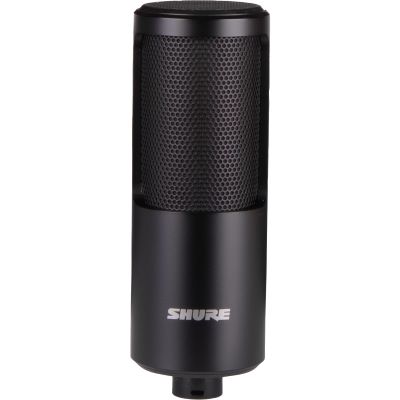
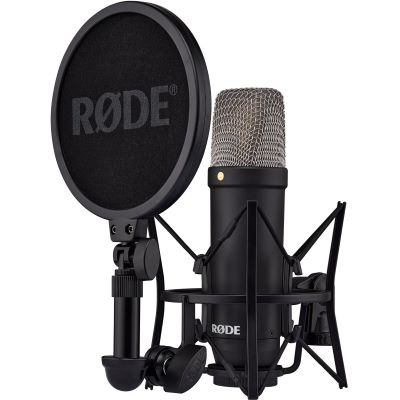
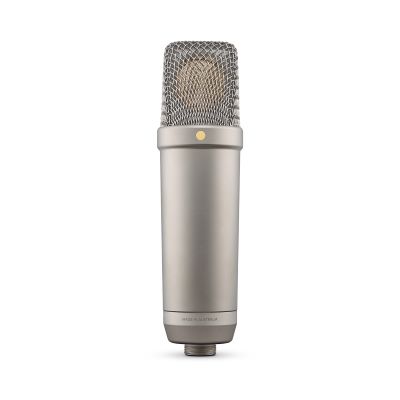
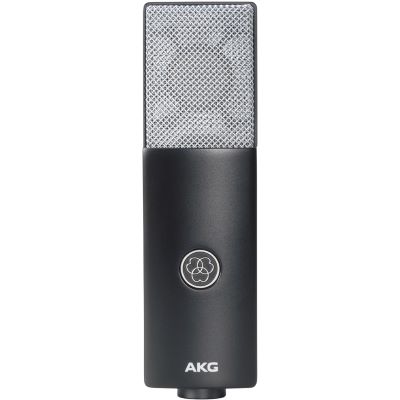
The following microphones cover classic cardioid all-round models as well as flexible multi-pattern and modern studio-recording solutions.
Condenser Microphones for Instruments
Small-Diaphragm Microphones
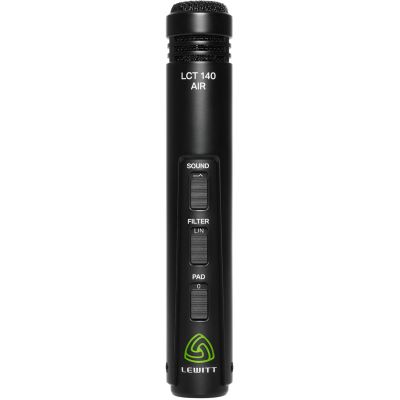
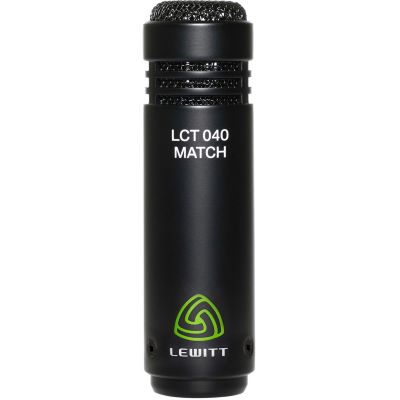
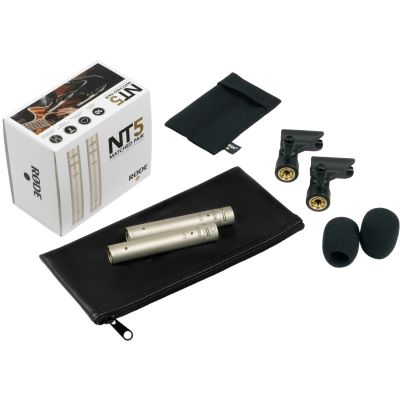
Small-Diaphragm Microphones for Acoustic Sources, Overheads & Stereo
Small-diaphragm condenser microphones are particularly useful for acoustic guitar, drums, strings, piano, percussion and detailed instrument recording.
Speech, Live & Powerful Sources
Dynamic Microphones
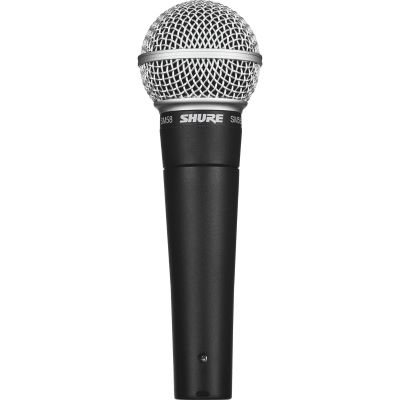
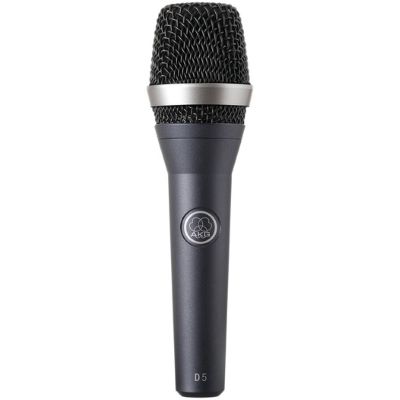
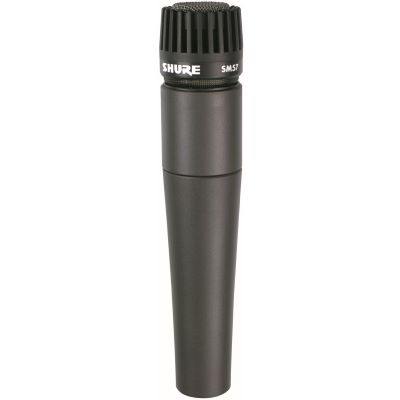
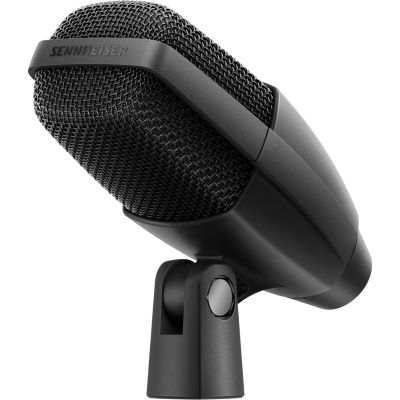
Dynamic Microphones for Studio, Stage & Instruments
Dynamic microphones cover much more than live vocals. They are also proven tools for broadcast, podcasting, guitar amplifiers, drums, brass instruments and studio vocals.



The Complete Signal Chain
Combine Audio Interface, Gain, 48 V & Accessories Correctly
The microphone is only one part of the recording chain. The interface or preamp, microphone position and suitable accessories all influence how reliably the setup works.
Audio Interface
XLR microphones require a microphone input. Condenser models frequently also require 48 V phantom power.
Microphone Preamp
With very low-output dynamic microphones, sufficient clean gain is more important than with many sensitive condenser microphones.
Pop Filter & Stand
A pop filter is useful for close vocal recordings. A stable stand provides repeatable microphone positions regardless of the transducer type.
XLR Microphone Cable
Classic studio and stage microphones are connected to an interface, preamp or mixer using balanced microphone cables.
Manufacturer Worlds
Compare Microphone Brands at Musikhaus Korn
Discover condenser and dynamic microphones directly in the manufacturer worlds of established microphone brands.





Explore Microphone Techniques in More Detail
Related Guides for Instruments & Recording
Record Guitars
Combine dynamic microphones, condenser microphones, DI recording and modelers correctly.
Microphone a Drum Kit
Plan dynamic close microphones and condenser overheads together for a complete drum setup.
Record Wind Instruments
Compare microphone position, polar patterns and suitable microphone types for brass and woodwinds.
Microphone String Instruments
Compare acoustic microphones, clip microphones and pickups for string instruments.
Frequently Asked Questions
Answers About Condenser & Dynamic Microphones
Which Is Better for Vocals: Condenser or Dynamic?
A large-diaphragm condenser microphone is a proven starting point for detailed studio vocals. Dynamic models are well suited to powerful voices, close-miking, live use or a less controlled recording room.
Which Microphone Type Is Better for Podcasting?
Dynamic broadcast microphones are very popular at short speaking distances. In an acoustically controlled room, a condenser microphone can provide additional fine speech detail and a more open sound.
Does Every Condenser Microphone Need 48 V?
No. Many professional XLR condenser microphones operate with P48 phantom power, but other powering concepts exist, as do USB microphones with their own electronics. Always check the requirements of the exact model.
Does a Dynamic Microphone Need Phantom Power?
Classic passive moving-coil microphones do not require phantom power. Active special designs with integrated electronics do exist, so the product specifications should still be checked.
Does a Condenser Microphone Automatically Pick Up More Background Noise?
Not simply because of its construction. Polar pattern, microphone distance and position strongly determine the ratio between direct sound and room sound. Using a microphone very close to the source reduces the relative room contribution.
Which Microphone Is Suitable for Guitar Amplifiers?
Dynamic instrument microphones with cardioid-type patterns are a common starting point. Condenser microphones can add more detail or room sound if their maximum sound-pressure capability suits the source.
Which Microphone Type Is Suitable for Acoustic Guitar?
Condenser microphones are especially common. A small-diaphragm model reproduces fast string transients precisely, while a large-diaphragm microphone can provide a different and often more characterful tonal colour.
Why Does a Dynamic Microphone Sometimes Need So Much Gain?
Many passive dynamic microphones produce a lower output level than condenser microphones. With quiet voices, the microphone preamp therefore has to amplify the signal more strongly and should do so with as little noise as possible.
Can I Use a Dynamic Microphone Professionally in the Studio?
Yes. Dynamic classics are used every day for vocals, podcasting, guitar amplifiers, snare drums, toms and many other sources. “Dynamic” does not mean lower recording quality.
If I Buy Only One Microphone, Which Type Should I Choose?
For mainly vocals and acoustic instruments, a versatile condenser microphone is often a sensible choice. For podcasting, rehearsal, stage use, guitar amps and rugged all-round use, a dynamic microphone may be more practical.
The Decision Summarised
Condenser or Dynamic? Microphone Guide
Condenser microphones are a strong choice when fine detail, fast transients and quiet acoustic sources are the main focus. They are therefore widely used for studio vocals, acoustic guitar, strings, piano and drum overheads. Many professional XLR models require 48 V phantom power.
Dynamic microphones are particularly rugged and very well suited to close-miking. They are classics for live vocals, podcasting, guitar amplifiers, snare drums and toms. Low-output models can, however, require more clean gain from the audio interface or microphone preamp.
The actual application remains decisive. Polar pattern, microphone distance, room acoustics and the voicing of the individual model are often more important than a general decision based solely on the transducer principle.
More Buying Advice
From the Microphone to a Complete Recording Setup
Discover more Musikhaus Korn guides about studio microphones, audio interfaces, instruments, home recording, studio monitors, headphones and complete recording technology.