
Musikhaus Korn Recording Guide
Microphones for Acoustic Guitar: Capture the Natural Guitar Sound Properly
Pick, fingerstyle, classical guitar or singer-songwriter: an acoustic guitar changes its recorded sound considerably depending on microphone position. Small-diaphragm condenser microphones are particularly popular for precise and natural recordings, while large-diaphragm models, matched stereo pairs and clip-on microphones attached directly to the instrument also offer clear advantages.
Mono & Stereo Recording Explained
Compare 12th Fret, Sound Hole & Body
Studio & Live Applications Included
Related Acoustic Guitar Recording Topics
Acoustic Guitar Microphone Quick Facts
Choose According to the Application
Which Microphone Fits Your Acoustic Guitar?
The exact guitar body shape is less important than your recording goal. First decide whether you want a precise mono sound, a wide stereo recording, a characterful studio sound or a movement-friendly live solution.
One Small-Diaphragm Microphone
An excellent starting point for fingerstyle, strumming and classic home-recording applications. The compact capsule can be aimed precisely at the neck joint or guitar body.
Matched Stereo Pair
Ideal for solo guitar, instrumental productions and natural spatial depth. XY, ORTF and AB create different impressions of width and distance.
Large-Diaphragm Microphone
An interesting choice for singer-songwriters and productions in which the acoustic guitar should sound fuller, larger or deliberately more characterful.
Clip Microphone on the Guitar
The microphone remains in a constant position even when the instrument moves. This is especially practical for live performances, rehearsals and mobile acoustic sets.
Our starting recommendation:
if you mainly record at home, begin with a cardioid
small-diaphragm condenser microphone. It is precise, compact
and can be adapted to different guitars and playing styles
through small changes in position.
Different Tools for Different Jobs
Small Diaphragm, Large Diaphragm or Clip Microphone?
All three approaches can capture an acoustic guitar successfully, but they emphasise different practical strengths.
Small-Diaphragm Condenser
Particularly popular for acoustic guitar because fast string transients can be reproduced clearly and the compact body can be positioned very precisely.
It is also an excellent format for matched stereo pairs.
Large-Diaphragm Condenser
A large-diaphragm microphone can also record an acoustic guitar in great detail, but depending on the model it may sound larger, fuller or more strongly coloured.
This can be especially attractive for solo and singer-songwriter productions.
Clip & Instrument Microphone
Mounted directly on the instrument, a clip microphone maintains its distance while you move.
This makes the setup compact and movement-friendly, particularly on stage and in the rehearsal room.
Why Are Condenser Microphones So Common for Acoustic Guitar?
An acoustic guitar produces fast transients, delicate overtones, string noise and complex resonances. Condenser microphones are well suited to reproducing these details precisely.
Many professional XLR models require phantom power from an audio interface or microphone preamp.
Can a Dynamic Microphone Also Work?
Yes. A dynamic microphone can deliberately create a more compact and mid-focused guitar sound and is rugged enough for live use.
For a particularly open and natural studio recording, however, condenser microphones are a common starting point.
Practical rule:
choose the microphone type first and then work with its position.
Moving the microphone only a few centimetres can change the
guitar sound more noticeably than small differences between
two technically similar microphones.
The Microphone Stand Is Your Most Important Tone Control
Where Should the Microphone Be Placed in Front of an Acoustic Guitar?
Start around the neck-to-body joint or approximately the 12th fret. Then listen carefully and move the microphone according to what the guitar sound still needs.
12th Fret / Neck Joint
A proven starting point that often provides a good mixture of string detail, definition and body warmth without directly emphasising the sound hole.
Move Towards the Sound Hole
Moving closer to the sound hole often increases the bass and body of the recording.
Directly in front of the sound hole, some guitars can become excessively boomy or bass-heavy.
Move Towards the Neck
More neck contribution emphasises strings, pick attack and articulation. This can work particularly well for fingerstyle or dense arrangements.
Increase the Distance
With greater distance, the separate tonal areas of the guitar blend together more strongly.
At the same time, the amount of room sound in the recording also increases.
Do not automatically aim at the sound hole:
a lot of energy leaves the guitar there, but the resulting recording
can become unnecessarily bass-heavy. Begin at the neck joint and
move the microphone in small steps from there.
Direct Overview
Which Microphone Solution Fits Which Guitar Sound?
| Application | Microphone | Strength | What to Consider |
|---|---|---|---|
| Home Studio Mono | Small diaphragm | Precise and flexible | Position around the neck joint |
| Solo Guitar | Stereo pair | Width and spatial depth | Phase and room acoustics |
| Singer-Songwriter | Small or large diaphragm | Natural guitar sound | Vocal bleed |
| Characterful Studio Sound | Large diaphragm | Body and tonal colour | Room and frequency voicing |
| Live Stage | Clip microphone | Constant distance | Feedback and monitor position |
| Pickup + Microphone | Clip or stand microphone | Directness plus natural sound | Match phase and level |
When the Guitar Can Sound Large in the Mix
XY, ORTF or AB for Stereo Acoustic Guitar?
Stereo recording is especially attractive for solo guitar and sparse arrangements. In a dense band mix, a clear mono recording is often easier to place.
XY
Two cardioid capsules are positioned almost at the same point and angled against each other.
The result is controlled, stable and comparatively uncritical when reproduced in mono.
ORTF
Spacing and angle create additional time-of-arrival differences. The stereo image can sound more natural and wider, which is especially attractive for solo guitar.
AB / Spaced Pair
Two separated microphones provide a wide spatial image. Check the phase relationship carefully and listen to the recording in mono regularly.
When using two microphones:
more microphones do not automatically produce a better sound.
Check both signals individually, together and in mono.
If low frequencies suddenly become thin, an unfavourable
timing or phase relationship may be responsible.
Voice and Guitar at the Same Time
Microphone an Acoustic Guitar for Singer-Songwriter Recordings
When vocals and guitar are recorded simultaneously, bleed becomes part of the recording. The microphones should therefore not only sound good individually but also be positioned intelligently in relation to one another.
A directional small-diaphragm microphone can point towards the neck-to-body joint, while the vocal microphone is positioned so that as little guitar sound as possible reaches its sensitive front side.
Small changes in angle can noticeably improve separation between the two tracks.
If you want maximum freedom during the mix, record vocals and guitar one after another. Recording both together, however, can sound particularly organic and preserve the musical interaction between voice and instrument.
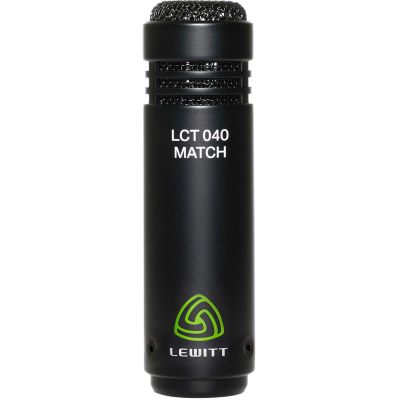
Precise Mono Recording
Discover Small Diaphragm
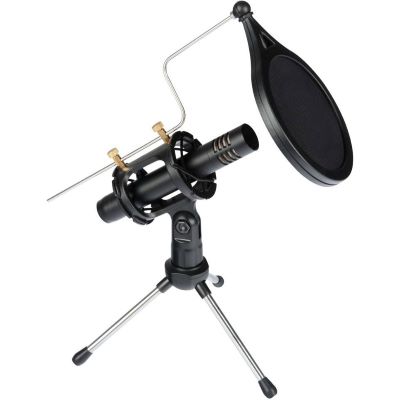
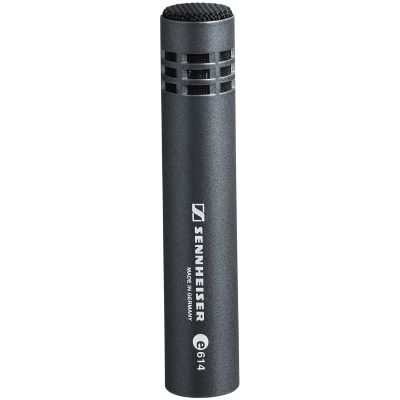
Small-Diaphragm Microphones for Acoustic Guitar
Compact condenser microphones are easy to position precisely and are well suited to reproducing string transients, articulation and natural instrument detail.
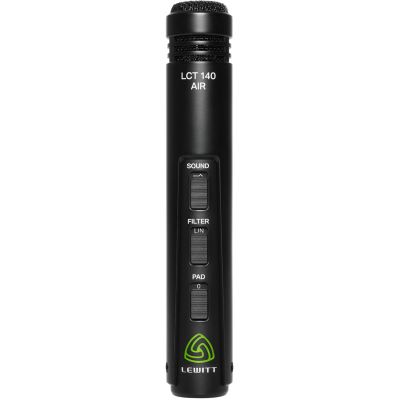
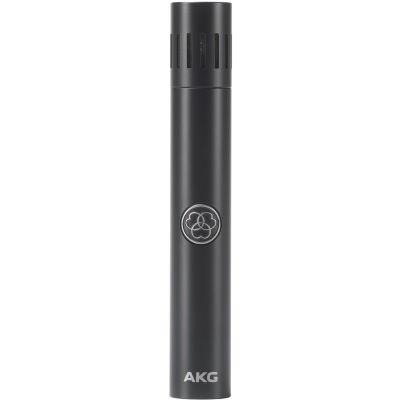
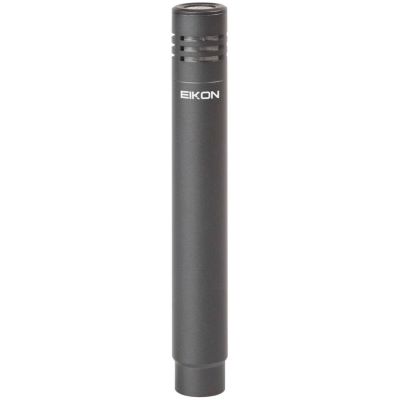
Spacious Solo Guitar
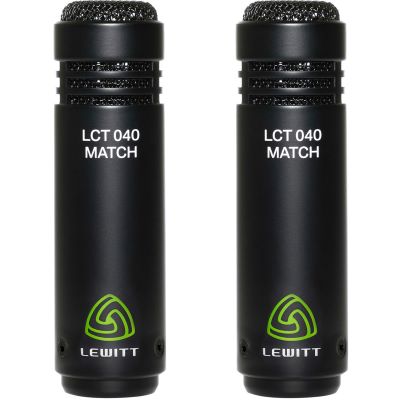
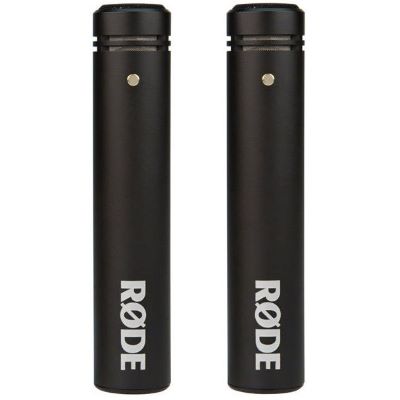
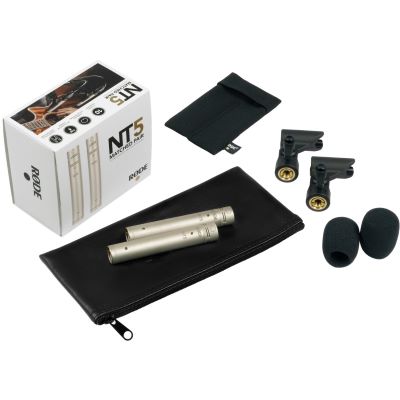
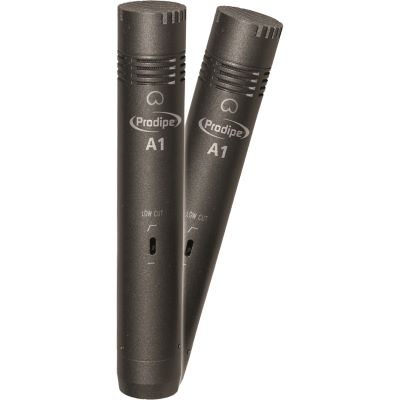
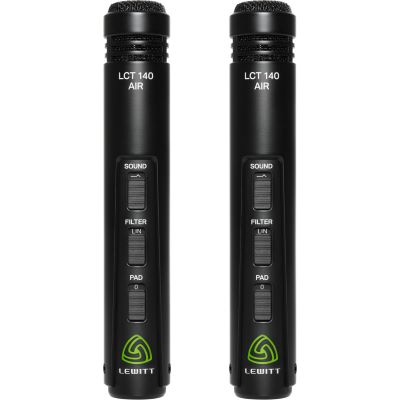
Matched Microphone Pairs for Stereo Recording
Matched pairs are especially practical for repeatable XY, ORTF and spaced-pair techniques and for acoustic guitar productions in which stereo width is an important part of the arrangement.
More Tonal Colour & Body
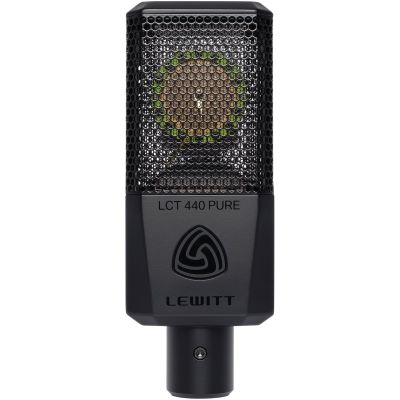
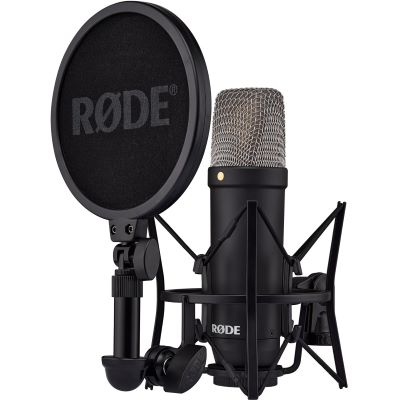
Large-Diaphragm Microphones
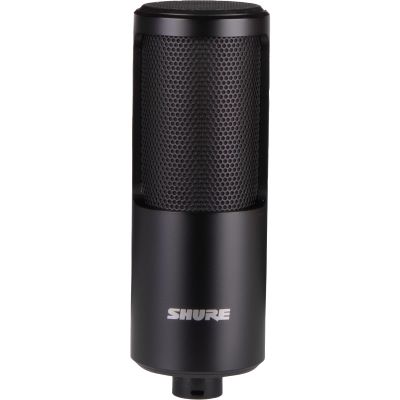
Large-Diaphragm Microphones for Acoustic Guitar
Large-diaphragm microphones are not only vocal microphones. They can capture acoustic guitars very convincingly and are particularly useful for musicians who want one versatile microphone for both voice and instrument.

Constant Position During Every Movement
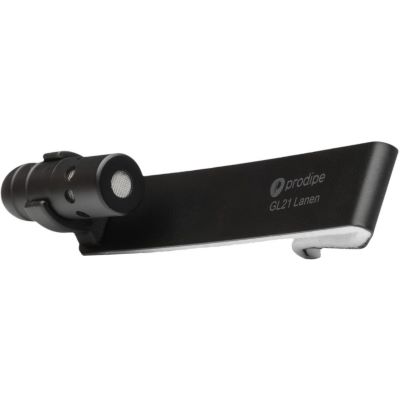
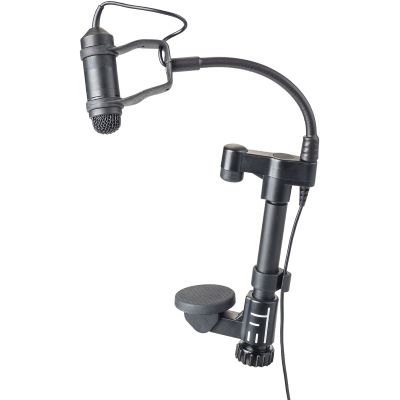
Guitar Microphones
Clip Microphones for Acoustic Guitar on Stage & in Rehearsal
A microphone mounted directly on the guitar moves with the instrument and therefore maintains a consistent distance. This is particularly practical for live performance, rehearsal and mobile acoustic sets.
Live tip:
on loud stages, combining the microphone with the guitar's
built-in pickup can be particularly flexible. The pickup provides
a very direct signal while the microphone adds natural character
and air. Ideally, record or mix both signals on separate channels.
The Complete Guitar Recording Setup
What Else Do You Need with an Acoustic Guitar Microphone?
Audio Interface
One microphone requires one microphone preamp. Stereo recording or vocals plus guitar require at least two microphone inputs that can be used simultaneously.
Microphone Stand
A stable position makes the guitar sound repeatable. For XY and ORTF, an additional stereo bar can also be particularly useful.
Microphone Cable
Every traditional condenser microphone needs its own signal path to the audio interface or microphone preamp.
Studio Headphones
While positioning the microphone, headphones let you hear immediately how moving only a few centimetres changes bass, attack and room contribution.
Manufacturer Worlds
Microphone Brands for Acoustic & Instrument Recording
Explore small-diaphragm, large-diaphragm and instrument microphones from established microphone manufacturers.







Better Sound Without Buying More Equipment
Common Mistakes When Miking an Acoustic Guitar
Aiming Directly at the Sound Hole
The result can become overly bass-heavy. The neck joint or approximately the 12th fret is often the more balanced starting position.
Recording Too Close
At an extremely short distance, the microphone captures only a small tonal area of the instrument. Slightly more distance can create a more natural overall sound.
Using Two Microphones Without Checking Phase
Always check stereo and multi-microphone recordings in mono. If the sound becomes thin, adjust microphone distances and relative positions.
Ignoring the Room
The farther the microphone is from the guitar, the more the room becomes part of the recording. Poor room acoustics can only be corrected to a limited extent later.
Frequently Asked Questions
Answers About Microphones for Acoustic Guitar
Which Microphone Is Best for Acoustic Guitar?
A cardioid small-diaphragm condenser microphone is an excellent starting point. It responds quickly, can be positioned precisely and works well for both strumming and fingerstyle.
Where Should I Position the Microphone on an Acoustic Guitar?
Begin around the 12th fret or the transition between the neck and body. Move the microphone towards the sound hole for more warmth or farther towards the neck for stronger string and pick-attack detail.
How Far Should the Microphone Be from the Guitar?
Around 20 to 30 centimetres is a useful starting point. A shorter distance sounds more direct, while greater distance integrates the entire body more strongly and also increases the amount of room sound.
Large or Small Diaphragm for Acoustic Guitar?
Small-diaphragm microphones are especially common for natural and precise instrument recording. Large-diaphragm microphones can sound fuller or more characterful and are practical when the same microphone will also be used for vocals.
Do I Need Two Microphones for Acoustic Guitar?
No. One well-positioned microphone can deliver a complete and professional recording. Two microphones become especially interesting for stereo or deliberately combining different tonal colours.
Which Stereo Technique Is Suitable for Acoustic Guitar?
XY is compact and mono-friendly. ORTF creates a wider, natural spatial image. AB can sound especially wide, but requires more attention to room acoustics and phase relationships.
Does an Acoustic Guitar Microphone Need 48 V Phantom Power?
Many professional XLR condenser microphones require 48 V. Check the product specifications and use an audio interface, mixer or microphone preamp with suitable phantom power.
Can I Record the Microphone and Guitar Pickup at the Same Time?
Yes. Record both signals separately whenever possible. The microphone provides natural character and room, while the pickup provides a direct signal. Check both level and phase when mixing them together.
Which Microphone Is Suitable for Acoustic Guitar on Stage?
A clip microphone is particularly practical because its position remains constant while the guitar moves. On loud stages, also consider polar pattern, monitor position and available feedback margin.
Can I Record Vocals and Acoustic Guitar at the Same Time?
Yes. Ideally use two directional microphones and aim their less sensitive sides towards the other sound source whenever possible. Because of acoustic bleed, the two recorded tracks will not be completely isolated.
The Selection Summarised
Microphones for Acoustic Guitar: Guide & Selection
For a natural acoustic-guitar recording, a small-diaphragm condenser microphone is a particularly versatile starting point. Position it first around the 12th fret or neck-to-body joint. From there you can shape the sound deliberately: moving towards the sound hole usually makes it fuller and bassier, while moving towards the neck increases definition and string detail.
Large-diaphragm condenser microphones are an interesting alternative for more characterful guitar sounds and singer-songwriter studios. If the acoustic guitar should sound wide and spacious in the arrangement, matched small-diaphragm pairs offer an easy introduction to XY, ORTF and AB techniques.
For stage and rehearsal use, clip microphones mounted directly on the instrument provide a consistent microphone distance. A combination of microphone and guitar pickup can also provide a useful balance between natural sound and a direct live signal.
Do not decide only according to microphone model. Distance, orientation, room acoustics and playing style are essential parts of the sound. With a suitable microphone and careful positioning, a professional acoustic-guitar recording can already be achieved with a single channel.
More Buying Advice
From the Guitar Microphone to a Complete Recording Setup
Discover more Musikhaus Korn guides about microphones, audio interfaces, guitar recording, studio monitors, headphones, instruments and complete studio technology.