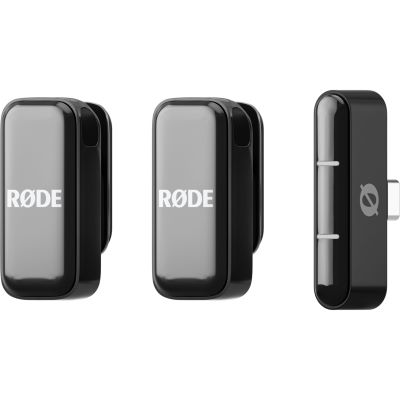
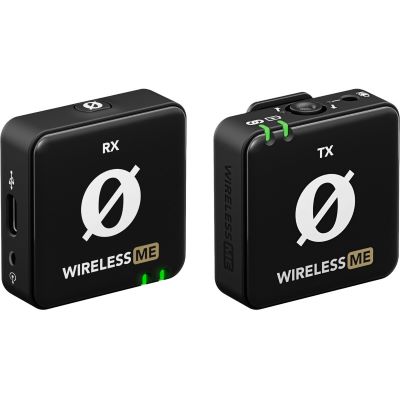
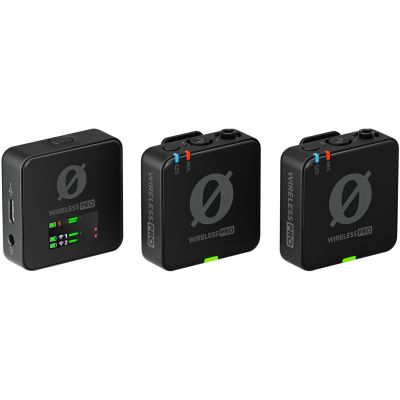
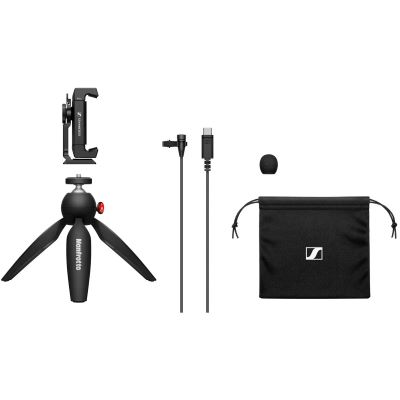
Smartphone & Tablet
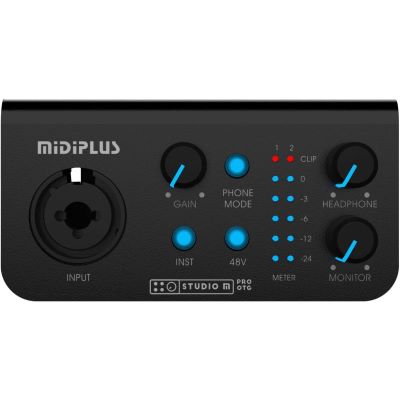
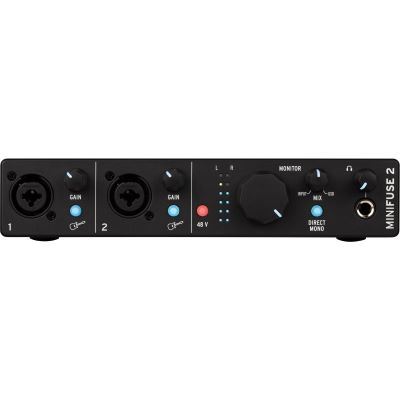
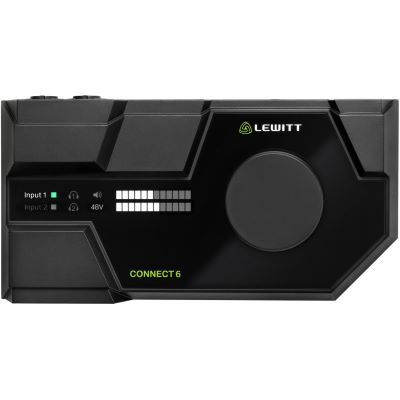
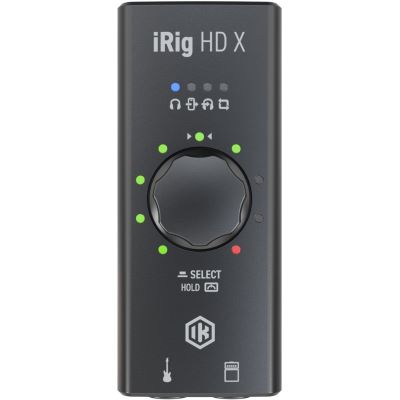
A compatible audio interface, microphone and app can turn a mobile device into a compact recording and production centre.

Build beats on the train, record with a tablet, start a spontaneous live jam or provide the music for a wedding, birthday party or corporate event: mobile setups need to be compact, reliable and quick to set up. This guide shows you how to match DJ systems, MIDI controllers, grooveboxes, audio interfaces, headphones, battery-powered PA systems, microphones, lighting and transport solutions to your mobile application.
Mobile does not automatically mean battery-powered. The decisive questions are how much equipment you want to transport, whether a laptop is part of the system, how long the setup needs to work without a mains connection and whether only you or an entire audience needs to hear the sound.
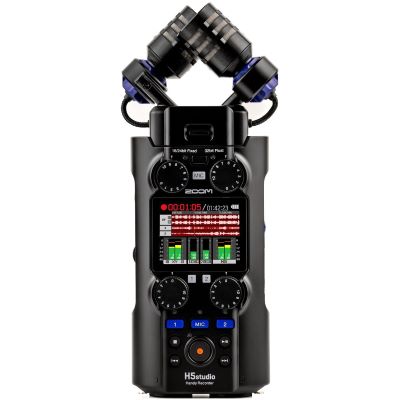
A compatible audio interface, microphone and app can turn a mobile device into a compact recording and production centre.
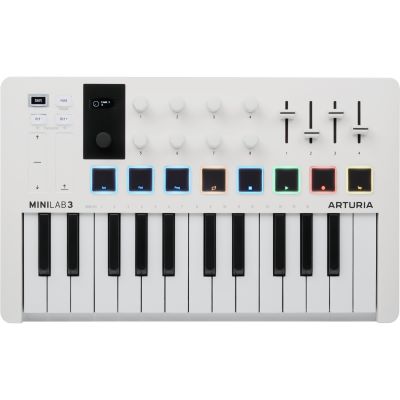
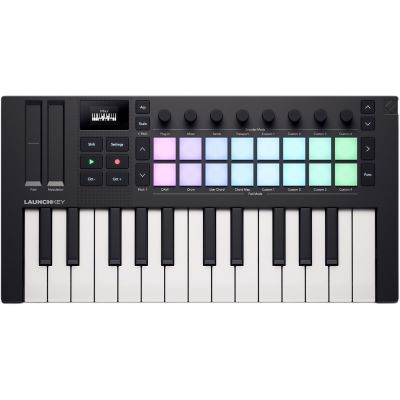
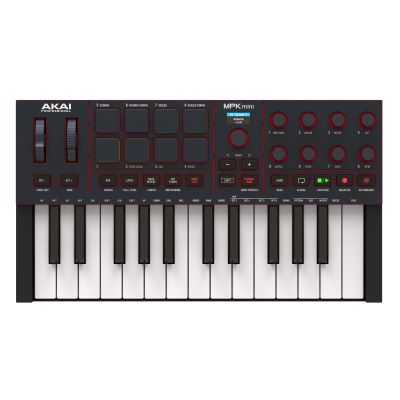
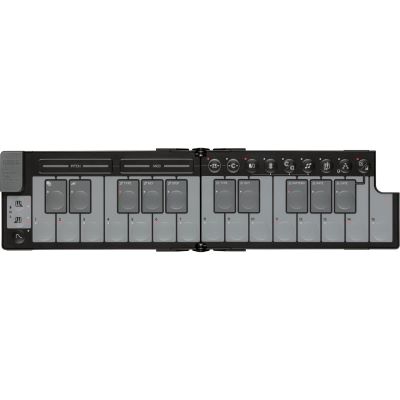
Controllers with 25 to 37 keys, pads and USB power are particularly practical with a laptop or tablet.
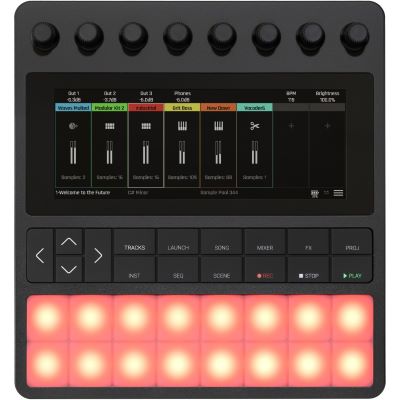
Create beats, samples and patterns directly in hardware for a workflow that is less dependent on a traditional computer.
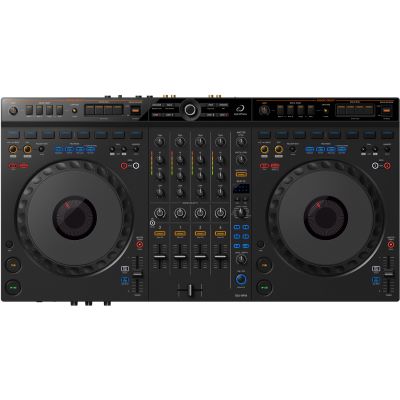
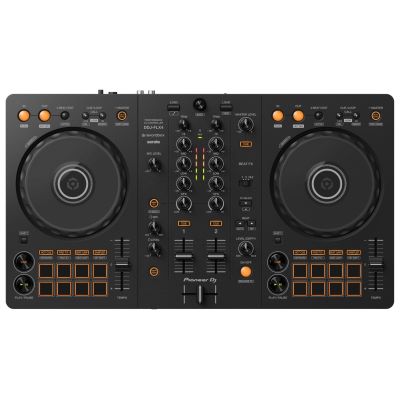
Controller, computer and headphones form a lightweight software-based setup for mobile DJ performances.
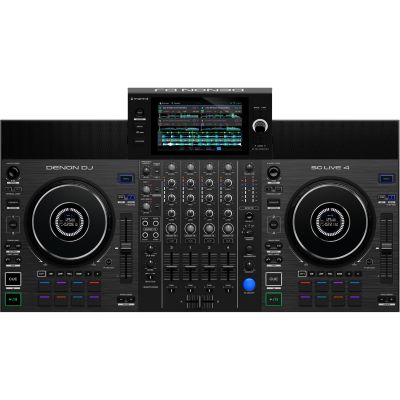
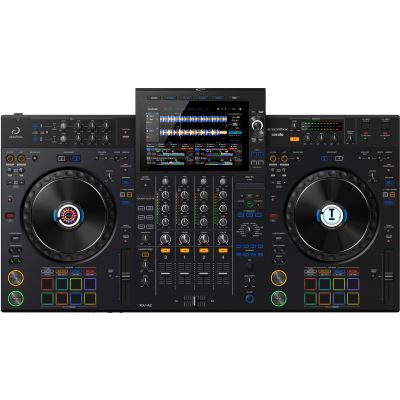
Player, display, mixer and audio outputs in one unit reduce the number of separate components and cables.
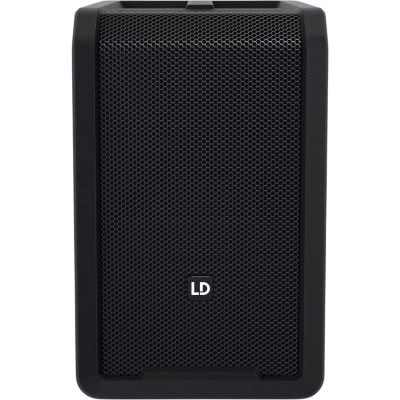
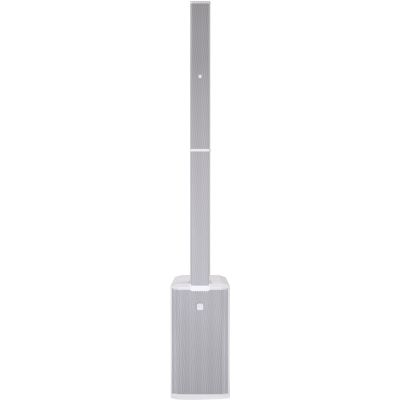
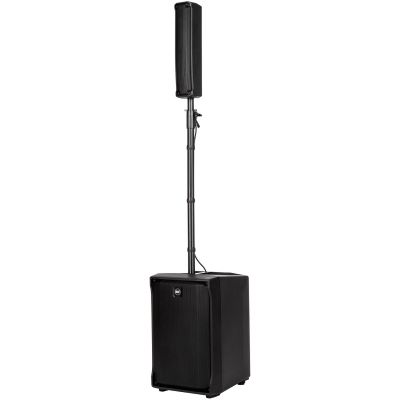
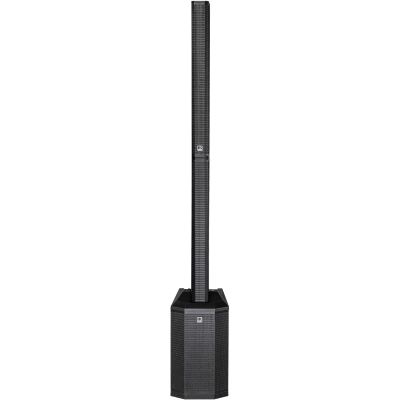
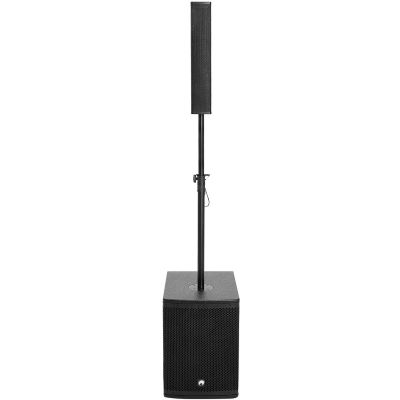
Active column systems and battery-powered speakers extend the setup from personal monitoring to sound reinforcement for guests and audiences.
A compact device can still become impractical if it requires five power supplies, special adapters or a heavy table. Plan the complete system instead of looking only at the largest individual component.
Controller, laptop, power supplies, cables and headphones should fit together in the intended bag or case. A PA system additionally requires stands and accessories to be included in the transport plan.
USB bus power reduces the number of power supplies. Internal batteries enable particularly flexible use. Powerful PA systems, however, usually still require mains power.
USB-C, USB-A, Lightning, XLR, RCA and jack connectors are not automatically compatible. Check the entire connection path before relying on a mobile setup.
Spare cables, a charging option, adapters and a second simple playback route belong in the mobile setup for important performances.
A small enclosure alone does not make a setup mobile. The fewer unnecessary power supplies, adapters and separate components it requires, the easier it is to transport and operate reliably.
Choose the size of the system according to the actual job. A setup for songwriting on the road requires different components from a wedding PA.
| Setup | Central Device | Sound | Typical Application |
|---|---|---|---|
| Backpack Studio | Smartphone / tablet + interface | Headphones | Song ideas, recording, content |
| Mobile Producing | Laptop / tablet + MIDI or groovebox | Headphones / compact speaker | Beats, jams, electronic live sets |
| Compact DJ Setup | Controller + laptop or standalone system | Active or column PA | Party, bar, smaller events |
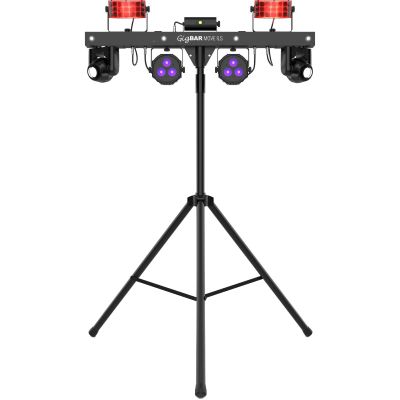
| Mobile Event System | DJ system + microphone + lighting | PA matched to the venue | Wedding, corporate event, larger party |
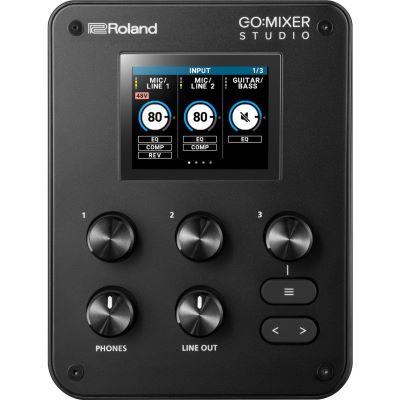
There are two particularly different routes for mobile music production: a smartphone, tablet or laptop can provide the software and storage, or a standalone groovebox can generate and sequence the music directly in hardware.
For vocals, guitar or external synthesizers, a compact audio interface provides the connection to the mobile device. Check the USB connection, operating-system support and power requirements. An interface can be physically small and still need additional power when a condenser microphone, several inputs or further USB hardware need to be supplied.
If you mainly play virtual instruments, you can start with a compact MIDI keyboard. MIDI transmits control data and does not create a finished sound by itself. The connected tablet or notebook therefore supplies the instrument, app and audio output. Grooveboxes and samplers are an alternative for musicians who deliberately want to depend less on a computer.
Both approaches can work well on the road. The deciding factor is which dependencies you are prepared to accept during transport and setup.
A compact DJ controller can be very light and can be used flexibly with an existing notebook. In return, computer, DJ software, USB connection, charger and controller all need to work reliably together.
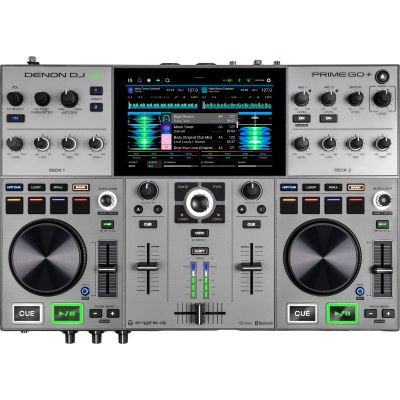
Player, display, mixer and audio outputs are contained in one unit. This can speed up setup and reduce dependence on a laptop. Standalone units are often larger and heavier than small controllers, however.
Write down every power supply, every USB-powered device and every PA component. A battery inside the controller does not automatically power the speakers and lighting.
Jog wheels, displays, sockets and faders need protection during transport. Cable compartments can additionally make setup faster.
The master cable, USB connection and important adapters should not remain single points of failure during professional jobs.
Systematically check music media, batteries, headphones, microphone, stands, lighting, extension cables and backup equipment before every departure.
The selection combines very compact production solutions with professional mobile DJ and event equipment. Choose the required system size first and the individual product afterwards.
Explore additional controllers, interfaces, production tools, PA systems, microphones, lighting and transport solutions from selected manufacturers.











For software instruments, a tablet or laptop, a compact MIDI controller and headphones are sufficient. For vocals or guitar, add a compatible audio interface.
Yes. Suitable apps can combine audio, MIDI, virtual instruments and effects. A suitable interface becomes particularly important when external microphones and instruments need to be connected.
A MIDI keyboard is ideal when a tablet or notebook is already part of the setup. A groovebox is particularly suitable for a more independent hardware workflow without a traditional computer.
Not automatically. A standalone player reduces the number of individual components but can be larger. A small controller is lighter but additionally requires a computer and accessories.
Individual DJ systems and PA speakers have batteries. The complete setup is only independent from mains power when every required component, including microphone, lighting and playback device, is supplied with sufficient power.
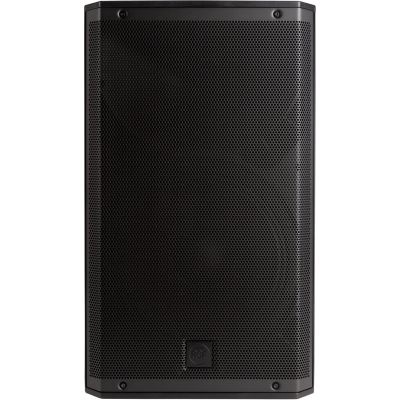
Column systems can often be set up quickly and unobtrusively. Traditional active loudspeakers provide a very flexible modular approach and can be combined with separate subwoofers.
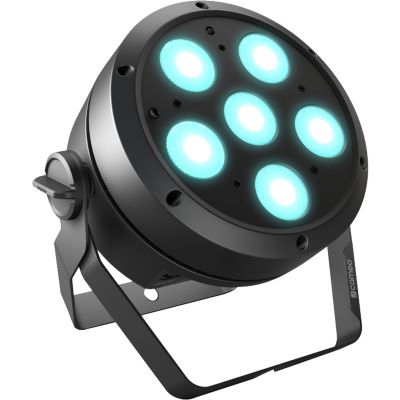
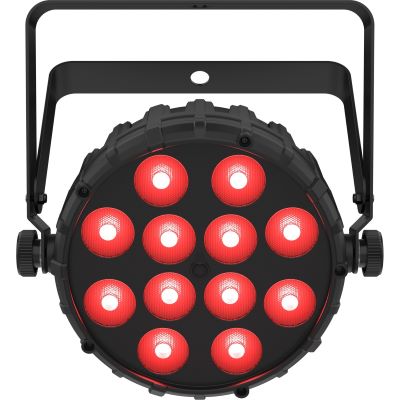
No. Lighting is not essential for pure sound reinforcement or background music. At dance events, several compact PAR fixtures can already provide versatile basic lighting.
Spare solutions for critical audio and USB connections, frequently required adapters, headphone adapters, batteries or rechargeable batteries and a second simple playback route are particularly important.
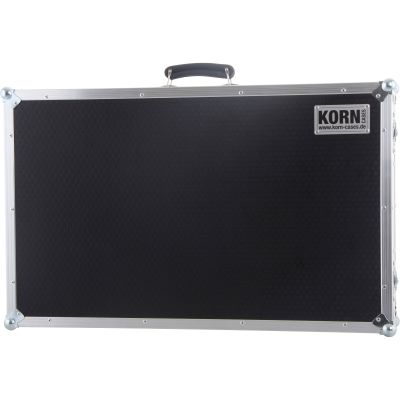
A suitable case or well-padded bag protects jog wheels, faders, displays and connections. Close-fitting cases are especially practical for regular events.
First reduce the number of individual devices, use compatible USB connections and integrated audio interfaces. Wireless technology should only be used where freedom of movement provides a real advantage.
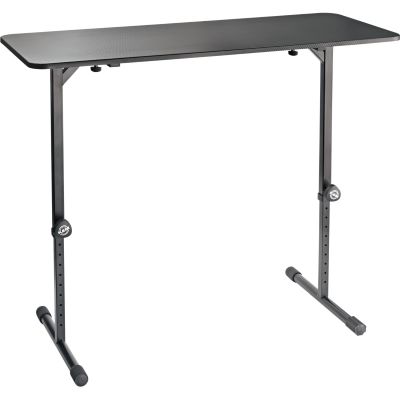
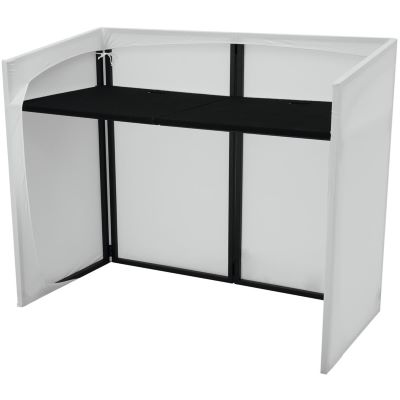
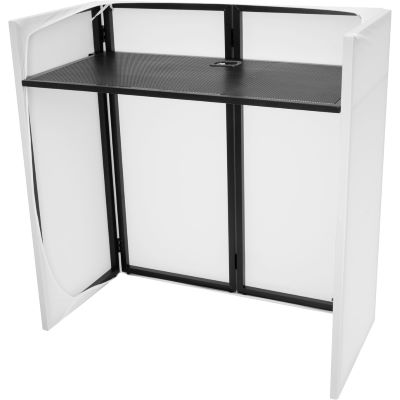
Plan PA, microphone, lighting, DJ table, power supply and backup specifically for weddings and events.
Connect USB-C, mobile interfaces, microphones and recorders correctly when working on the road.
Compare key count, pads, DAW control and connections according to your mobile workspace.
Understand controller, software, headphones and speakers as your first complete DJ system.
Later expand a mobile recording setup with microphones, monitors and additional inputs.
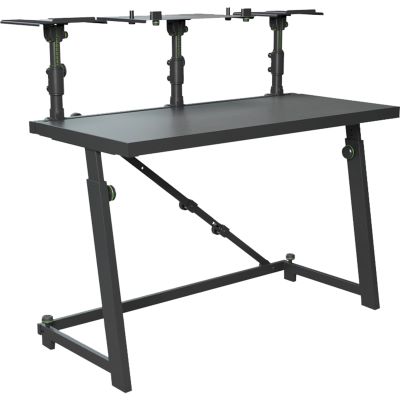
Protect the controller and create a repeatable workstation at the venue.
A mobile music setup can range from a smartphone with a small audio interface to a complete DJ and event system. Compact MIDI keyboards, grooveboxes, mobile recorders and USB audio interfaces are central tools for songwriting and beat production. DJs, on the other hand, can choose between an especially lightweight controller with a laptop and a standalone system that combines player, mixer and display in a single device.
As soon as an audience needs sound reinforcement, loudspeakers, microphones, audio cables and the power supply also become part of the plan. Battery-powered PA systems expand the range of applications where no fixed power connection is immediately available. Weddings and other events can additionally require a DJ table, cases, lighting and reliable backup. Individual portable devices then become a complete workflow that can be set up quickly and transported safely.
Do not only check the weight and dimensions of one product. The total transport volume, number of power supplies, required adapters, audio connections and the power requirements of all components are what matter. The fewer unnecessary dependencies a system has, the more easily it can be used reliably on the road and expanded later in a targeted way.
Musical instruments, recording, DJ equipment and event technology: the central Musikhaus Korn guide connects buying guides, product categories and complete setups for different applications.