Prioritise Intelligibility
For presentations, speeches and acoustic performances, clear vocal reproduction and even audience coverage are more important than extreme bass output. A compact active PA or column system can often be the right solution.

Which PA system do you need for 30, 50, 100, 200 or 500 people? The number of guests is a useful starting point, but speech, weddings, DJ parties and live bands place very different demands on loudspeakers, bass output, coverage and headroom.
A fixed formula such as “X watts per person” is not a reliable way to size a PA system. Maximum sound pressure level, efficiency, dispersion, listening distance, room acoustics, bass requirements and the type of programme material are much more important.
For presentations, speeches and acoustic performances, clear vocal reproduction and even audience coverage are more important than extreme bass output. A compact active PA or column system can often be the right solution.
Dance music requires considerably more low-frequency headroom. Two active tops combined with one or two active subwoofers form a flexible basis for many parties and weddings.
A live band usually needs additional mixer channels, useful system headroom, stage monitors or in-ear monitoring and, depending on the music, dedicated subwoofers.
Example: For 100 seated guests listening to a speech, two well-positioned active loudspeakers may be sufficient. The same 100 people on a dance floor can require substantially more sound pressure and bass output.
These ranges provide a practical starting point. Always adapt the final system to the room, programme material, required level, audience distribution and whether the event takes place indoors or outdoors.
A compact column PA or a small stereo system is often sufficient. For pure speech, a single well-positioned loudspeaker can sometimes cover the application.
Two compact active loudspeakers or a capable column system provide a flexible foundation. Add a subwoofer when dance music and noticeably stronger bass are required.
Two capable active tops are a useful basis. For dancing, at least one subwoofer is usually worth considering. Bands additionally need enough mixer channels and a monitoring solution.
Powerful tops combined with one or two subwoofers form a common starting point. Room depth, width, speaker placement and dispersion become increasingly important.
A scalable 2.2 system with two tops and two subwoofers is a useful starting direction for many applications. Additional monitoring or loudspeaker positions may be necessary.
At this size, individual coverage planning becomes more important than a simple product recommendation. Delay positions, safety, rigging, power distribution and professional rental equipment may need to be considered.
Use the table as an initial orientation rather than as a fixed capacity guarantee.
| Number of People | Speech / Acoustic | DJ / Party | Band / Live |
|---|---|---|---|
| Up to 30 | 1 column PA or 1–2 compact tops | 2 small tops, subwoofer optional | 2 tops + compact mixer |
| 30–60 | 2 active tops or a column system | 2 tops + small subwoofer | 2 tops + mixer + monitor |
| 60–100 | 2 powerful active tops | 2 tops + 1 subwoofer | 2 tops + subwoofer + monitoring |
| 100–200 | Powerful tops; check coverage | 2 tops + 1–2 subwoofers | 2 tops + 1–2 subwoofers + monitors |
| 200–350 | Scalable high-output system | 2 powerful tops + 2 subwoofers | 2.2 system + extensive monitoring |
| 350–500+ | Individual coverage planning | Professional scalable system | Complete PA and stage planning |
Loudspeaker power alone does not tell you how effectively a PA system will cover an audience. These factors are more useful when comparing systems.
Maximum sound pressure level gives a much better indication of usable output than amplifier wattage alone.
The horizontal and vertical dispersion pattern determines how evenly listeners across the audience area are reached.
Dedicated subwoofers reproduce low frequencies and relieve the main loudspeakers, which is particularly useful for DJ and live music.
A system should not have to operate at its limit throughout an event. Reserve improves reliability and clean reproduction.
A long narrow hall, a wide dance floor and an outdoor audience require different loudspeaker placement even with the same number of guests.
Speech demands intelligibility, while electronic music and a full live band require substantially more bass and dynamic headroom.
Simple planning sequence: start with the number of people and application, then determine the required loudspeaker type, bass output, coverage and headroom. Only after that should amplifier wattage become a comparison value.
Different loudspeaker concepts solve different problems. Mobility, bass output, expandability and the required coverage should determine the choice.
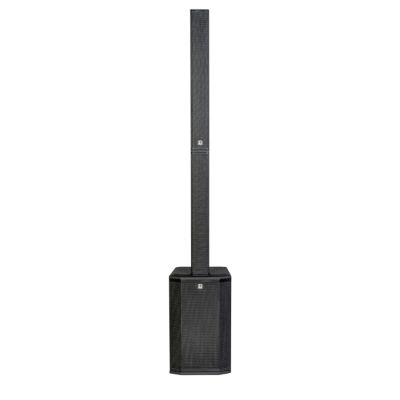
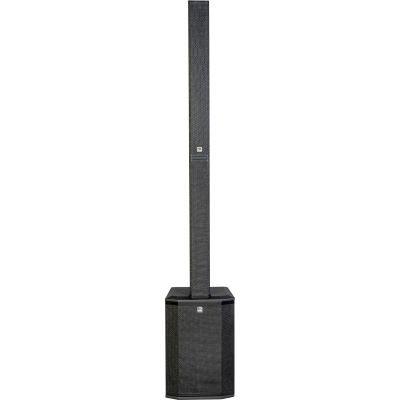
Fast setup, compact transport dimensions and wide coverage make column systems attractive for speech, acoustic music, weddings, mobile DJs and small to medium-sized events.
Active tops are especially flexible. They can be used alone for speech and smaller music applications or expanded later with subwoofers.
A 2.1 or 2.2 setup offers much greater low-frequency output and is a common choice for parties, mobile DJs and live bands.
Passive systems can be useful for permanent installations and expandable professional setups where amplifiers, processing and loudspeakers are selected separately.
The following products illustrate useful system concepts from portable column systems to scalable active top/subwoofer combinations.
Important: Product examples are not fixed “person-capacity guarantees”. Room acoustics, audience geometry, desired level, bass requirements, programme material and outdoor conditions remain decisive.
Particularly practical for presentations, weddings, mobile DJs, solo performers and smaller live events.
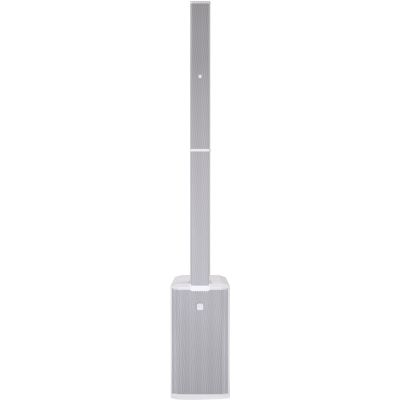
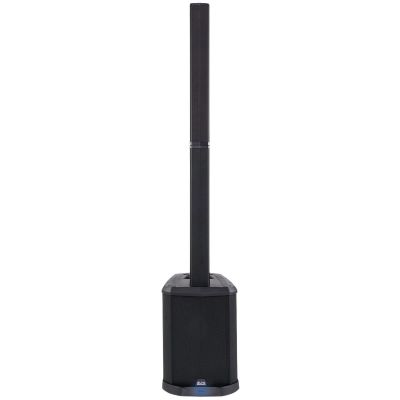
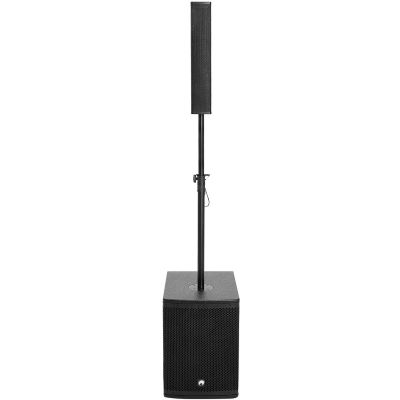
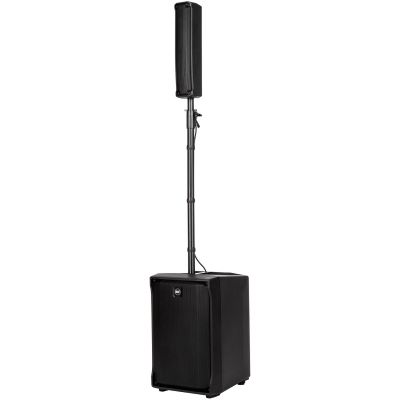
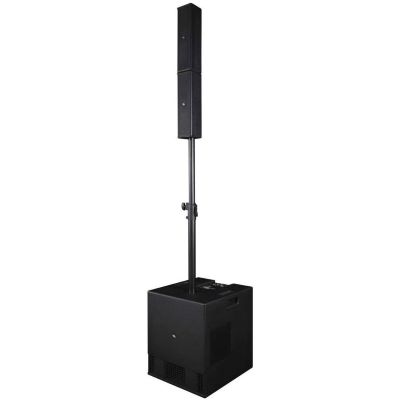
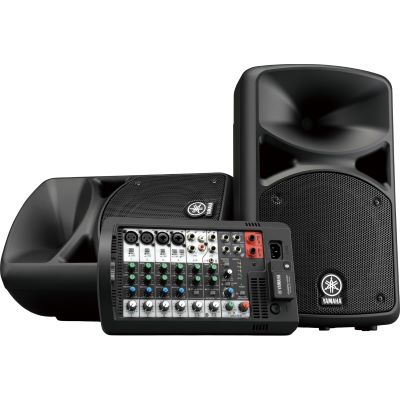
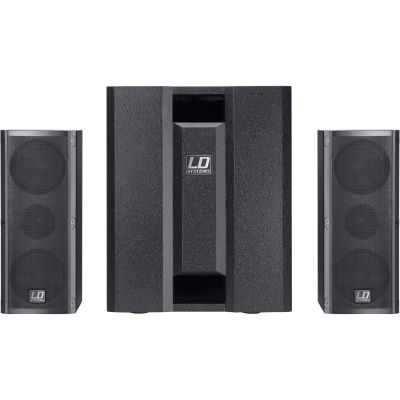
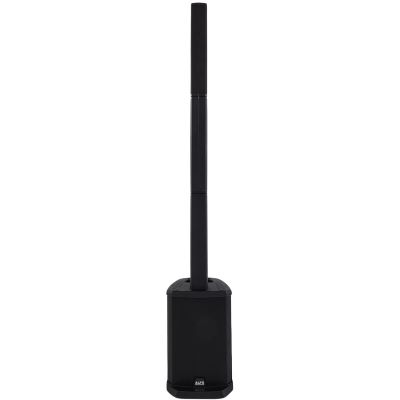
Active tops can be used independently for speech or combined with one or more subwoofers for DJ and live applications.
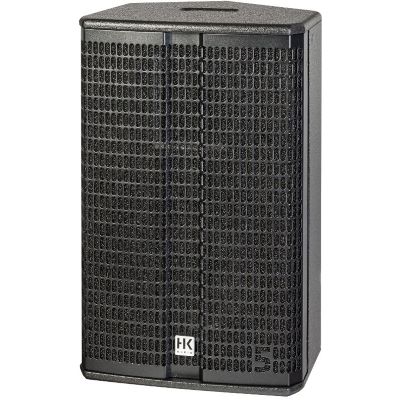
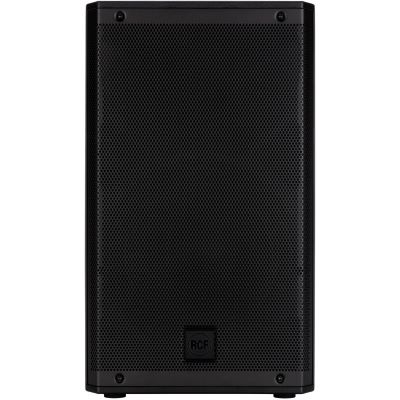
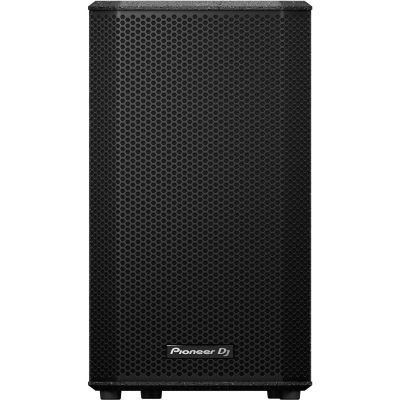
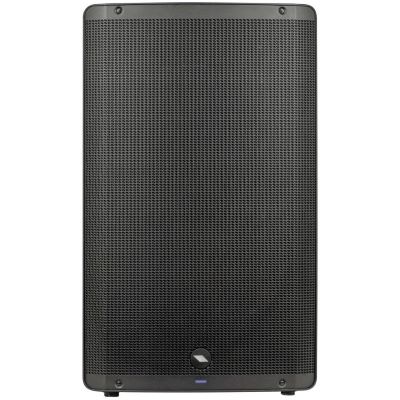
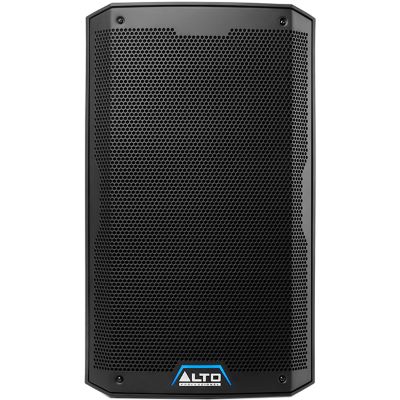
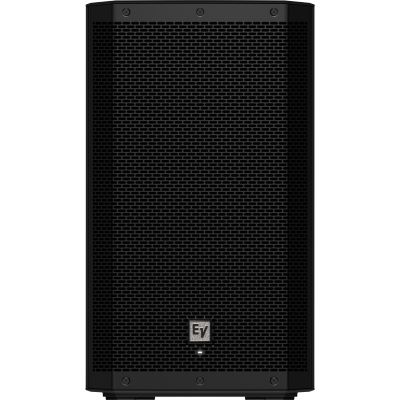
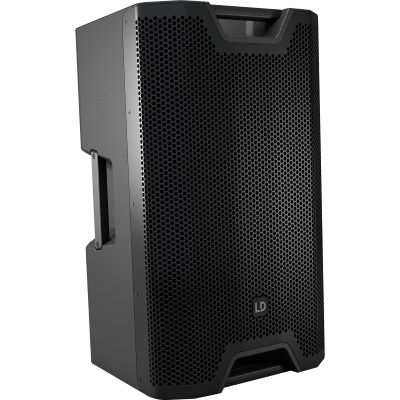
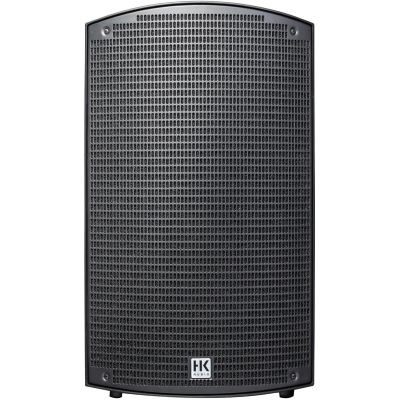
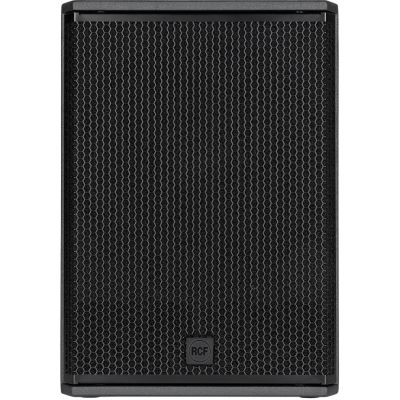
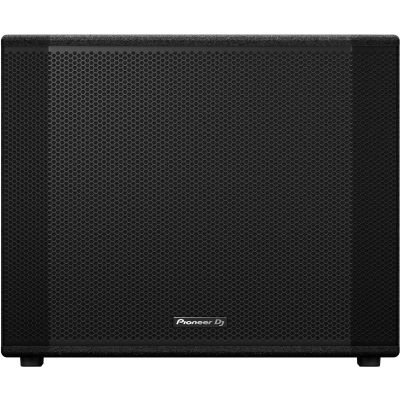
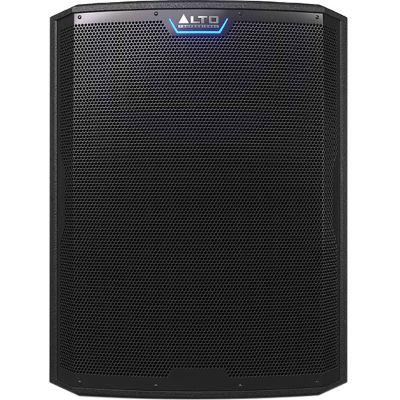
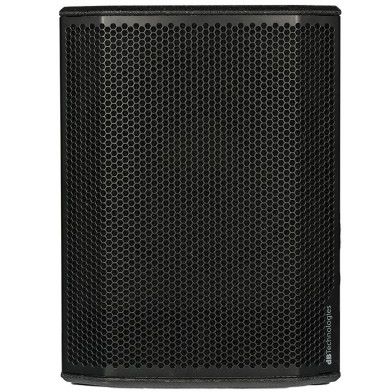
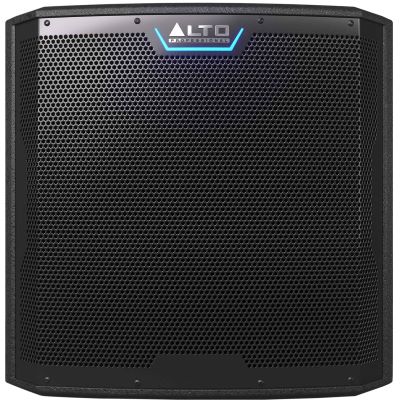
A subwoofer becomes particularly useful when dance music, electronic music, bass guitar or kick drum should be reproduced with authority.
Two tops and two subwoofers create a powerful 2.2 starting point for larger music-focused events. The exact usable audience size still depends on room geometry, required level and coverage.
Loudspeakers are only one part of a complete event setup. Depending on the application, mixers, microphones, monitoring, stands, cables and transport protection should be planned at the same time.
A mixer brings microphones, instruments and playback sources together and provides the required routing and level control.
Wireless systems provide freedom of movement for presenters, singers, moderators and mobile event applications.
Live bands and performers need to hear themselves reliably. Active stage monitors or in-ear systems provide independent monitoring solutions.
Battery-operated loudspeakers are useful when mains power is unavailable or maximum mobility is required.
Correct speaker height, stable stands and suitable audio and power cabling are essential for safe and effective sound reinforcement.
Cases, covers and racks protect valuable equipment during transport and simplify professional mobile workflows.
Indoors, walls and ceilings contribute reflections and help contain acoustic energy. Outdoors there are no room boundaries, while wind, greater listening distances and wider audience areas can increase the demands on the PA considerably.
A system that comfortably covers 100 guests in a compact indoor room may need additional output, bass capacity or supplementary loudspeaker positions when the same audience is spread across an outdoor area.
Discover speakers, column systems, subwoofers and accessories from established manufacturers for mobile and professional sound reinforcement.










For speech, background music and acoustic performances, two compact active speakers or a suitable column system are often a practical choice. For a party or wedding with dancing, adding a subwoofer provides more useful bass reserve.
Two capable active tops are a useful starting point. A DJ setup normally benefits from at least one subwoofer, while a live band additionally requires a mixer and monitoring. Outdoor events usually require more reserve than comparable indoor events.
Two high-output tops combined with one or two subwoofers are a common starting direction. Dispersion, room depth, required level, audience width and stage monitoring should also be evaluated.
It can be possible with sufficiently capable loudspeakers and favourable audience geometry, but it cannot be assumed in general. Music-focused events may require subwoofers and additional loudspeaker positions for more even coverage.
A fixed watts-per-person rule is unreliable. Maximum SPL, loudspeaker efficiency, dispersion, listening distance, the application and required bass output are more meaningful criteria.
Not necessarily for speech or light background music. For dance music, electronic music or a live performance where kick drum and bass should have real impact, a subwoofer is highly useful.
A capable column system can cover medium-sized events depending on the model, room, required sound level and programme material. For demanding dance music, a conventional top/subwoofer system may offer more flexibility and bass reserve.
A wedding needs clear speech reproduction during announcements and enough power for music later in the evening. Two active tops or a stereo column setup combined with an appropriate subwoofer is a flexible solution for many venues.
Rental can be particularly sensible for a one-off event with several hundred guests, a large outdoor event or a technically complex stage setup. The equipment can then be selected specifically for the venue and application.
For larger audiences, outdoor events and complex stage setups, individual advice can help determine the required coverage, loudspeaker configuration, monitoring and accessories.
The number of guests is a useful first filter when choosing a PA system, but it should always be combined with the application, location and required bass output. Speech reinforcement can often be handled by a comparatively compact system, whereas DJ parties and live bands require greater level reserves and substantially more low-frequency capability.
A modular active PA is particularly flexible: you can begin with two suitable active tops and add one or two subwoofers when the event, room or music programme requires more bass. Column systems are an attractive alternative when quick setup, compact transport and a discreet appearance are especially important. For audiences of several hundred people, coverage and system planning should take priority over a simple comparison of amplifier wattage.