Vocals Only Through the PA
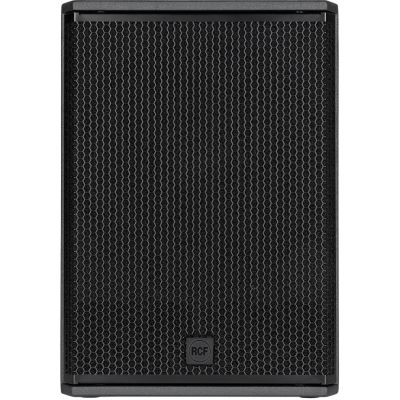
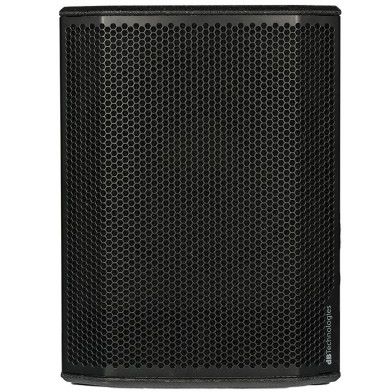
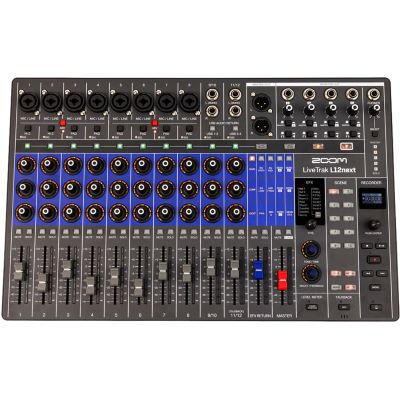
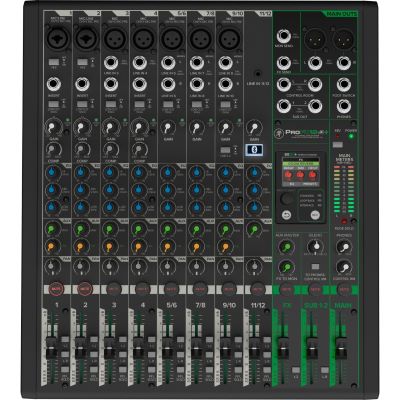
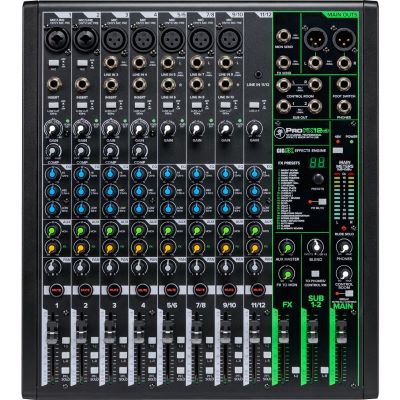
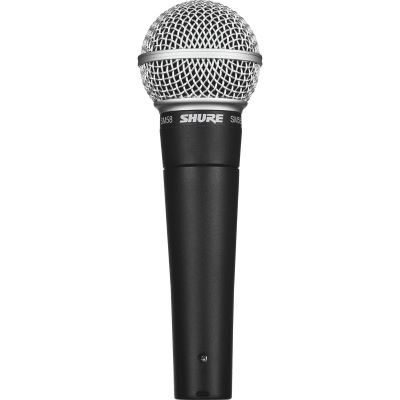
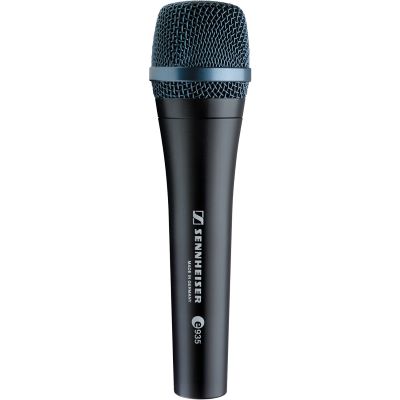
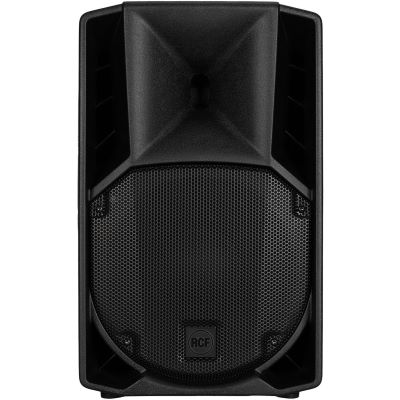
Two active 10 or 12-inch speakers, a compact mixer and dynamic vocal microphones are often sufficient when guitars, bass and drums generate their own sound through amplifiers and the acoustic drum kit.

Which PA does a band need in the rehearsal room, in a club or on stage? A complete band PA consists of much more than two loudspeakers. Vocals, instruments and drums come together at the mixer, subwoofers provide low-frequency support when needed, and stage monitors or in-ear systems ensure that every musician can hear the performance clearly.
First decide what really needs to go through the PA. If only vocals are amplified, the system can remain relatively compact. If bass, keyboards, guitar modelers and the complete drum kit should also run through the front system, the demands on speakers, subwoofers, mixer and monitoring increase considerably.
Two active 10 or 12-inch speakers, a compact mixer and dynamic vocal microphones are often sufficient when guitars, bass and drums generate their own sound through amplifiers and the acoustic drum kit.
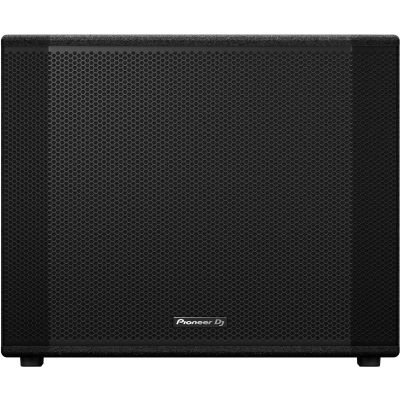
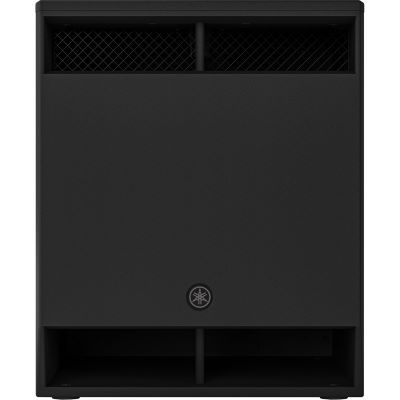
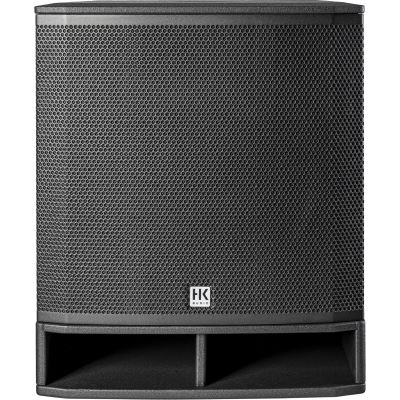
Two capable tops plus a mixer with enough inputs and monitor outputs form a flexible foundation. A subwoofer becomes more relevant as soon as bass instruments or kick drum are routed through the PA.
For controlled full-range band sound, two high-quality tops, one or two subwoofers, a digital mixer, several monitor mixes and structured microphone placement are a sensible starting point.
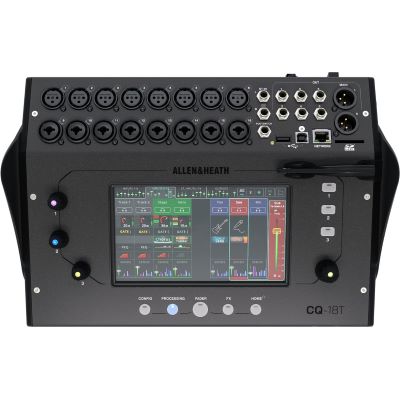
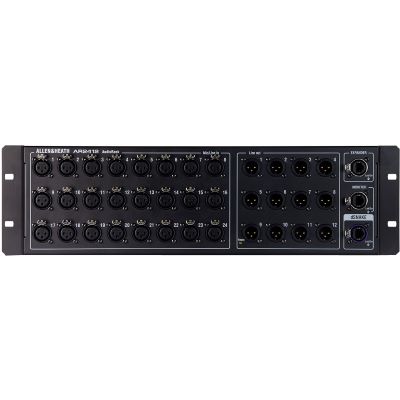
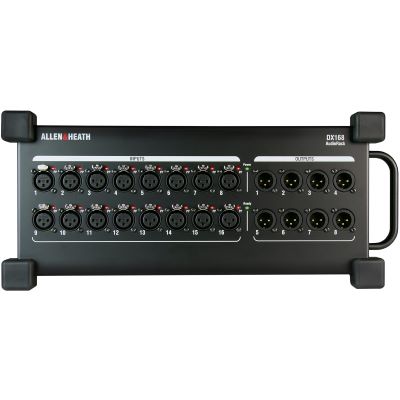
Many inputs, longer stage cable runs and several independent monitor mixes favour a digital mixer and compatible stage box. The system remains organised and can be expanded later.
A good starting point for many bands: two active 12-inch tops, a digital mixer with spare input capacity and at least two independent monitor mixes provide a flexible basis. Add one or two subwoofers when kick drum, bass or electronic playback should provide the low-frequency foundation of the front PA.
Every source must reach the mixer cleanly before it can be sent to the audience and to the musicians' monitor mixes.
Vocals, acoustic instruments, DI boxes, keyboards, modelers and drum microphones provide the individual input signals.
Small systems connect directly to the mixer. On larger stages, a stage box collects signals close to the musicians.
Gain, EQ, dynamics, effects, panorama and level are processed for the front mix and separate monitor mixes.
The main mix feeds tops and subwoofers. Aux or mix outputs feed stage monitors and in-ear systems independently.
In a small club, guitar amplifiers and an acoustic drum kit may already produce enough direct stage volume, so the PA mainly reinforces vocals and keyboards.
On larger stages, complete miking becomes more useful because the sound engineer can control the balance between kick, bass, guitars, keyboards and vocals for the audience.
Very loud guitar amplifiers and wedges already contribute significantly to the room sound before the front PA is considered. Moderate stage levels or in-ear monitoring give the FOH mix more control and can also reduce the risk of feedback.
Remember: every source needs a suitable input, every musician needs a useful monitor path and the front PA needs sufficient reserve for the signals that actually need to reach the audience.
Band size, music style, room, audience and desired sound level all matter. A rock band with an acoustic drum kit needs different reserves from an acoustic trio with cajón.
| Application | Front PA | Bass | Mixer | Monitoring |
|---|---|---|---|---|
| Rehearsal / Vocals | 2 compact active tops | Usually not required | 6–12 channels | 1–2 mixes |
| Acoustic Band | 2 tops or a column PA | Optional | 8–16 channels | 2–4 mixes |
| Rock / Pop Band | 2 capable 12-inch tops | 1–2 subwoofers | 16+ channels | 3–6 mixes |
| Larger Stage | Scalable PA system | Several subs possible | Digital mixer + stage box | Individual mixes |
Audience size alone is not enough: a powerful rock band playing for 100 standing guests places different demands on a PA than an acoustic ensemble playing for 100 seated listeners. Compare maximum SPL, dispersion, headroom and low-frequency requirements instead of looking only at watts.
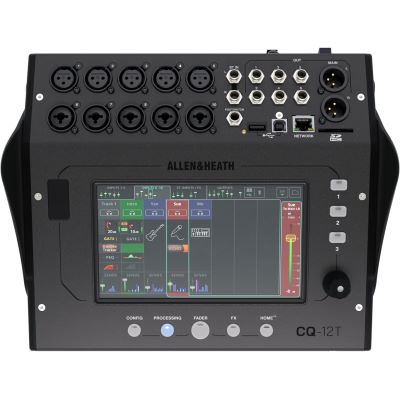
Three vocal microphones, a stereo keyboard and two additional instruments already occupy approximately seven to nine input channels. A 12-channel mixer provides useful spare capacity.
Kick, snare, toms and overheads can already require six to eight channels. Add vocals and instruments and a band can quickly need significantly more than twelve inputs.
Also check how many independent aux or mix outputs are available for wedges and in-ear systems. A mixer with many inputs but too few monitor buses can still be too small.
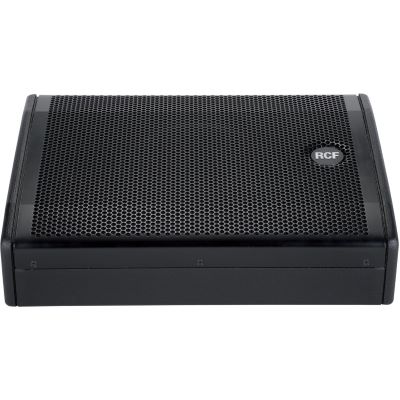
The front PA is aimed at the audience and is not a reliable monitor system for musicians on stage. A band therefore needs its own monitoring solution.
Dynamic vocal microphones are robust and easy to control on loud stages. Cardioid and supercardioid patterns also require different monitor positions.
A suitable guitar amplifier can be miked using a dynamic instrument microphone or connected through an appropriate line, DI or modeler output.
DI boxes and balanced line outputs feed instrument signals cleanly to the mixer and are particularly useful with longer stage cable runs.
On small stages, begin with kick and, where useful, overheads. Add snare and tom microphones when more individual control is required. Every additional microphone increases the mixer channel count.
In a small rehearsal-room setup, the mixer can stand directly beside the band. Once the mixer moves to the FOH position in front of the stage, many individual microphone cables would otherwise have to run through the room.
An analogue stage box combines these connections into a multicore. Digital systems convert the signals on or near the stage and can transfer many inputs and outputs to a compatible mixer through a network connection.
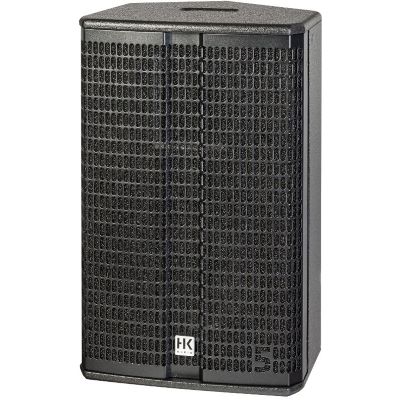
Place the tops to the left and right and, wherever possible, in front of the microphone line. Position subwoofers securely on a level surface.
Clearly label microphones, DI boxes, keyboards and other line signals and route them to the mixer or stage box.
Set each channel using the musician's actual singing or playing level and leave useful headroom for dynamic peaks.
Begin with the most important signals for each musician. Not everyone automatically needs every instrument at the same volume.
Start with the fundamental elements such as kick, bass and vocals and then add guitars, keyboards and other sources. Judge the result from the audience area rather than only from the stage.
Build the system by product group. Prices and stock levels are intentionally not included here because they can change; current information is available on the individual product pages.
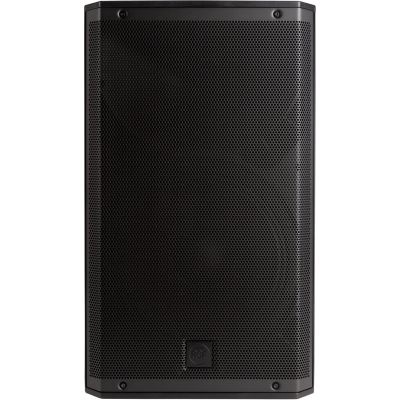
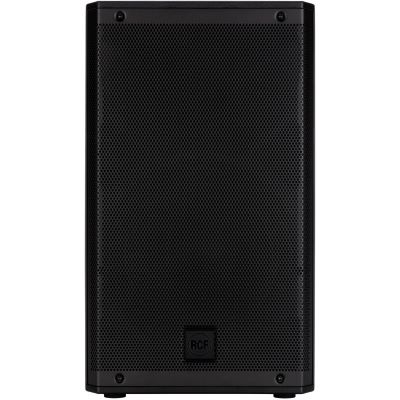
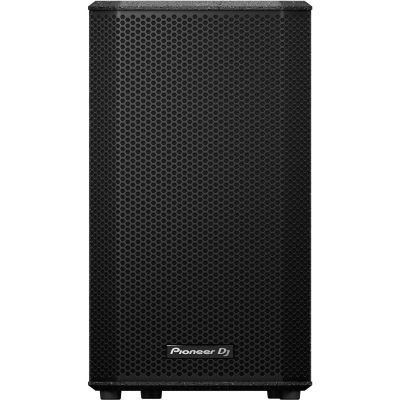
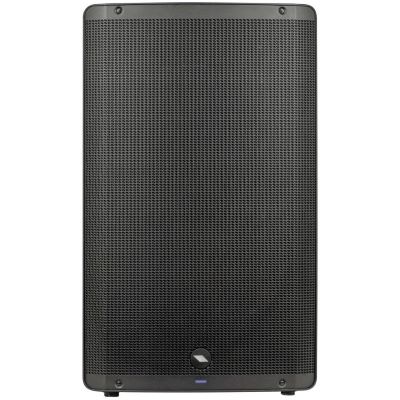


XLR cables, instrument connections, mains distribution and suitable cable lengths belong to the complete band PA just as much as speakers and mixers.
Compare complete loudspeaker ranges, live mixers, stage monitoring, microphones and matching accessories directly within the manufacturer worlds.












One extra vocal microphone, drum microphone or stereo keyboard can make an undersized mixer run out of inputs very quickly.
Too few aux outputs cannot be solved simply by purchasing more monitor speakers later.
Maximum sound pressure level, dispersion, headroom and DSP are at least as important.
Tops and subwoofers must work together in terms of crossover, level and, where necessary, delay.
Loud guitar amplifiers and wedges make a controlled front mix more difficult and can increase feedback risk.
XLR cables, power distribution, stands, cases and cable routes are all part of the complete PA and setup plan.
For a typical rock or pop band, two active 12-inch tops, a mixer with approximately twelve or more useful inputs and several monitor mixes form a flexible starting point. If kick drum and bass are reproduced fully through the PA, add at least one suitable subwoofer.
No. If only vocals are amplified in the rehearsal room, a subwoofer is usually unnecessary. It becomes much more useful for kick drum, bass, electronic drums and synth bass.
For vocals, acoustic music or smaller clubs, they can be. With full-band reinforcement, bass and headroom requirements increase, making tops plus subwoofers the more flexible solution.
Count every microphone and mono signal as one channel and stereo sources as two channels, then add spare capacity. A completely miked band can quickly reach 16 or more input channels.
Analogue mixers offer a direct and straightforward workflow. Digital mixers integrate EQ, gates, compressors, effects, scene storage and multiple monitor mixes and are particularly practical for more complex band setups.
Both approaches work. Wedges are straightforward and can be used spontaneously. In-ear monitoring can reduce stage volume and provide very controlled individual mixes, but each mix still requires a suitable output path.
Once many signals need to travel a significant distance to the FOH position, a stage box makes cable management considerably easier. Digital stage boxes must be compatible with the mixer system being used.
On small stages, the amplifier can contribute directly to the room sound. For a more controllable overall mix, miking the amp or using a suitable line or modeler output to the PA is often useful.
The main speakers normally stand to the left and right in front of the microphone line and are aimed at the audience. Monitors point towards the musicians, while subwoofers stand securely on the floor.
This is possible with small and medium-sized setups, especially with recallable digital mixers. For larger productions, a separate person at FOH is useful because musicians can only judge the audience mix to a limited extent from the stage.
Start by listing the musicians, vocal microphones, instruments, desired monitor mixes and typical event size. This allows you to build a system that does not reach its limit as soon as one extra microphone is added.
A band PA should begin with the signals that actually need to be amplified. For a rehearsal room, a system for vocals and perhaps keyboards is often sufficient. Once the complete band should run through the PA, adequate mixer channels, subwoofers and separate monitor mixes become much more important.
Two good active top speakers form a particularly flexible basis because they can initially be used on their own and later expanded with one or more subwoofers. For rock, pop and electronic music, the bass system becomes particularly important when kick drum, bass guitar, synth bass or electronic drums should be reproduced through the front PA.
The mixer should not only provide enough inputs but also enough outputs for monitoring and future expansion. Digital mixers simplify more complex band setups through recallable scenes, integrated dynamics processing, EQ and effects. With longer stage cable runs, a compatible stage box can additionally simplify cable management considerably.
Plan the front PA and monitoring together. A loud front system cannot compensate for missing monitor outputs, and more wedges cannot create independent mixes if the mixer does not provide enough buses. A well-planned system works in the rehearsal room and can grow with the band onto larger stages.
Find further Musikhaus Korn buying guides for PA, microphones, instruments, recording, DJ equipment and event technology in the central guide world.