Guitar or Bass
Start acoustically or go directly for the electric sound you really want to play.

Guitar, keyboard, digital piano, drums, wind instrument, home studio, DJ controller or your first PA system? Find out which music equipment suits your goal, which components really belong together and what you do not need at the beginning.
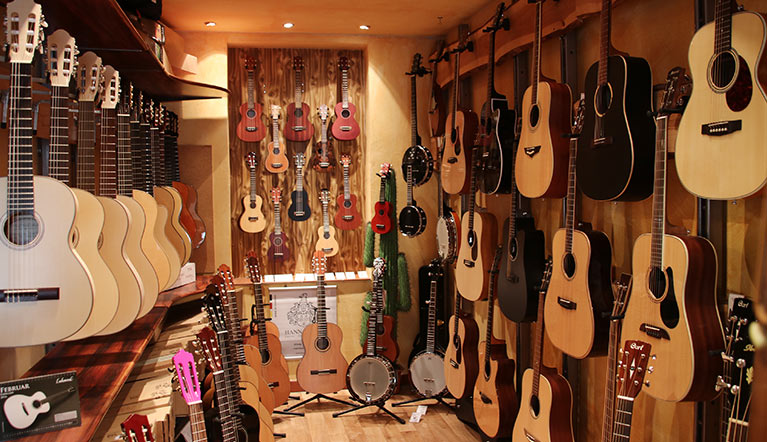
A simple setup that you use regularly is usually more valuable at the beginning than a large collection of functions you do not yet need.
Music equipment for beginners is more than simply an inexpensive instrument. It means a manageable, easy-to-use and sensibly coordinated basic setup that allows you to pursue your musical goal without unnecessary technical obstacles.
Someone who wants to learn guitar needs different components from someone who wants to produce beats, play piano, DJ or provide sound for a band. A good choice therefore always begins with one question: What exactly do you want to do with your equipment?
After that, playing feel, body size, available space, permitted volume, an existing computer, connections and expandability become important. A simple setup that is used regularly is usually more valuable for beginners than extensive equipment with functions that are not yet needed.
Choose your goal first. This helps you avoid buying accessories or technology that are not necessary for your personal starting point.
Start acoustically or go directly for the electric sound you really want to play.
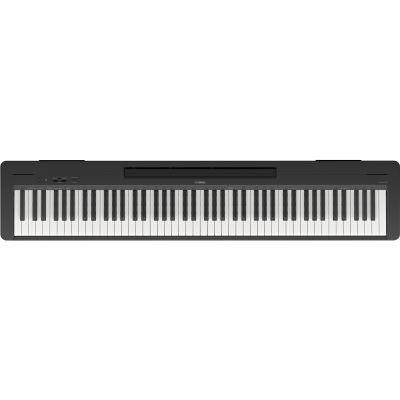
Choose between accompaniment functions and many sounds or 88 weighted keys for learning piano.
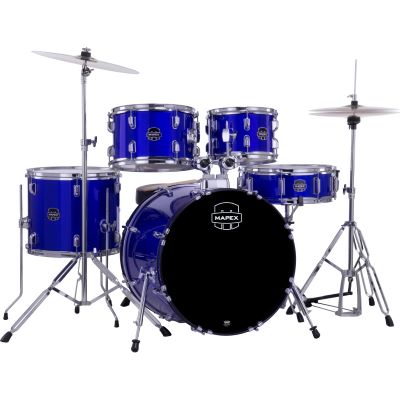
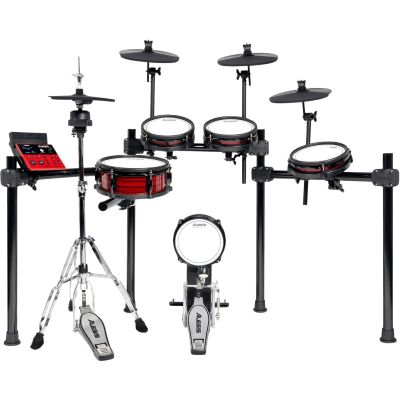
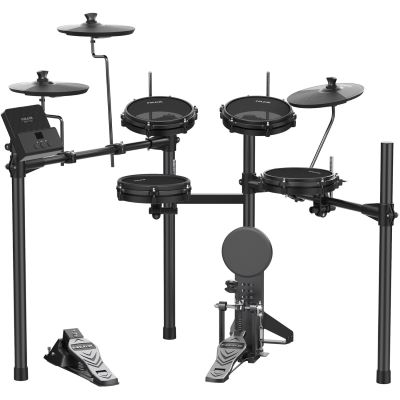
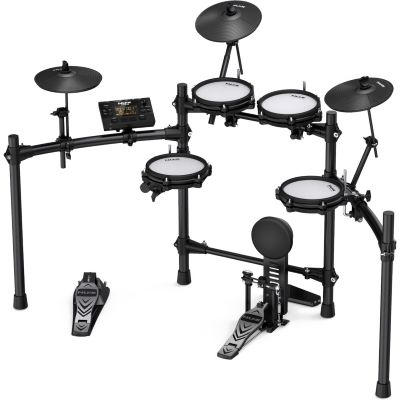
Choose acoustic drums for natural dynamics or an electronic drum kit for more controlled practice volume.
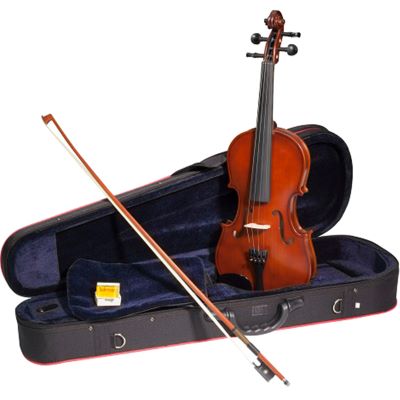
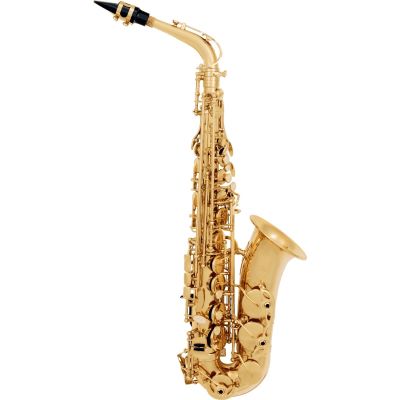
Saxophone, trumpet, clarinet or violin should suit both the lesson concept and the player's body size.
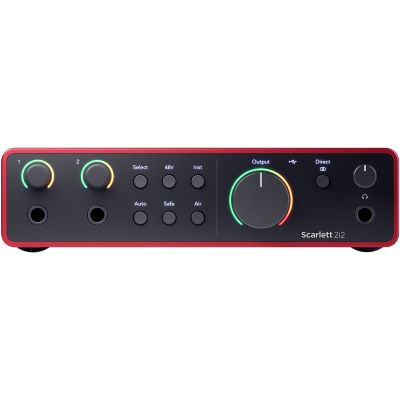
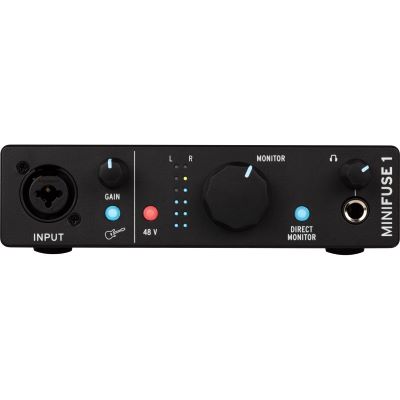
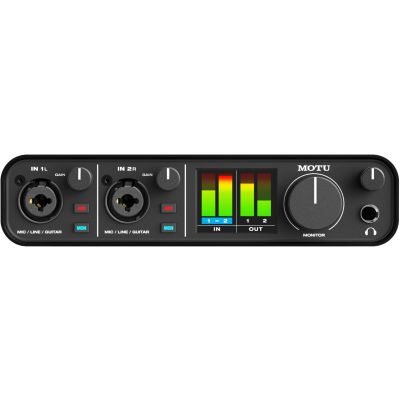
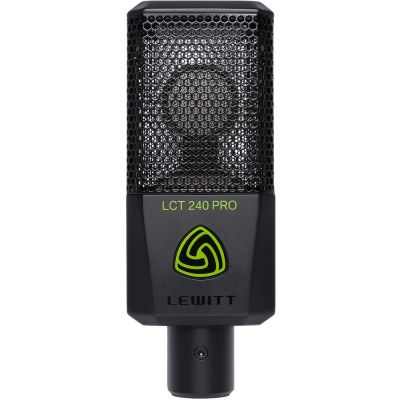
An audio interface, microphone and headphones form a clear starting point for recording.
Start with a controller and headphones for DJing or with a microphone, mixer and PA for your first live performances.
The best starting point does not depend on one single product type. Depending on your goal, instruments, recording equipment, DJ technology, PA equipment and various accessories may all become relevant.
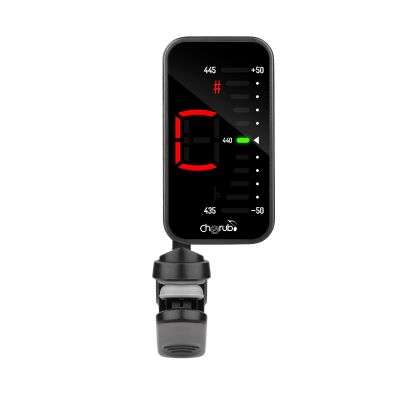
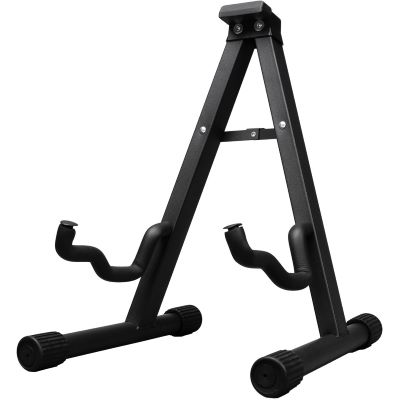
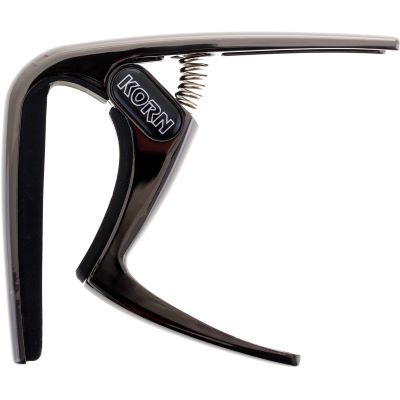
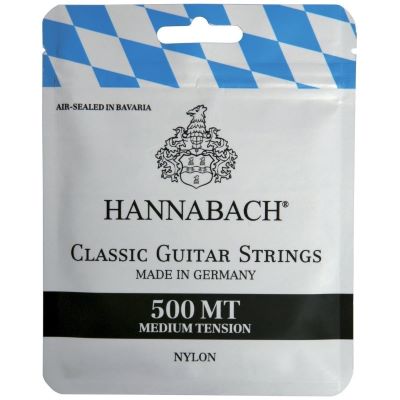
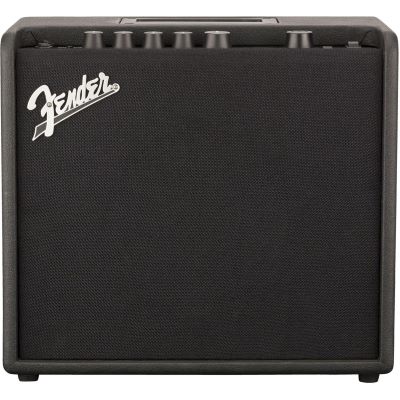
Classical, acoustic and electric guitars, electric basses, amplifiers, strings, bags, tuners and starter sets.
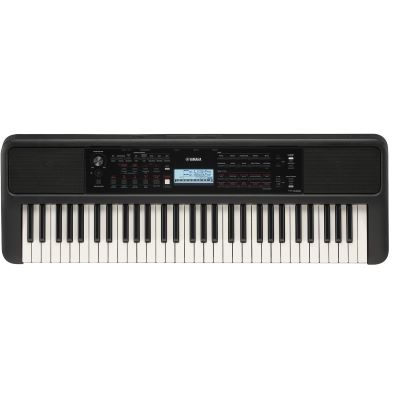
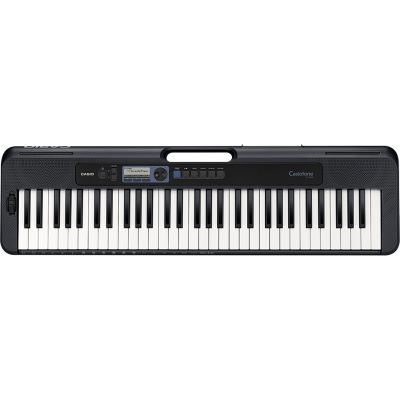
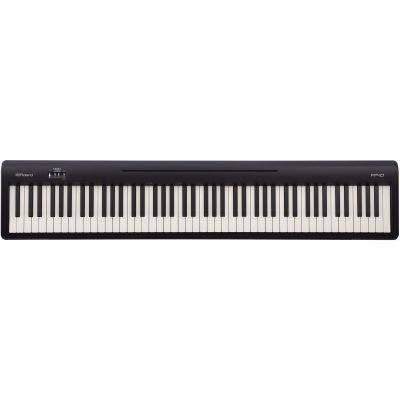
Home keyboards, learning keyboards, digital pianos, stage pianos, MIDI keyboards, stands, benches and pedals.
Acoustic drums, electronic drums, junior sets, cajóns, practice pads, sticks, stools and headphones.
Saxophones, trumpets, clarinets, flutes, violins and matching care products, bows and mouthpiece accessories.
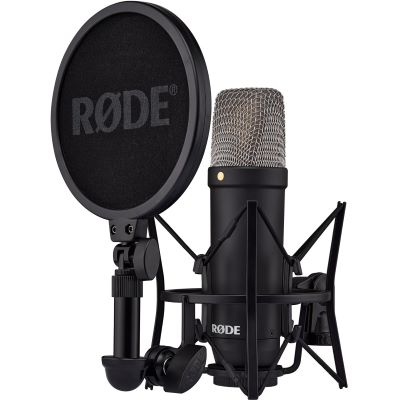
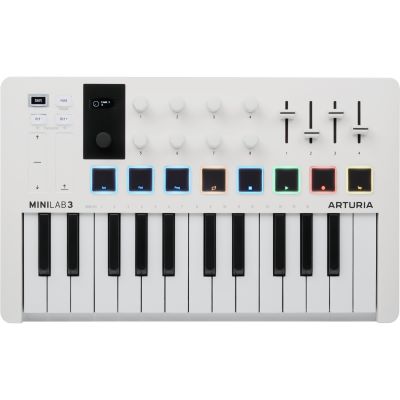
Audio interfaces, microphones, studio headphones, monitors, MIDI controllers, software, stands and cables.
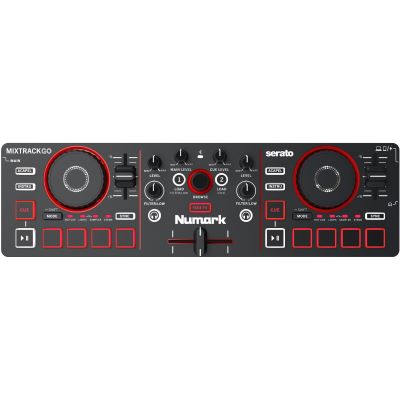
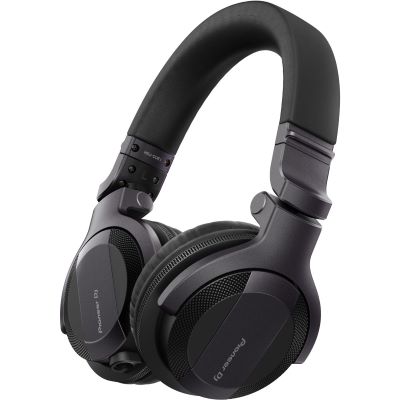
DJ controllers, software, DJ headphones and monitors, followed later by mixers, media players or turntables.
Vocal microphones, active speakers, mixers, stands and cables for rehearsals, bands and small events.
Cables, bags, stands, headphones, tuners and spare parts often make the difference between a single product and a setup that is actually ready to use.
| Goal | Main Device | Essential to Plan | Quiet Practice | Later Expansion |
|---|---|---|---|---|
| Learn guitar | Acoustic or electric guitar | Tuner, bag; electric guitar also amp and cable | Electric guitar with a headphone solution | Effects, recording, stage amp |
| Learn piano | Digital piano with 88 keys | Stand, bench, pedal | Very good via headphones | Pedals, furniture stand, recording |
| Learn drums | Acoustic or electronic drums | Sticks and seat | Electronic drums particularly suitable | Monitor, additional pads, cymbals |
| Record music | Audio interface | Headphones; for vocals also microphone and XLR cable | Very good | Monitors, MIDI keyboard, more microphones |
| Learn DJing | 2-deck controller | Headphones and compatible playback device | Good via headphones | Monitors, PA, larger controllers |
| First performance | Microphone and active PA | Cables, stand, suitable inputs | Not the main goal | Mixer, monitor, wireless equipment |
Think from the signal path and your everyday practice routine. This quickly shows which components are necessary and which are simply interesting additions.
First decide whether learning, recording, production, DJing or live performance is your main focus.
The instrument, audio interface, DJ controller or PA forms the core of the system.
Which cables, inputs, headphones, amplifiers or speakers are actually required?
Effects, additional microphones or larger speakers become worthwhile once a real need has developed.
Beginner rule: invest first in easy operation, the right size and a complete basic setup. Additional functions are useful only when you know what you want to use them for.
The selection is deliberately organised by application. It ranges from first instruments to recording and DJ equipment through to a small live PA system.
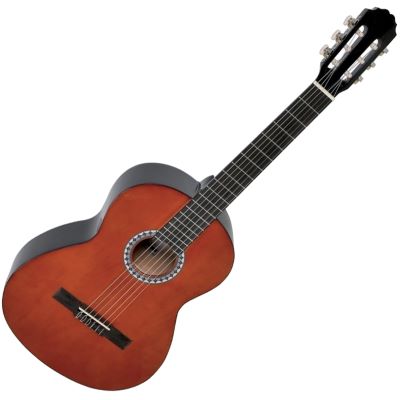
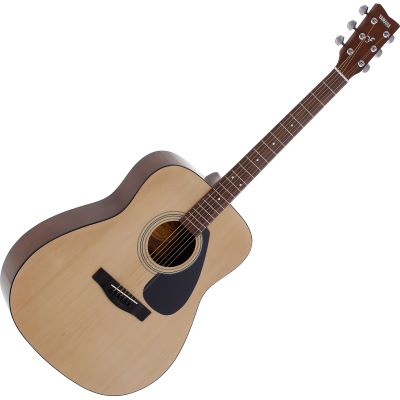

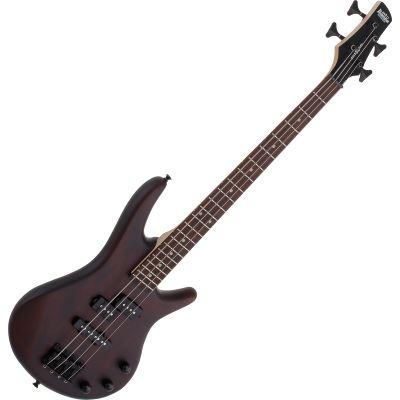

Interfaces, microphones, MIDI controllers and headphones for a clear first recording setup.

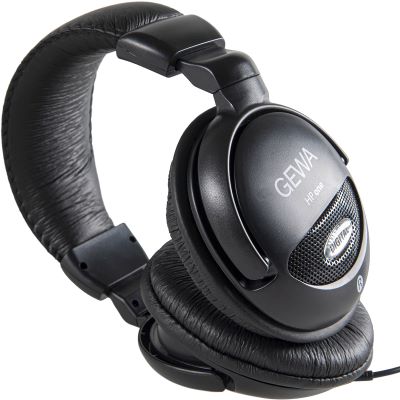
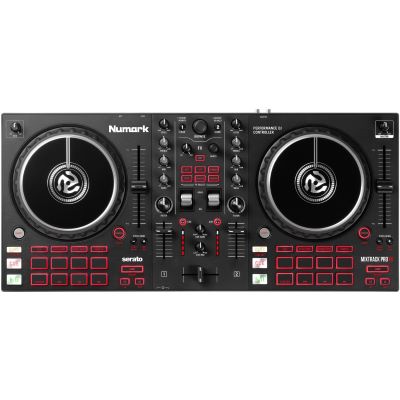
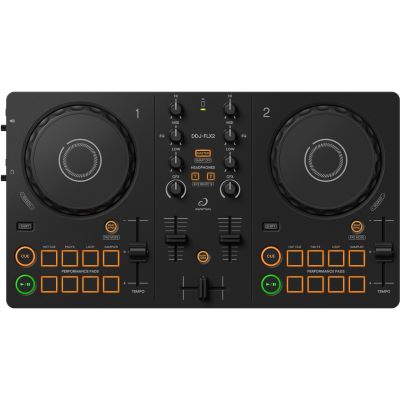
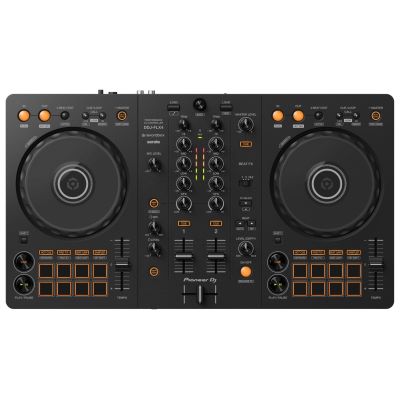
Compact two-deck controllers and suitable headphones for learning the basic DJ workflow.
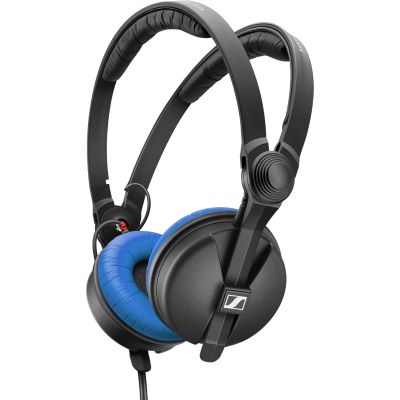
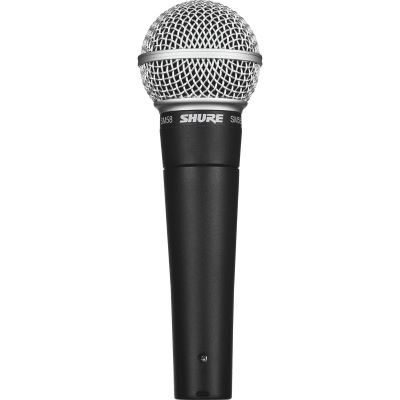
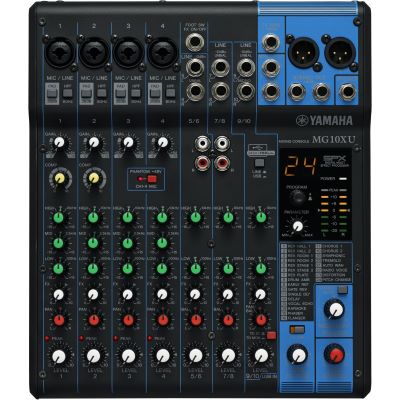

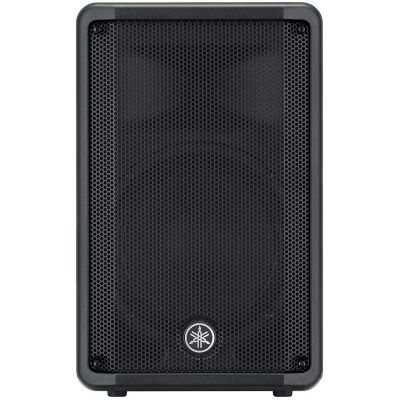
Manufacturer pages bring together instruments, accessories and technical solutions from one brand. They are useful if you later want to expand your setup within one product family.










Poor ergonomics or unreliable operation can slow down learning more than a smaller feature set.
Amplifiers, cables, stands or headphones are part of the functioning overall system for many product types.
A clear workflow is more important at the beginning than numerous menus, inputs or effects without a specific purpose.
Electronic drums, digital pianos and headphone solutions can be considerably more practical in apartments than loud acoustic systems.
With guitars, basses, violins and drums, size, scale length and reach have a major influence on playing comfort.
A good beginner setup does not have to be large, but it should allow sensible additions later.
First you need one main instrument or main device and only the accessories required to use it. With a classical guitar, for example, the instrument and a tuner can be enough, whereas an electric guitar additionally requires an amplifier and cable.
The instrument should suit the music you prefer. Guitar and keyboard make it possible to play first chords and songs relatively quickly, a digital piano is useful for classical piano playing, electronic drums allow controlled practice, and wind or string instruments combine particularly well with structured lessons.
Yes, if the included components fit together and are actually needed. A set simplifies the choice of bag, cable, stand or amplifier. Buying individual components, on the other hand, provides more freedom for specific requirements.
Digital pianos, electronic drums, electric guitars with a headphone output as well as home-studio and DJ systems are particularly easy to use with headphones. Structure-borne noise and key or pad impact noise may still remain audible.
For many beginners, a computer, recording software, audio interface and headphones are sufficient. For vocals or acoustic instruments, add a suitable microphone, XLR cable, stand and, where appropriate, a pop filter.
A clear two-deck controller is generally sufficient for learning cueing, beatmatching, EQ, faders, loops and simple effects. It is also important to consider which DJ software and which computer or mobile device you want to use.
No. Suitable headphones can be sufficient for your first recordings. Studio monitors become more interesting once mixing, longer production sessions and evaluating sound in the room become more important.
As much as necessary and as little as possible. Buy a working core setup first. After a few weeks of practice, you will know much more clearly whether an additional effect, a second microphone or a larger PA would provide a real benefit.
Once the general direction is clear, the specialised guides provide more help with instrument size, construction, connections and accessories.
Compare classical, acoustic and electric guitars as well as four-string basses, short-scale instruments and bass setups.
Understand the difference between a keyboard and digital piano and compare an acoustic drum kit with electronic drums.
From your first interface to a complete signal path for vocals, instruments and production.
Start with your specific goal, choose the appropriate main device and add only the components your setup actually needs. The central Musikhaus Korn guide then takes you further into instruments, studio equipment, DJ technology and event equipment.