Guitar + Voice
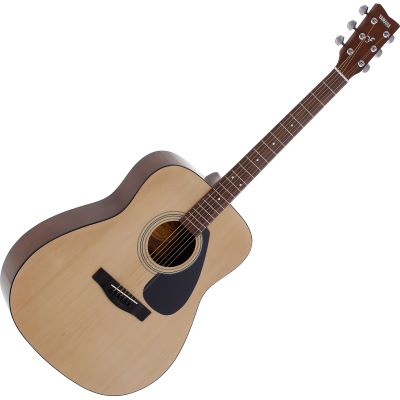
An acoustic guitar, tuner and uncomplicated recording device are enough to capture ideas immediately.

Voice, guitar or piano, a good song and as little technology as possible between the idea and the audience: singer-songwriters need equipment that does not interrupt the writing process, enables natural recordings and can be set up quickly on stage. This guide combines instruments, microphones, audio interfaces, acoustic amplifiers, mobile PA systems, loopers and accessories for the home studio and live performance.
Two independently usable inputs are one of the most flexible foundations for recording or amplifying vocals and an instrument separately.
The classic combination is voice plus an accompanying instrument such as acoustic guitar or piano. Recording and live equipment should therefore be able to process at least two separate signals when both sources need independent control.
In the home studio, this often means an audio interface with two microphone preamps, one vocal microphone, a second microphone or instrument input for guitar and suitable headphones. Voice and instrument then remain independently editable in the mix.
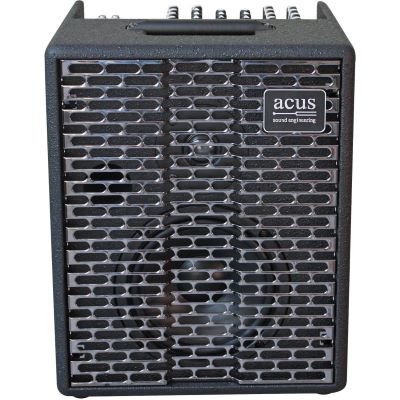
Live, an acoustic amplifier with separate microphone and instrument inputs provides an especially compact solution. For larger rooms, duos or more signal sources, a mobile PA provides more headroom and expansion options.
An acoustic guitar, tuner and uncomplicated recording device are enough to capture ideas immediately.
Two microphone inputs allow a vocal microphone plus a guitar microphone or directly connected pickup to be recorded on separate tracks.
Two or three channels, reverb and a DI output can combine guitar, vocals and playback in one device.
Mobile PA systems combine several inputs, effects and a loudspeaker system and can also work for a duo or small event.
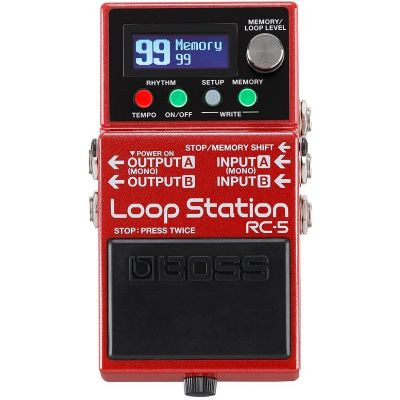
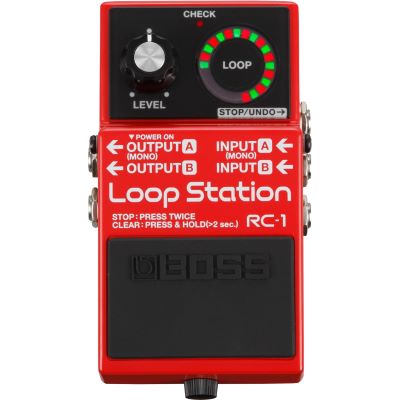
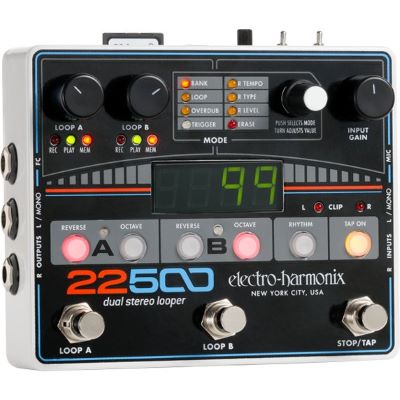
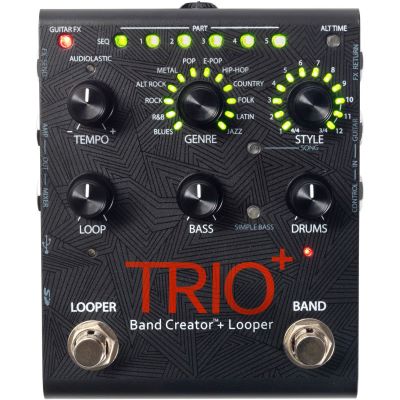
A loop station lets you create rhythm, chords and melodies one after another during the performance.
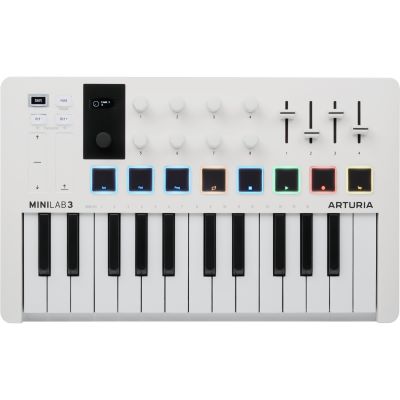
A compact MIDI keyboard can add piano, synthesizers, strings and programmed beats to guitar-based songs.
A built-in pickup is particularly practical on stage. In the studio, an external microphone can capture a more natural impression of the strings, body and room.
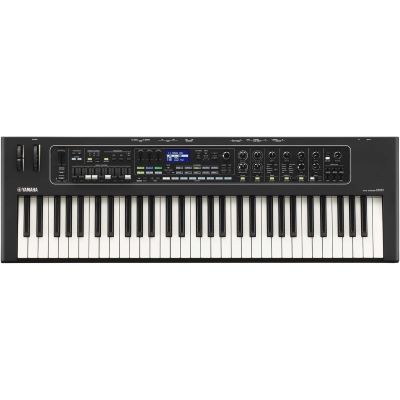
A keyboard provides line-level signals and typically uses two channels for stereo. Compact stage keyboards are especially useful for musicians who combine guitar and keys.
In the home studio, a MIDI keyboard controls virtual instruments. It normally does not create its own standalone audio signal; the sound is generated by the computer and DAW.
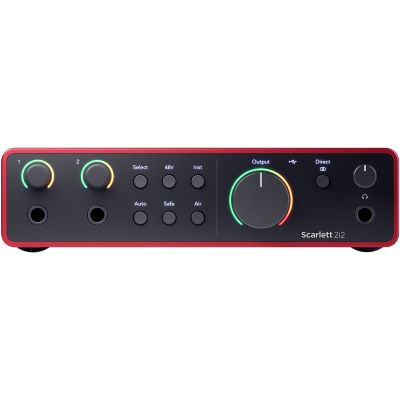
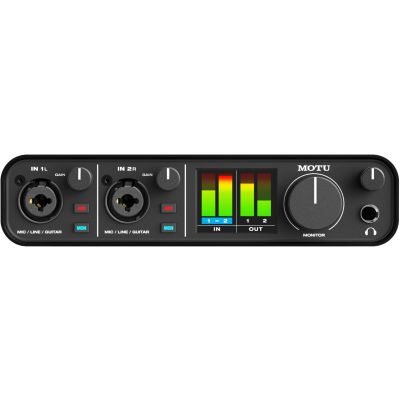
Two microphone preamps are one of the most flexible starting points for singer-songwriters. They allow two microphones, vocals plus pickup or vocals plus electric guitar to be recorded simultaneously.
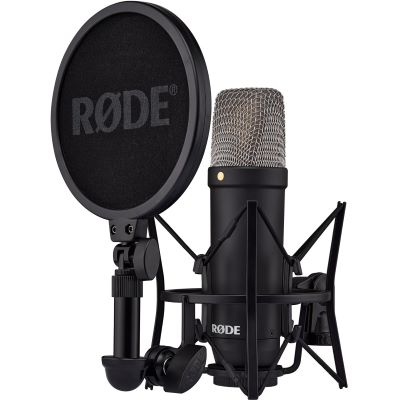
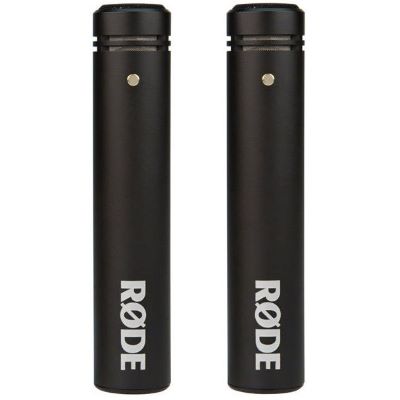
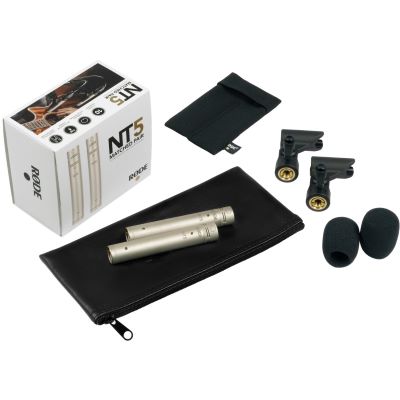
A large-diaphragm condenser microphone is a classic starting point for vocals. Small-diaphragm microphones are popular for acoustic guitar because they reproduce fast attacks and string transients precisely.
Start by positioning the guitar microphone approximately around the neck-to-body joint rather than directly in front of the sound hole. Small changes in microphone position can alter the sound more significantly than a new EQ setting.

Ideal for solo performances and smaller stages. Models with separate microphone and instrument channels, reverb and a DI output can already form a complete live system.
A balanced DI or line output is particularly useful when your own amplifier acts as a monitor while the venue also receives the signal for its main PA.
A PA provides more acoustic headroom, additional inputs and more flexibility for covering a larger audience area.
It is also easier to expand if a second musician, extra playback sources or additional microphones are added later.
Guitar-body percussion, a rhythmic figure or simple chords can form the foundation.
A second guitar part can make the arrangement fuller without requiring another musician.
Lead guitar or vocals can remain as the immediate live element over the recorded layers.
Stop and restart loops deliberately so that the song retains dynamics rather than remaining equally dense throughout.
| Application | Microphone | Signal Centre | Monitoring | Expansion |
|---|---|---|---|---|
| Song Idea | Optional | Smartphone / recorder | Direct | Looper |
| Home Studio | 1–2 studio microphones | 2-channel interface | Headphones | Studio monitors |
| Small Gig | Vocal microphone | Acoustic amplifier | Amplifier itself | Looper |
| Larger Gig | Live microphone | PA / mixer | Monitor | Wireless or in-ear |
| Duo | 2+ microphones | Multi-channel PA | Shared / separate | Digital mixer |
The selection combines instruments, acoustic amplification, studio and live microphones, audio interfaces, loopers, monitoring and practical accessories.
Compact solutions for guitar, vocals, playback and mobile performances.
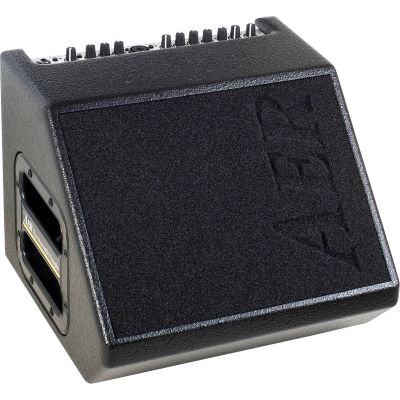
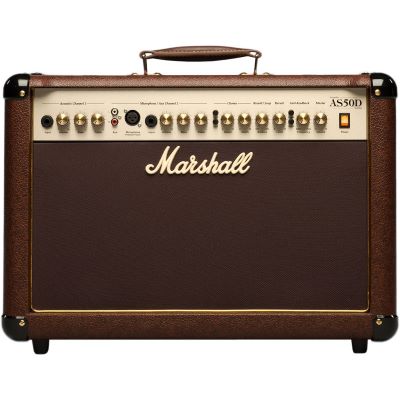
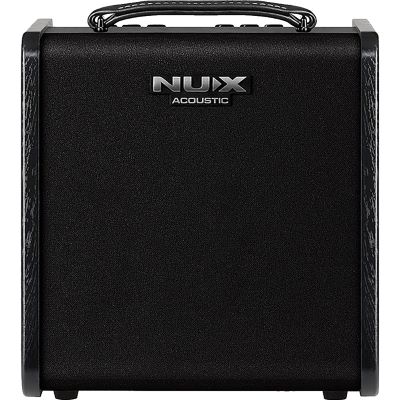

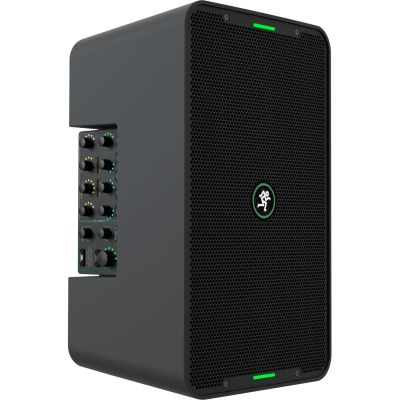
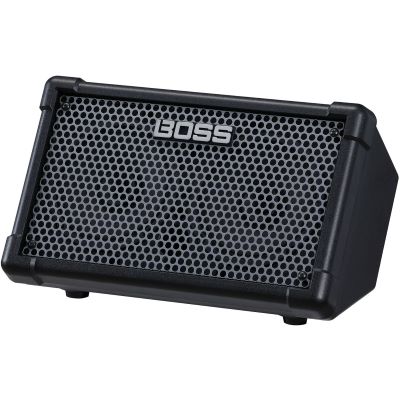
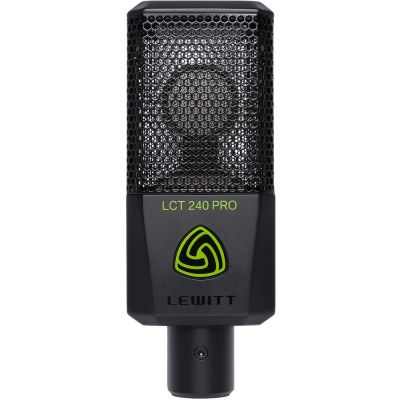
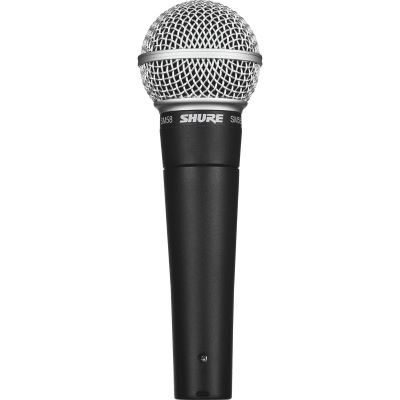
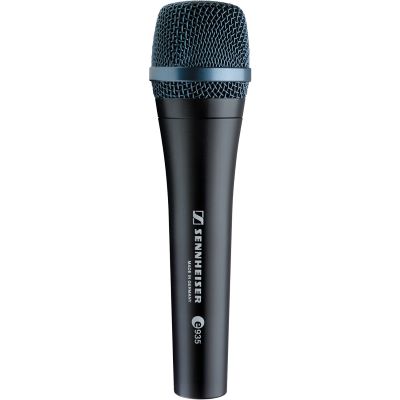
Studio microphones for voice and guitar plus robust dynamic microphones for live vocals.
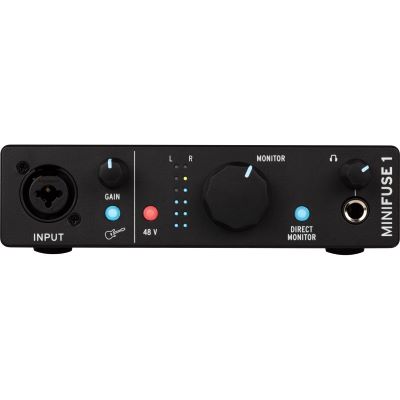
From a compact solo interface to a two-preamp singer-songwriter recording package.

From simple one-button looping to more complex multi-layer arrangements and generated accompaniment.
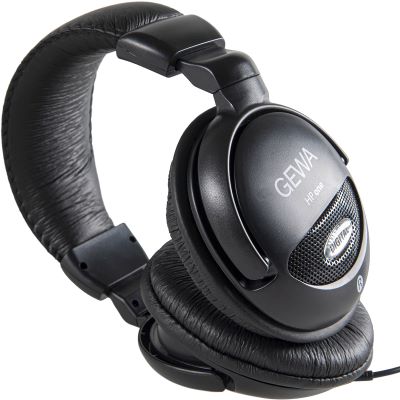
Headphones, stable positioning, reliable cabling, tuning and transport complete the setup.
Manufacturer pages are useful for comparing compatible instruments, microphones, amplifiers, recording products and accessories from one product family.












Vocals plus separately recorded or amplified guitar quickly require two independent signal paths.
The result can become overly bass-heavy. The neck joint or 12th-fret area is often a better starting point.
An acoustic amplifier with a microphone channel and effects can replace a mixer and several separate effect devices in a compact solo setup.
If you cannot hear your own voice and instrument clearly, it is easy to play or sing against the actual stage sound.
An inaccurate first loop repeats the same timing error throughout the entire song.
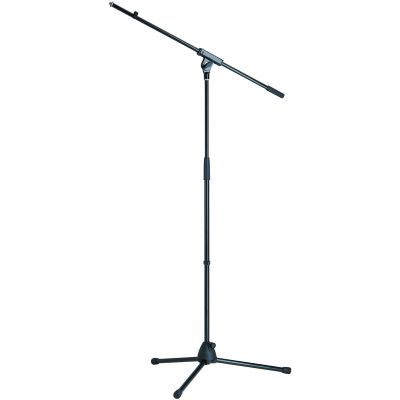
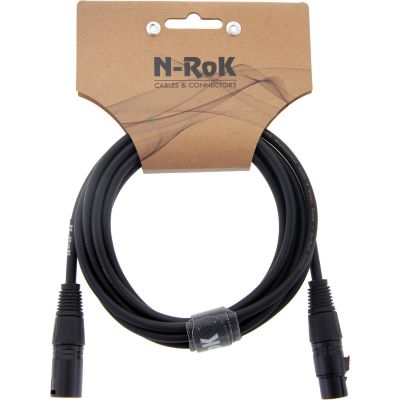
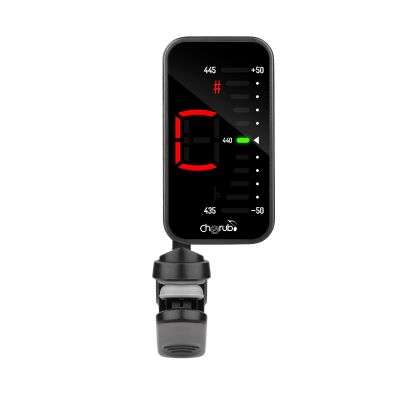
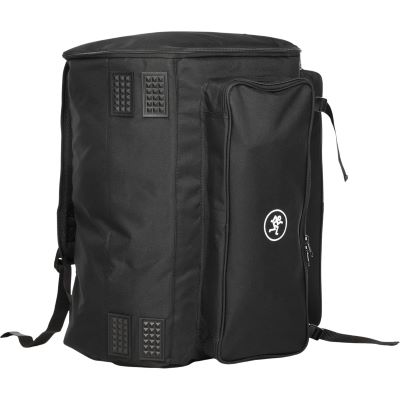
A complete setup also includes the microphone stand, XLR cable, tuner and suitable transport bags.
For many setups, a computer, audio interface, microphone, headphones, microphone stand and XLR cable are sufficient. If vocals and acoustic guitar need to be recorded simultaneously on separate tracks, choose an interface with two simultaneously usable inputs.
In the home studio, a large-diaphragm condenser microphone is a versatile starting point. On stage, dynamic vocal microphones are particularly practical because of their robustness and controlled close-miking behaviour.
A cardioid small-diaphragm condenser microphone is a flexible solution. Start by positioning it around the neck-to-body joint and adjust the distance and angle by ear.
One microphone preamp is sufficient for pure solo vocals. Two inputs are more flexible because they allow vocals and guitar, two microphones or a vocal duet to be recorded simultaneously.
An acoustic amplifier is especially compact for solo performances and smaller rooms. For larger events, several musicians or more signal sources, a PA system usually provides more headroom and expansion options.
Yes. Loops can create rhythmic accompaniment, additional chords and multi-layer arrangements. Reliable timing and confident control of start, overdub and stop functions are important for live use.
Yes. Two microphones or one microphone plus a pickup allow the sources to be recorded onto separate tracks. Acoustic bleed is normal when voice and guitar are performed together and can also be part of the desired natural sound.
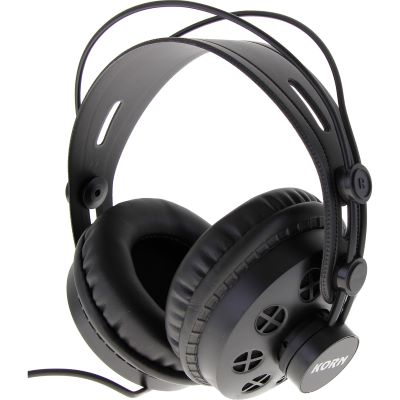
Closed-back headphones are particularly practical while recording vocals because less playback leaks into the microphone. Semi-open or open models are more useful as additional references for editing and longer mix work.
A typical setup consists of the instrument, vocal microphone, acoustic amplifier or PA, microphone stand and suitable cables. A tuner, spare cable and suitable transport bags also belong in a reliable live setup.
Partially. Instruments, many microphones and cables can often be used in both environments. Studio condenser microphones and nearfield monitors, however, are not automatically the most practical choice for a live stage. Build the core setup around its main purpose.
Compare small-diaphragm, large-diaphragm, stereo and live microphone techniques for acoustic guitar.
Select the right number of microphone preamps for solo vocals, vocals plus guitar or a duet.
Connect the interface, microphone, headphones, studio monitors and accessories as one signal path.
Begin with voice and instrument. Then decide whether the setup should primarily be optimised for recording or live performance. In the studio, two good inputs, a suitable microphone and reliable monitoring form a strong foundation.
Live, an acoustic amplifier or mobile PA together with a stand, suitable cables and, where useful, a looper creates a compact system that keeps the music at the centre.