Vocals + Acoustic Guitar
A battery-powered acoustic amp or mobile PA with at least two independently controllable inputs, microphone amplification and reverb is particularly practical.

Guitar, vocals, loops and a compact PA: busking calls for equipment that sounds good while remaining easy to carry, quick to set up and independent of a mains socket. This guide shows how to build a practical mobile setup for singer-songwriters, guitarists, singers, duos and loop-based performances.
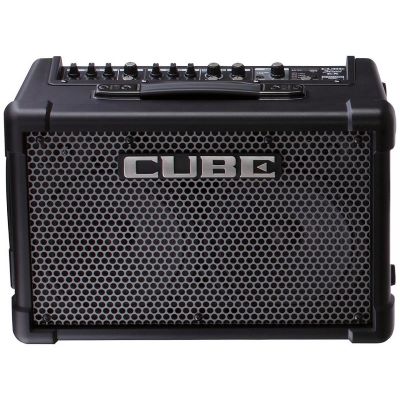
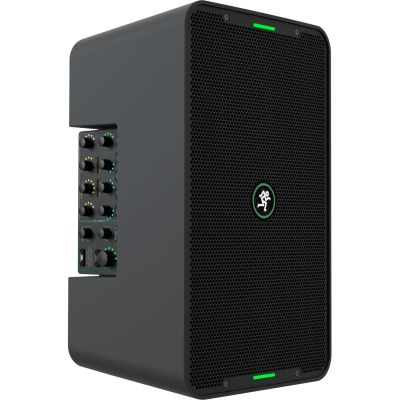
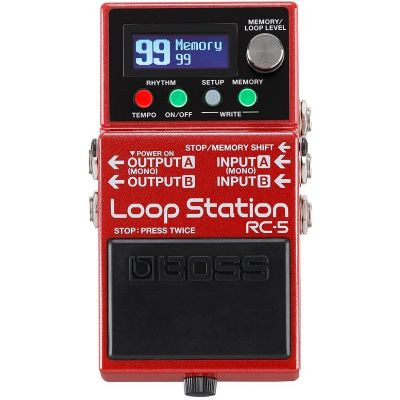
Count the required inputs first, then check weight, battery runtime and connections before adding more equipment.
A good busking setup combines instrument, voice and amplification with as little transport effort as possible. What matters is not how many devices you own, but whether the complete signal path works without a missing power supply, cable or mixer.
For a singer-songwriter, an acoustic guitar, vocal microphone and battery-powered amplifier with two suitable inputs may already be enough. A loop performer adds a loop station. A duo requires more inputs.
With electronic instruments and pedalboards, also check which components can run on batteries or rechargeable batteries and which still require an external power supply.
Weight and packed size are equally important. A powerful system provides little practical benefit if speaker, stand, instrument, microphone, cables and accessories require several journeys from the car or public transport to the performance location.
Start with the number of performers and signal sources rather than the maximum amount of equipment. A smaller complete system is usually more practical outdoors than a large rig with many unused channels.
A battery-powered acoustic amp or mobile PA with at least two independently controllable inputs, microphone amplification and reverb is particularly practical.
A battery PA with a microphone input and Bluetooth can handle vocals, spoken performances or backing tracks without requiring a separate mixer.
Compact battery-powered guitar amplifiers provide amp sounds and effects without necessarily requiring a separate pedalboard.
A loop station can turn one performer into a complete arrangement. Check in advance how the looper and any additional effects will be powered away from mains electricity.
Two voices and two instruments can already require four inputs. A mobile performance PA with an integrated multi-channel mixer can reduce the amount of separate equipment.
Instruments with a pickup can be connected directly to a suitable instrument input. Purely acoustic instruments may require a microphone or an appropriate pickup system.
The loudspeaker battery is only one part of the calculation. Every active device in the signal chain may require additional electrical power.
Battery runtime depends on volume, signal peaks, temperature and active additional functions. Do not calculate with only the theoretical maximum value.
Loop stations, effects, wireless receivers and electronic instruments may require a separate battery or power source.
Charge speakers and rechargeable accessories before travelling and check them again immediately before a longer performance.
Voltage, polarity and required current must match the individual device. Do not use unsuitable power supplies or improvised adapters.
Models with both instrument and microphone inputs create a compact all-in-one solution. Reverb, Bluetooth and integrated effects can reduce the need for additional devices.
An integrated multi-channel mixer makes mobile PA speakers especially useful for singers, duos and musicians using several signal sources. Larger models provide more reserve but also increase transport weight.
Guitar-specific amplifiers provide suitable amp models and effects. Some also include a microphone channel and can therefore form a complete solo-performance system.
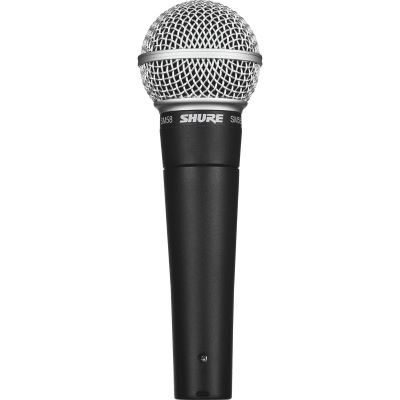
Robust dynamic microphones are an uncomplicated starting point for vocals under changing conditions. They normally do not require phantom power and can be connected directly to a suitable microphone input.
Condenser microphones can be useful for acoustic instruments, but depending on the model they may require phantom power or another power supply. Wind protection should also be considered when playing in exposed outdoor locations.
Feedback cannot be solved with EQ alone. Place the loudspeaker in front of, or laterally in front of, the microphone position where practical and avoid aiming the sensitive side of the microphone directly at the loudspeaker.
Loopers can build rhythm, chords, bass lines and melodies layer by layer. For busking, power supply and straightforward operation are just as important as the number of functions.
A short and rhythmically accurate first loop forms the foundation.
Chords, percussion or a bass line can form the second layer.
Keep the main live part flexible so that it can still respond naturally to the audience and performance.
A few functions you can operate confidently are more reliable live than an overloaded pedalboard.
| Setup | Amplification | Inputs | Also Needed | Mobility |
|---|---|---|---|---|
| Solo Vocals | Battery PA | Microphone | Stand, XLR cable | Very high |
| Vocals + Acoustic Guitar | Acoustic amp / performance PA | Mic + instrument | Tuner, stand | High |
| Electric Guitar | Battery guitar amp | Instrument | Cable, tuner | Very high |
| Loop Artist | Battery amp / PA | Instrument / mic | Looper, power supply | Medium to high |
| Duo | Multi-channel battery PA | 3–4 or more | Several cables and stands | Medium |
The examples range from compact guitar amplifiers to multi-channel battery-powered PA systems. The right solution depends on your performance, required sound level, transport weight, connections and battery runtime.
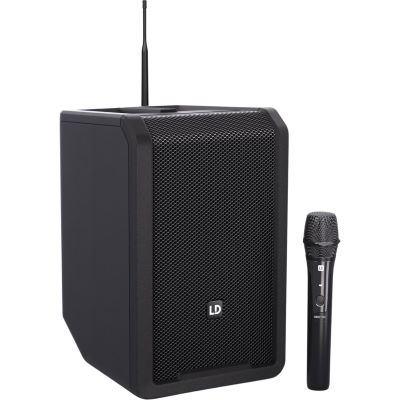
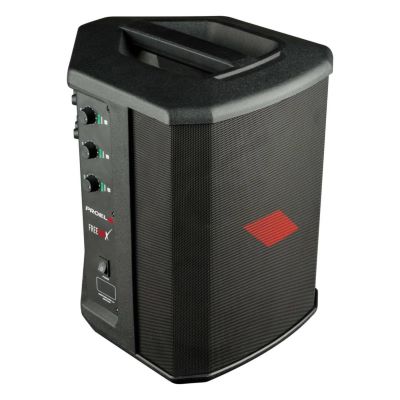
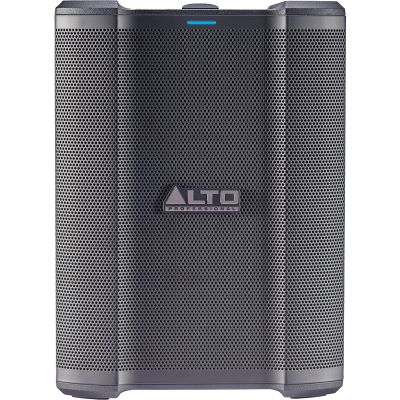
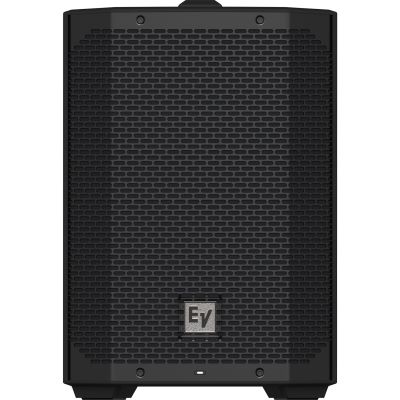
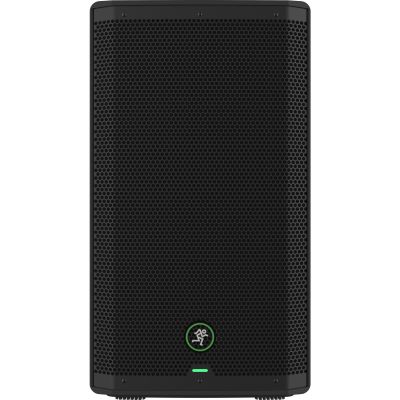
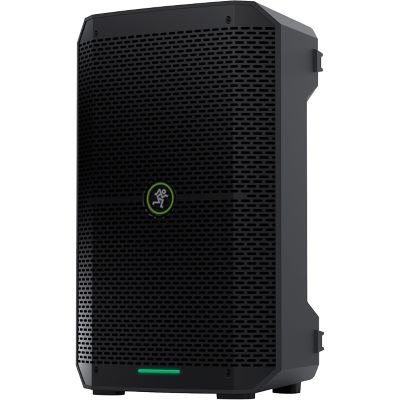
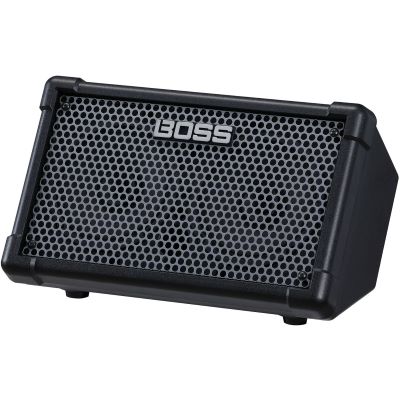
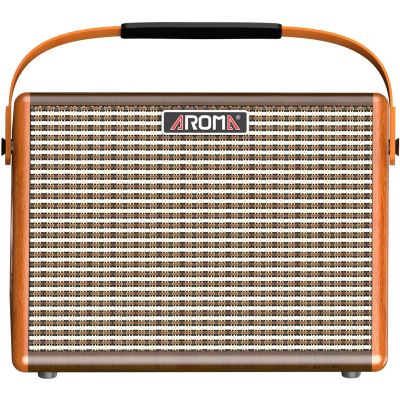

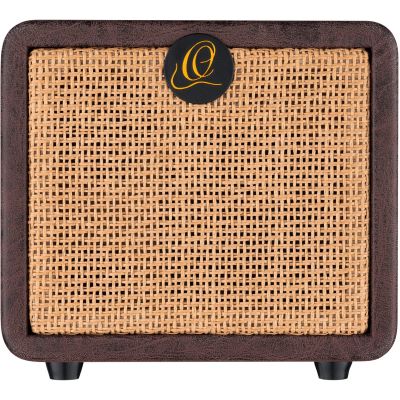
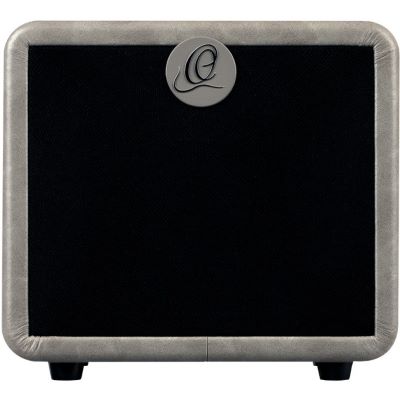
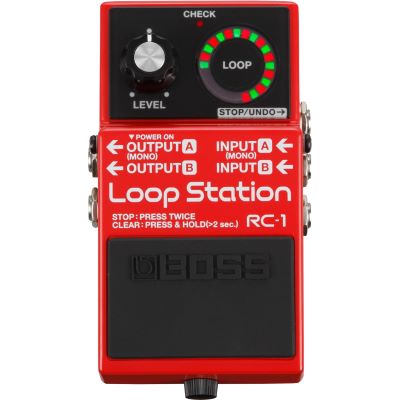
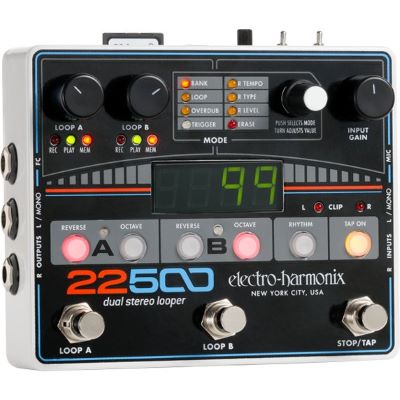
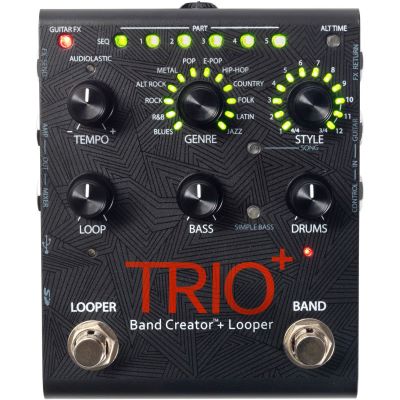
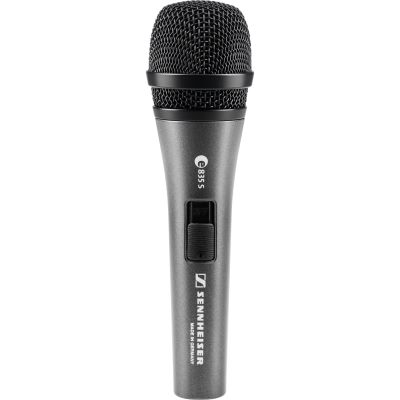
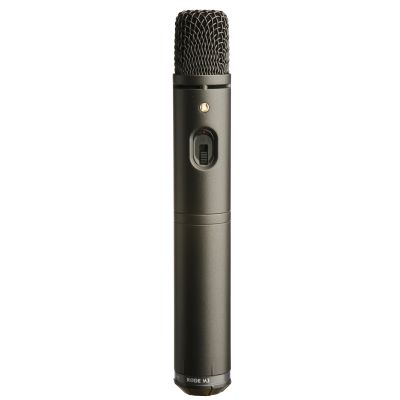
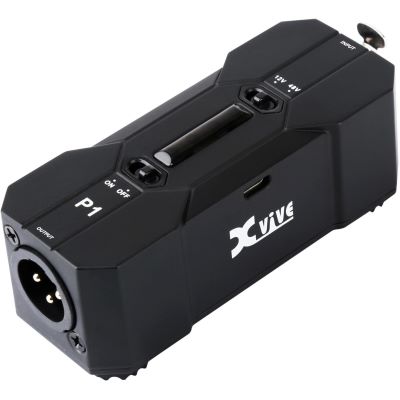
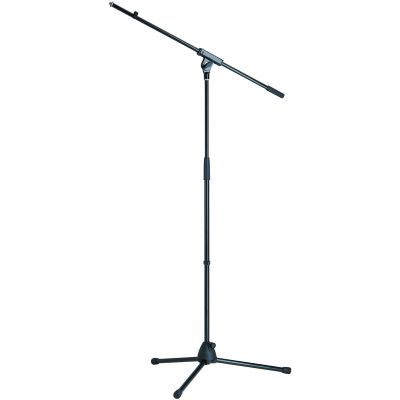
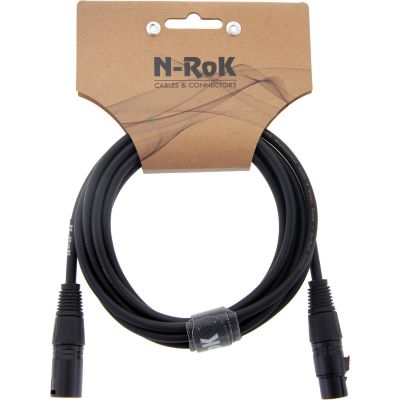
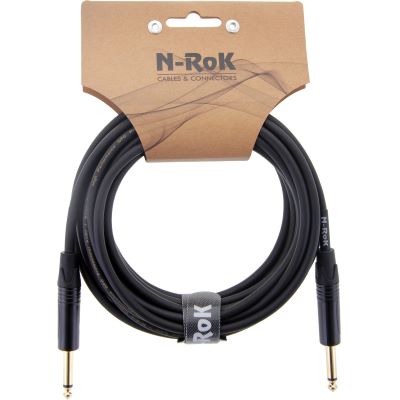
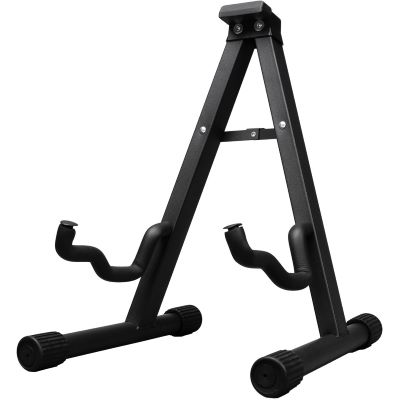
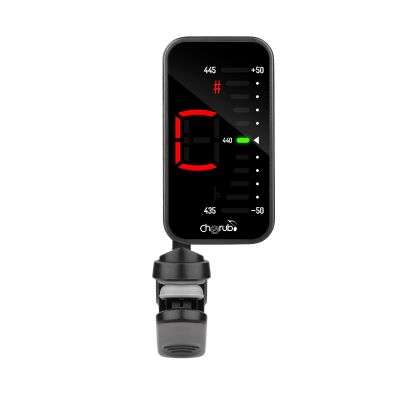
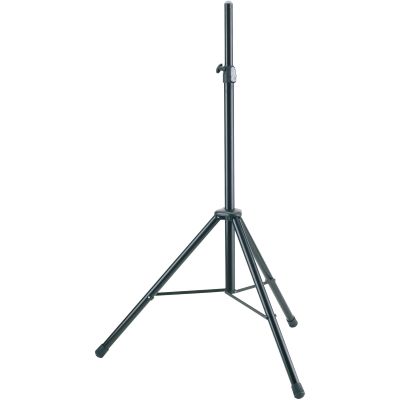
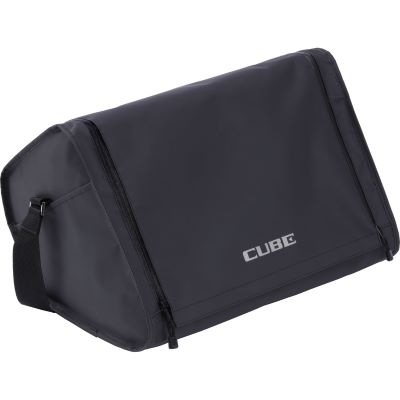
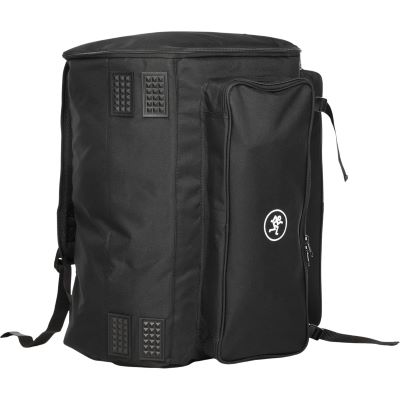
Plan the instrument, amplifier, stand and accessories so that the complete setup can ideally be moved in one trip. Backpacks, shoulder bags and well-positioned carrying handles can make a major difference.
Not every mobile device is weatherproof. Observe the IP rating and manufacturer instructions for each individual product. Equipment without suitable approval should not be used in rain or wet conditions.
Rules for busking, amplification, permitted playing times, locations and licences differ between municipalities. Check the current requirements with the responsible city or local authority before performing.
A transport bag is not an operating weather enclosure. Bags can protect equipment while it is being carried, but do not change the approved environmental conditions of an electronic device while it is operating.
Manufacturer pages make it easier to find compatible transport accessories, amplifiers, effects and mobile audio products within the same product family.






It depends on the performance. For vocals and acoustic guitar, a microphone, instrument, two suitable cables, microphone stand and a battery amplifier with two inputs are often enough. A tuner and suitable transport bags complete the basic setup.
A battery amplifier with separate inputs for microphone and instrument is especially practical for singer-songwriters. Singers and duos can benefit from a mobile battery PA with an integrated multi-channel mixer.
Wattage alone does not determine perceived volume. Loudspeaker efficiency, placement, surroundings and the audience are also important. A quiet pedestrian location requires less acoustic reserve than a busy open square.
The system should cover the planned performance time with sufficient reserve. Actual runtime changes with volume, temperature and use of additional functions, so do not plan around the manufacturer's maximum figure alone.
Yes, if the amplifier provides both a suitable microphone input and an instrument input. Separate level and tone control for the two channels makes balancing the performance easier.
A dynamic vocal microphone is a robust and uncomplicated starting point and normally does not require phantom power. Condenser microphones may be useful for certain acoustic instruments when their required power supply is available.
Yes, when one performer wants to create a more complex arrangement. Rhythm, chords and melodies can be recorded layer by layer. For mobile use, the looper's power supply also has to be planned.
Avoid positioning the loudspeaker directly behind the microphone, keep the microphone reasonably close to the voice and avoid unnecessary gain. Problem frequencies should then be corrected selectively rather than applying excessive general EQ.
This depends on the location. Cities and municipalities may have different rules for performance areas, times, volume, amplification and permits. Check the current local regulations with the responsible authority before performing.
Always observe the protection rating and manufacturer instructions of the individual device. Equipment without suitable approval should not be exposed to rain or wet conditions. Transport bags do not replace an appropriate operating-weather rating.
It depends on the location. If you regularly travel on foot, a slightly smaller system that you can comfortably carry alone may be the better solution. Busy outdoor spaces may instead make additional acoustic reserve more important.
Compare modelling, solid-state and other amplifier concepts according to home, rehearsal and stage applications.
Integrate reverb, delay, modulation and other effects intentionally into a live signal chain.
Compare microphones for voice and instruments according to source, environment and signal requirements.
Build a recording setup for practising at home, producing backing tracks or recording your performance.
Select suitable jack connections for guitar, pickup, loop station and amplifier.
Compare more battery-powered systems for music, speech and mobile performances.
Begin with the performers and the inputs you actually need. Then choose amplification whose battery runtime, weight and acoustic output suit your typical location. Add the microphone, looper, stands, cables, tuner and transport solution afterwards. The result is a mobile setup that can be assembled quickly without being stopped by a missing cable, unsuitable power supply or unavailable mains socket.