Sound Reinforcement
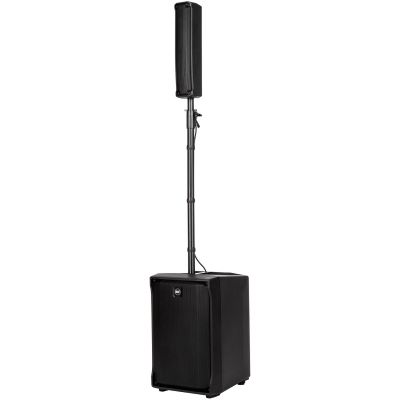
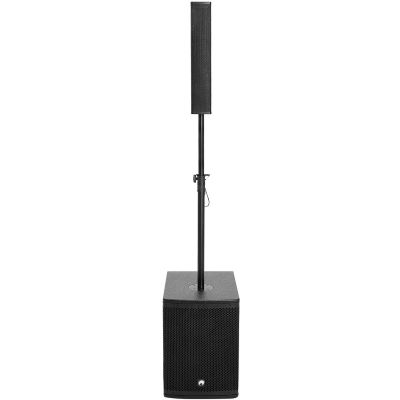
Loudspeakers need to cover both the audience and the required area. For music, a larger stage or an evening party, a subwoofer can complement the top speakers.

A club or association event often combines several completely different programme elements: a welcome speech, awards ceremony, background music, children’s activities, a live band, DJ music and an evening party.
The equipment therefore needs to do more than simply play loudly. Speech must remain intelligible, several signal sources need to be managed, the stage must be organised safely and the complete setup should be expandable without major rebuilding between programme items.

Begin with the schedule. Will the system only reproduce music and announcements, or will there also be a live band, choir, dance group, DJ or children’s programme? The more different programme items are combined, the more important mixer capacity, additional microphones, monitor paths and organised stage infrastructure become.
Loudspeakers need to cover both the audience and the required area. For music, a larger stage or an evening party, a subwoofer can complement the top speakers.
Announcements, band signals, playback sources and DJ equipment meet at one central point. Keep spare channels available for spontaneous guests and additional sources.
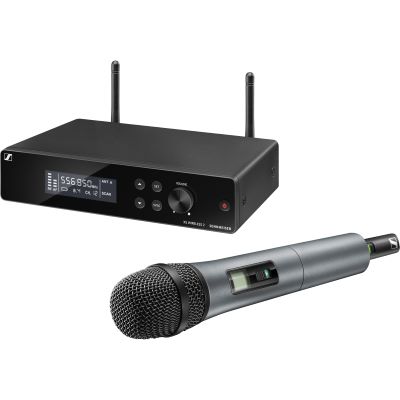
Wireless handheld microphones provide flexibility for hosts, board members, award ceremonies and changing speakers.
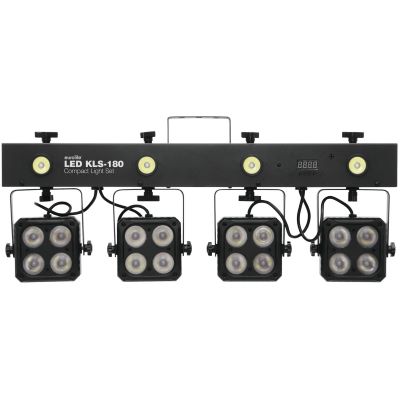
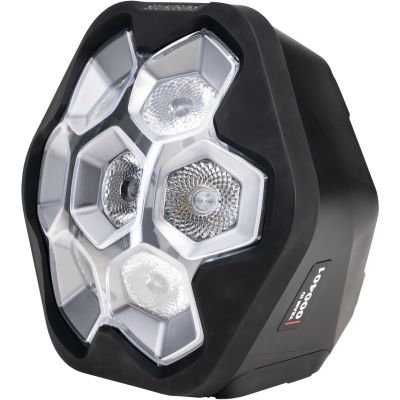
Daytime activities require different lighting from a band show, awards ceremony or evening dance floor.
The stage, stands and technical zones should be included in the site plan early, particularly for public outdoor events.
Route signal and power lines in an organised way, keep visitor routes clear and protect unavoidable cable crossings with suitable solutions.
Club-event practice: do not plan the technical system only around the main act. The welcome, background music, children’s programme and award ceremony often use the same equipment. A flexible complete system reduces rebuilding between programme items.
Speech needs to remain understandable over the complete visitor area. A wireless handheld transmitter gives the moderator freedom of movement.
Playback music requires less bass and level than the evening programme. Even distribution across the audience area is more important than maximum output.
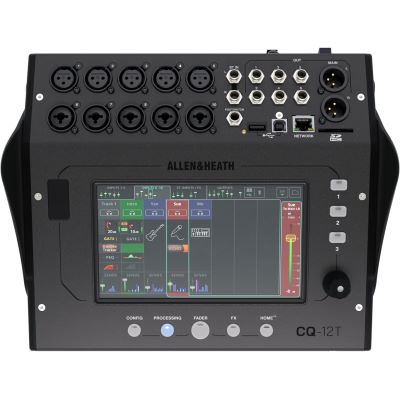
Several microphones, instruments and monitoring paths make channel requirements grow quickly. A suitably sized mixer becomes the technical centre.
Bass reserves and show lighting become more important. The existing PA should therefore be expandable rather than designed only for daytime speech.
Guest numbers provide only a rough orientation. Outdoor area, speaker position, music programme, stage volume and the surrounding neighbourhood also influence the technical requirements.
| Event | Sound Reinforcement | Microphones | Mixer | Expansion |
|---|---|---|---|---|
| Small Clubhouse Event | Compact active or column PA | 1 wireless channel | Integrated or compact mixer | Small lighting set |
| Medium Club Event | 2 powerful top speakers | 2 wireless channels | 8–12+ channels | Subwoofer, lighting, monitors |
| Band & Evening Programme | Top speakers + subwoofer | Several vocal and instrument microphones | Digital mixer useful | Monitor paths, stage box |
| Large Open-Air Event | Professionally planned PA | Several wireless and wired channels | Comprehensive live mixing system | Stage, lighting, barriers, staff |
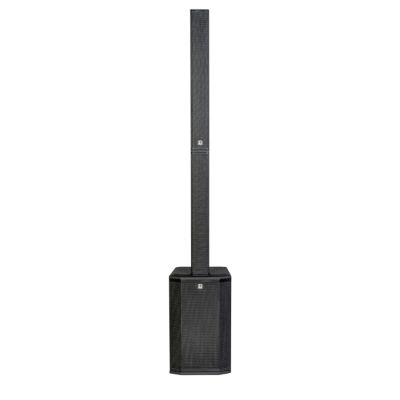
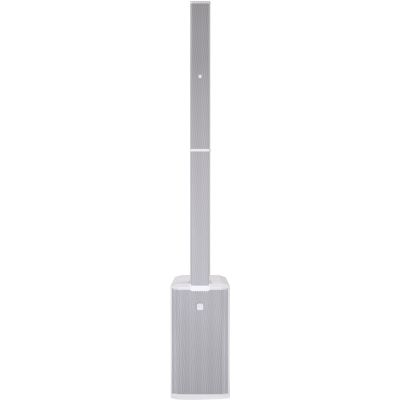
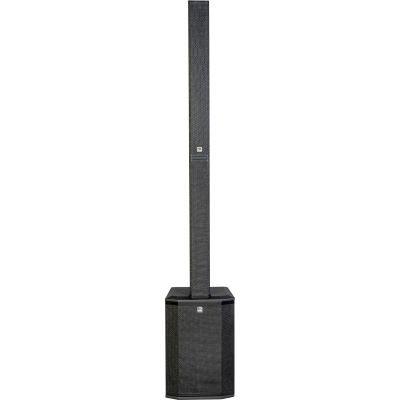
Column systems are transport-friendly and quick to assemble. They are suitable for announcements, music and many small to medium club and association events.
Separate speakers can be positioned higher and further apart. This can provide greater flexibility across larger audience areas.
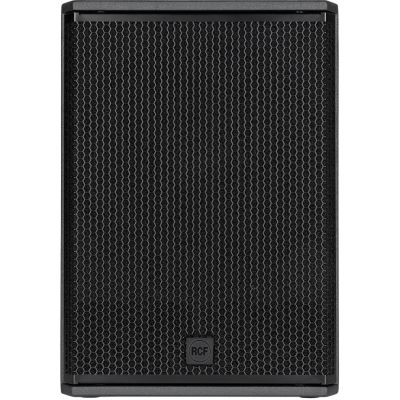
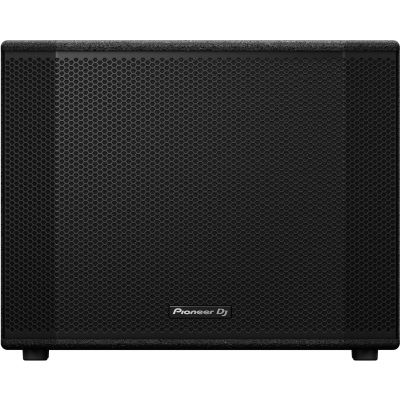
For bands, DJs and the evening dance floor, a subwoofer extends the low-frequency range and reduces the bass workload on the full-range speakers.
Two wireless microphones, a DJ signal, an acoustic guitar and a keyboard already require several inputs. Once a live band is added, the channel count can quickly reach double figures.
Digital mixers are particularly interesting for changing programme elements because scenes can be stored and several monitor mixes can be managed.
A traditional analogue mixer can remain especially clear when the setup is consistent and not excessively complex.
Allow spare capacity: two to four free mixer channels make spontaneous guest microphones, additional playback devices or further instruments much easier to integrate.
One wireless handheld transmitter is sufficient for a permanent moderator and straightforward announcements.
Two transmitters are convenient for interviews, award presentations and alternating moderators.
With several simultaneously operated systems, the frequency ranges and complete wireless configuration need to be planned together.
Make moderators, musicians and award recipients clearly visible.
Add colour to the stage background and larger surfaces.
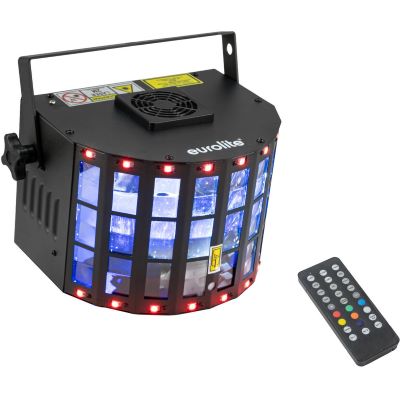
Add dynamic effects for the live band and DJ programme in the evening.
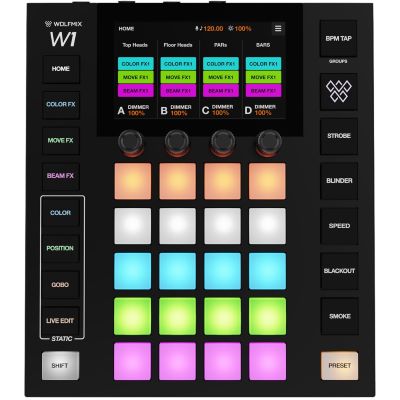
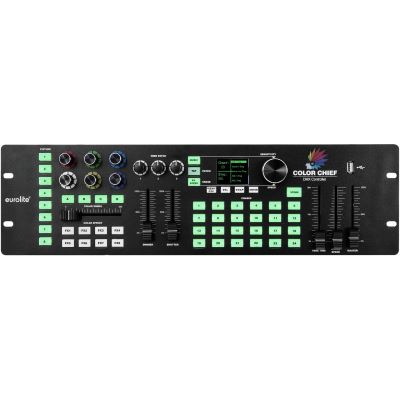
Store and recall lighting scenes for specific programme items.
Public club events make infrastructure and visitor routes particularly important. Stages, technical areas, power and unavoidable cable crossings should be included in the site plan rather than added spontaneously after the equipment arrives.
For larger open-air programmes, a professional rental stage may be the most practical solution.
Define power demand and distribution before the event. Larger electrical installations should be handled by qualified professionals.
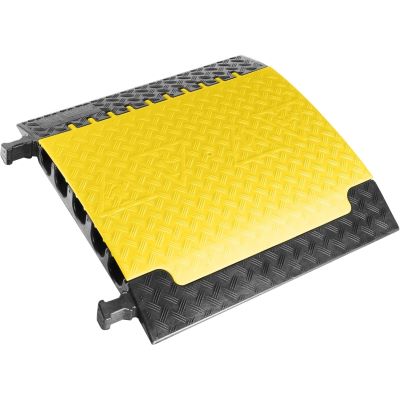
Do not improvise where cables cross public routes. Choose cable protection suitable for the actual application and expected load.
Position the FOH, stage and sensitive equipment so visitor movement does not run directly through technical work areas.
Sound reinforcement for speech and music.
Manage all signal sources centrally.
Flexible announcements and changing speakers.
Additional bass for DJs and live music.
On-stage monitoring for musicians.
Design the stage and evening programme.
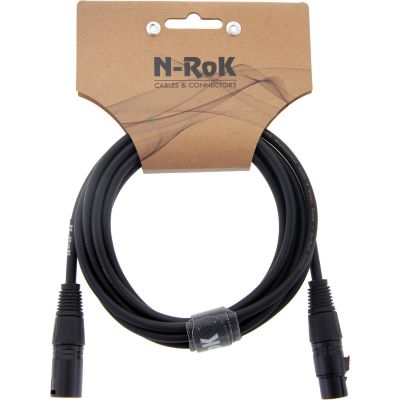
Connect audio, power and control systems.
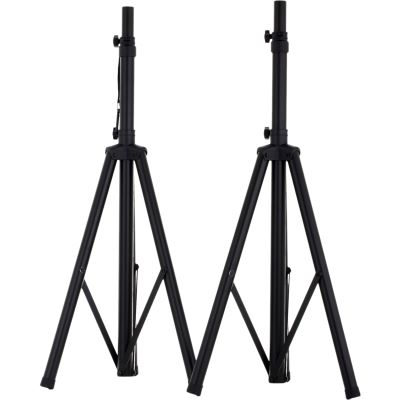
Protect and organise event equipment.
The selection ranges from compact clubhouse setups to larger live and evening programmes and is organised by product category.
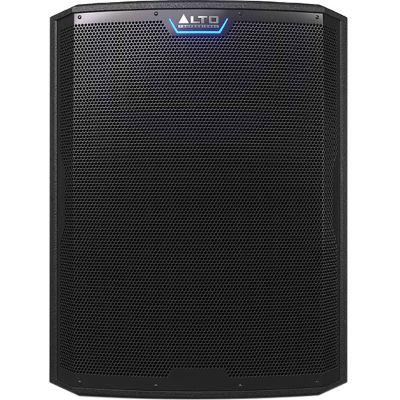
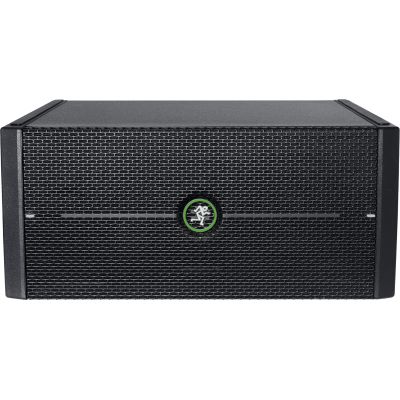
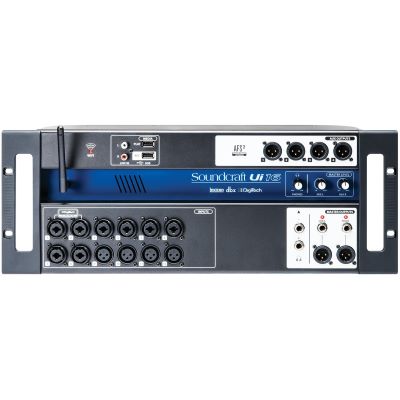
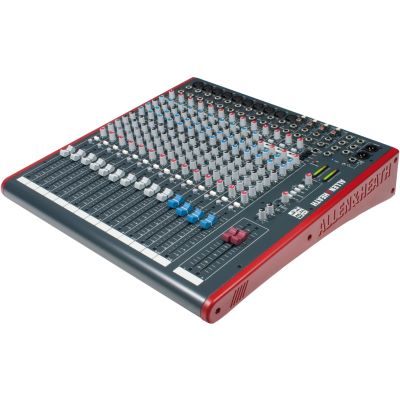
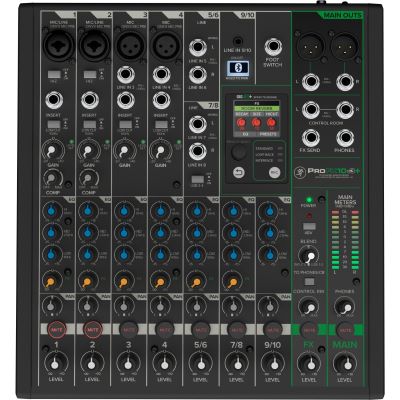
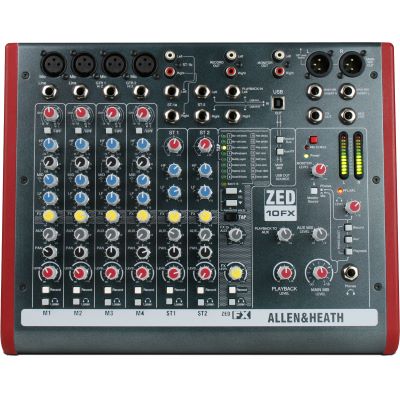
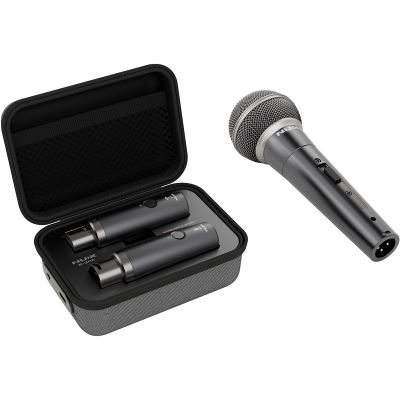

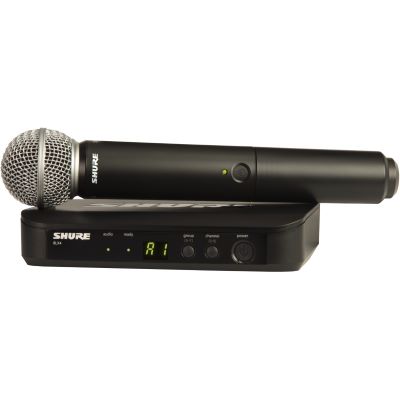

Wireless receivers, wired microphones, band instruments, a DJ system and playback sources are assigned to suitable mixer inputs. The main mix then feeds the PA.
Separate mixer outputs can provide monitor feeds for musicians on stage.
The precise connection depends on the chosen PA. In many active systems, suitable outputs distribute the audio signal between the subwoofer and top speakers.
Guide status: 24 August 2026. For public events, larger stages, electrical distribution and flown equipment, technical planning and setup should be handled by appropriately qualified people.
A small failure should not interrupt the programme. Prepare backup equipment before guests arrive.
If a large stage, additional PA, lighting equipment, barriers or technical personnel are only required once a year, renting can be more economical than permanently owning an oversized technical inventory.









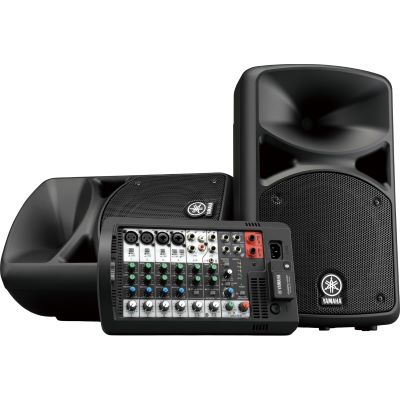
This depends on the area, audience size and programme. Active loudspeakers or column systems can be sufficient for smaller rooms. Live music, DJs and larger outdoor areas should be planned with adequate headroom and, where appropriate, subwoofers.
A single wireless handheld microphone is often sufficient for basic moderation. Two systems are more convenient for award presentations and interviews. Live music can require considerably more microphones for voices and instruments.
Not necessarily for speech-only applications. For a DJ, dance music and live bands, a subwoofer provides a fuller low-frequency foundation and reduces the bass workload on the top speakers.
A digital mixer is particularly practical when several programme items, monitor mixes and recurring events need to be managed. Scenes can be prepared separately for announcements, a band or a DJ.
Good basic illumination is the first priority for moderators, award presentations and stage activity. Coloured wash lighting, effects and moving heads can then be added for bands and the evening programme.
Outdoor operation requires additional planning for sound reinforcement, power, setup and weather conditions. Use equipment suitable for the actual conditions and involve qualified event professionals for larger installations.
For larger public events, live acts or weather-dependent outdoor programmes, a professional mobile stage may be the most practical solution.
Cable routes should be kept away from heavily used areas wherever possible. Unavoidable crossings need cable protection suitable for the application and expected load.
The rental range includes sound, lighting, stage and additional event solutions. Technical support can also be requested for larger events.
Spare cables, an additional microphone, an alternative music source and suitable batteries or rechargeable batteries are particularly useful. One small defect should not stop the programme.
Event equipment for a club or association event needs to combine several tasks: intelligible moderation, music for visitors, live performances and, where required, a DJ in the evening. Active loudspeakers or column systems provide sound reinforcement, while subwoofers add low-frequency support for dance music and bands.
A mixer combines wireless microphones, instruments and playback sources. Lighting equipment, stage monitors, stands, cables and cases expand the system. At larger or public outdoor events, the stage, power planning, cable protection and controlled technical areas become additional parts of the overall concept.
Defining the programme, event area and visitor routes before selecting the equipment makes it easier to choose suitable technology and reduces unnecessary rebuilding during the event.
Discover additional guides covering PA systems, microphones, bands, DJ equipment, lighting, instruments, recording and complete event technology.