Dynamic Cardioid
A robust dynamic cardioid microphone is an excellent starting point for rehearsal rooms, clubs and many live shows. It normally allows a little more movement around the microphone axis.

Shure SM58 or Beta 58A? Sennheiser E 935 or E 945? Dynamic or condenser? Cardioid or supercardioid? The right live vocal microphone depends on much more than price. Your voice, microphone technique, stage volume, monitor position and freedom of movement all influence which model works best.
The louder and more complex the stage becomes, the more important pickup pattern, microphone distance and monitor position become.
A robust dynamic cardioid microphone is an excellent starting point for rehearsal rooms, clubs and many live shows. It normally allows a little more movement around the microphone axis.
A tighter pattern can provide greater separation from side-stage sound. In return, the singer needs to stay more accurately on-axis and the stage monitor must be positioned according to the microphone's polar diagram.
A live condenser microphone can reproduce breathing, articulation and fine level differences in greater detail. A controlled stage and consistent microphone technique are particularly helpful.
If you want to move freely across the stage, the microphone capsule is only one part of the decision. Frequency range, receiver, transmitter and the number of simultaneous wireless channels must also fit the application.
Do not choose a microphone only because it sounds good on another singer: voice, distance, angle, performance level and stage environment can make the same microphone behave very differently.
| Criterion | Dynamic Vocal Microphone | Live Condenser Microphone |
|---|---|---|
| Typical Use | Live stage, rehearsal room, club, loud band | Detailed live vocals, controlled stages |
| Character | Direct, powerful and controlled | Open, fine and detailed |
| Ambient Sound | Often easy to control with close microphone technique | Can reproduce subtle room and stage details more clearly |
| Power | Normally no phantom power required | Many XLR models require phantom power |
| Good Starting Point | Rock, pop, metal, rehearsal, mobile stages | Nuanced voices and higher-detail live setups |
A condenser microphone is not automatically better: on a loud or acoustically complex stage, a dynamic microphone can provide exactly the control and separation the mix requires.
The pickup pattern determines not only how much side-stage sound enters the microphone, but also where stage monitors should be positioned.
A cardioid microphone mainly captures sound from the front and reduces sound arriving from behind. It is a practical choice for singers who move slightly around the microphone while performing.
The useful front pickup area becomes narrower and side-stage separation increases. A small rear pickup lobe means the monitor position should be planned differently from a classic cardioid.
An even tighter front pattern can help on demanding stages, but the singer needs to remain accurately on-axis and the loudspeaker geometry becomes especially important.
The optimum monitor position depends on the microphone's actual polar diagram. With cardioid microphones, the rear axis is often useful. With tighter patterns, the strongest rejection angles move away from the exact rear.
Many directional microphones produce more bass when used very close to the mouth. Keeping a reasonably consistent distance therefore helps maintain both level and tonal balance.
A cardioid pattern generally provides more freedom of movement. A tighter supercardioid or hypercardioid pattern can provide greater acoustic separation, but requires more accurate microphone technique and better-planned monitor placement.
| Comparison | First Model | Second Model | Main Difference |
|---|---|---|---|
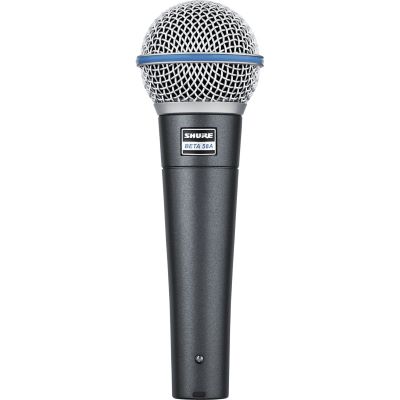
| Shure | SM58 LC | Beta 58 A | Cardioid and easy handling vs. focused supercardioid pickup |
| Sennheiser Entry | E 835 | E 845 | Broader useful pickup area vs. more directional live pickup |
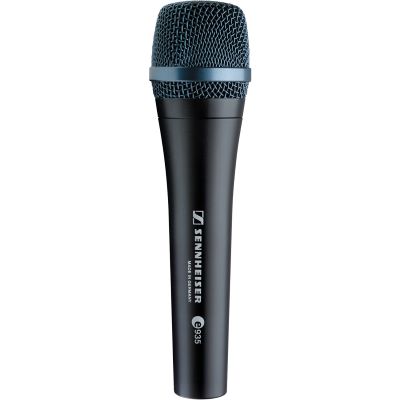
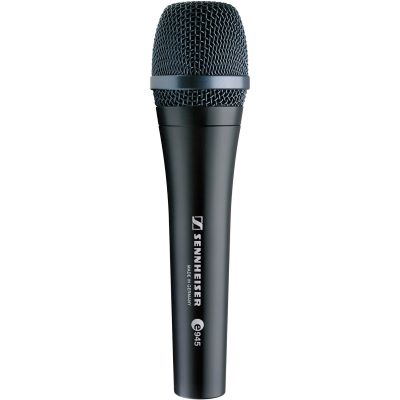
| Sennheiser Stage | E 935 | E 945 | Cardioid versatility vs. supercardioid stage separation |
| Lewitt | MTP-5 | MTP 840 DM | Versatile cardioid live microphone vs. focused premium live model |
| Shure Type | SM58 LC | SM86 | Dynamic stage classic vs. more detailed live condenser microphone |
Dynamic microphones are a strong starting point for loud bands. Tighter polar patterns can provide additional separation from guitar amplifiers, drums and loud monitor systems.
High-quality dynamic microphones or live condenser microphones can reproduce articulation and fine level differences particularly well when the stage environment is controlled.
A singer who moves intensively benefits from a robust grille, low handling noise and a polar pattern whose useful pickup area matches the performance style.
When the singer remains at a fixed microphone position, a tighter pattern or a more sensitive live condenser microphone can be easier to use consistently.
Do not choose only according to “male” or “female” voice: timbre, articulation, level, working distance and the desired position in the mix provide far more useful information.
Large distance changes cause large changes in level and tonal balance. A consistent working distance makes the mix easier to control.
Especially with tighter polar patterns, turning or singing past the microphone can reduce level and change the frequency balance.
Covering the grille with your hand changes the microphone's acoustic behaviour and can reduce useful side or rear rejection.
Clean input gain and sensible microphone technique create the foundation. Equalization should then shape the sound rather than compensate for an unstable basic signal.
The products are grouped according to practical live applications. Prices and stock levels are intentionally not hard-coded and remain available on the respective product pages.

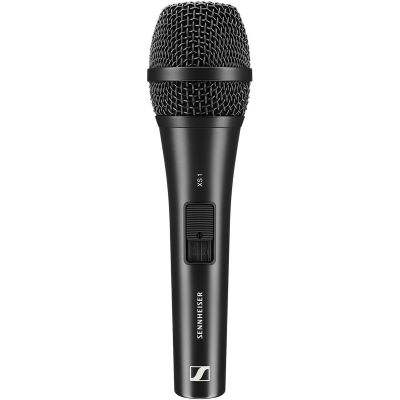
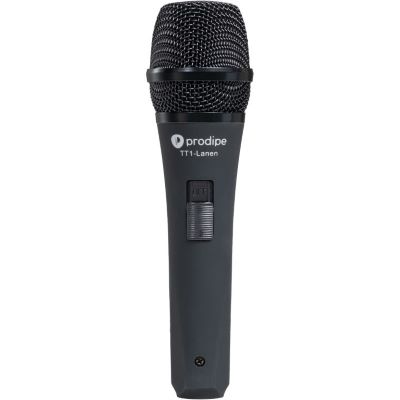
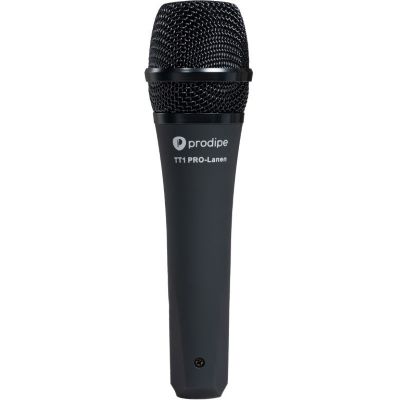
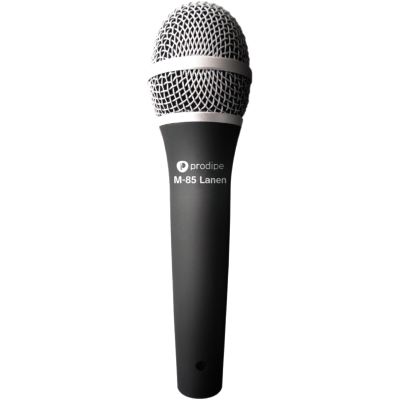
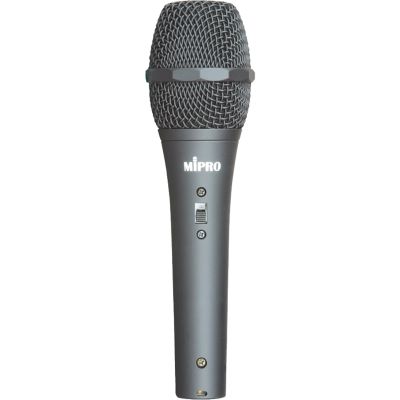
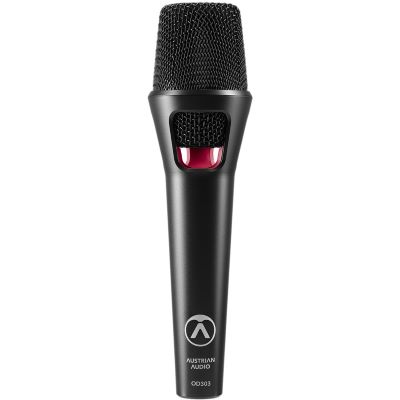
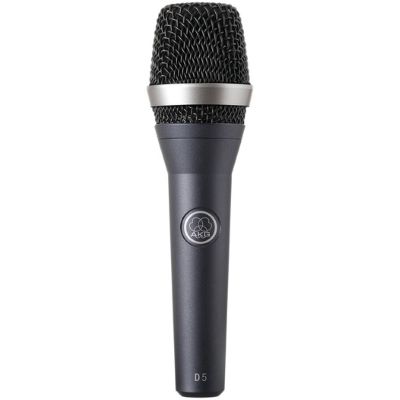
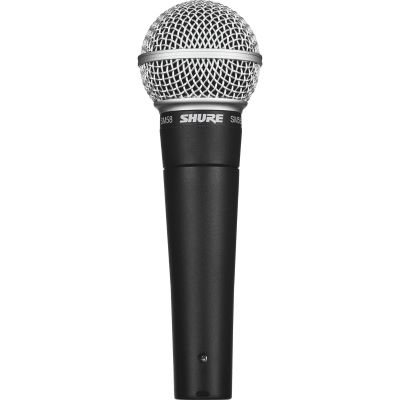


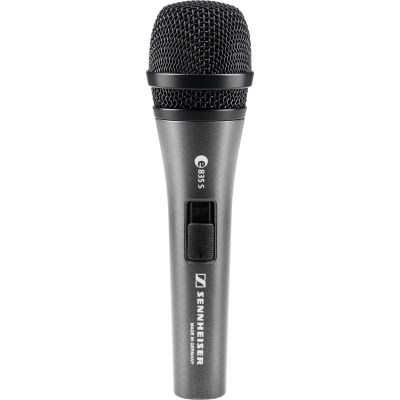
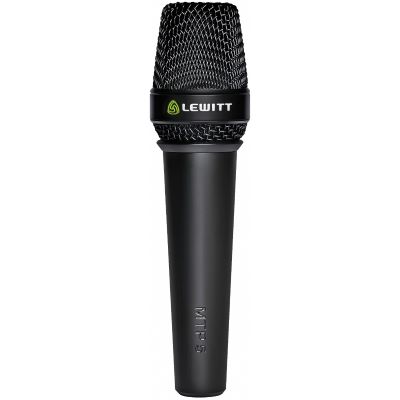
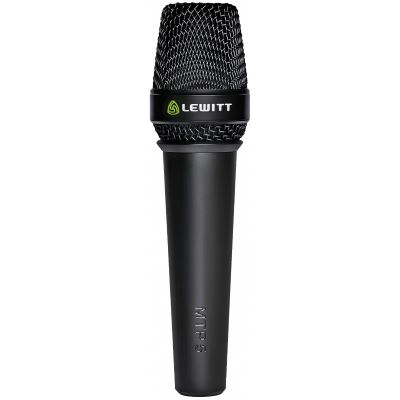
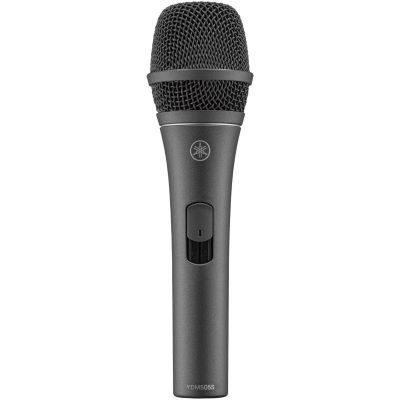


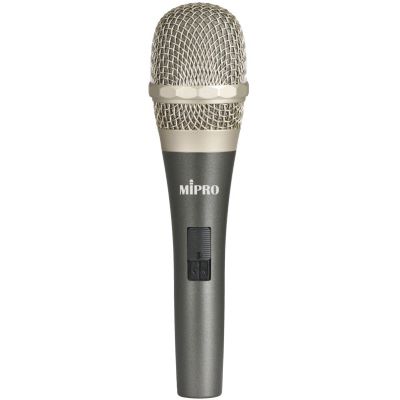
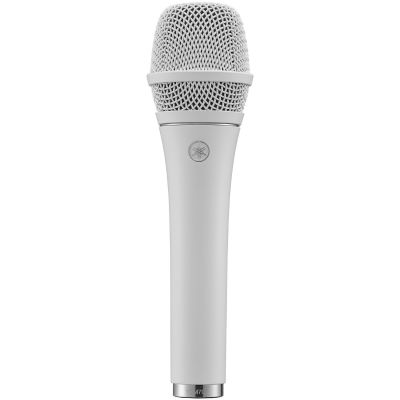

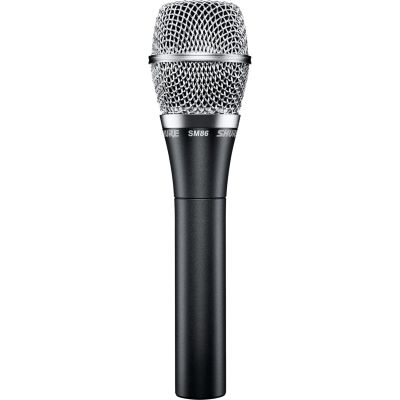
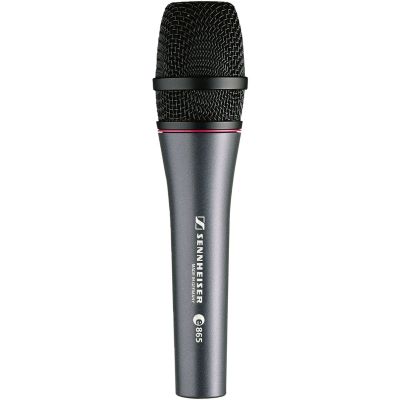
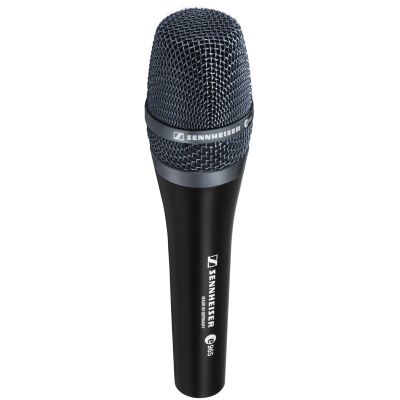

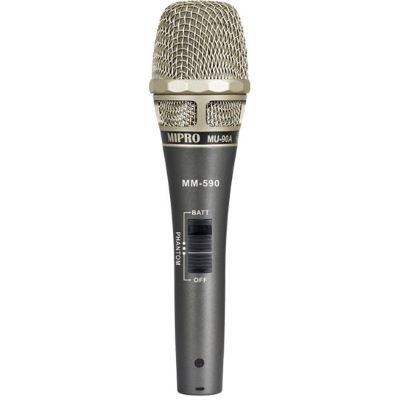


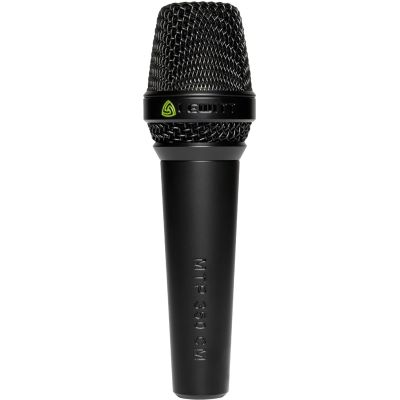
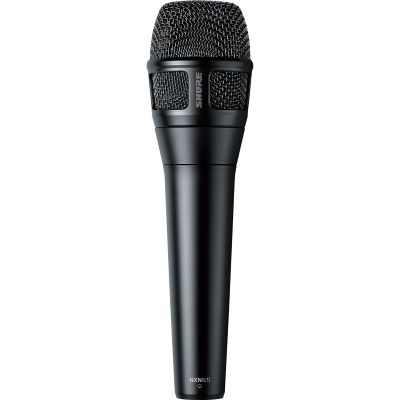
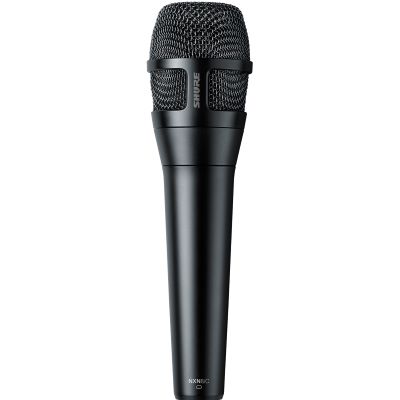
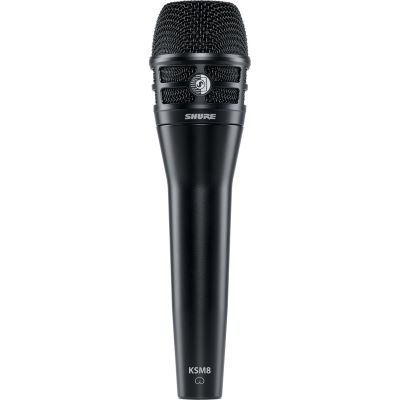
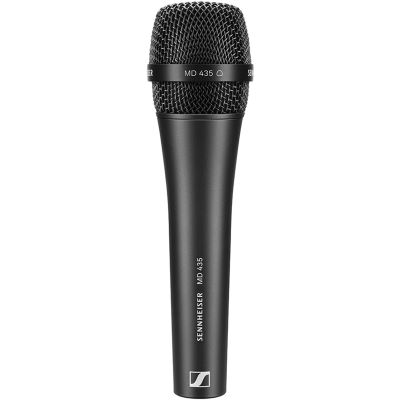
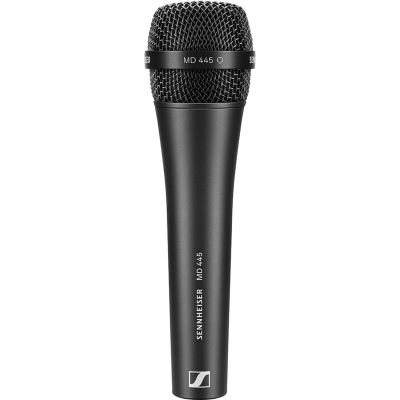
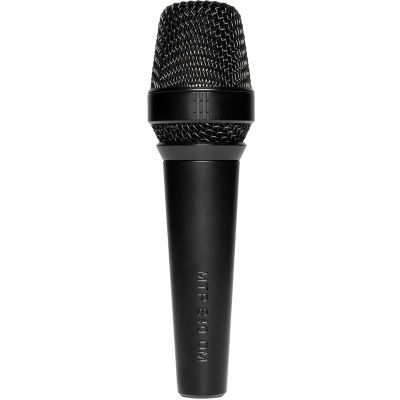
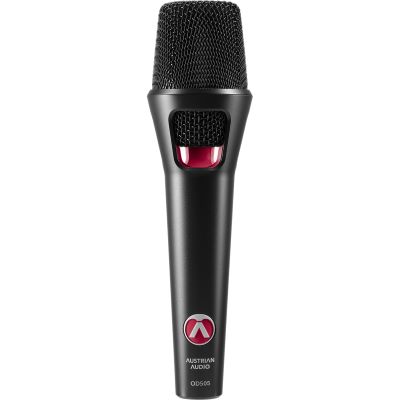
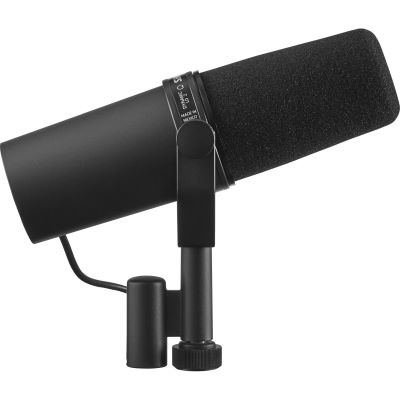
Use the category pages to filter further by microphone type, manufacturer and application.
Reliable balanced XLR connections belong to every wired stage-microphone setup.
A suitable stand keeps microphone height, angle and distance reproducible during singing, keyboard playing and acoustic sets.
Pop and wind protection can reduce strong bursts of air during close vocal and speech recording.
Replacement clips, holders, windscreens and specialist accessories complete the microphone setup.









Compare microphone types for vocals, instruments, studio work, podcasting and complete recording projects.
Discover large- and small-diaphragm studio microphones for vocals, acoustic instruments and detailed recording work.
Plan microphone type, input count and signal path according to the actual recording project.
A robust dynamic cardioid microphone is usually the easiest starting point. It works well for rehearsal and live use and normally allows more movement around the microphone axis than a tighter supercardioid model.
The SM58 uses a cardioid pattern and provides a comparatively forgiving working area. The Beta 58 A is supercardioid and offers more focused pickup and stronger side rejection, but requires more precise microphone and monitor positioning.
The E 935 is cardioid and particularly versatile when the singer moves slightly around the microphone. The E 945 has a tighter pattern and is attractive when greater separation is required on a loud stage.
Not automatically. A condenser microphone can reproduce more detail and subtle articulation, while a dynamic microphone can be easier to control on a loud stage. Voice, system and environment remain decisive.
Cardioid generally provides more freedom of movement. Supercardioid provides greater side rejection, but the singer should remain more accurately on-axis and the monitor position must account for the rear pickup lobe.
A switch can be useful in rehearsal rooms, moderation and smaller events. On professional stages, microphones are often muted at the mixing console instead so they cannot be switched off accidentally during the show.
Live vocal microphones are normally used at a relatively short distance. The most important factor is consistency because large distance changes affect both level and tonal balance.
Yes. Dynamic vocal microphones are also useful for studio recording, and live condenser microphones can also be used for recording. Dedicated studio microphones simply provide additional options for controlled recording environments.
For beginners and versatile live use, a dynamic cardioid microphone is often the best starting point. It is robust, easy to integrate into rehearsal and stage systems and gives the singer a reasonably forgiving useful pickup area.
On very loud stages, supercardioid and hypercardioid microphones can provide greater acoustic separation. This advantage requires more accurate microphone technique and a stage-monitor position that matches the actual polar diagram.
Live condenser microphones become especially interesting when articulation, breathing and fine dynamic details should be reproduced very precisely. They are not automatically superior to dynamic microphones – they simply solve a different type of live-vocal task.
The best comparison therefore combines the technical specifications with your own voice and a realistic microphone position. Compare models at the distance and volume you actually use on stage rather than choosing solely by price, brand or another singer's sound.
Find further decision guides covering microphones, mixers, monitoring, recording, instruments, DJ equipment and event technology in the central Musikhaus Korn guide world.