Approximately €300
Ideal for first vocal, speech, guitar or podcast recordings.
Complete bundles can combine an interface, microphone, headphones and cable particularly economically.

A home studio does not have to cost several thousand euros from the beginning. What matters is creating a complete signal path within your available budget. Around €300 can already provide a compact recording setup. At approximately €500 you gain more freedom when choosing the microphone, interface and headphones. Around €1,000 can also accommodate useful studio monitoring and MIDI hardware, while a budget of up to approximately €2,000 creates additional inputs, monitoring options and room for future expansion.
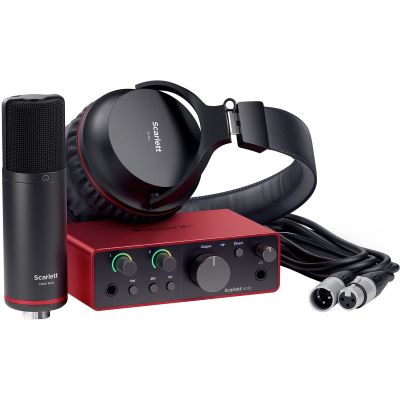
Start by defining your main application. For vocals, a suitable microphone matters more than a MIDI keyboard. For beat production, the opposite may be true. Studio monitors are valuable, but with a small budget they should not force you to compromise too heavily on the audio interface, microphone or headphones.
Ideal for first vocal, speech, guitar or podcast recordings.
Complete bundles can combine an interface, microphone, headphones and cable particularly economically.
Interface, microphone and headphones can be selected more specifically for your application while still leaving room for a stand, cable and pop filter.
In addition to a solid recording chain, compact studio monitors or a MIDI keyboard become realistic without neglecting the core equipment.
More inputs and outputs, improved monitoring, a second headphone reference or additional microphones create useful reserves for larger projects.
Budget assumption: these planning levels assume that a suitable computer is already available. If you also need a computer, allow a separate budget for it.
The interface, recording source and headphones must work together first. A missing essential component cannot be compensated for by an expensive optional one.
For vocal recording, one suitable main microphone is usually more valuable than several inexpensive specialist options.
Once reliable headphones are available, a properly positioned monitor pair is a useful next step for regular mixing.
MIDI hardware, additional inputs and targeted room optimisation should be added when a concrete musical or technical requirement appears.
A coordinated recording package saves you from selecting several individual components. It is particularly useful when the audio interface, condenser microphone, closed-back headphones and XLR cable are already included.
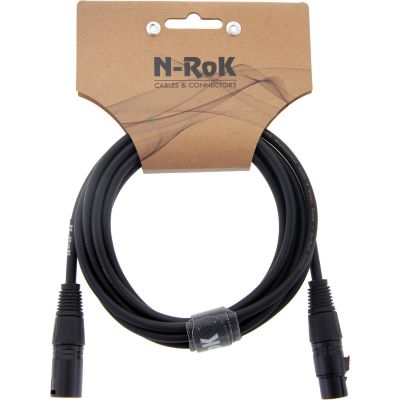
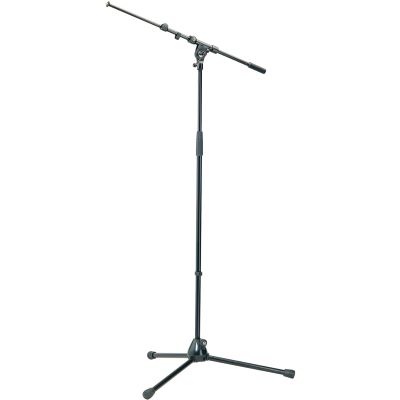
In this case, you may only need to add a microphone stand and possibly a pop filter.
Once you know exactly what you need, an individual setup becomes more attractive. Two microphone inputs, MIDI, loopback, a particular vocal microphone or more comfortable headphones may be more important than the lowest total price.
A small reserve for cables, stands, replacement parts or the next expansion step is often more useful than an additional feature your current project does not need.
In this class, do not spread the budget across too many devices. A recording bundle is particularly interesting for vocals, speech and singer-songwriters because the main components already fit together.
For pure beat production, you can initially leave out the microphone and choose a compact MIDI controller instead. Guitarists recording directly only require an interface, instrument cable and headphones.
From approximately €500, the interface, microphone and headphones can be selected more specifically for your application. A two-channel interface is especially flexible for vocals and songwriting.
Two input channels allow you to record vocals and guitar simultaneously, conduct a two-microphone interview or create a stereo recording. In this budget class, studio monitors should normally be added only if the microphone and headphones are already covered.
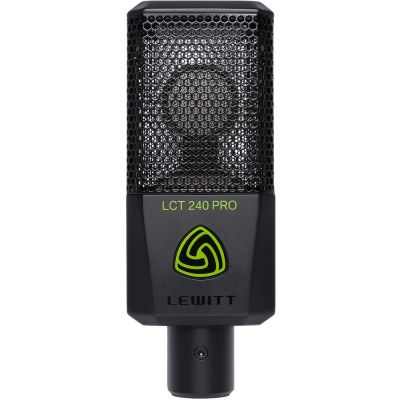
At this level, you no longer necessarily need to choose between a solid recording chain and loudspeaker monitoring. A compact active monitor pair, a more capable microphone and MIDI hardware can be combined sensibly.
Compact monitor systems are particularly interesting in smaller rooms. If you mainly work at night, you can instead invest more of the budget in the microphone, interface and headphones and add loudspeakers later.
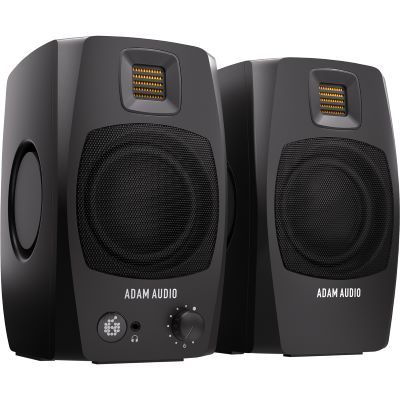
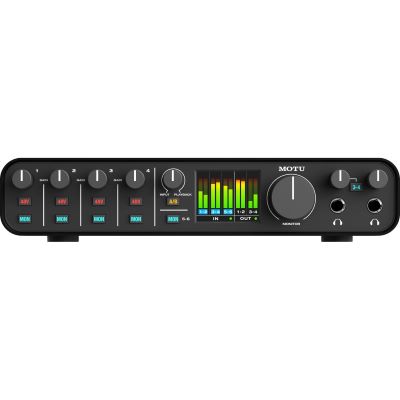
A larger budget should primarily create flexibility. Additional microphone preamps, more line inputs, better monitoring options and a second microphone can increase the practical value of the studio more than one extremely expensive individual device.
For drum kits or complete bands, even this level can quickly require more input channels. In that case, expandability should be more important than choosing the most luxurious two-channel interface.
| Component | ≈ €300 | ≈ €500 | ≈ €1,000 | Up to ≈ €2,000 |
|---|---|---|---|---|
| Interface | 1–2 inputs | 2 inputs | 2–4 inputs | 4–8+ inputs |
| Microphone | Bundle or entry level | Good main microphone | Higher-grade main microphone | Main + specialist microphone |
| Headphones | Closed-back | Better closed-back reference | Closed-back + monitors | Closed + open reference |
| Monitors | Add later | Only if core setup is covered | Compact pair is realistic | 5–7 inches according to room |
| MIDI | Only if producing beats | Optional | 25–49 keys useful | Larger controller possible |
| Acoustics | Optimise position | Improve recording position | Monitor isolation | Targeted room measures |
Prices change: this table is a planning framework, not a permanently guaranteed set-price list. Always check which current combination fits your personal budget before ordering.
The selection covers affordable entry-level equipment, flexible mid-range solutions and products that allow a studio to expand. The deciding factor remains the role each product performs in your individual setup.


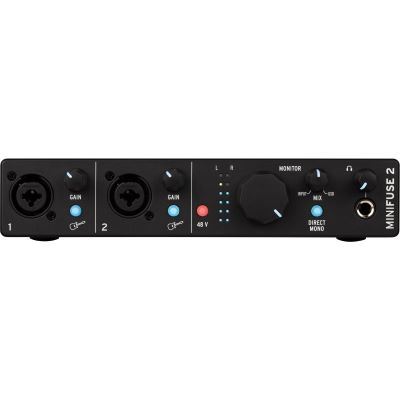
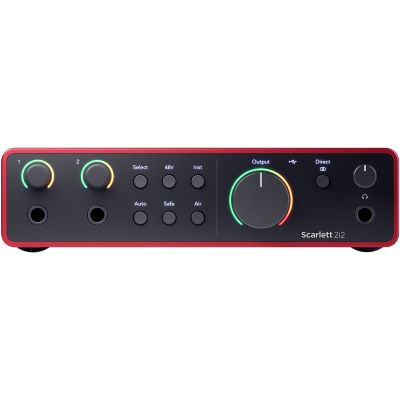
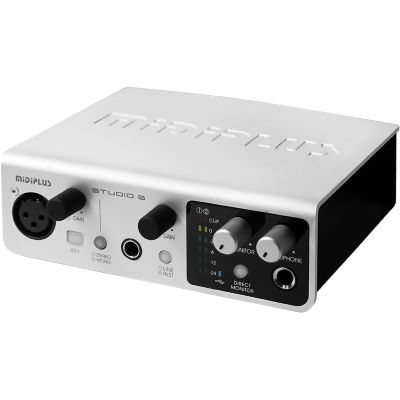
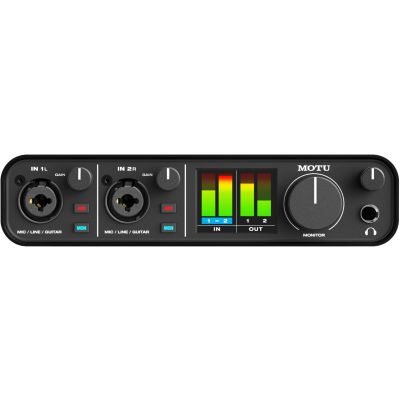
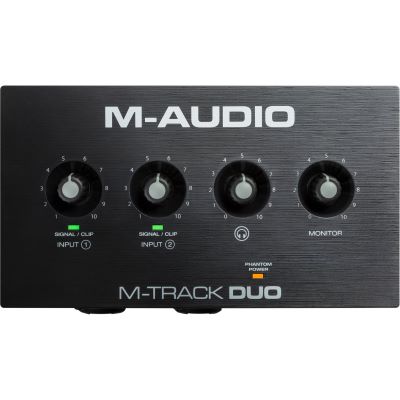
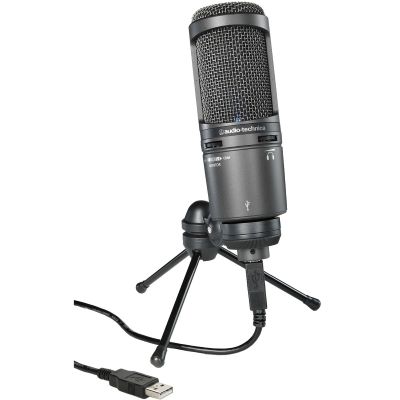
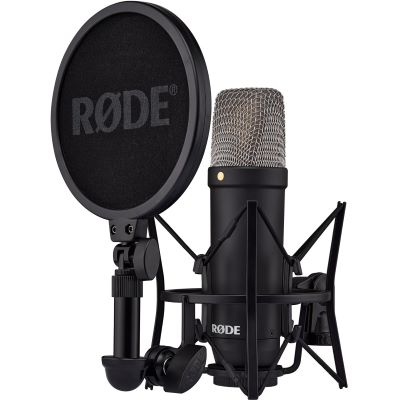
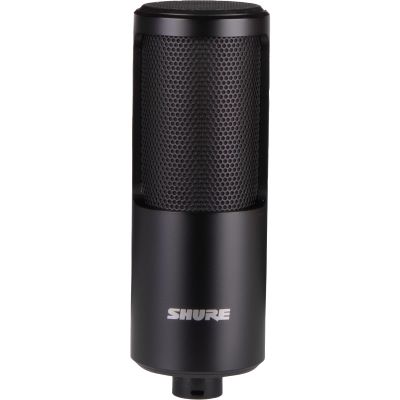
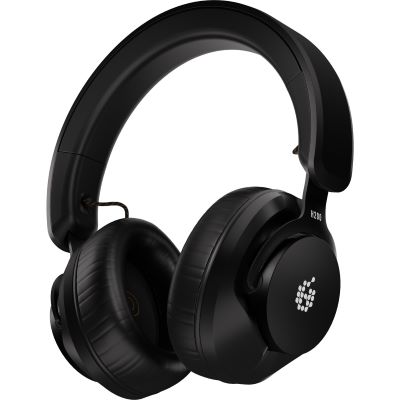
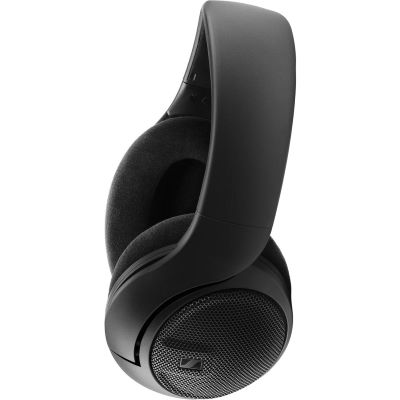
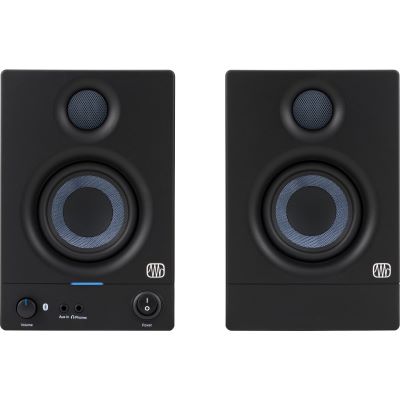
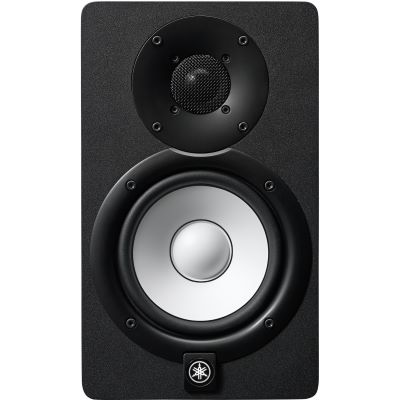
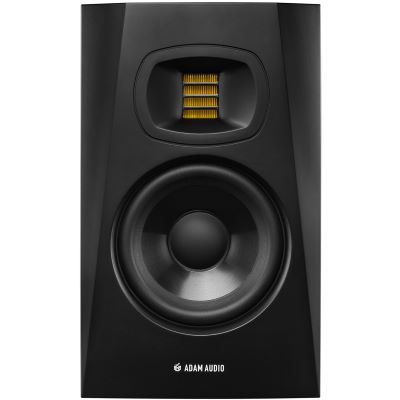
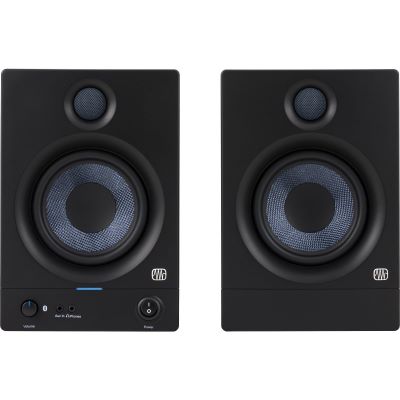
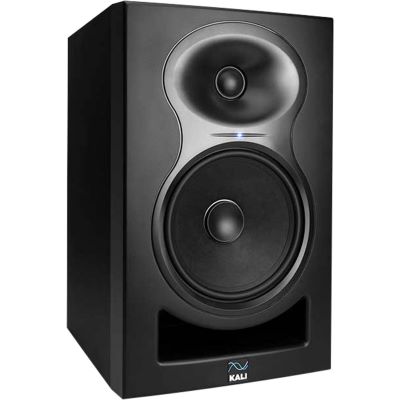
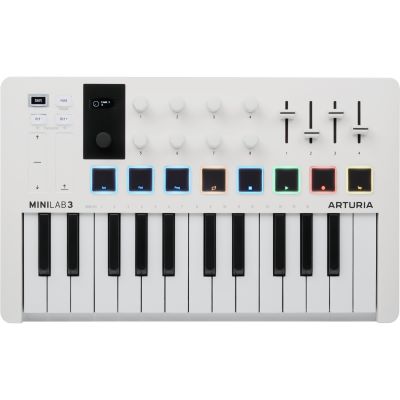
From compact solo devices to multichannel systems.
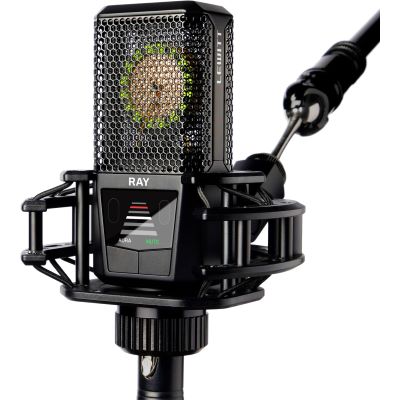
Record vocals, speech and acoustic instruments.
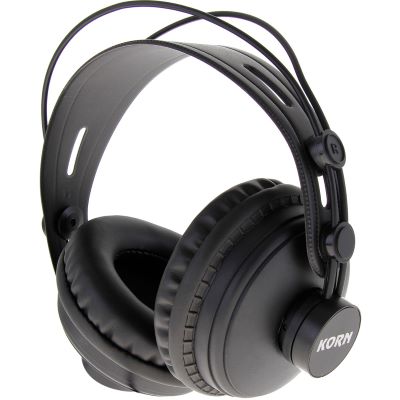
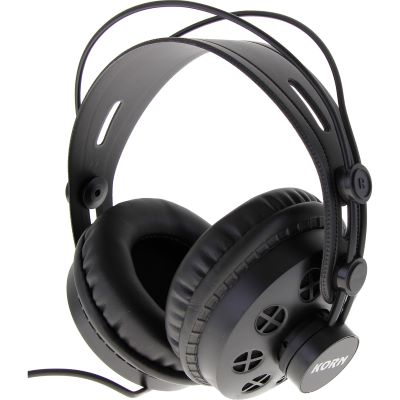
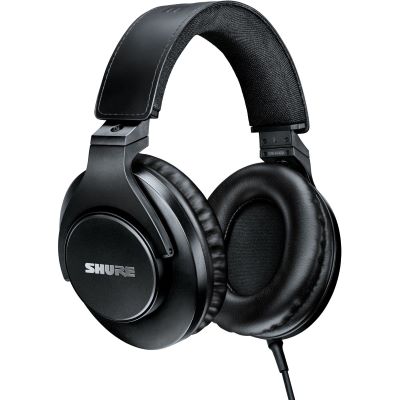
Closed models for recording and open references for mixing.
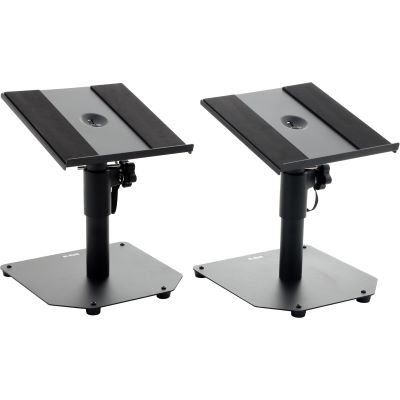
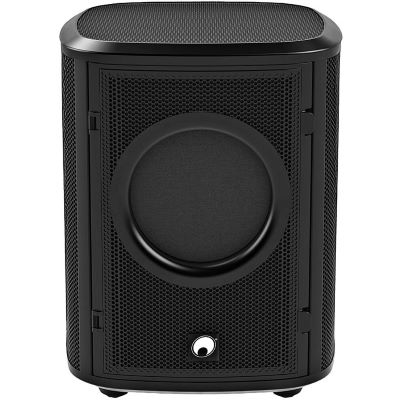
Desktop and nearfield solutions for different rooms.
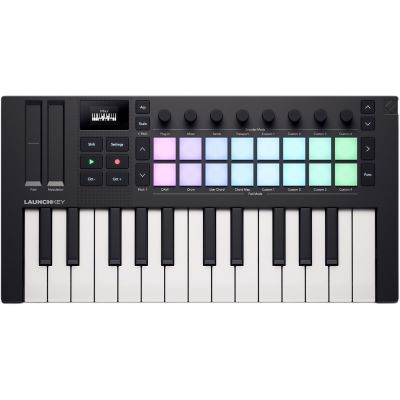
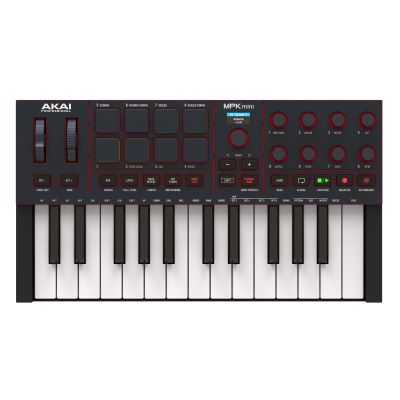
Play software instruments, beats and synthesizers directly.
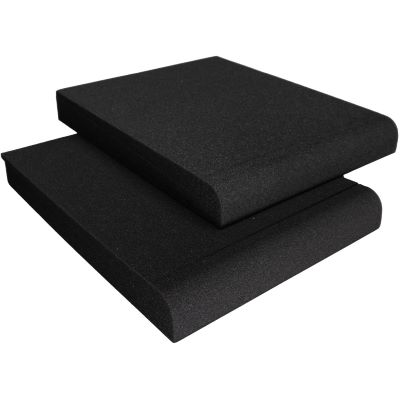
Improve monitor placement and solve specific acoustic problems deliberately.
Many manufacturers offer several price levels and product families designed to work together.











An expensive loudspeaker pair helps little with the actual recording if the microphone, interface or headphones have been compromised too heavily to pay for it.
XLR cables, microphone stands, pop filters and monitor cables can push an apparently well-calculated budget beyond its intended limit.
Additional inputs and functions are valuable only when they actually support your planned workflow.
If a second musician or stereo synthesizer is already planned, investing the entire budget in a one-channel solution may create unnecessary replacement costs later.
A genuinely usable entry-level studio can be built for a few hundred euros if a suitable computer already exists. More budget primarily increases your choice, monitoring options and future expansion possibilities.
Yes. Recording bundles containing an interface, microphone, headphones and cable are especially interesting at this level. A microphone stand should also be included in the budget.
For vocal and singer-songwriter recording, a flexible two-channel interface, a suitable main microphone and good closed-back headphones are normally more useful than buying as many different devices as possible.
If a suitable computer is already available, this budget can provide a versatile setup with interface, microphone, headphones, compact studio monitors and, where appropriate, a MIDI controller.
Do not compromise the basic compatibility of the system. Suitable interface inputs, a microphone appropriate for the task, working monitoring and all necessary cables must be present.
Usually not at the very beginning. Closed-back studio headphones can be used while recording and at night. Monitors are an important addition for mixing but also require a suitable room and listening position.
A bundle can be particularly economical when starting because several necessary components are already combined. Individual components provide greater freedom when choosing sound, connections and comfort.
Not necessarily. A complete working core setup plus some reserve is often more sensible. After making your first recordings, you can identify much more accurately which upgrade would actually improve your workflow.
For beats, a MIDI keyboard can be more important than a microphone. If you work exclusively with software instruments, you can initially produce without an external recording source and add an interface and microphone later.
Focus on flexibility: additional inputs, two different monitoring references, a second microphone or controlled monitor placement can often add more practical value than one premium device consuming a large part of the budget.
Planning a home studio by budget does not mean fitting the longest possible shopping list into a fixed amount. The priority is a complete and usable signal path. With a small budget, the audio interface, recording source and headphones therefore come first. Vocal recording also requires a microphone, XLR cable, stand and, where useful, a pop filter.
As the budget grows, the studio does not simply have to contain more expensive versions of the same products. Greater practical value often comes from additional functionality: a second input, compact studio monitors, MIDI hardware, another headphone reference or a second type of microphone can enable completely new workflows.
Around €300, a coordinated recording bundle is a practical way to create a complete starter setup. Around €500, individual components can be selected more specifically. At approximately €1,000, monitor speakers and MIDI hardware become realistic, while a budget of up to approximately €2,000 should primarily create useful reserves and expandability.
Product prices and available models change over time. Use the budget levels as a decision framework: define your recording goal, assemble all required components first and then add comfort, monitoring improvements and future reserves.
This allows your home studio to grow in a controlled way together with your projects rather than forcing you to replace equipment simply because the first setup was planned too narrowly.
From your first instrument and home studio to DJ equipment and event technology, the central Musikhaus Korn guide provides further comparisons, buying advice and routes to compatible complete systems.