Light Faces from the Front
Two white-light or RGBW PARs positioned to the left and right in front of the stage create the most important foundation for musicians, presentations and speakers.

A small stage does not have to create a small visual impact. Just a few correctly positioned fixtures can make musicians, speakers and performers clearly visible while creating atmosphere at the same time. This guide shows you how to combine front light, coloured backlight, compact lighting sets, moving heads, DMX control and haze into a clear, transportable stage setup.
The first priority is making people visible. Colour and spatial separation come next. Moving effects are only the third layer. Even with a manageable budget, this creates a more structured stage than a setup filled with randomly selected effects.
Two white-light or RGBW PARs positioned to the left and right in front of the stage create the most important foundation for musicians, presentations and speakers.
Two to four coloured PARs behind or diagonally behind the performers create outlines and visually separate people from the background.
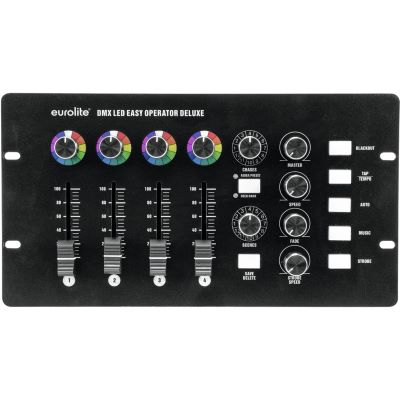
DMX lets you move between welcome lighting, a calm scene, show lighting, a solo and blackout without adjusting every individual fixture manually.
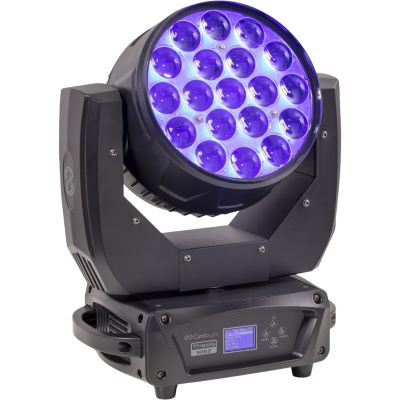
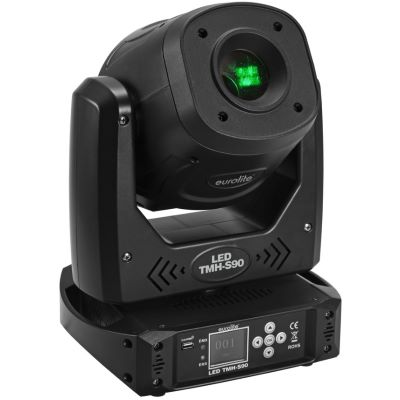
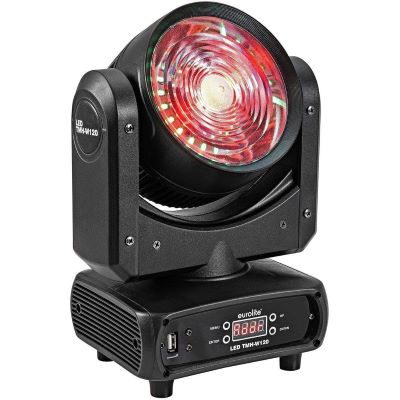
Two compact moving heads or a blinder can highlight important moments. They should not replace the actual illumination of the stage.
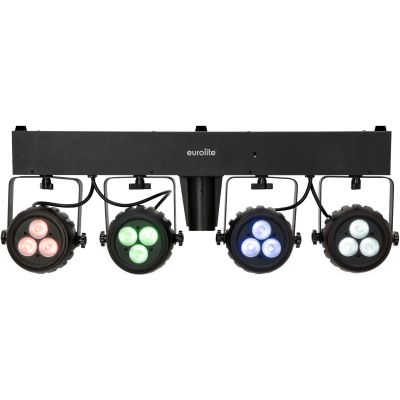
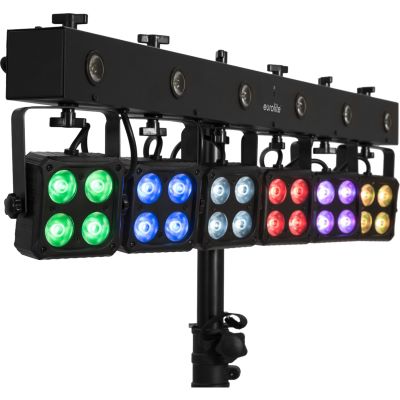
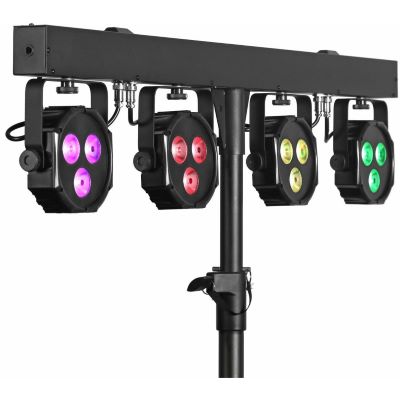
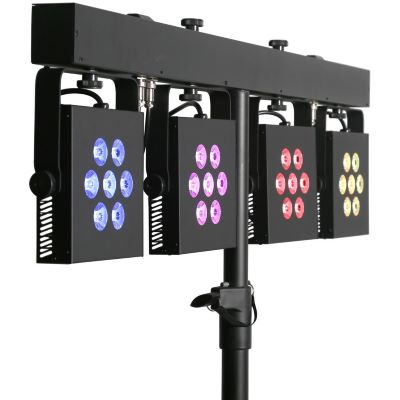
Simple starter setup: use two fixtures for front lighting, two to four RGBW PARs for background and colour, plus a simple DMX controller . For particularly fast setup, a compact lighting set can replace several individual fixtures.
White or naturally mixed light makes faces, hands and instruments clearly visible. Slightly angled positions from the left and right create more depth than one single fixture pointing straight from the centre.
Coloured PARs illuminate a curtain, wall or stage backdrop. This alone can make a small event space look considerably less flat.
Light from behind draws a contour around performers. Blue, magenta, red or amber can be selected according to the mood of the programme.
A moving head, blinder or hazer is added only when its effect genuinely supports a performance, scene or musical highlight.
For faces, white-light quality, beam angle and dimming performance are more important than having as many effects as possible. Fixtures that generate warm and neutral white directly, or combine RGB with a dedicated white component, are especially practical.
Ideal for presentations, theatre, acoustic music or situations where natural-looking skin tones are the priority.
Particularly flexible: the same fixtures can provide white front lighting, a coloured wash and later be repositioned as backlight.
Amber, warm white or UV extend the colour mix. This flexibility is particularly useful on small multi-purpose stages.
A wide wash can illuminate several people simultaneously. A narrow spot is more suitable for individual positions. Zoom fixtures can cover both jobs and are particularly useful when the stage width changes regularly.
In theatre, readings, acoustic concerts or churches, fans can become audible during quiet passages. Passively cooled or particularly quiet fixtures are therefore a sensible option in these environments.
Rule for small stages: one clearly visible person looks more professional than ten effects in the dark.
On small stages, performers may stand only a few metres in front of a wall. Coloured background lighting and subtle backlight can still create clear visual layers. Compact RGBW fixtures are often sufficient.
A useful base colour for pop, rock, speech and modern-looking stage designs.
Suitable for acoustic music, weddings, theatre and classical programmes.
Creates a bold contrast and combines particularly well with blue or white.
A strong colour for a chorus, dramatic scene or selected show moment.
| Criterion | Individual PARs | Compact Lighting Set |
|---|---|---|
| Positioning | Maximum flexibility | Spots are mounted on a common bar |
| Setup Time | More individual components | Very fast |
| Expandability | Very high | Good |
| Transport | More bags and cases | Compact |
| Front Lighting | Freely positionable | Depends on the position of the bar |
| For Beginners | Requires more planning | Particularly straightforward |
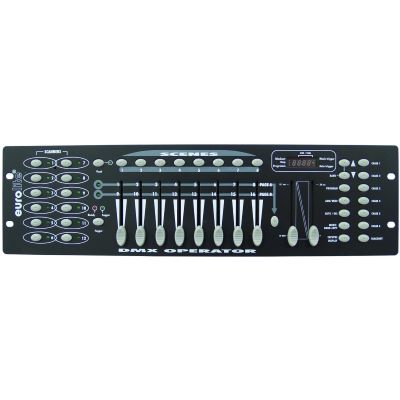
As soon as the same stage is used regularly, DMX saves time. Welcome lighting, a presentation, music, an interval and blackout can all be prepared. Every fixture receives an address and the controller then manages brightness, colour and further functions.
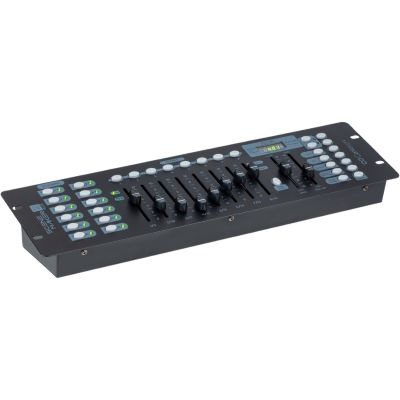
Particularly easy for only a few PARs. Ideal when you only need colour, dimmer and simple scenes without running a computer.
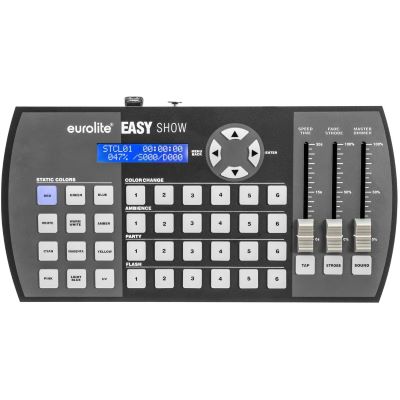
Provides additional scene memory and chases for bands, theatre groups, schools and clubs with a recurring stage setup.
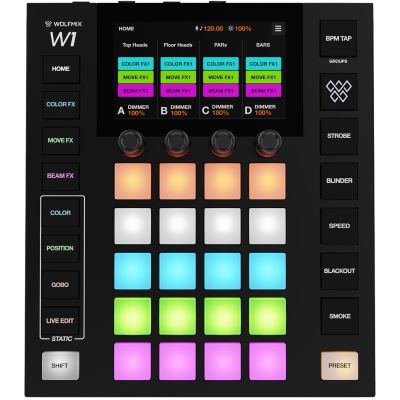
Modern controllers make spontaneous shows easier through effects and touch operation without requiring a computer to run throughout the event.
Yes – once the basic lighting is already working. Wash moving heads add moving colour, while spot models project more clearly defined beams and patterns. On a small stage, two matching fixtures often look more structured than many unrelated individual effects.
A broader area of light for backgrounds, backlighting and moving colour scenes.
A narrower light cone, gobos and defined positions for solos or scene changes.
Fine haze makes light paths visible and increases the spatial impact of moving and backlighting.
Lighting stands, mains cables and DMX cables should not create unnecessary trip hazards between the stage, backstage and audience areas.
The combined weight of fixtures, crossbars and accessories must remain within the permitted load of the stand or mounting system being used.
For equipment installed above people, use only suitable mounting and secondary safety equipment intended for that specific application.
The selection focuses on compact PARs, fast-to-assemble lighting sets, small moving heads, practical controllers and hazers.
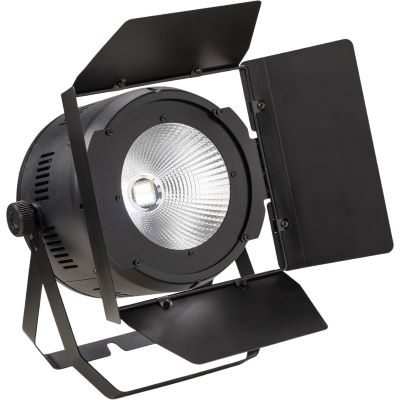
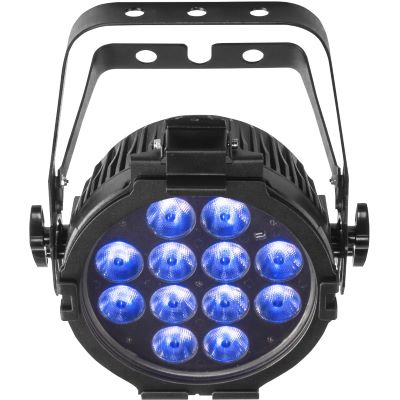
From variable white front lighting and silent fixtures to RGBW washes and battery-powered outdoor PARs.
View All LED PARs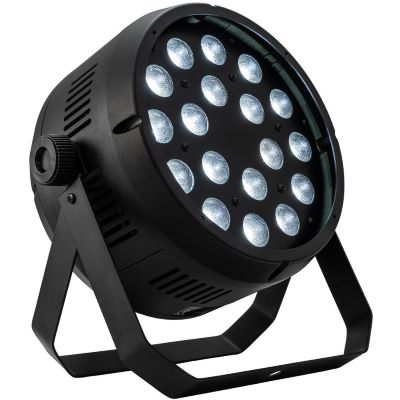
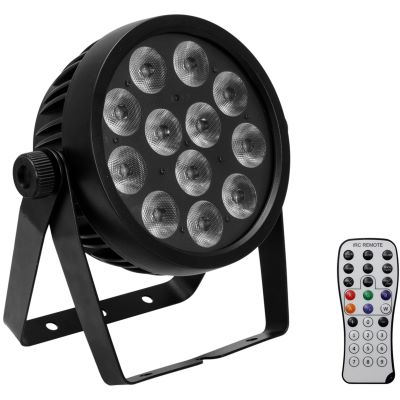
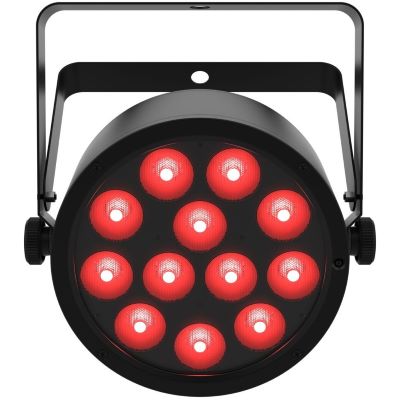
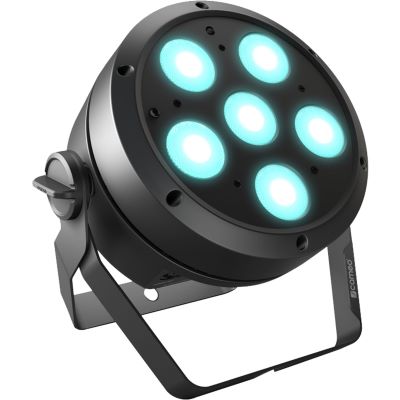
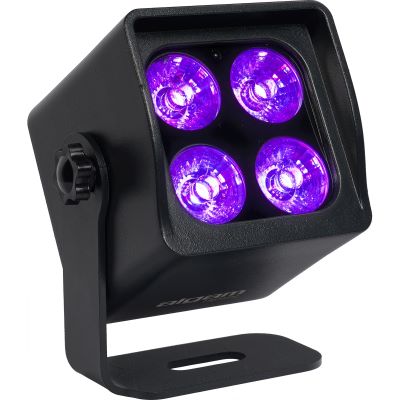

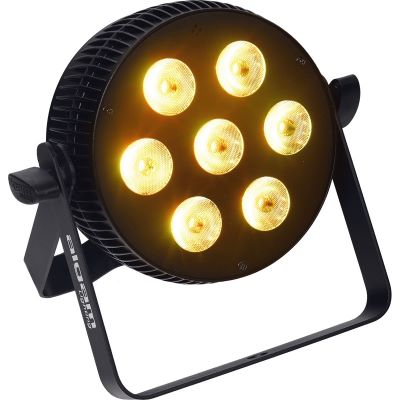
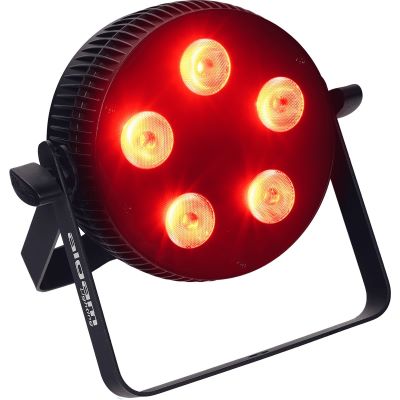
Several coordinated fixtures on one bar reduce setup time and transport requirements.
View All Lighting SetsAdd movement only once the stage already has reliable front and colour lighting.
View All Moving HeadsFrom straightforward control of a few LED fixtures to standalone performance controllers.
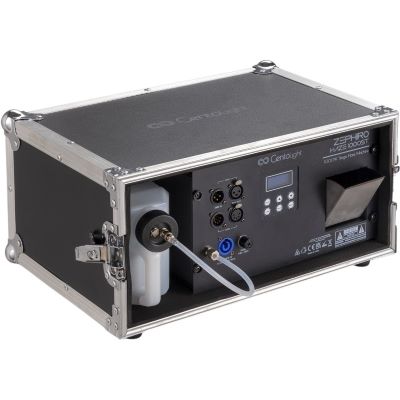
View All Lighting ControllersFine haze increases the spatial effect of backlighting and moving lights when the venue permits its use.
View Fog & Haze MachinesCoordinated fixture families, controllers and wireless-DMX solutions can make later expansion easier and help keep a compact stage setup consistent.





Two front-light fixtures and two to four coloured PARs are a sensible starting point for a simple setup. The exact number depends on stage width, beam angle and the desired brightness.
White-light PARs or RGBW and multi-colour fixtures with useful white tones are flexible options. For speech and theatre, a dedicated white-light fixture can be particularly interesting.
Front light is positioned in front of or diagonally in front of the stage. Colour and backlighting can be placed behind the performers. Keep walkways clear, use safe stands and aim the fixtures without causing unnecessary glare.
Not necessarily. Many fixtures provide standalone and master/slave programmes. DMX becomes worthwhile when particular colours, brightness levels and scenes need to be recalled repeatedly.
A compact lighting set is faster to assemble and easier to transport. Individual PARs can be distributed more freely around the room. A lighting set can be particularly practical for very small mobile stages.
Not necessarily. Compact wash and spot models also work in small rooms. Their movements should, however, suit the available ceiling height and stage width.
Front lighting comes first on a stage. Moving fixtures add show impact but cannot sensibly compensate for a poorly visible person.
A hazer is useful when beams from backlighting, moving heads or beam effects should become visible. First check whether the venue permits haze or fog and how its fire-detection system reacts.
Well-dimmable front lighting, flexible RGBW PARs and a clear DMX control system are more important than party effects. Quiet fixtures are additionally useful for speech and theatre.
Begin with front light and colour. Add improved control afterwards. Moving heads, blinders, haze, additional LED bars or wireless DMX are sensible later expansion steps.
Select loudspeakers, subwoofers and mixers according to the size of the stage and room.
Choose suitable microphones for vocals, speech and instruments according to the event.
Include stands, trusses, platforms and suitable mounting components in the complete plan.
For outdoor events, select fixtures according to the required protection rating and environmental conditions.
Begin with two well-positioned front lights. Add coloured PARs behind the stage to create outlines and depth. A compact DMX controller makes these lighting scenes reproducible. Only then do moving heads and haze become sensible additions. This keeps the setup clear and transportable while allowing it to grow later without replacing the complete system.
Lighting, PA systems, mixers, microphones, recording, DJ equipment and musical instruments: the central Musikhaus Korn guide leads to further buying advice, comparisons and complete setup solutions.