E-Drums
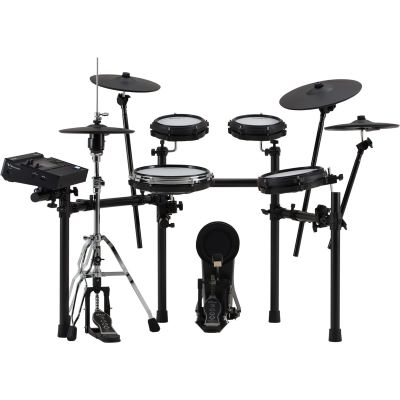
Mesh heads and headphones reduce airborne sound. Kick and hi-hat pedals deserve additional attention because they can transfer impact vibration into the floor.

Electric guitar through headphones, a digital piano instead of an acoustic piano or an e-drum kit with mesh heads: with the right setup, regular music-making is also possible in a rented apartment. Volume and headphones are only part of the picture. Pedals, keyboard mechanisms, stands, floor vibration, room position and mechanical isolation matter too.
Keys, strings, drum pads, stands and especially foot pedals continue to create mechanical noise even when the electronic instrument itself is heard only through headphones.
Yes. Electronic instruments in particular can be used in a very apartment-friendly way. Headphones greatly reduce the sound radiated by electric guitars, digital pianos, e-drums, synthesizers and recording setups.
However, playing does not become completely silent. Piano keys, guitar strings, drum pads, stands and foot pedals still create physical noise and can transmit vibration into the floor or adjoining building structures.
The most important rule is therefore: do not only reduce the sound source – also consider how mechanical vibration reaches floors and shared walls.
The later or longer you want to practise, the more useful headphones, a suitable room position and effective mechanical isolation become.
Mesh heads and headphones reduce airborne sound. Kick and hi-hat pedals deserve additional attention because they can transfer impact vibration into the floor.
Headphones keep the actual piano sound private. Keyboard action and pedal movements remain mechanically audible.
Electric guitar and bass are comparatively quiet when unplugged. Headphone amplifiers and modeling solutions make the complete practice setup particularly compact.
Software instruments, beats and synthesizers can run entirely through the computer and headphones without loudspeaker playback.
An audio interface and studio headphones make recording, editing and mixing possible without running studio monitors.
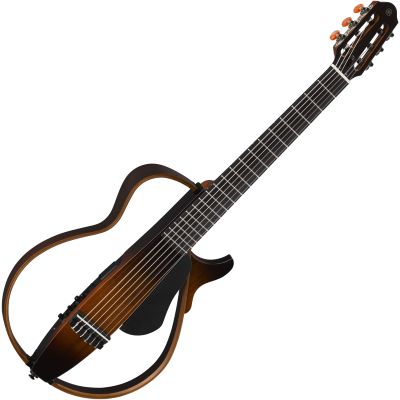
Electric strings and special silent guitars reduce acoustic body resonance considerably while adding headphone and recording options.
Simply switching off the speakers does not automatically solve every noise problem. In an apartment, it is useful to distinguish between sound travelling through the air and mechanical vibration travelling through floors, walls and other building components.
Guitar amplifiers, speakers, acoustic instruments, vocals and studio monitors excite the air in the room.
Lower playback levels, headphones and reducing unnecessary loudspeaker use are the most direct ways of lowering this type of sound.
E-drum kick pedals, hi-hat controllers, sustain pedals, stands and forceful playing can transfer vibration directly into the floor.
These impulses may sometimes be more noticeable in an adjoining apartment than the electronic headphone sound itself.
Why headphones do not mean complete silence: headphones remove the electronically generated sound from the room. The physical impact of a piano key, drumstick or pedal remains.
First reduce the sound source. Then reduce the transmission path into floors, walls and other connected structures.
The table evaluates typical setups and their noise behaviour, not the musical possibilities of the instruments themselves.
| Setup | Airborne Sound | Mechanical Noise | Pay Particular Attention To |
|---|---|---|---|
| Electric Guitar + Headphone Amp | Very Low | Low | Unamplified string noise remains audible |
| MIDI Keyboard + Headphones | Very Low | Low to Medium | Key action |
| Digital Piano + Headphones | Very Low | Medium | Hammer action and pedal |
| E-Drum + Headphones | Low | Medium to Significant | Isolate kick, hi-hat and rack |
| Electric Violin | Low | Low | The instrument remains acoustically audible |
| Acoustic Guitar, Wind Instruments & Vocals | Medium to High | Varies | Practice time and room position become more important |
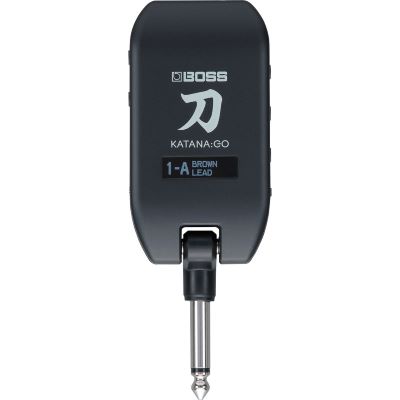
A headphone amplifier, modeling amp with a headphone output or an audio interface is one of the simplest solutions. Amp simulation, effects and backing tracks can all be heard directly through headphones.
E-drums are much easier to control acoustically than an acoustic drum kit. In an apartment, pay particular attention to the kick and hi-hat because their pedal movements can transmit sharp mechanical impulses into the floor.
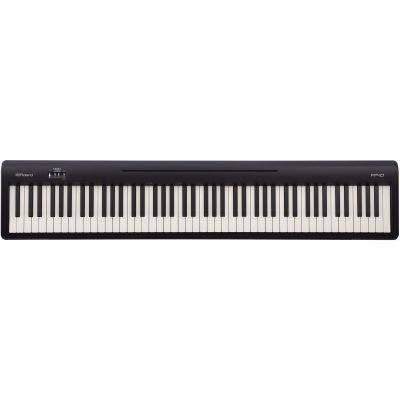
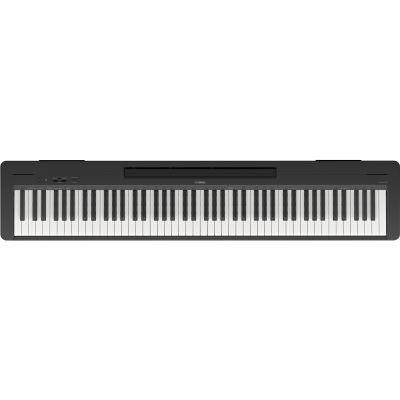
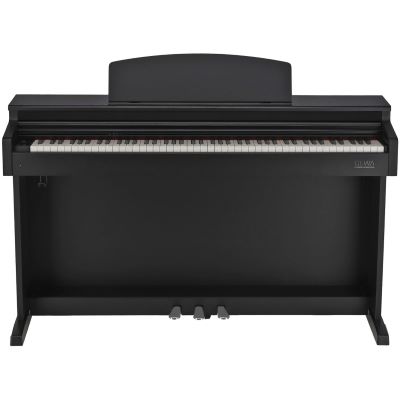
Digital and stage pianos combine piano-style playing with adjustable volume and headphone operation. Weighted keybeds still produce key and pedal noise.
A compact MIDI keyboard does not create a loud instrument sound itself. Synthesizers, drums and samples can run in the computer and be monitored entirely through headphones.
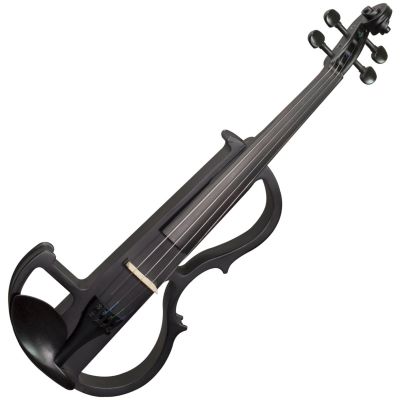
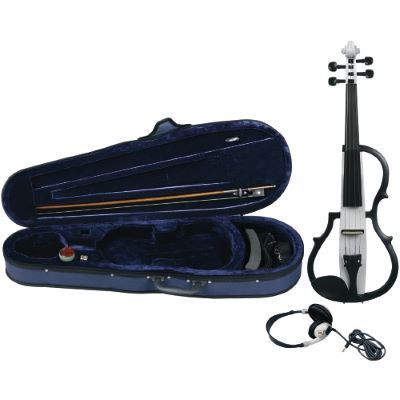
Electric string instruments do not use the same large resonant body as their acoustic relatives and can therefore provide a useful practice alternative.
They are not completely silent: strings, bridge and instrument structure still create some acoustic sound.
Voice, wind instruments, acoustic guitar and classical strings create their sound directly in the room. Appropriate practice times therefore become much more important.
Depending on the instrument, mutes can help, but they do not replace considerate use.
Wherever possible, monitor electronic instruments and audio interfaces directly through headphones.
Do not position instruments, amplifiers and stands directly against separating walls unless necessary.
Place kick pedals, hi-hat controllers and other mechanically active pedals on a stable and suitable damping or isolation solution.
For long or late home-studio sessions, use headphones instead of monitor speakers where practical.
Use louder acoustic instruments at times when normal everyday sound is less likely to create a problem.
A practical test can reveal which sounds actually arrive next door and which practice times work well.
Room acoustics are not the same as sound insulation. Acoustic absorbers, curtains, rugs and furniture can influence reflections and sound inside your own room. Genuine structural sound insulation between apartments is a different task. Quiet signal paths and mechanical isolation are therefore usually the more practical first measures in a rented property.
There is no single nationwide hourly rule in Germany that guarantees the same practice time for every instrument, apartment and building.
Domestic music-making is generally part of normal residential use, but it must be balanced against the interests of neighbours. The instrument, volume, building construction, actual sound transmission and applicable quiet periods can all matter.
In its judgment V ZR 143/17 of 26 October 2018, the German Federal Court of Justice stated that limiting domestic music-making to approximately two to three hours on working days and one to two hours on Sundays and public holidays can serve as a rough guideline in an individual case, while observing usual quiet periods.
This is not a blanket entitlement to those exact practice times in every apartment.
Legal notice: this buying guide provides general orientation and does not constitute individual legal advice.
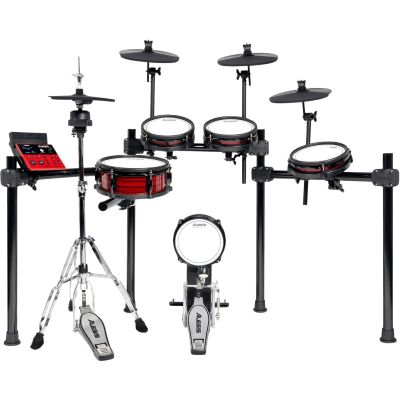
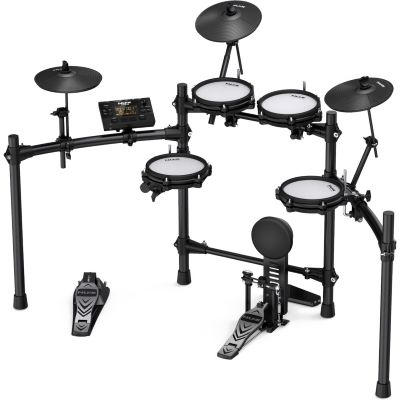
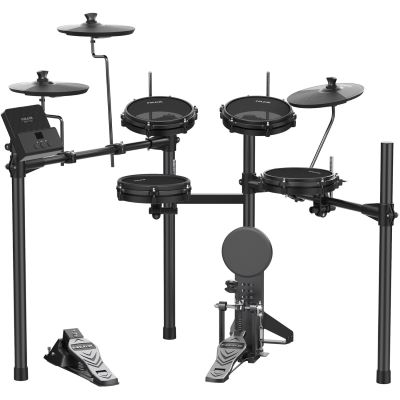
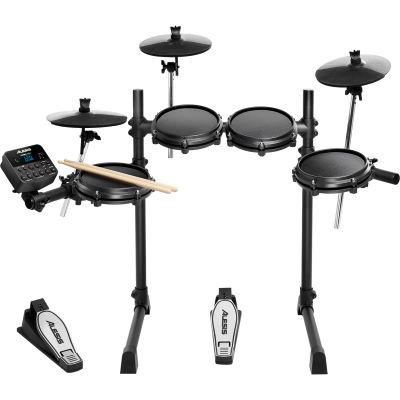
The selection is grouped by product family. Current prices, variants, included accessories and detailed specifications are available directly on each product page.
In an apartment, also consider pedal noise and mechanical isolation from the floor.
From particularly compact instruments to full 88-key weighted solutions.
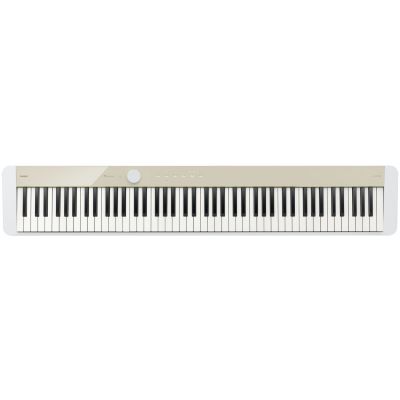
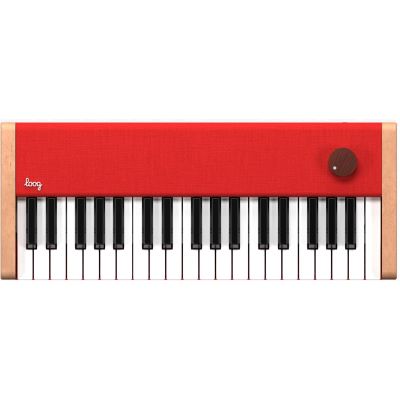
Amplifier sounds and effects without relying on a conventionally loud guitar amplifier.
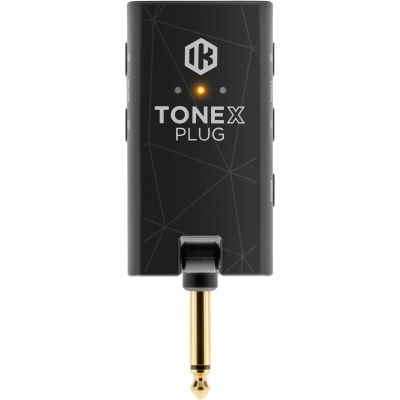
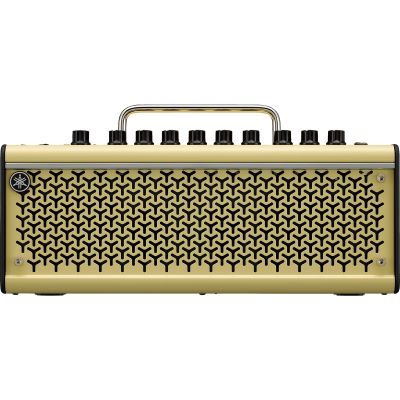
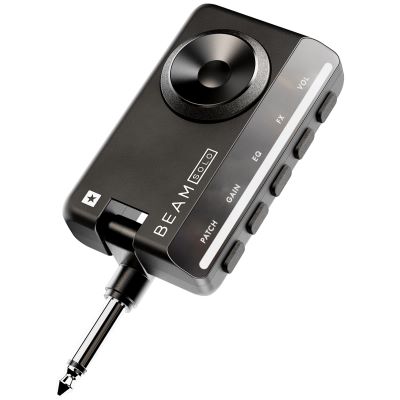
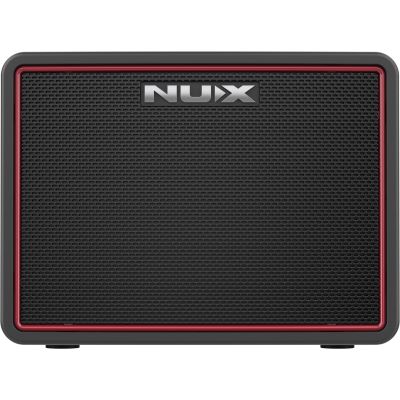
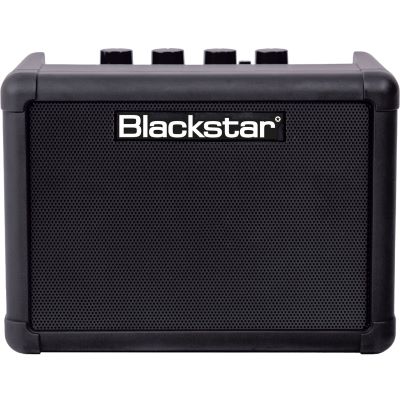
Connect guitar, bass, microphones and software directly to a computer and headphones.

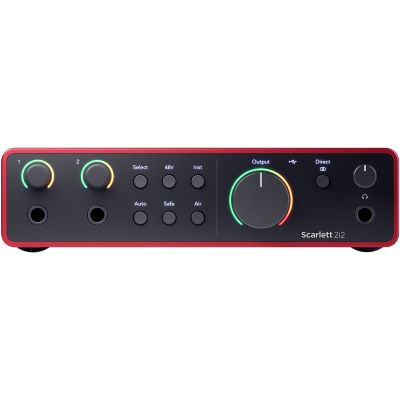
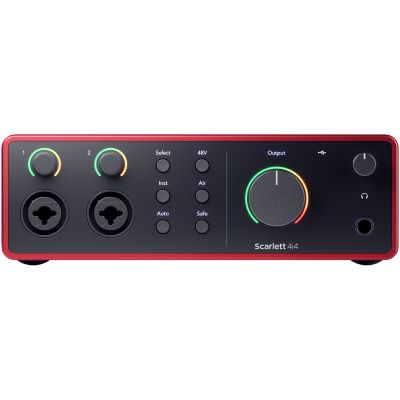
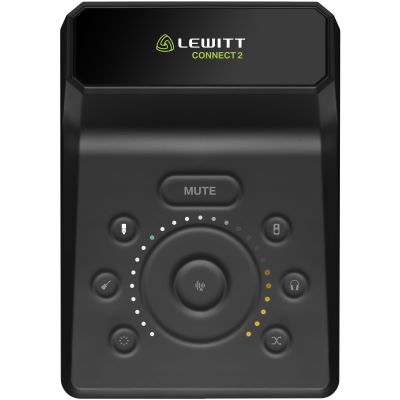
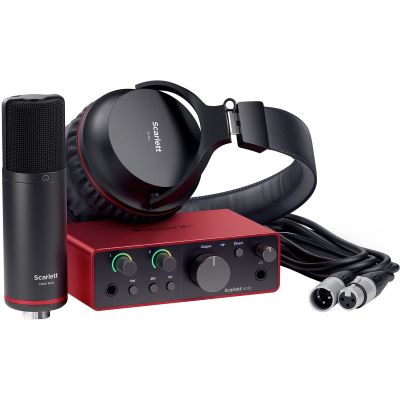
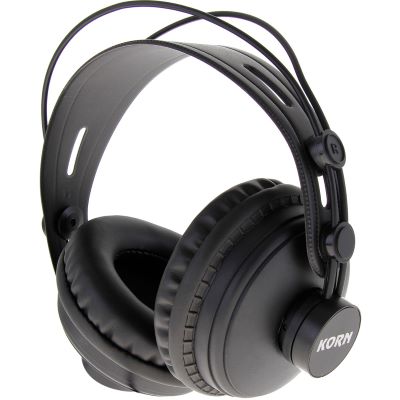
Closed-back models are especially practical for recording and quiet practice.
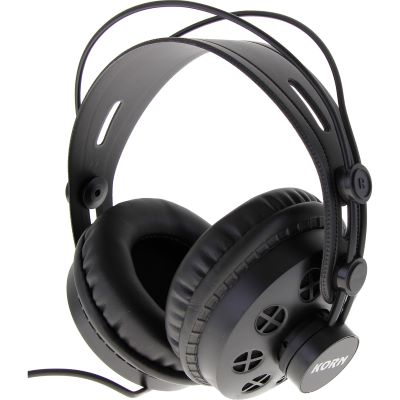


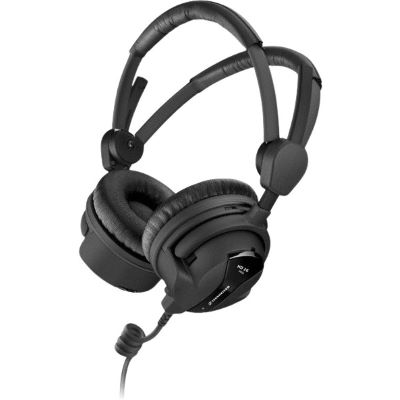
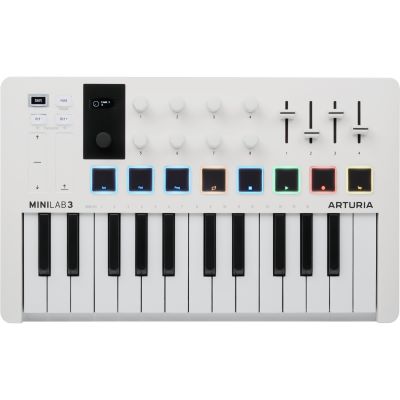
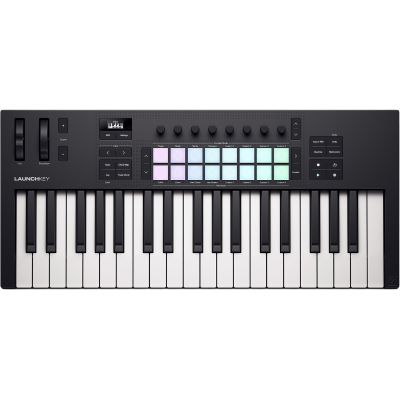
Ideal for desks, laptops and software instruments.
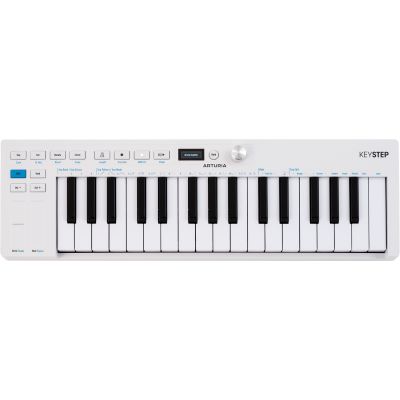
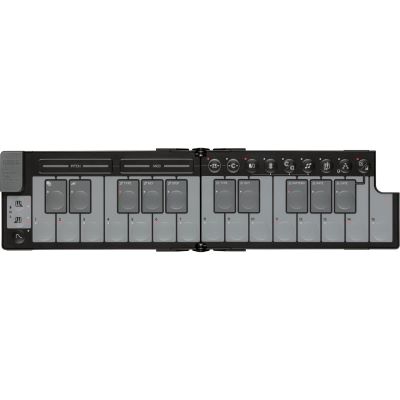
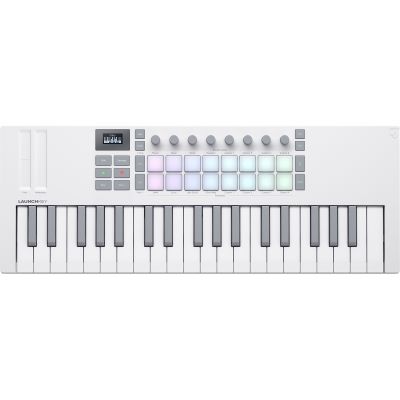
Reduced acoustic resonance together with headphone and recording possibilities.
Explore additional electronic instruments, interfaces, controllers and monitoring solutions directly in the relevant manufacturer worlds at Musikhaus Korn.










Electric guitar or electric bass with a headphone amplifier and MIDI keyboards with software instruments are among the easiest setups to control acoustically.
Digital pianos and e-drums can also be monitored very quietly, but they create more mechanical noise through keys, pads and pedals.
No. The electronic drum sound remains in the headphones, but hits on the pads and movements of the kick and hi-hat pedals remain audible.
Pedals in particular can transmit structure-borne sound into the floor, making suitable mechanical isolation important.
Headphones can remove the actual piano sound from the built-in loudspeakers. The keyboard mechanism and pedals remain audible, however.
In buildings with strong sound transmission, these mechanical noises may still be disturbing late in the evening.
Headphone amplifiers, modeling amplifiers with headphone outputs and audio interfaces connected to a computer are practical options.
Amplifier sounds and effects remain available while only the unamplified sound of the guitar strings is audible in the room.
Acoustic treatment is primarily intended to control reflections and sound inside your own room. It does not replace structural sound insulation between apartments.
For pedal and impact noise, mechanical isolation is the more targeted measure.
Yes. A practical quiet starting point can consist of a computer, audio interface, closed studio headphones and the required instrument or microphone.
Studio monitors can be added later and used only when the listening level and time are appropriate.
The actual singing voice cannot be made quieter simply by using headphones. A microphone records the voice but does not reduce its sound level in the room.
Suitable recording times and a controlled vocal level are therefore particularly important.
A short practical test with the neighbours can be very useful. It can show whether the main problem is the instrument sound itself or mechanical impulses from pedals, stands or the floor.
You can then target the actual transmission path instead of making random changes to the room.
Understand mesh heads, headphones, pedal noise, floor vibration and setup isolation in greater detail.
Compare compact digital pianos, keyboards, MIDI controllers and synthesizers according to floor and desk space.
Combine an interface, headphones, microphone and recording workflow into a compact home setup.
Explore microphones, interfaces, headphones, monitoring, recording software and complete signal paths.
Compare digital pianos, stage pianos, keyboards, synthesizers and MIDI controllers.
Compare acoustic and electric strings, instrument sizes, pickups, microphones and accessories.
Electronic instruments are particularly useful when volume needs to be controlled because their generated sound can be moved almost entirely into headphones.
The remaining mechanical noise still matters: digital-piano actions, e-drum pedals, stands and other floor-coupled components should be considered separately.
For a home studio, an audio interface and suitable headphones form a flexible starting point without monitor loudspeakers. Acoustic instruments and vocals remain acoustically audible, making thoughtful practice times and good communication especially important.