I Speak at a Desk
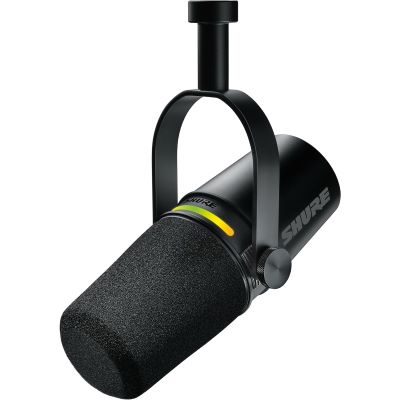
USB and broadcast microphones are particularly practical. In normal living rooms, a dynamic microphone used at short distance can help keep unwanted room sound less prominent.

Lecture, podcast, interview, conference, presentation or video: a microphone for speech should reproduce the voice clearly and intelligibly. The best design depends mainly on speaking distance, freedom of movement, room acoustics and the connection path you want to use.
Do not start with the brand or price. First decide how you speak and where the microphone will be used. A podcast microphone at a desk has completely different requirements from a lectern microphone or a wireless presentation microphone.
USB and broadcast microphones are particularly practical. In normal living rooms, a dynamic microphone used at short distance can help keep unwanted room sound less prominent.
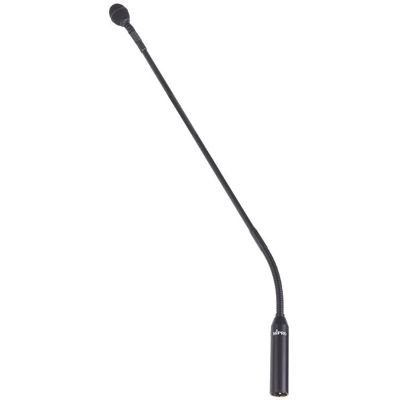
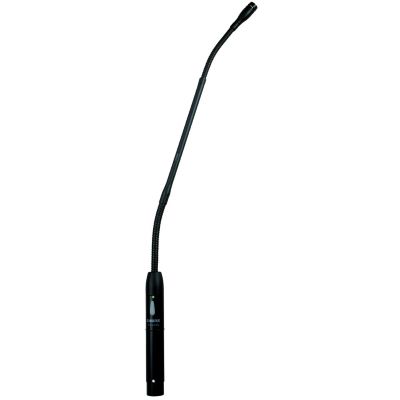
A gooseneck microphone can be aimed precisely at the mouth. It is especially useful for lecterns, announcements, conference systems and fixed installations.
A headset keeps the microphone distance nearly constant. This makes intelligible speech easier during lectures, fitness, theatre and active presentations.
Lavalier microphones attach to clothing and are useful for interviews, presentations, video productions and mobile spoken-word recordings.
Boundary microphones can be positioned directly on a table or another suitable surface and are useful for conference, meeting and installation applications.
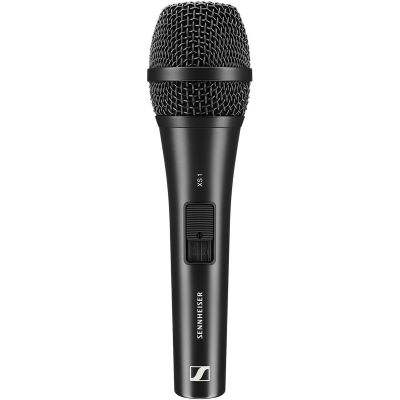
A handheld microphone is flexible, easy to understand and practical for moderation, audience questions, interviews and changing speakers.
Rule of thumb: the smaller and more constant the distance between mouth and microphone, the easier it becomes to achieve a clear voice, consistent level and less unwanted room sound.
A microphone that can be used relatively close to the mouth is useful for podcasts and voice recordings. A microphone arm or desk stand helps maintain a constant distance.
A gooseneck microphone remains in a fixed position. Its length should suit the lectern and speaker position so the capsule can be brought sufficiently close to the mouth.
Headsets are ideal when slides are controlled, products are demonstrated, instruments are played or the presenter needs to move around actively.
Lavalier microphones are discreet. A handheld microphone is particularly useful when an interviewer deliberately moves one microphone between two people.
For several speakers, targeted microphone placement is often easier to control than one microphone positioned far away. Large distances increase the amount of room sound.
A dynamic handheld microphone is robust and easy to hand over. If freedom of movement is required, the same operating concept can be implemented with a suitable wireless handheld system.
| Design | Especially Suitable For | Freedom of Movement | Typical Advantage | Check |
|---|---|---|---|---|
| USB Microphone | Podcast, streaming, voice-over | Low | Direct computer connection | Distance and room acoustics |
| Handheld | Moderation, interview, stage | High | Easy to hand over | Consistent speaking distance |
| Headset | Lecture, fitness, theatre | Very high | Constant microphone distance | Connector and wireless-system compatibility |
| Lavalier | Interview, video, presentation | Very high | Discreet attachment | Clothing and rubbing noise |
| Gooseneck | Lectern, conference, installation | Low | Precise positioning | Length and power supply |
| Boundary | Conference and meeting table | Stationary | Discreet surface placement | Room and speaker distance |
Both principles can work extremely well for speech. The important question is not which is universally “better”, but which solution matches the room, speaking distance and application.
Dynamic microphones are popular for close-miked podcasts, broadcast applications, handheld microphones and events. A short working distance can help keep the room contribution under control.
Condenser capsules are widely used in studio microphones, headsets, lavaliers, goosenecks and conference microphones. They can reproduce fine details and are available in extremely compact designs.
Important: a more sensitive microphone does not automatically improve a reverberant room. If the microphone is positioned further away, room reflections and surrounding noise usually become more audible too.
Microphone position is often more important than a long list of technical specifications. Short distance, sensible angle and a consistent relationship between mouth and capsule simplify the complete signal chain.
Cardioid captures mainly from the front and is a useful starting point for many speech applications. Omnidirectional capsules are common in small lavalier and headset solutions because their position on the body can be less angle-critical.
As microphone distance increases, the direct voice becomes quieter relative to reflected sound. Do not place a microphone unnecessarily far from the speaker, especially in large or acoustically hard rooms.
Remember: move the microphone closer to the voice instead of simply increasing gain further and further.
USB microphones already contain the required audio path and are ideal for solo speakers, podcasts, streaming, teaching and video conferences.
XLR is the classic connection for audio interfaces, mixers and professional sound systems. Several speakers and different microphone types can be integrated into one expandable setup.
Wireless systems become useful when speakers need to move freely. A headset, lavalier or handheld transmitter must match the transmitter, receiver and connector standard of the system.
Especially important for headsets and lavaliers: a mechanically compatible plug does not automatically mean electrical compatibility. Always check which wireless transmitter or microphone input the microphone is designed for.
The examples cover podcasts, presentations, interviews, conferences, lecterns and classic moderation. Current prices and stock levels remain on the respective product pages.
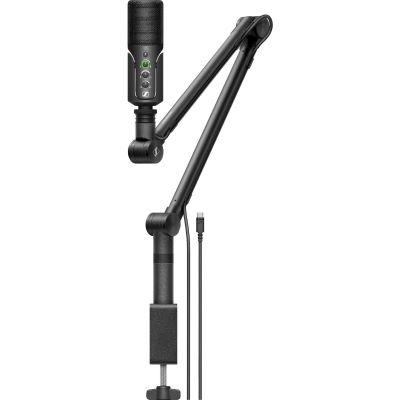
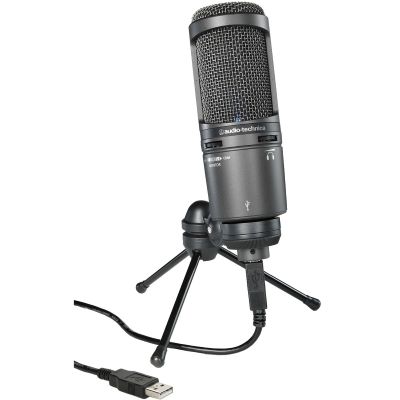
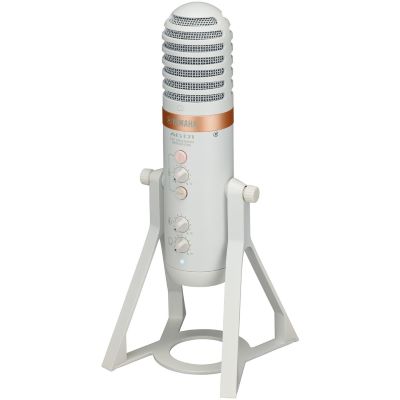
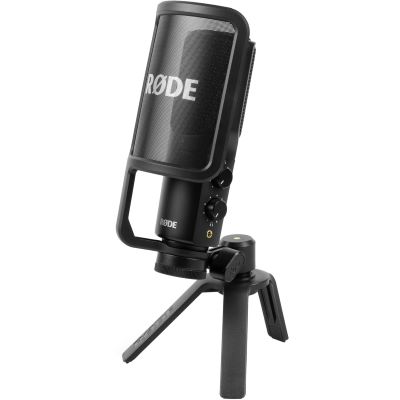
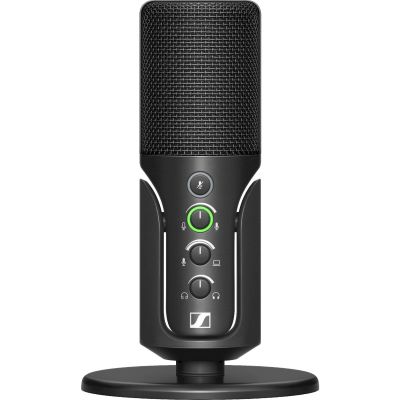
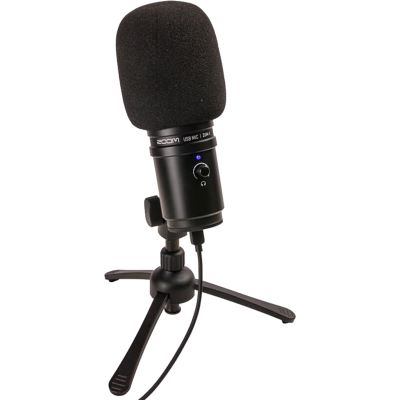
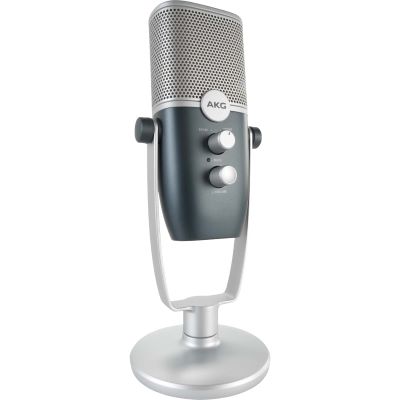


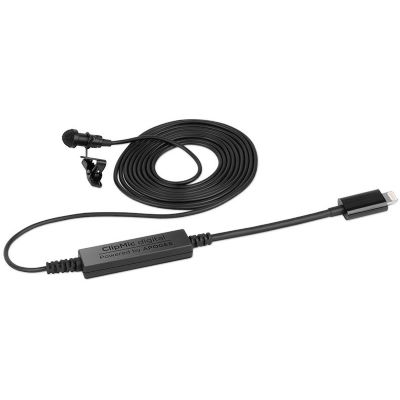


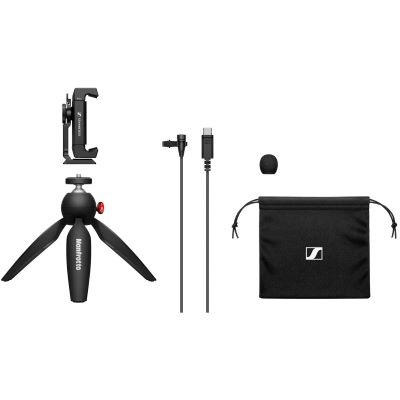


A stable stand provides a reproducible microphone distance for podcasts, lectures and moderation.
During close speech recording, a pop filter reduces strong bursts of air from explosive consonants.
A suitable balanced cable is an essential part of every wired XLR microphone signal path.
Clips, wind protection, holders and other accessories solve specialist speech and installation requirements.
Greater distance usually means more room sound and less direct voice. Position the capsule as close as the application reasonably allows.
A sensitive microphone may also capture keyboards, fans, room reflections and other unwanted sounds more clearly.
Fabric movement can become clearly audible. Test the position with realistic body movement before recording.
Wireless systems use different connector wiring and supply voltages. Microphone and transmitter must explicitly match.
Test both quiet and loud speech beforehand so there is sufficient headroom without normal speech becoming too quiet.
With several widely separated speakers, multiple targeted microphones are often more controllable than one distant microphone.
Within one manufacturer range it can be easier to combine compatible capsules, wireless components, headsets and matching accessories.




Explore microphones for podcasts, voice-over and spoken-word recording at the computer in more detail.
Combine microphones for different sources and applications within a complete recording setup.
Start with the recording objective and choose the suitable microphone and recording signal path from there.
Compare microphone construction concepts and their typical applications in studio recording.
It depends on the application. A close-miked USB or broadcast microphone is practical for podcasts, a headset for presentations, a gooseneck microphone for lecterns and a lavalier or handheld microphone for interviews and moderation.
A microphone that can be used relatively close to the mouth helps keep room sound under control. Dynamic podcast or broadcast microphones can therefore be particularly interesting. Good positioning remains more important than microphone type alone.
USB is straightforward and works well for one speaker. XLR is more flexible when several microphones, a mixer or an expandable recording system are planned.
A headset keeps the microphone distance very constant and is therefore particularly controllable. A lavalier is visually more discreet but sits further away from the voice and can react more strongly to clothing noise.
Gooseneck microphones are particularly practical because they can be aimed precisely at the speaker. Choose a suitable length so differently sized speakers can position themselves comfortably.
Room sound increases as microphone distance grows. Boundary microphones or several strategically positioned microphones can therefore be easier to control. For podcasts, one microphone per speaker is often especially flexible.
Many professional condenser gooseneck microphones require a suitable power supply. Always check the technical specification of the individual microphone and microphone input.
The microphone may be too far away or the room may reflect a lot of sound. A shorter distance increases the proportion of direct voice. Improving the room acoustics can also help.
No. Condenser microphones can reproduce a lot of detail, while dynamic microphones can be extremely practical for close speech and normal rooms. The application is decisive.
Yes. Dynamic handheld vocal microphones are excellent for moderation, announcements and interviews. For permanent desk use or discreet presentations, other microphone formats may simply be more convenient.
USB or XLR microphones are ideal for a fixed speaking position. If the speaker needs to move freely, a headset or lavalier becomes more practical. At a lectern, a gooseneck microphone provides controlled positioning, while boundary microphones can be useful on conference tables.
A classic handheld microphone remains one of the most flexible solutions for moderation, audience questions and changing speakers. The microphone can easily be passed from person to person and is immediately understandable for most users.
Whatever the design, speech intelligibility begins with distance and positioning. Moving the microphone closer to the voice usually provides more benefit than simply increasing preamp gain. Room acoustics, microphone direction and available headroom should therefore be considered together.
In the central Musikhaus Korn guide world you can find further buying guides, comparisons and complete paths to the right setup.