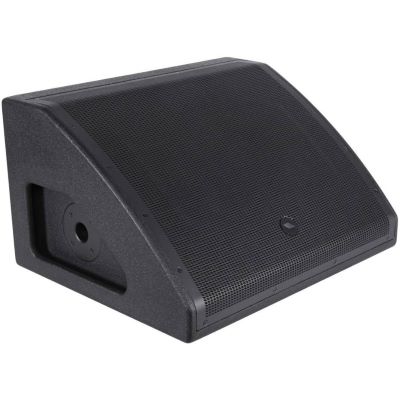
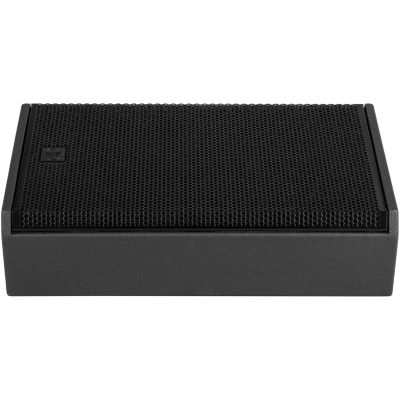
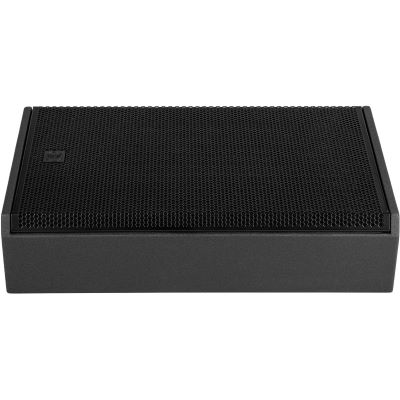
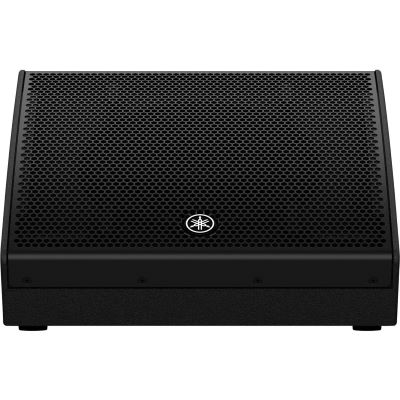
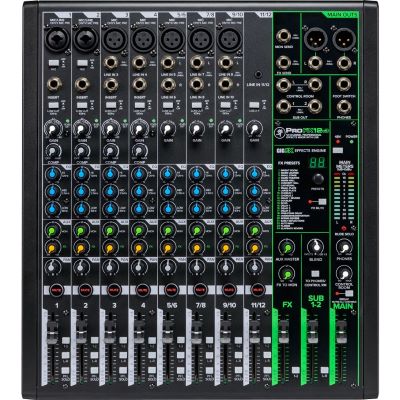
Wedge for Small Stages
An active stage monitor connects directly to an aux or mix output and is aimed towards the musician. No personal earphones, wireless transmitter or bodypack are required.

Should your monitor mix come from a traditional wedge in front of you or directly through in-ear monitors? Stage monitors are straightforward, quick to set up and preserve a natural feeling of the stage. In-ear monitoring provides precise personal mixes, can reduce stage volume and offers excellent freedom of movement. This guide helps singers, guitarists, bassists, drummers, keyboardists and complete bands choose the right solution.
Do not choose by sound alone. Freedom of movement, stage volume, the number of independent monitor mixes, setup time and the requirements of the individual musicians are equally important.
An active stage monitor connects directly to an aux or mix output and is aimed towards the musician. No personal earphones, wireless transmitter or bodypack are required.
The personal monitor mix is delivered directly to the ears. This can reduce the need for loud floor monitors and gives the musician a very direct monitor signal.
Musicians moving around the stage benefit from a bodypack receiver without a cable to the monitor position. Frequency range, battery status and other wireless systems must be planned together.
A drummer or keyboardist can use a wedge while singers and guitarists use in-ear monitoring. The mixer simply needs enough independent monitor outputs for the required mixes.
Practical rule: if maximum simplicity is the priority, begin with a good active wedge. If several musicians need individual mixes or the overall stage level should be reduced significantly, in-ear monitoring becomes particularly attractive.
Both systems solve the same basic problem but create very different workflows on stage.
| Feature | Stage Monitor | In-Ear Monitoring |
|---|---|---|
| Setup | Very direct | More components required |
| Freedom of Movement | Best within the local monitor coverage area | Very high with wireless IEM |
| Stage Volume | Adds acoustic sound to the stage | Can reduce additional stage sound significantly |
| Sense of Space | Natural stage and audience impression | Isolation can initially feel unfamiliar |
| Feedback | Monitor position relative to microphones is important | No monitor loudspeaker radiating towards the vocal mic |
| Individual Mix | One independent mix per wedge is possible | Especially precise personal monitoring |
| Wireless Planning | Not required | Required for wireless systems |
| Transport | Larger loudspeaker cabinets | Compact transmitters, bodypacks and earphones |
A traditional wedge is positioned in front of the musician and directs its sound upwards. The concept remains particularly straightforward for small bands, open sessions, changing guest musicians and stages with short changeover times.
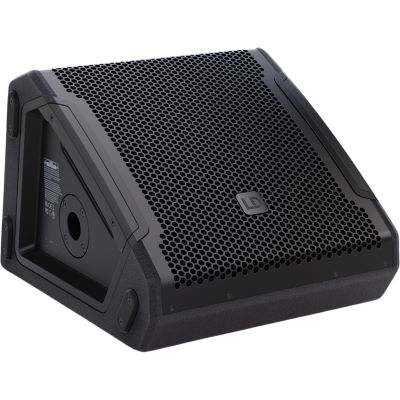
10-inch monitors remain compact and are particularly attractive for vocals, guitar and smaller stages where low-frequency extension is not the main priority.
12-inch monitors combine a manageable cabinet size with useful low-frequency reserve and are therefore suitable for many general-purpose band applications.
15-inch monitors can be particularly interesting for bass, keyboards and drummers when greater low-frequency capability is required directly on stage.
Coaxial designs place the high and low-frequency sources very close together spatially and can therefore provide particularly even monitoring at short listening distances.
Dispersion, maximum output and the actual monitor position remain just as important.
With vocal microphones, the monitor should be positioned in an area where the microphone has reduced sensitivity. Cardioid and supercardioid microphones therefore require different monitor positions.
A complete IEM system is built around an independent monitor mix rather than around the earphones alone.
The mixer supplies a monitor mix through an aux or mix output that can be adjusted independently of the front-of-house mix.
A wireless system sends the mix to a bodypack receiver. Stationary musicians can instead use a wired headphone amplifier.
With wireless IEM, the bodypack receives the monitor signal and provides the headphone connection and personal volume control.
Secure fit and good isolation are essential. Different ear tips influence comfort, bass response and attenuation of external sound.
Protect your hearing: good isolation is not a reason to run an in-ear mix unnecessarily loud. Set the level deliberately, leave headroom and avoid strong unexpected level jumps in the monitor path.
Musicians who remain almost in the same position throughout the performance do not necessarily need a wireless link. A wired headphone amplifier can make the monitor mix available directly at the playing position.
Singers, guitarists and bassists benefit from a bodypack without a cable running back to the monitor position. In return, the wireless environment needs to be planned carefully.
The number of monitor outputs is often more important than whether the monitor itself is a wedge or an in-ear system.
Everyone hears the same monitor mix. This saves mixer outputs and setup time and can work perfectly when the musicians have similar monitoring requirements.
Singers can share one mix while the rhythm section receives another. This is a sensible middle ground when there are fewer aux outputs than musicians.
The singer can have more vocals, the drummer more bass and the guitarist more click or keyboards. Every independent mix requires its own output, or a pair of outputs for stereo.
Digital mixers can provide several independent monitor paths together with EQ, dynamics, recall and routing. Depending on the system, musicians can also adjust their own monitor mixes from a smartphone or tablet.
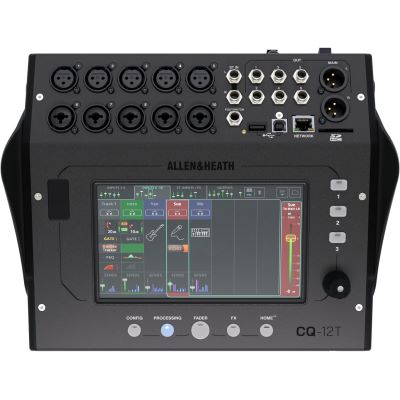
In a complete in-ear setup, the additional wedge disappears. Its amplified signal therefore cannot feed directly back into the vocal microphone.
If monitor speakers and amplifiers become quieter, the front PA can often be balanced more independently of direct stage sound.
Well-sealing in-ears reduce audience and room sound. Ambient microphones can be added deliberately to the monitor mix if a more natural sense of the room is desired.
A wedge can also provide reliable feedback control: position it according to the microphone polar pattern, use the microphone close to its source, set gain correctly and put only the signals that are actually required into the monitor mix.
Floor monitors with integrated amplification for direct stage monitoring.
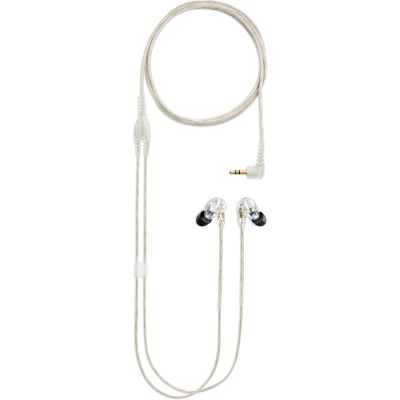
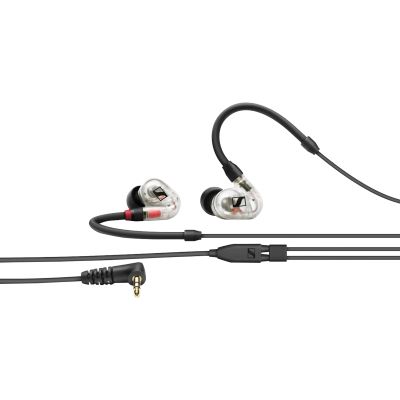
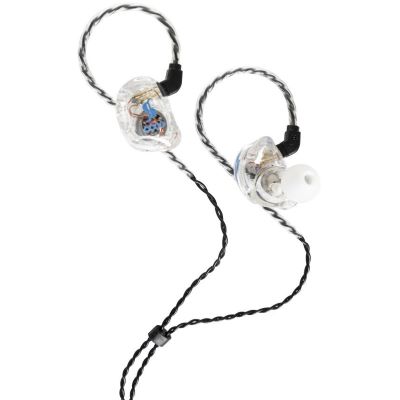
Transmitters, receivers, complete systems and in-ear monitors.
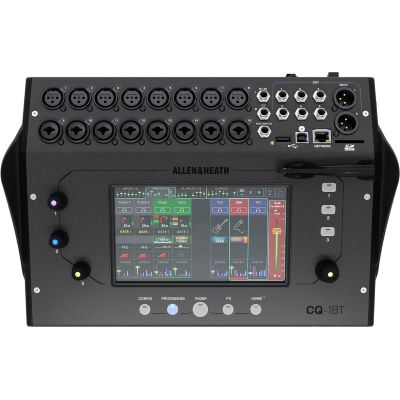
Manage several independent monitor mixes from one compact system.
Wired personal monitoring solutions for drummers, keyboardists and fixed playing positions.
The selection follows the current German source page and shows different routes from a single active wedge to personal wireless in-ear monitoring. Prices and availability are intentionally not hard-coded here.
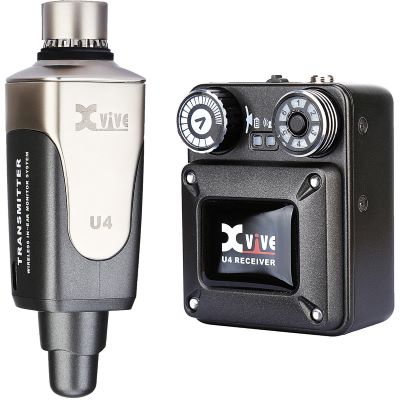
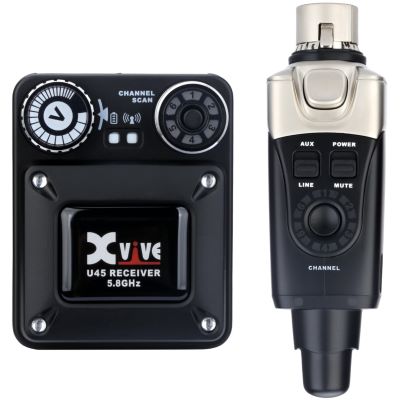
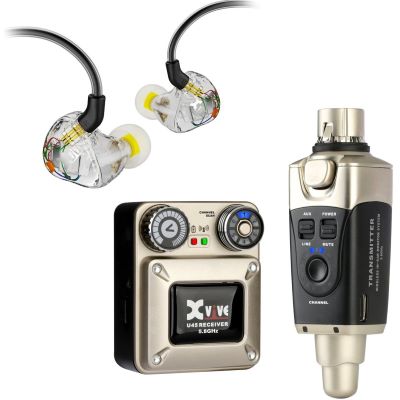
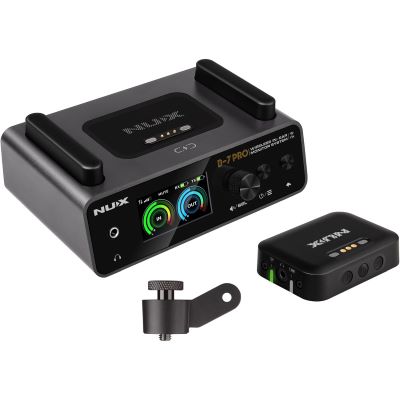
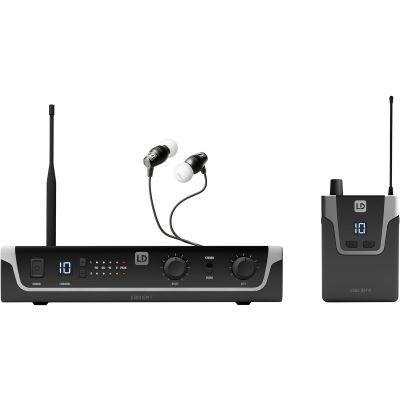
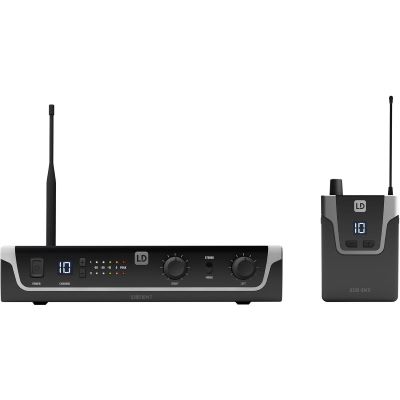
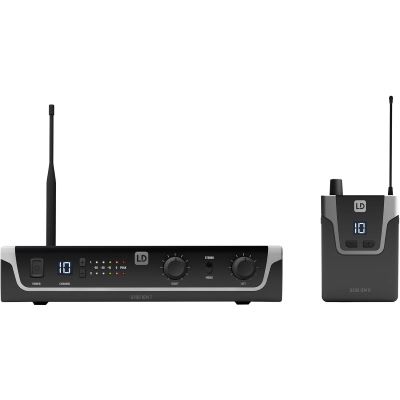
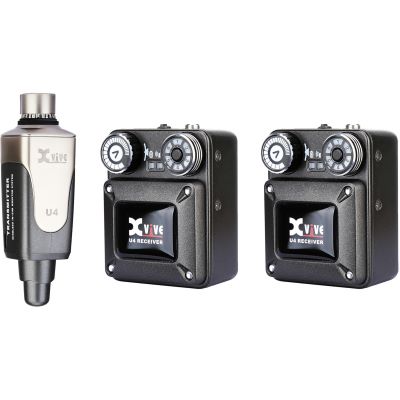

Compare monitor loudspeakers, wireless IEM systems, earphones and mixers within the corresponding manufacturer ranges.











Put only the signals that are genuinely useful for each musician into the monitor mix.
The microphone polar pattern helps determine the direction from which the monitor should radiate.
Good isolation should allow lower and more controlled monitoring levels rather than encourage higher ones.
An additional independent IEM mix also requires another available mix or aux output.
Frequencies, channels, receivers and batteries should already be checked before the soundcheck begins.
Poorly fitting ear tips reduce isolation and bass response and often cause musicians to raise the monitor level unnecessarily.
Neither system is fundamentally better. Wedges are straightforward and retain a strong sense of the stage. In-ear monitoring provides personal mixes, isolation and less additional stage sound.
Yes. Singers can hear their voice very directly and move freely around the stage with a wireless system. A good monitor mix and correctly fitting in-ear monitors are essential.
A drummer can use a powerful 12 or 15-inch wedge. Because drummers normally remain in a fixed position, wired in-ear monitoring is also particularly attractive.
Not necessarily. With suitable systems, several receivers can listen to the same transmitted mix. For genuinely individual mixes, however, each musician requires a separate monitor path from the mixer.
Yes. Hybrid setups are common. A singer might use in-ear monitoring while a keyboardist, drummer or guest musician uses a traditional wedge.
No. Any mixer with suitable independent aux or mix outputs can provide monitor mixes. Digital mixers become particularly convenient when many independent mixes are required.
Mono saves mixer outputs and wireless resources. Stereo allows instruments to be distributed spatially and can create a more open personal monitoring experience.
Position the monitor according to the microphone polar pattern, use the microphone at a sensible close distance, set gain correctly and include only the required signals at an appropriate level in the monitor mix.
Look for a secure fit, interchangeable ear tips and sufficient isolation. The number of drivers is not automatically more important than good fit and a balanced monitor mix.
Well-sealing in-ear monitors reduce room and audience noise. Ambient microphones or deliberately mixed room signals can restore a more natural sense of the venue where required.
Good isolation makes lower and more controlled monitoring levels possible, but it does not protect hearing automatically. In-ear monitors can still be set too loud, so the listening level should always be managed responsibly.
The number of musicians, required individual mixes, wireless requirements and the available mixer outputs determine which monitoring system really fits. With several simultaneous wireless systems, coordinated system planning becomes particularly important.
An active stage monitor is the direct solution if you want to work without personal earphones and need uncomplicated monitoring for rehearsals, clubs or changing musicians. It connects quickly to an aux output and retains a natural impression of the stage and audience. Monitor size and output should be selected according to the instrument, stage level and listening distance.
In-ear monitoring becomes particularly attractive when musicians need different personal mixes, the stage should become quieter or greater freedom of movement is required. In addition to suitable in-ear monitors, every personal mix needs a monitor output. Wireless operation also requires a transmitter and bodypack receiver.
Drummers and keyboardists often do not need wireless monitoring because they remain at a fixed position and can use a wired headphone amplifier instead. Singers, guitarists and bassists can benefit more strongly from wireless bodypacks.
Many bands therefore do not need to choose exclusively between the two systems. Wedges and in-ear monitoring can be combined exactly where each concept provides the greatest practical benefit.
Compare keyboard amplifiers, active stage monitors, studio monitors and PA loudspeakers for different keyboard applications.
Compare headphones, personal stage monitoring and PA solutions for practising, rehearsals and live electronic drums.
Find further buying guides covering loudspeakers, mixers, microphones, instruments, studio gear, DJ equipment and event technology in the central Musikhaus Korn guide world.