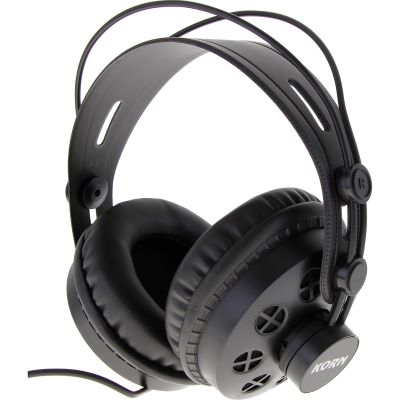
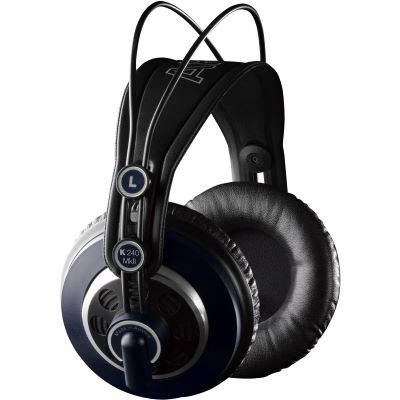
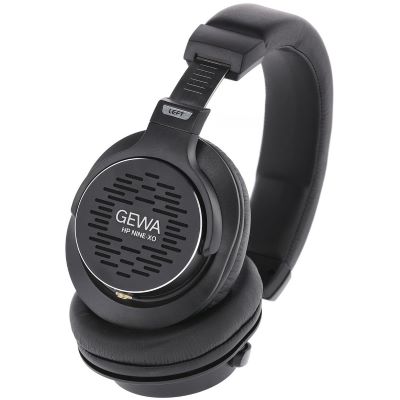
Closed Tracking Headphones
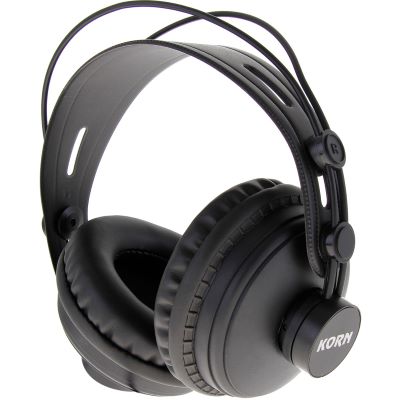
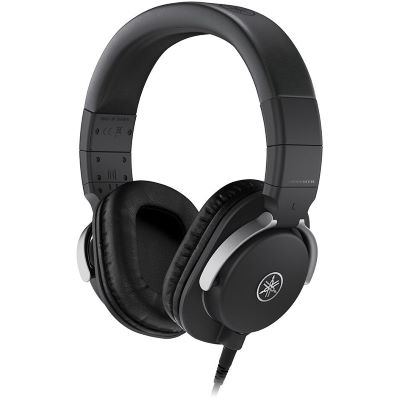
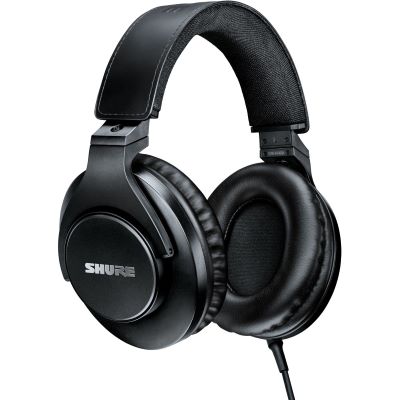
Closed ear cups reduce playback and click leakage into vocal, acoustic-guitar and drum microphones. They also isolate the musician more effectively from the room.

A studio headphone has to perform a different job during recording than it does during mixing or mastering. For tracking, isolation, low sound leakage and a secure fit are the priorities. During mixing, stereo imaging, frequency balance and comfortable long-term listening become more important. For mastering, you additionally need a familiar, high-resolution reference that makes even small changes in level, dynamics and tone easy to judge.
A good headphone can perform several jobs. Knowing your primary application still makes it much easier to narrow down the right construction and features.
Closed ear cups reduce playback and click leakage into vocal, acoustic-guitar and drum microphones. They also isolate the musician more effectively from the room.
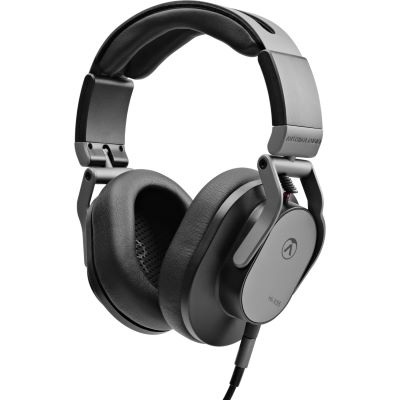
For long sessions in a quiet environment, open and semi-open headphones are particularly interesting. Generous stereo imaging can make decisions about panorama, reverb and depth easier.
For mastering, spectacular sound matters less than a familiar and repeatable reference. Small EQ, dynamics and level changes need to remain easy to identify.
If microphone recording is part of your workflow and you want only one headphone, a high-quality closed model is usually the most practical combination of isolation and analytical listening.
A closed headphone for recording and an open reference headphone for mixing and mastering complement each other better than forcing one model to perform every studio task perfectly.
Musicians need to hear timing, intonation and playback reliably. At the same time, as little headphone sound as possible should enter open microphones. Robust construction and a secure fit are also important in everyday studio use.
Frequency balance, panorama, transients, reverb tails and unwanted details need to remain easy to recognise. Wearing comfort matters because mixing sessions can quickly last several hours.
Mastering involves particularly subtle adjustments. The headphones should be very familiar and make differences in tonality, dynamics and stereo imaging reproducible.
No headphone is completely invisible in practical listening. Ear shape, fit, pads and your individual hearing influence the result.
A model whose characteristics you understand after listening to many reference tracks can therefore be more dependable than a theoretically more linear model you barely know.
Headphones separate the left and right channels almost completely. Studio monitors naturally allow each speaker to reach both ears.
Stereo width and the phantom centre are therefore perceived differently. An additional loudspeaker reference is especially valuable.
Recording requires isolation, mixing requires orientation, and mastering requires confidence in your reference.
| Feature | Recording | Mixing | Mastering |
|---|---|---|---|
| Construction | Usually Closed-Back | Open / Semi-Open / Closed | Often Open-Back |
| Isolation | Very Important | Less Important | Rarely Relevant in a Quiet Room |
| Stereo Imaging | Practically Important | Very Important | Very Important |
| Detail Resolution | Good | High | Very High |
| Wearing Comfort | Important | Very Important | Very Important |
| Durability | Very Important | Important | Important |
| Sound Leakage | As Low as Possible | Usually Uncritical | Uncritical |
During tracking, acoustic separation between the headphone and microphone is usually more important than an especially wide stereo soundstage.
A loud click track can leak from open ear cups into a vocal microphone and remain audible in quiet passages later. Closed studio headphones reduce this effect considerably.
During drum recording and around loud guitar amplifiers, isolation also helps musicians hear the playback and metronome more clearly.
When using an electric piano, software instrument or directly recorded electric guitar without an open microphone, headphone leakage is much less critical.
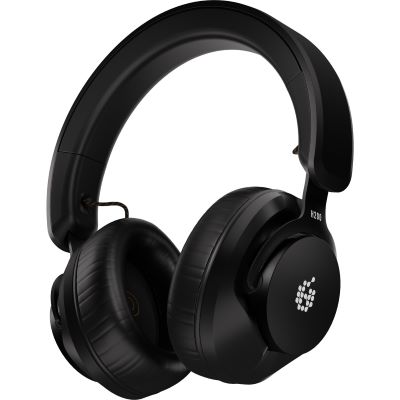
Open studio headphones often provide a more generous spatial presentation. This can help when placing instruments, reverberation and stereo effects.
Bass, midrange and treble should remain easy to judge rather than being exaggerated for entertainment. Use familiar reference productions to learn the tonal characteristics of your headphones.
Weight, headband pressure, ear pads and heat build-up become real working criteria over several hours. A good-sounding headphone is of little use if you constantly want to remove it.
Subtle equalizer, limiter and stereo-image adjustments need to remain reproducibly audible. Detail resolution matters more than especially impressive bass.
Mastering requires concentrated listening. A comfortable fit and reproduction that does not create unnecessary fatigue support reliable decisions over longer sessions.
Mastering exclusively through a single headphone is risky. Cross-check the result on studio monitors and at least one other familiar playback system.
A more expensive headphone does not replace experience with your monitoring system. Listen to many familiar productions on your reference model and compare final decisions on additional playback systems.
With headphones, the left ear hears almost exclusively the left channel and the right ear the right channel.
With loudspeakers, each monitor also reaches the opposite ear with a small delay. This natural acoustic crosstalk contributes to how we perceive stereo width and the phantom centre.
Crossfeed deliberately adds a controlled amount of the opposite channel and can therefore support a more speaker-like spatial perception.
Such processing can be particularly useful when switching frequently between headphones and studio monitors.
Do not accidentally render monitoring crossfeed into the actual mix or master.
The impedance value alone does not tell you whether a headphone will play loudly enough. Sensitivity and the performance of the headphone output must also be taken into account.
Many studio models in this range work flexibly with audio interfaces, mixers, recorders and a variety of mobile sources.
Higher-impedance reference headphones should be paired with a capable headphone output so that enough volume and dynamic headroom remain available.
For band and drum recording, one headphone socket is often insufficient. A separate headphone amplifier can provide several independently adjustable listening positions.
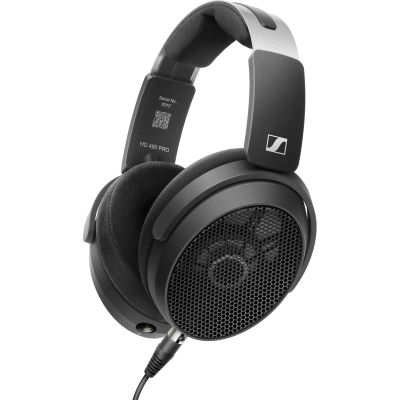
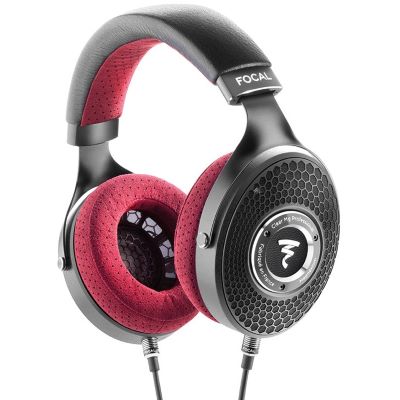
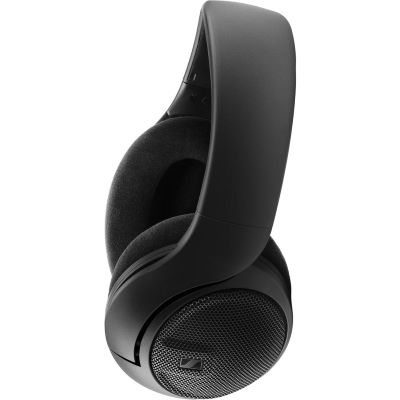
A more expensive headphone does not replace experience with your own monitoring system. Listen to many familiar productions on your reference headphone and cross-check final decisions on studio monitors and other playback systems.
The headphone output is part of your monitoring chain. Consider output power, independent volume control and the number of headphone paths you need.
Headphone amplifiers, distribution systems, holders and other accessories make recording sessions with several musicians easier to organise.
Loudspeaker monitoring provides a different view of stereo width, phantom centre and room interaction and therefore complements headphone work especially well.
Microphones, interfaces, monitoring and additional equipment for complete recording, production and mastering workstations.
Closed-back studio headphones are the typical starting point. They reduce external sound and help prevent playback and click tracks from leaking unnecessarily into an open microphone.
Open and semi-open models are especially popular because they can provide generous spatial presentation. A neutral closed-back studio headphone can also be used successfully for mixing.
A high-resolution reference headphone whose characteristics you know extremely well is essential. Open models are frequently used. Final decisions should additionally be checked on studio monitors.
Yes. Construction and quality are two different things. A high-quality closed studio headphone can be a very precise tool for recording, editing and mixing.
Not necessarily. However, combining closed tracking headphones with an open mixing and mastering model is especially flexible and simultaneously provides a second tonal reference.
With headphones, each ear receives almost exclusively its own stereo channel. With loudspeakers, the opposite monitor also reaches each ear. Stereo and spatial perception therefore differ between both systems.
Crossfeed adds a controlled amount of the opposite channel and can simulate a more speaker-like spatial perception. The function belongs only in the monitoring path.
This also depends on sensitivity and the output power of the interface. Many low- and medium-impedance models work without difficulty. Higher-impedance headphones should be paired with a headphone output that provides sufficient power reserve.
Yes. Recording, editing and mixing can all be done entirely with headphones. For critical mixing and mastering decisions, an additional loudspeaker reference remains very valuable.
An extremely wide quoted frequency range says very little about reproduction quality on its own. For long studio sessions, tuning, fit, weight, pads and a familiar tonal balance are more important.
For recording, closed studio headphones are usually the best choice. They reduce sound leakage into microphones, isolate musicians from the surrounding room and provide controlled monitoring for vocals, instruments and complete tracking sessions.
During mixing, the emphasis moves towards stereo imaging, frequency balance, detail resolution and comfort. Open and semi-open headphones are therefore particularly popular. Closed models remain a good alternative when outside noise or a shared room makes an open design impractical.
For mastering, use a high-resolution headphone whose characteristics you know very well. Work at moderate listening levels, use familiar reference tracks and check final decisions on studio monitors. A second playback system helps reveal headphone-specific errors in panorama and spatial balance.
Anyone equipping a studio for the long term is therefore particularly well served by two different headphones: a closed model for musicians and recording, plus an open reference headphone for mixing and mastering. Each task receives the appropriate tool while you gain an additional reference for checking your decisions.
Discover further Musikhaus Korn guides covering studio monitors, audio interfaces, microphones, recording, instruments and complete studio technology.