Musikhaus Keks
Welcome!
Our cookies offer you a fast, relaxed and full-featured shopping experience. Some are necessary to operate the website and its functions. Others help us to improve our services. If you agree to this, simply consent to the use of cookies for preferences, statistics and marketing by clicking on "OK". Alternatively, you can deactivate individual cookies under "Customise cookies" or all cookies, except those required for the function of our website, under "Reject all".
Musikhaus Korn Recording Guide

Which Microphones Do You Need? Choose the Right Microphone for Every Sound Source

Vocals, speech, acoustic guitar, guitar amplifiers, drums and complete ensembles place very different demands on a microphone. Start with the sound source, room and required number of simultaneous channels. The choice between dynamic, large-diaphragm, small-diaphragm, USB and specialist microphones then becomes much easier.

Vocals & speech Instruments & drums Podcast & streaming
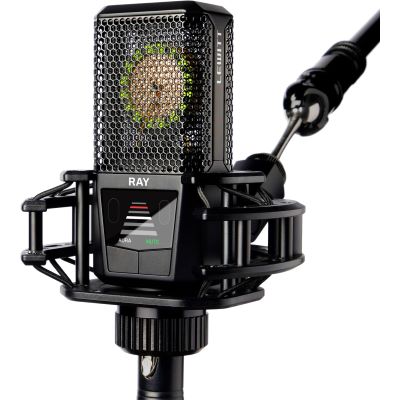
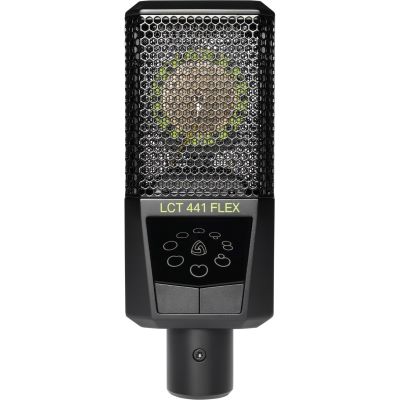
Lewitt RAY XLR studio condenser microphone for vocals speech and creative recording
One microphone can be enough for a solo voice; stereo and multitrack sessions quickly require several separate microphone channels.
Choose by Sound Source

Which Microphone Fits Your Recording?

Start with the instrument or voice and the room rather than with specifications. A microphone that works perfectly in front of a guitar amplifier does not automatically make the best choice for a quiet acoustic guitar or detailed vocal recording.

Vocals & Voice-Over

Large Diaphragm for Detail

A large-diaphragm condenser microphone is a versatile starting point for studio vocals and spoken voice. It captures subtle details and quieter parts of a performance particularly well.

In a reflective or noisy room, a dynamic microphone used at a shorter distance can be easier to control.

Podcast & Streaming

Dynamic or USB

Dynamic broadcast microphones are well suited to close speech and can help keep the room less dominant in the recording.

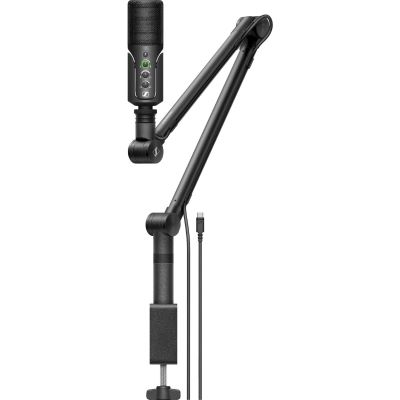
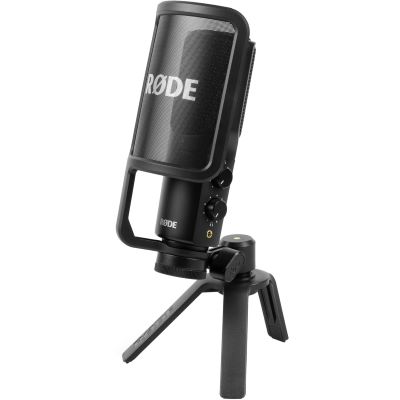
USB microphones are particularly straightforward because microphone, preamp and digital audio interface are integrated into one device.

Acoustic Instruments

Small Diaphragm for Transients

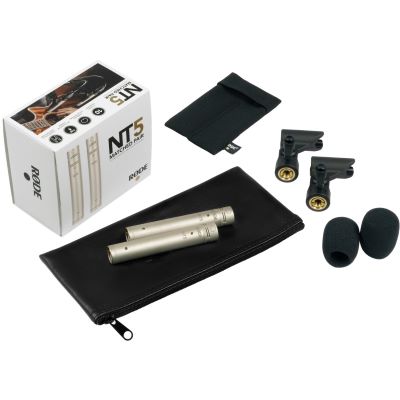
Small-diaphragm condenser microphones are a strong choice for acoustic guitar, strings, percussion, piano and other instruments where attack, articulation and fast tonal changes matter.

Guitar Amplifier

Dynamic and Close to the Speaker

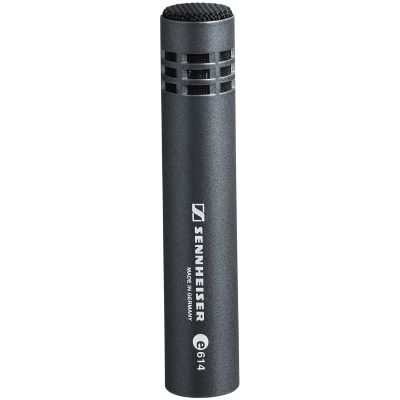
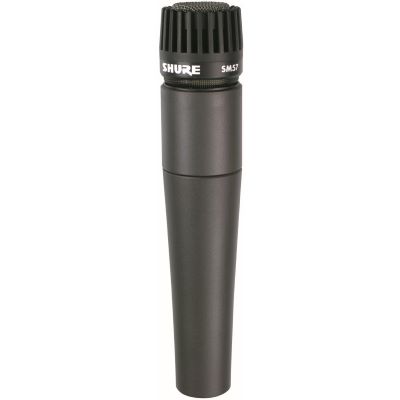
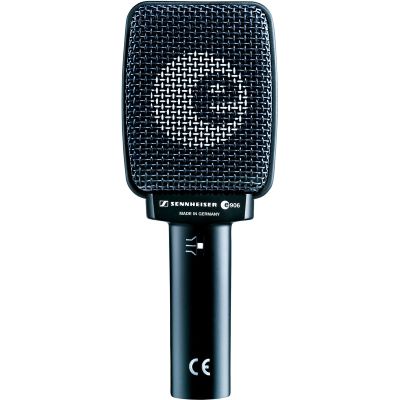
Robust instrument microphones are a proven starting point for guitar cabinets. Moving a microphone only a few centimetres between the centre and outer area of the speaker can alter the tonal balance substantially.

Drums

Specialist Close Mics Plus Overheads

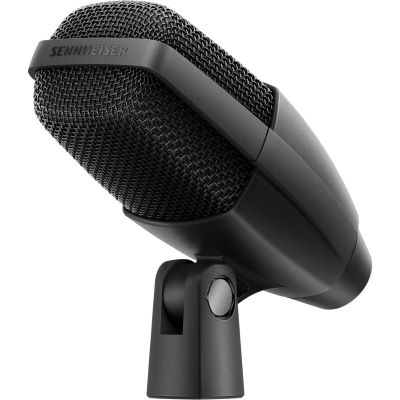
Kick, snare and toms benefit from microphones designed to cope with high sound levels at short distance. Cymbals and the overall drum image are frequently captured using condenser overhead microphones.

Wind Instruments

Clip-On or Stand Microphone

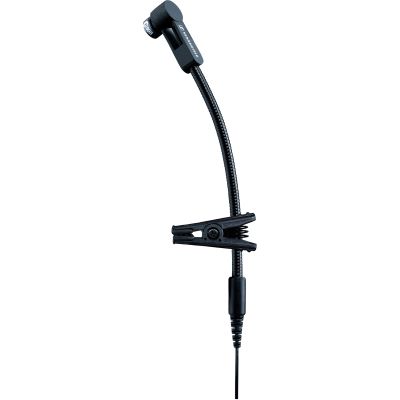
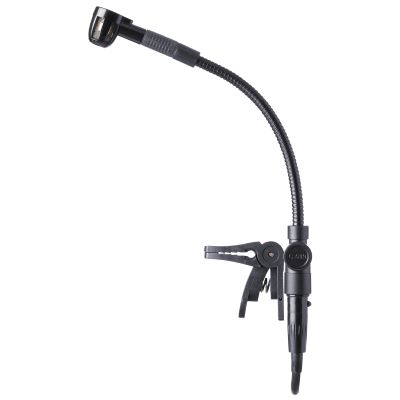
A clip microphone maintains a nearly constant distance while the musician moves. For more natural studio recording, a microphone on a stand gives greater freedom to adjust distance and capture the complete instrument.

Quick decision: large-diaphragm condenser microphones are a versatile starting point for vocals in a controlled room. Dynamic microphones are especially practical for close speech and loud sources. Small-diaphragm microphones should be considered for acoustic instruments, overheads and stereo recording.

Technology Explained Clearly

Dynamic, Condenser or Specialist Microphone?

Microphone construction influences sensitivity, handling and typical applications. The actual sound source and recording environment remain the deciding factors.

Robust

Dynamic Microphones

Dynamic microphones are robust, straightforward and well suited to high sound levels. Typical applications include live vocals, guitar amplifiers, snare, toms, wind instruments and close podcast or speech recording.

Conventional passive dynamic microphones do not require phantom power.

Detailed

Condenser Microphones

Condenser microphones capture subtle detail and quiet components particularly well. They are therefore widely used for studio vocals, acoustic instruments, piano, overheads and room recording.

Many XLR condenser microphones require phantom power from an audio interface, mixer or microphone preamp.

Special Applications

Ribbon, Clip, Lavalier & Boundary Mics

Ribbon microphones offer another tonal approach for sources such as guitar amplifiers and wind instruments. Clip, lavalier, headset, boundary and gooseneck microphones solve specialised positioning tasks.

Choose these designs because they solve a specific recording or performance problem rather than simply because they are different.

Polar Pattern

Which Directionality Is Useful?

Cardioid is an extremely versatile starting point because the microphone favours sound arriving from the front. Supercardioid and hypercardioid patterns provide more focused pickup but require more precise positioning.

Omnidirectional microphones capture much more of the surrounding room and become particularly useful when the acoustic space should intentionally become part of the recording.

Power Supply

When Is 48 V Phantom Power Required?

Many XLR condenser microphones receive their operating voltage through the microphone cable. Check the technical specifications of the particular model and make sure the connected audio interface or preamp provides the required phantom power.

Useful order for choosing: define the sound source, room, desired microphone distance and number of simultaneous signals first. Then select microphone type, polar pattern and individual model.

Practical Comparison

Which Microphone Type Fits Which Sound Source?

Sound Source Good Starting Point Alternative Typical Quantity
Studio Vocals Large-diaphragm condenser Dynamic broadcast microphone 1
Podcast / Speech Dynamic microphone Large diaphragm or USB 1 per speaker
Acoustic Guitar Small-diaphragm condenser Large-diaphragm condenser 1–2
Guitar Amplifier Dynamic instrument microphone Ribbon or condenser 1–2
Piano / Grand Piano Condenser pair Single large-diaphragm microphone 1–2+
Compact Drum Setup Kick + snare + stereo overheads Minimal one- or two-microphone setup 4
Detailed Drum Setup Close microphones + overheads Additional room microphones 8+
Saxophone / Trumpet Clip or directional stand microphone Small diaphragm in the studio 1
Ensemble / Stereo Matched condenser pair Spot microphone plus room signal 2+
Do Not Use More Microphones Than Necessary

How Many Microphones Do You Need at the Same Time?

Every additional microphone requires its own input, cable and useful position. More channels create more control, but they also increase the work involved in gain staging, phase relationships and mixing.

1 Microphone

Solo

One good microphone is often completely sufficient for vocals, voice-over, solo podcasting or one acoustic instrument.

2 Microphones

Two Sources or Stereo

Voice plus instrument, two interview guests or a stereo microphone pair require two separate microphone inputs.

4 Microphones

Small Ensemble or Compact Drums

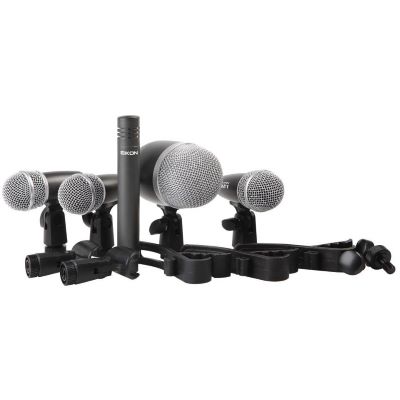
Four channels can record two singers plus two instruments or a compact drum setup consisting of kick, snare and two overheads.

8+ Microphones

Multitrack Production

Detailed drums and complete bands quickly require eight or more microphones. Interface inputs, preamps, microphone stands and cables need to grow accordingly.

Stereo always needs two channels: a matched small-diaphragm pair for acoustic guitar, piano, overheads or ensemble recording already occupies two microphone preamps on the audio interface.

The Room Is Part of the Recording

Why the Recording Environment Changes Your Microphone Choice

A microphone captures more than the desired sound source. Reflections from walls, floors, ceilings and windows, together with computers, ventilation and outside noise, can also become part of the recording.

  • Move closer to the microphone for speech in a reverberant room.
  • Aim directional microphones away from unwanted noise sources where possible.
  • Test whether the room or microphone is actually the main problem before buying replacement equipment.
  • Optimise microphone position on acoustic instruments before applying strong EQ.
  • With several microphones, listen for timing and phase problems.
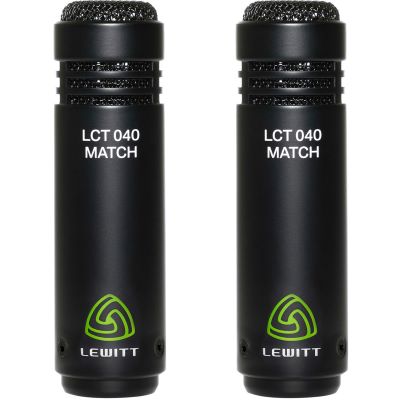
Lewitt LCT 040 MATCH matched stereo microphone pair for acoustic instruments overheads and ensemble recording
Two microphones create additional possibilities for stereo recording, but also introduce timing and phase relationships that need to be considered.
Examples from the Current Shop Range

21 Microphone Solutions for Different Recording Tasks

These models illustrate different approaches to vocals, speech, podcasting, acoustic instruments, stereo recording, amplifiers, drums and wind instruments.

Vocals, Speech & Large Diaphragm

Six Microphones for Voice and Studio Recording

Podcast, Streaming & USB

Four Solutions for Desktop Recording

Acoustic Instruments, Overheads & Stereo

Three Small-Diaphragm Solutions

Guitar Amps, Drums & Loud Instruments

Five Robust Recording Solutions

Wind Instruments & Mobile Pickup

Three Clip-On Solutions for Stage and Performance

All Important Microphone Worlds

Microphone Categories for Different Applications

Recording, live performance, presentation and installation sometimes require very different microphone designs.

Vocals

Vocal Microphones

For stage vocals, rehearsals, speech and amplified vocal performance.

Recording

Studio Microphones

Condenser and recording solutions for voices, instruments, stereo and room recording.

Direct to Computer

USB & Podcast Microphones

Direct computer connection for podcasting, streaming, lessons and content production.

Instruments

Instrument Microphones

Microphones for guitar amplifiers, percussion, drums, wind instruments and specialist sources.

Brass & Woodwind

Wind-Instrument Microphones

Clip-on and stand-based solutions for saxophone, trumpet, trombone, clarinet and related instruments.

Wireless

Wireless Microphone Systems

Wireless operation for stage performance, presentations and mobile applications.

Discreet Speech

Lapel Microphones

Compact speech pickup for video, moderation, interviews and presentations.

Hands-Free

Headset Microphones

Keep a nearly constant distance to the mouth while leaving both hands free.

Table & Room

Boundary Microphones

Specialist microphones for conference, room pickup and particular instrument positions.

Installation

Gooseneck Microphones

For lecterns, announcements, communication and fixed installations.

The Complete Signal Path

What Else Do You Need with the Microphones?

Audio Interface

One Preamp per XLR Microphone

XLR microphones require suitable microphone inputs. The number of microphone preamps must correspond to the number of microphones used simultaneously.

Position

Microphone Stands

Stable and reproducible microphone positioning is more useful than constantly trying to correct a poor position with EQ.

Mounting & Protection

Shock Mounts, Pop Filters & Wind Protection

Shock mounts, clips, pop filters and windscreens help reduce mechanical or speech-related noise and make positioning easier.

Recording Monitoring

Studio Headphones

Closed-back headphones are especially useful while recording because they reduce the amount of playback sound entering sensitive microphones.

Manufacturer Worlds

Microphone Manufacturers at Musikhaus Korn

The microphone range includes classic dynamic instrument microphones, studio condenser microphones, broadcast systems, wireless equipment and USB solutions.

Better Recordings Without Automatically Buying More Gear

The Most Common Microphone Selection Mistakes

Mistake 01

Ignoring the Room

A highly sensitive microphone also captures reflections and unwanted noises accurately. The room therefore needs to be considered as part of microphone selection.

Mistake 02

Recording from Too Far Away

With speech, increasing the microphone distance generally also increases the amount of room sound. Better positioning can make a greater difference than immediately buying a more expensive microphone.

Mistake 03

Using Too Many Microphones

Additional microphones do not automatically improve quality. They require more inputs and can introduce bleed, timing differences and phase problems.

Mistake 04

Forgetting the Connections

XLR, USB, phantom power, wireless adapters and audio interfaces need to be technically compatible before recording begins.

Frequently Asked Questions

Answers About Choosing Microphones for Recording

Which microphone do I need for vocals?

A large-diaphragm condenser microphone is a versatile starting point for studio vocals. In a reverberant room, for very powerful voices or for close broadcast recording, a dynamic microphone can be the more practical alternative.

Is a dynamic or condenser microphone better?

Neither type is fundamentally better. Condenser microphones capture a high level of detail and are widely used in studios. Dynamic microphones are robust and work particularly well for close speech, amplifiers, drums and many live applications.

Which microphone is suitable for a podcast at home?

In a room with limited acoustic treatment, a dynamic microphone used at a short speaking distance can be particularly practical. A USB microphone provides an especially simple setup without a separate audio interface.

Which microphone is suitable for acoustic guitar?

A small-diaphragm condenser microphone is a classic starting point. Instead of pointing directly into the sound hole, try several positions around the transition between neck and body.

Which microphone should I use for a guitar amplifier?

Dynamic instrument microphones are a straightforward solution. Small changes in position between the centre and edge of the loudspeaker can noticeably change treble, midrange and overall directness.

How many microphones do I need for drums?

A drum recording can begin with a single microphone. Four channels with kick, snare and two overheads provide a flexible home-studio setup. Separate toms, hi-hat and room microphones quickly increase the requirement to eight channels or more.

Do I need two microphones for stereo recording?

Classical stereo microphone techniques normally use two microphones and two separate microphone preamps or interface inputs. Matched pairs are designed specifically for this type of application.

When do I need 48 V phantom power?

Many XLR condenser microphones require phantom power. Check the technical specification of the microphone. The connected audio interface or microphone preamp must provide the required supply.

Is a USB microphone worse than an XLR microphone?

Not inherently. USB microphones are convenient because the necessary audio electronics are already integrated. XLR systems provide greater flexibility when several microphones, different preamps or a growing studio are planned.

Which microphone is suitable for saxophone or trumpet?

A clip microphone is practical on stage because its distance remains consistent while the player moves. In the studio, a microphone on a stand provides more freedom to adjust distance, angle and the amount of natural room sound.

Does every musician need a separate microphone?

Only when the individual sources need independent control and processing. Ensembles can also be captured with a stereo pair or a small number of main microphones. Individual microphones provide greater control during mixing but increase complexity.

Give Every Microphone a Clear Job

Which Microphones Do You Need? | Musikhaus Korn

The right microphone choice begins with the sound source. Large-diaphragm condenser microphones are a versatile starting point for detailed vocals and speech. Dynamic microphones are particularly useful for loud instruments, guitar amplifiers, drums and many podcast or broadcast applications.

Small-diaphragm condenser microphones are especially interesting for acoustic instruments, percussion, overheads, piano and stereo recording. Specialist clip microphones are useful when musicians need freedom of movement or a constant microphone distance.

The required quantity comes next. A solo recording can use one microphone, while voice plus instrument or a stereo recording already requires two separate channels. Detailed drum and band productions can require eight microphones or more.

Plan the microphone and audio interface together. Consider the recording room, desired freedom of movement, polar pattern, phantom power, microphone stands, accessories and monitoring. This creates a recording system in which every microphone performs a specific task.

Next Step in Your Recording Setup

Plan Microphones, Interface and Monitoring Together

A recording setup works best when microphones, available inputs, headphones, monitors and accessories are chosen as one complete signal chain. Find further step-by-step buying advice in the central Musikhaus Korn guide.