
Musikhaus Korn Microphone Guide
Which Studio Microphone Is Right for Me? Record Vocals & Instruments Properly
Large or small diaphragm? Condenser or dynamic? Cardioid or a microphone with several polar patterns? The right studio microphone depends on the sound source, your room, the desired sound character and the way you intend to position the microphone.
Vocals & Voice
Acoustic Instruments & Drums
Podcast, Guitar Amp & Stereo Recording
Related Microphone and Recording Topics
Studio Microphone Quick Facts
Start with the Sound Source
What Do You Want to Record?
The intended application is the quickest way to narrow down the choice. Different microphone designs have different strengths for voices, acoustic instruments, loud amplifiers and simple desktop recording.
Large-Diaphragm Condenser
A cardioid large-diaphragm condenser microphone is a common starting point for lead vocals, voice-over and many other studio voice recordings.
Small-Diaphragm Condenser
Small-diaphragm microphones are often chosen when precise transients and detailed instrument reproduction are important, for example on acoustic guitar, percussion or overheads.
Dynamic Microphone
Dynamic microphones are a strong alternative for guitar amplifiers, drums, powerful vocals and other close-miked or high-level sound sources.
USB Microphone
A USB microphone combines the microphone and digital audio connection in one device and can be practical when only one microphone needs to be connected directly to a computer.
Important:
no single microphone is automatically the best choice for every
voice or instrument. Use microphone design and polar pattern as
a first filter, then consider the sound source, room, microphone
position and the tonal character you want.
Construction & Diaphragm Size
Condenser or Dynamic – Large or Small Diaphragm?
These terms describe different aspects of a microphone. Condenser and dynamic refer to the transducer principle, while large and small diaphragm describe the diaphragm class.
Condenser Microphones
Condenser microphones are widely used for detailed vocals, acoustic instruments, drum overheads, room microphones and other traditional studio applications.
Many XLR condenser microphones require phantom power from an audio interface, mixer or microphone preamp.
Dynamic Microphones
Dynamic studio microphones are frequently used for speech, powerful vocals, guitar amplifiers, drums and loud sources.
Models with comparatively low output level can require a microphone preamp with sufficient clean gain reserve.
Large or Small?
Large-diaphragm microphones are a common starting point for vocals and all-round studio use. Small-diaphragm microphones are particularly interesting for accurate transient response, acoustic instruments, overheads and stereo techniques.
When Does Self-Noise Matter?
Microphone self-noise becomes more relevant with quiet sound sources, greater microphone distance or recordings that will later be compressed strongly.
With loud guitar amplifiers or other high-level sources, self-noise is normally much less critical.
Where Should You Start?
For vocals and an all-round studio microphone, first look at large-diaphragm models. For acoustic instruments, overheads and stereo recording, also consider small diaphragms.
For loud close-miked sources or a problematic recording room, a suitable dynamic microphone can also be an excellent choice.
48 V does not mean “better sound”:
phantom power is simply the required electrical supply for many
XLR condenser microphones. Use it only when the connected microphone
requires it.
What Does the Microphone Hear?
Which Polar Pattern Is Right for Your Recording?
The polar pattern determines from which directions a microphone responds most strongly. This influences room sound, separation between sources and practical microphone positioning.
Cardioid
Cardioid microphones mainly pick up sound from the front and reduce sound arriving from the rear. This makes cardioid a practical starting point for vocals and many instruments.
Omnidirectional
Omni microphones pick up sound from all directions and can work particularly well in good-sounding rooms, with ensembles or when a natural sense of space is desired.
Figure-8
A figure-8 microphone is sensitive at the front and rear while rejecting sound from the sides. This can be useful for duet recording and M/S stereo techniques.
Supercardioid & Hypercardioid
These patterns provide stronger side rejection than cardioid. Their rear sensitivity must be considered carefully when positioning the microphone.
Application Comparison
Which Microphone Type Is a Good Starting Point?
This table provides practical starting points rather than rigid rules. Microphone placement, the source and the room can change the result substantially.
| Sound Source | Good Starting Point | Polar Pattern | What to Consider |
|---|---|---|---|
| Lead Vocals | Large-diaphragm condenser | Cardioid | Voice, room and pop filter |
| Podcast / Voice-Over | Large-diaphragm condenser or dynamic | Cardioid | Proximity and room noise |
| Acoustic Guitar | Small- or large-diaphragm condenser | Cardioid | Position between neck and body |
| Drum Overheads | Matched small-diaphragm pair | Cardioid | Stereo spacing and phase |
| Guitar Amplifier | Dynamic or condenser microphone | Cardioid | Sound pressure and position |
| Piano / Ensemble | Stereo pair or multi-pattern microphone | Depends on technique | Room and stereo image |
The Room Is Part of the Recording
Why Your Room Influences the Microphone Choice
A sensitive studio microphone does not only capture the voice or instrument. It also hears reflections, computer fans, traffic and other background sounds in the room.
In a controlled or pleasantly sounding room, greater distance, omnidirectional patterns or room microphones can be used creatively.
In a strongly reflective room, a directional microphone placed closer to the source may make the direct signal easier to control. For close speech, a suitable dynamic microphone can also be a practical option.
Before changing microphones, experiment with position. Small changes in distance, angle and height can alter treble, bass, room ambience and proximity effect significantly.
Before buying a second microphone:
try moving the existing microphone a few centimetres, changing
its angle or adjusting the distance from the source. Positioning
can make a substantial tonal difference.
Vocals, Speech & All-Round Recording
All Large-Diaphragm Microphones
Large-Diaphragm Studio Microphones
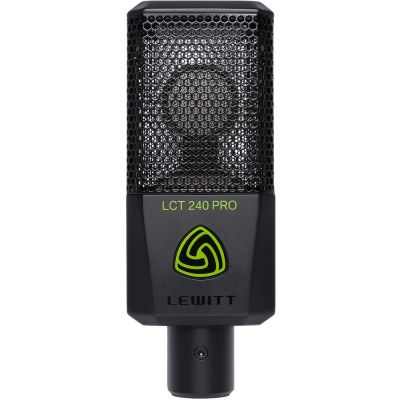
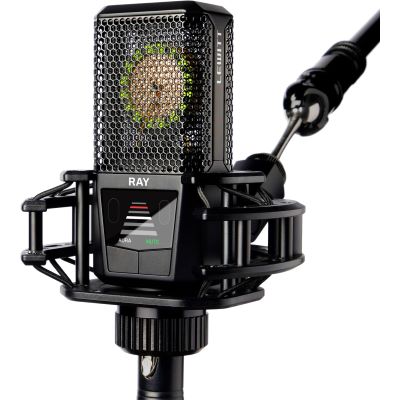
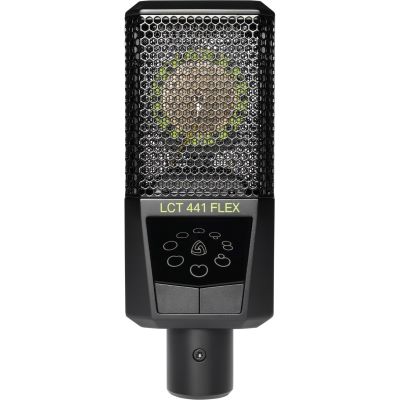
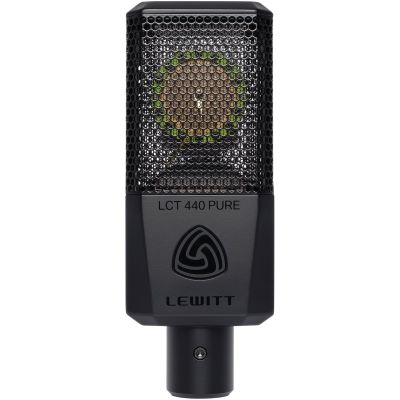
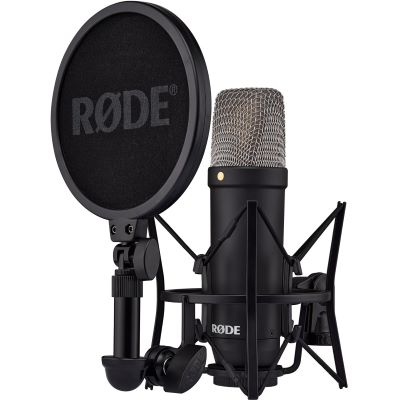
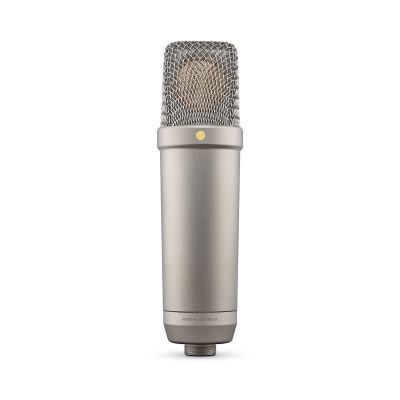
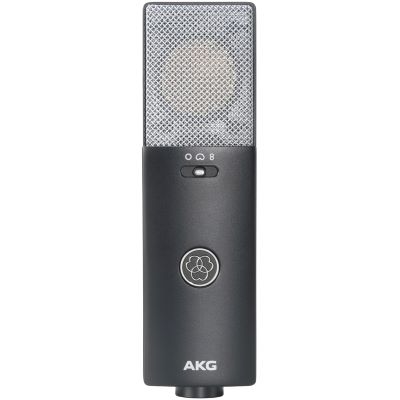
Large-diaphragm condenser microphones are a classic starting point for vocals, voice-over and versatile home-studio recording. Some models provide one fixed cardioid pattern, while others offer several selectable polar patterns.
Large Diaphragm
Lewitt
LCT 240 PRO Black
View Product
Vocals & Speech
Lewitt
RAY
View Product
Multi-Pattern
Lewitt
LCT 441 FLEX
View Product
Lewitt
LCT 440 PURE
View Product
Rode
NT1 Signature Black
View Product
Rode
NT1 5th Generation
View Product
Shure
SM4
View Product
AKG
C114
View Product
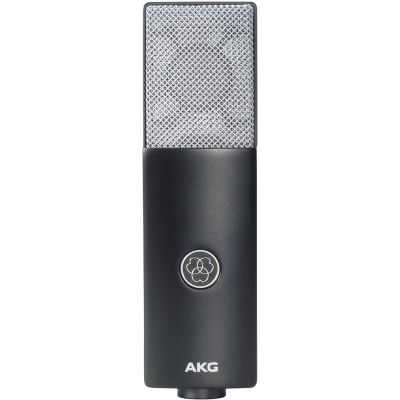
AKG
C104
View Product
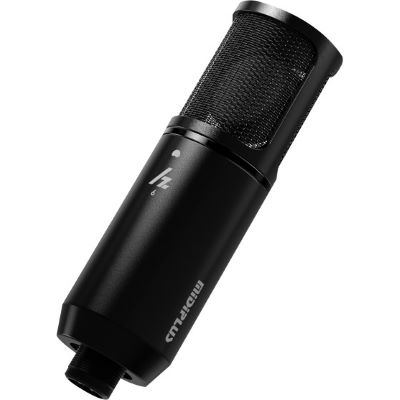
MIDIPLUS
Hz6
View Product
Instruments, Overheads & Stereo
All Small-Diaphragm Microphones
Small-Diaphragm Studio Microphones
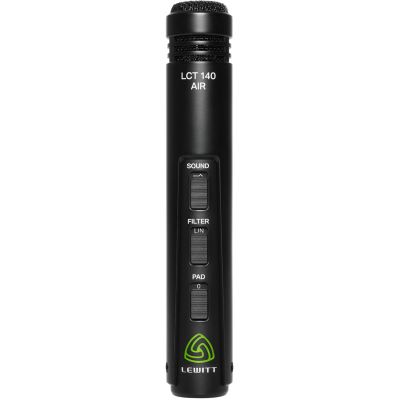
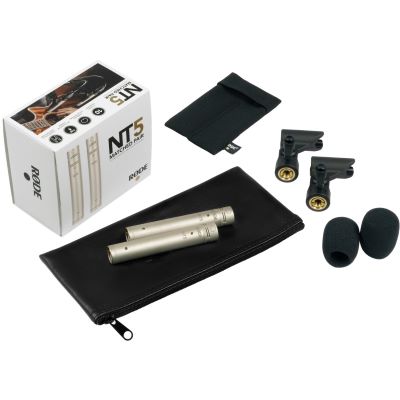
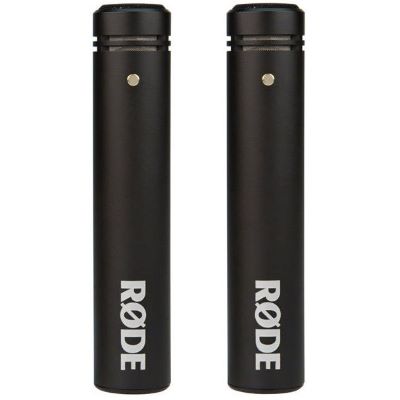
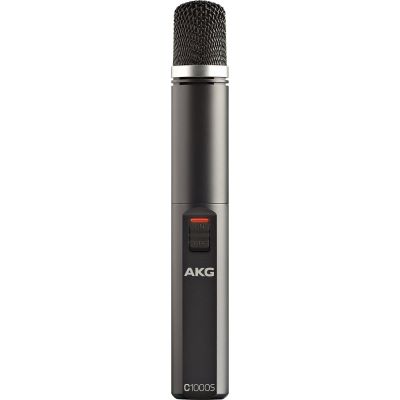
Small-diaphragm condensers are popular for acoustic instruments, drum overheads, percussion, piano and stereo techniques where accurate transient response and consistent instrument detail are important.
Stereo Pair
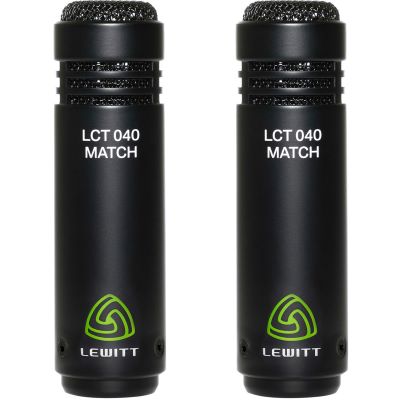
Lewitt
LCT 040 MATCH Stereo Pair
View Product
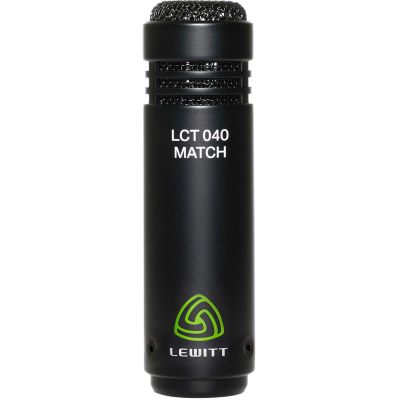
Lewitt
LCT 040 MATCH
View Product
Lewitt
LCT 140 AIR
View Product
Stereo Set
Rode
NT5 MP Stereo Set
View Product
Matched Pair
Rode
M5 MP
View Product
AKG
C1000S
View Product
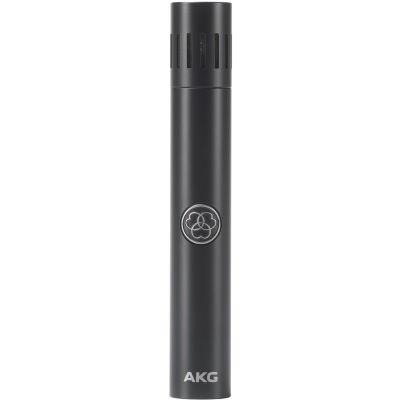
AKG
C151
View Product
Stereo Pair
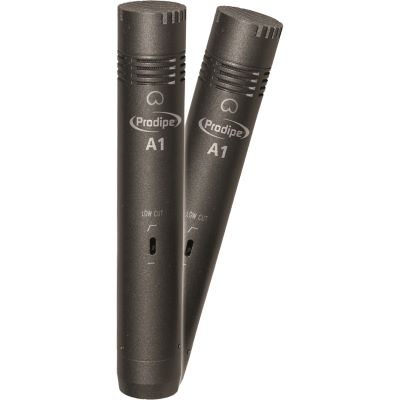
Prodipe
Duo A1
View Product
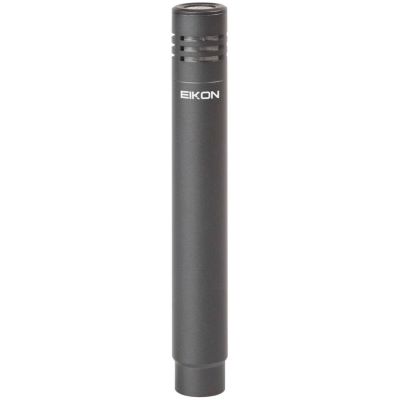
Eikon
CM602
View Product
Useful Alternatives
Dynamic & USB Microphones for Studio Applications
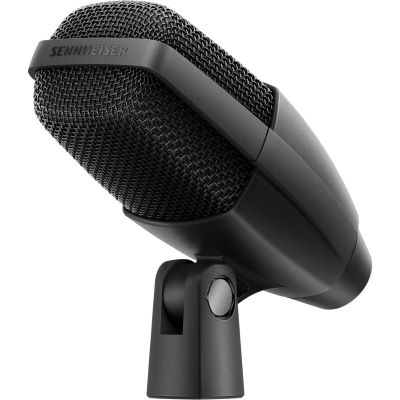
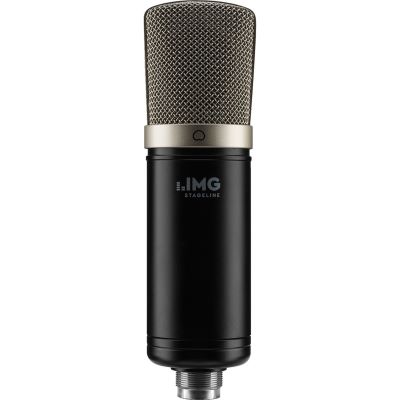
A condenser microphone is not always the most practical solution. Dynamic models can work particularly well with close speech, powerful vocals, drums and guitar amplifiers, while USB microphones simplify a one-microphone computer setup.
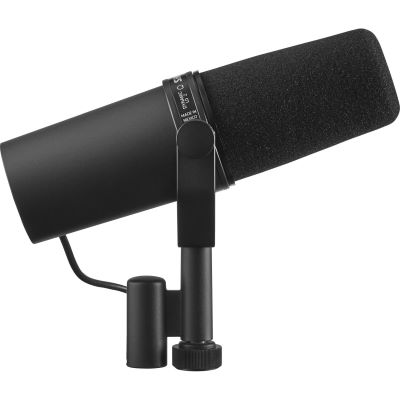
The Complete Recording Chain
Useful Accessories for Studio Microphones
Stable positioning, mechanical isolation, plosive protection and the correct XLR signal path are just as important as choosing the microphone itself.
Microphone Stand
A stable stand keeps microphone distance and angle consistent and makes precise positioning much easier.
Pop Filter
A pop filter helps reduce strong plosive air blasts when recording vocals, speech and voice-over at close distance.
Shockmount
A shockmount can reduce mechanical vibrations and structure-borne noise transmitted through the microphone stand.
Microphone Cable
A suitable XLR microphone cable is required for the traditional connection between an XLR studio microphone and an audio interface or microphone preamp.
Choosing Between Two Microphones?
The Source, Room and Existing Recording Setup Matter
If two microphones appear technically similar, the better choice can depend more on your voice or instrument, the acoustics of the room, your existing audio interface and the sound character you prefer than on one isolated specification.
Guide updated: 18 August 2026.
Manufacturer Worlds
Studio Microphone Brands at Musikhaus Korn
Explore condenser, dynamic and specialist microphones directly in the manufacturer worlds of established microphone brands.







Microphones in Practice
Related Recording & Microphone Guides
Continue with application-specific guides for guitars, drums, wind instruments and string instruments.
Guitar Recording at Home
Learn about direct recording, amp microphones, acoustic guitar recording and complete guitar signal chains.
Recording Drums
Plan kick, snare, overhead and multichannel microphone setups for acoustic drums.
Microphones for Wind Instruments
Find suitable microphone types and positions for saxophone, trumpet and other wind instruments.
Pickups & Mics for String Instruments
Compare microphones and pickup solutions for string instruments in recording and amplification.
Frequently Asked Questions
Answers About Choosing a Studio Microphone
The most important questions about vocals, diaphragm size, microphone design, phantom power, polar patterns, acoustic guitar, drums, USB and room acoustics.
Which Studio Microphone Is Good for Vocals?
A cardioid large-diaphragm condenser microphone is a common starting point for studio vocals. A dynamic microphone can also be a good choice for powerful voices or a recording room that is difficult to control.
Large or Small Diaphragm – Which Is Better?
Neither type is automatically better. Large-diaphragm microphones are frequently used for vocals and all-round studio work. Small-diaphragm microphones are particularly popular for precise instrument recording, overheads and stereo techniques.
Condenser or Dynamic Microphone for a Home Studio?
A condenser microphone can capture a high level of detail, but it also reproduces more of the room. In a less controlled room, a suitable dynamic microphone used relatively close to the source can sometimes be easier to work with.
Does a Studio Microphone Always Need 48 V?
No. Many XLR condenser microphones require 48 V phantom power, while conventional dynamic microphones normally do not. Always check the requirements of the specific microphone.
Which Polar Pattern Is Good for a Small Room?
Cardioid is often the easiest starting point because it reduces sound arriving from behind the microphone. Nevertheless, microphone distance, orientation and the acoustic properties of the room remain important.
Which Microphone Is Suitable for Acoustic Guitar?
A small-diaphragm condenser is a common starting point, but a large-diaphragm microphone can also work very well. Experiment with positions between the neck joint and the body rather than automatically pointing directly at the sound hole.
Which Studio Microphones Are Suitable for Drums?
Drum recording normally uses a combination of microphones. Small-diaphragm condensers are common for overheads, while suitable dynamic or condenser microphones can be used on individual drums.
USB or XLR Studio Microphone?
A USB microphone is a simple solution for one workstation and one main microphone. An XLR setup is more flexible because the microphone, audio interface or preamp can be selected and upgraded independently.
Is an Expensive Microphone Automatically Better for My Voice?
No. The tonal match between microphone and voice, the room, the microphone position and personal sound preferences can be more important than price alone.
Do I Need an Acoustically Treated Room?
A professionally treated room is not mandatory for recording, but room reflections are part of the captured signal. Better positioning and control of strong reflections can noticeably improve the result.
The Choice Summarised
Which Studio Microphone Is Right for Me?
Choosing the right studio microphone begins with the sound source. For vocals and voice-over, a large-diaphragm condenser microphone with cardioid pickup is a common starting point. For acoustic guitar, overheads, piano and precise stereo recordings, small-diaphragm condenser microphones are particularly interesting.
Dynamic microphones should also be considered for speech, powerful vocals, guitar amplifiers and drums. They can be especially practical for close-miking loud sources or when room reflections should play a smaller role in the recording.
In addition to the microphone type, consider the polar pattern, room acoustics and your existing recording equipment. Many XLR condenser microphones require 48 V phantom power from an audio interface or microphone preamp. USB microphones, by contrast, can connect directly to a compatible computer.
Do not choose a microphone only by specifications. Compare the design, listen to its tonal character where possible and experiment with distance, angle and position. These practical factors can change the recorded sound considerably.
More Buying Advice
From the Studio Microphone to a Complete Recording Setup
Discover more Musikhaus Korn guides about microphones, audio interfaces, guitar and drum recording, studio monitors, headphones and complete recording setups.