Musikhaus Keks
Welcome!
Our cookies offer you a fast, relaxed and full-featured shopping experience. Some are necessary to operate the website and its functions. Others help us to improve our services. If you agree to this, simply consent to the use of cookies for preferences, statistics and marketing by clicking on "OK". Alternatively, you can deactivate individual cookies under "Customise cookies" or all cookies, except those required for the function of our website, under "Reject all".
Musikhaus Korn Guide

Active or Passive Speakers?

Active speakers have their amplification built directly into the speaker cabinet, while passive speakers require a separate power amplifier. Which solution is better therefore depends less on the basic sound principle and more on transport, cabling, expandability, installation and your complete PA system.

Mobile PA & fixed installation Power amplifiers & impedance explained Compare active & passive systems
The quick decision

When Does Active Make Sense and When Does Passive?

For many mobile musicians, DJs, small bands and event organisers, active speakers are particularly straightforward. Passive systems show their strengths when amplification is to be located centrally in a rack, the speaker cabinets should remain as simple as possible, or a larger system is being planned in detail.

Active Speakers

Easy to Connect and Flexible to Use

A suitable power amplifier is already installed inside the cabinet. Many models additionally offer DSP, limiters, EQ presets, microphone or line inputs and, in some cases, Bluetooth or integrated mixer functions.

  • No separate PA power amplifier required
  • Amplification is matched to the speaker system
  • Fast setup for mobile applications
  • Each top requires mains power and an audio signal
  • Easy to use alone or expand with active subwoofers
Passive Speakers

Centralise Amplification and Distribute Speakers Flexibly

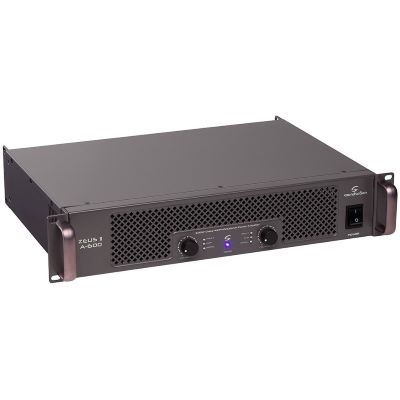
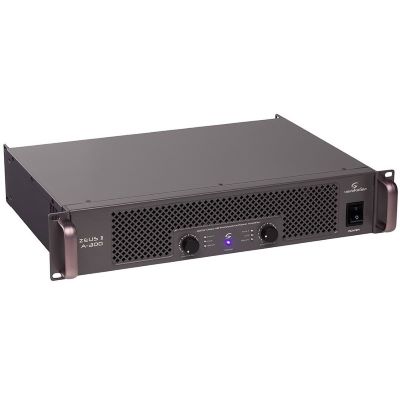
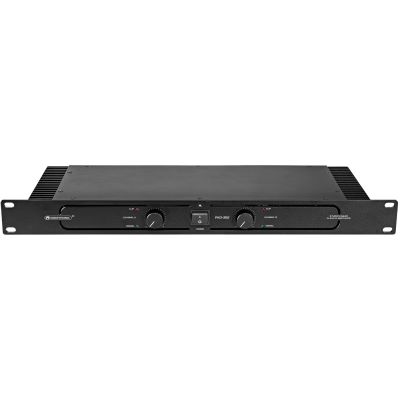
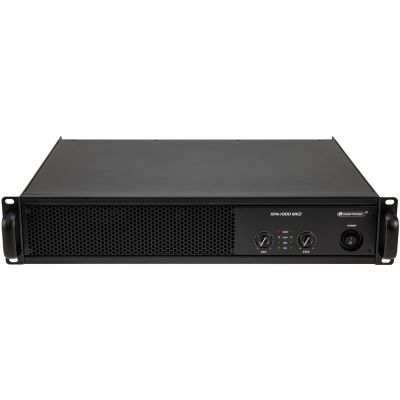
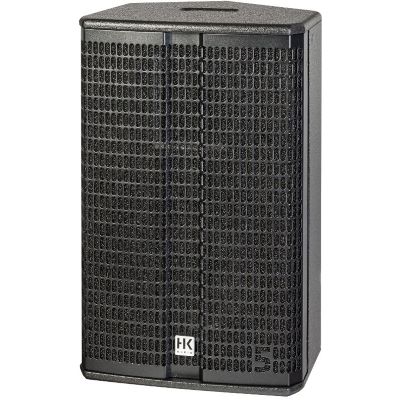
Passive speakers do not contain their own power amplifier. The amplified loudspeaker signal comes from a separate power amplifier or powered mixer. Amplifier output and impedance must match the loudspeaker system.

  • No mains cable required directly at the speaker
  • Power amplifiers can be installed centrally in a rack
  • Speaker cabinets are often technically simpler
  • The amplifier can be replaced independently of the speaker
  • System planning requires more technical understanding

For a straightforward introduction: if you are looking for two speakers for DJing, vocals, keyboards, a small band or mobile events and want as little additional equipment as possible, active speakers are usually the simpler starting point.

Direct system comparison

Active and Passive PA Speakers Compared

The most important practical differences at a glance. On smaller screens, the table can be scrolled horizontally.

Feature Active Speaker Passive Speaker
Power amplifier Integrated into the speaker External amplifier required
Mains power at speaker Yes Normally no
Cable to speaker Line/audio signal plus mains power Speaker cable from the power amplifier
DSP Often integrated External or integrated into controller/amplifier
Amplifier matching Matched by the manufacturer Must be selected correctly
Mobile setup Very straightforward An additional amplifier rack may be required
Fixed installation Perfectly possible Central amplification is often practical
Service Electronics and speaker in one unit Amplifier and speaker can be replaced separately
Typical applications Mobile PA, DJ, band and monitoring Installations, rental and larger system planning
The decisive technical difference

How Signal Flow and Cabling Differ

The difference between active and passive loudspeakers becomes especially clear when you look at the signal path.

Active system

Mixer → Active Speaker

A line-level signal runs from the mixer via XLR or another suitable audio connection directly to the active speaker. Internal amplifiers and signal processing then handle the remaining work.

The loudspeaker additionally requires a mains connection. In a stereo system, both the left and right speaker therefore normally need power as well as an audio signal.

Passive system

Mixer → Power Amplifier → Passive Speaker

The mixer first supplies a line-level signal to the power amplifier. The amplifier raises this signal to speaker level. Only then does a suitable speaker cable carry the amplified signal to the passive loudspeaker.

The power amplifier can be installed centrally in a rack together with other signal equipment. No mains socket is then required directly at the speaker.

Impedance

Match the Load Correctly

In a passive system, the connected load must be compatible with the power amplifier. If several loudspeakers are connected to one amplifier channel, the total impedance can change. Check the permitted values of both amplifier and speakers before wiring.

Power & headroom

Dimension the System Sensibly

A power amplifier should not be selected solely by looking for the highest wattage. Power handling, impedance, desired level and sufficient headroom belong together. The amplifier should operate the system cleanly without constantly working at its limit.

Cabling

Do Not Confuse Line and Speaker Cables

The connection between a mixer and an active speaker or power amplifier carries a line-level signal. Between a power amplifier and a passive speaker, amplified power is transmitted instead and a suitable speaker cable is required.

Choose by application

Which Concept Fits DJs, Bands, Stages and Installations?

Mobile DJ

Active tops combined with active subwoofers are particularly practical: there is no separate power amplifier, cabling is quick and the system can be expanded modularly.

Band & Rehearsal Room

Active speakers reduce the technical effort. Larger bands and permanent stages, however, can also benefit from a centrally amplified passive solution.

Club & Fixed Installation

Passive speakers can be attractive when several loudspeakers are permanently installed while the amplifiers are kept protected in a central technical room.

School, Auditorium & Church

Both concepts are possible. Fixed cable routes, ease of operation, the number of loudspeakers and whether the technical equipment should remain centrally accessible are decisive.

Rental & Event Equipment

Active systems can be deployed quickly as individual units. Passive systems allow central amplifier racks and a clear separation between loudspeakers and amplification.

Battery & Mobile Speech PA

If a system must operate without a mains connection, the practical solution is usually an active loudspeaker with an integrated battery and amplification.

The complete sound system

These Product Categories Belong to the Topic

Active or passive does not apply only to the main loudspeakers. Subwoofers, complete PA systems, monitors, power amplifiers and installation systems also follow the same basic principle.

Active

Active Speakers

Full-range PA speakers with integrated amplification.

Passive

Passive Speakers

PA loudspeakers designed for use with external power amplifiers.

Complete systems

Active PA Systems

Complete mobile sound systems with integrated amplification.

Complete systems

Passive PA Systems

PA systems designed for separate power amplification.

Bass

Active Subwoofers

Low-frequency systems with an integrated power amplifier.

Bass

Passive Subwoofers

Low-frequency loudspeakers for external amplification.

Monitoring

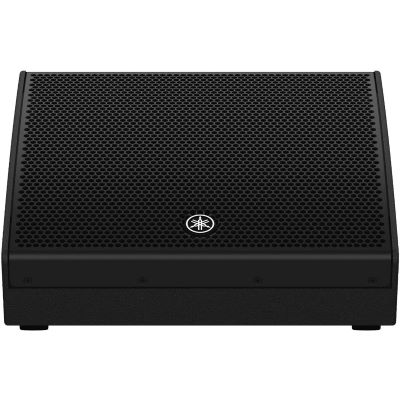
Active Stage Monitors

Monitor speakers with integrated amplification for stage use.

Accessories

PA Accessories

Stands, adapters and system accessories for PA loudspeakers.

30 matching product examples

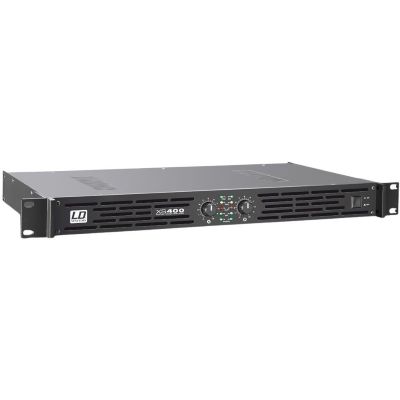
Compare Active and Passive PA Components

This selection shows current examples from several product categories. Technical specifications, supplied accessories and suitable extensions can be found on the individual product pages.

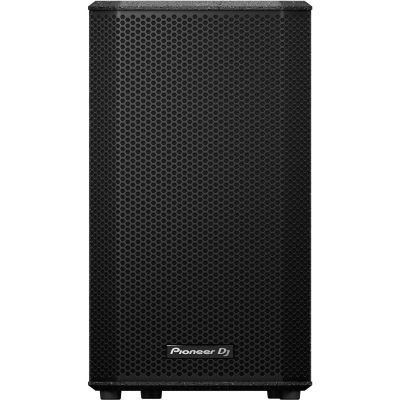
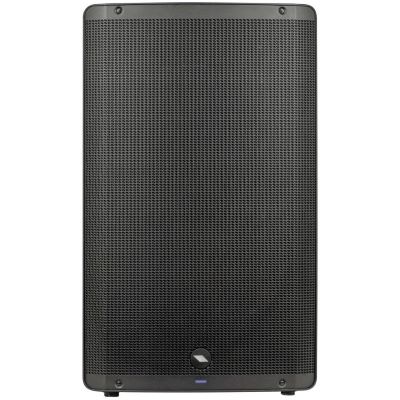
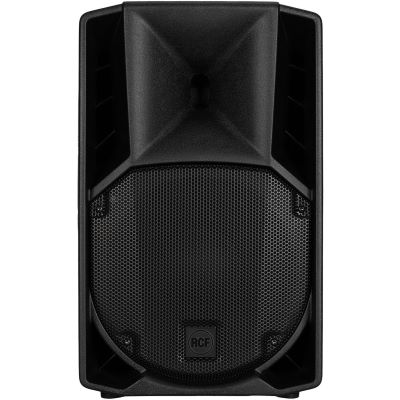
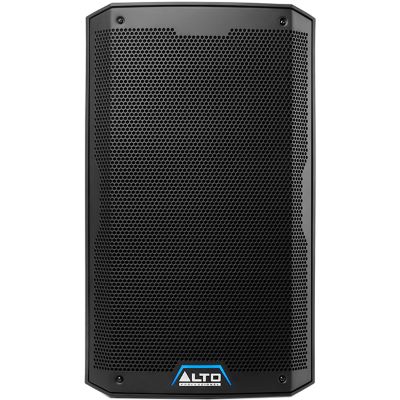
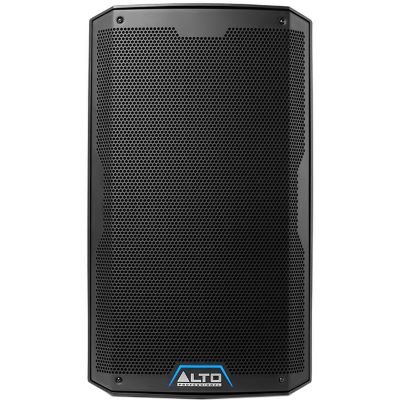
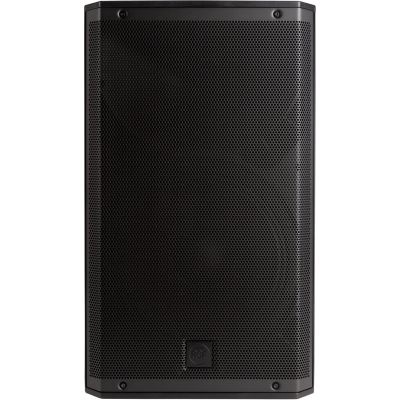
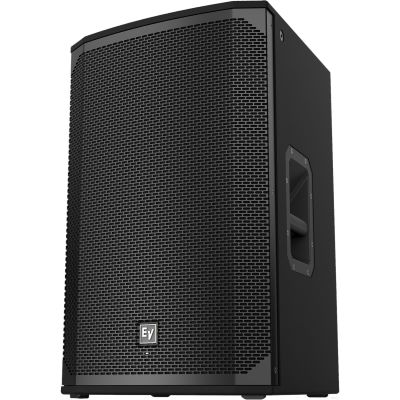
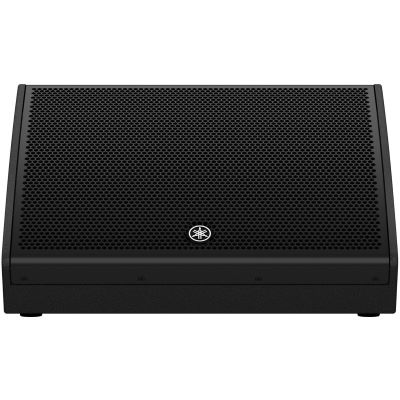
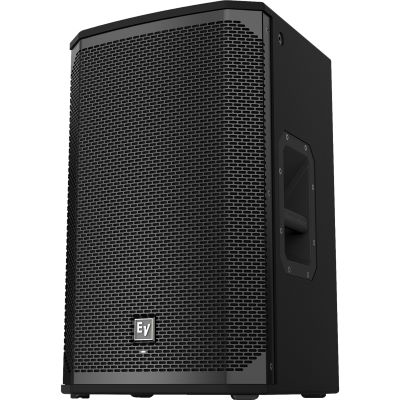
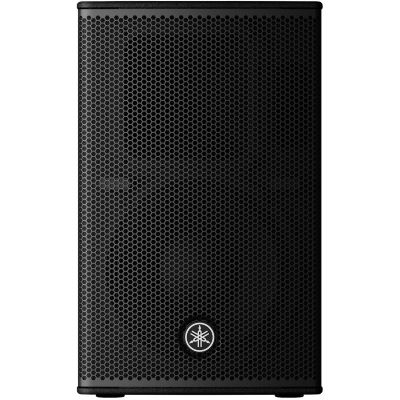
Active Speakers

Brand worlds

Manufacturers for Active and Passive Sound Reinforcement

Continue planning your setup

From Loudspeakers to the Complete Setup

Keyboard

Keyboard Amplifiers and Monitors

Learn how monitors, amplifiers and PA systems differ when reproducing keyboards and other electronic instruments.

Electronic drums

Play E-Drums Through a Monitor or PA

Find out which reproduction solution suits electronic drums at home, in the rehearsal room or on stage.

Complete PA

PA & Sound Reinforcement

Speakers, subwoofers, power amplifiers, mixers and accessories for a complete sound reinforcement system.

Frequently asked questions

Answers About Active and Passive Speakers

What is the main difference between active and passive speakers?

An active speaker contains its power amplification inside the cabinet. A passive speaker requires a separate power amplifier that amplifies the signal before it reaches the loudspeaker.

Do active speakers always sound better?

No. Both concepts can deliver very high sound quality. With an active speaker, the manufacturer can directly match the amplifier, DSP and loudspeaker components. With passive systems, the result depends more strongly on the selected combination of components.

Do I still need a mixer with active speakers?

An integrated input may be sufficient for a single microphone. As soon as several microphones, instruments or playback sources need to be combined, a separate mixer is usually useful.

Can I connect a passive speaker directly to a mixer?

Not to a normal line output. A suitable power amplifier is required between the mixer and the passive speaker. Powered mixers with integrated power amplification are an exception.

Can I connect an active speaker to a PA power amplifier?

A normal active speaker expects a line-level signal and must not simply be connected to the amplified speaker output of a power amplifier. Use the line inputs provided for this purpose.

Which solution is better for mobile DJs?

Active tops and active subwoofers are particularly practical for many mobile DJs because no separate power amplifier has to be transported or matched to the speakers.

Which solution is better for a fixed installation?

Passive speakers are attractive when the amplifiers should be installed centrally and remain easily accessible. Modern active systems can, however, also be used successfully in permanent installations.

What do I need to consider regarding impedance?

With passive systems, the total connected impedance must not fall below the permitted operating range of the amplifier. The wiring must be checked especially when several loudspeakers are operated in parallel.

Can active and passive speakers be used together?

Yes, provided the signal path is configured correctly. Active speakers receive a line-level signal and mains power, while passive speakers receive their amplified signal from a suitable power amplifier.

Are passive speakers lighter?

They can be lighter because no power amplifier is installed in the cabinet. The actual weight, however, depends greatly on the enclosure, drivers, design and output class of the specific model.

Complete PA instead of isolated components

Match the Amplifier, Speakers and Subwoofers Correctly

Particularly with passive systems, power handling, impedance, amplifier output and cabling must work together. For larger PA systems, it is worthwhile to evaluate the complete signal path rather than selecting each component independently.

Choose the right system

Active or Passive Speakers? | Musikhaus Korn

Active speakers are particularly practical if you are looking for an uncomplicated, mobile PA that can be set up quickly. Amplification and, in many cases, DSP functions are already integrated. Each speaker requires a suitable audio signal and a power supply, but you do not need to select a separate power amplifier.

Passive speakers are particularly suitable for systems in which power amplifiers are to be installed centrally or where amplification and loudspeakers are deliberately planned as separate components. Amplifier output, impedance, speaker cables and, where applicable, external controllers must then be carefully matched.

The decisive question is therefore not whether one principle is universally better, but which concept best matches your application, transport requirements, installation and future expansion plans.

More buying guides

More Knowledge About PA, Stage, DJ and Studio

Find additional comparisons, planning routes and buying guides in the central Musikhaus Korn guide world.