PA & Speakers
Even speech intelligibility is the main priority for presentations. Bands, musicals and graduation events additionally require greater output and bass headroom.

A school auditorium has to handle many different tasks: lessons and presentations in the morning, parent meetings, panel discussions, theatre productions, choir performances, school bands, graduation ceremonies and school festivals.
The event equipment therefore needs to provide clear speech, reliable music reproduction and flexible stage operation while remaining understandable for changing teachers, students and technical teams. This guide plans PA, mixer, wireless microphones, monitoring, lighting, stands, cabling and transport as one system.

Versatility is the most important requirement. A good school system should support a single teacher just as reliably as a panel discussion, choir, theatre performance, musical or school band. At the same time, everyday operation needs to remain as straightforward as possible.
Even speech intelligibility is the main priority for presentations. Bands, musicals and graduation events additionally require greater output and bass headroom.
Microphones, laptops, instruments and playback devices meet at the mixer. Clearly labelled channels make the system easier to use for different people.
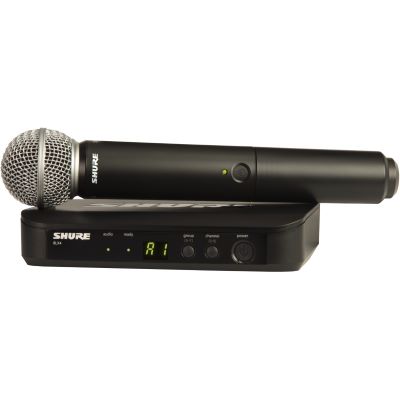
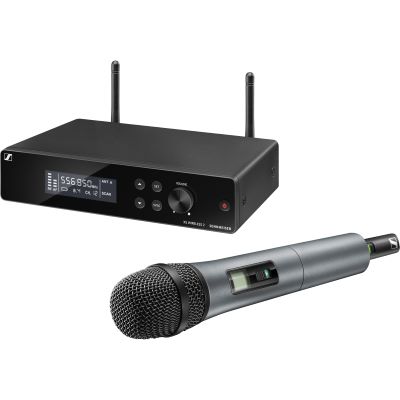
Handheld transmitters are useful for discussions, moderation and award ceremonies. Headsets suit theatre, presentations and situations where both hands must remain free.
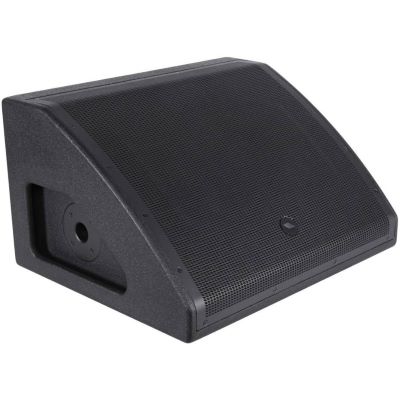
School bands, choir directors and musical performers need to hear themselves clearly. Separate monitor mixes provide control without unnecessarily increasing stage volume.
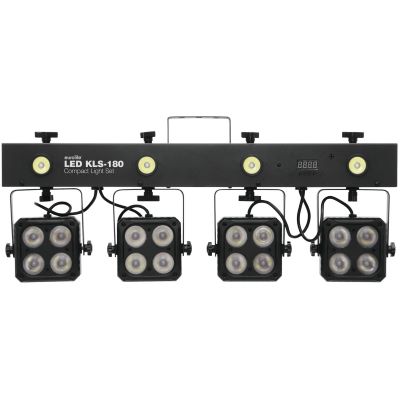
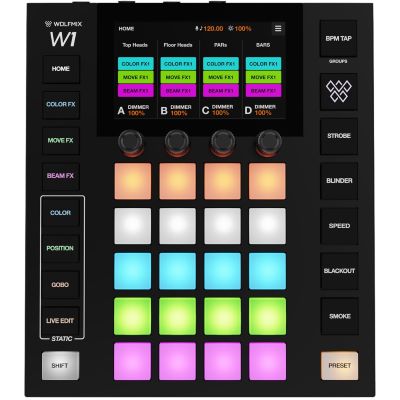
Theatre requires different lighting from a school party. A controllable basic stage-lighting system therefore provides a better foundation than party effects alone.
Cable routes should be clear, robust and as consistent as possible. Mobile setups additionally require stands, cases and appropriate cable protection.
Especially useful for schools: avoid rewiring every event from scratch. A clearly defined base setup with labelled inputs, stored settings and a few standardised operating procedures reduces errors and makes handovers between teachers, student groups and technical teams much easier.
| Application | Microphones | Mixing | PA | Expansion |
|---|---|---|---|---|
| Presentation / Parent Meeting | 1–2 wireless channels | Small mixer | Compact active speakers | Laptop playback |
| Panel Discussion | Several handheld or lavalier microphones | More inputs required | Prioritise speech intelligibility | Recording optional |
| Theatre / Musical | Headsets + handheld microphones | Digital mixer useful | Audience sound reinforcement | Stage lighting and scenes |
| Choir | Suitable choir / instrument microphones | Several microphone channels | Controlled amplification | Monitoring as required |
| School Band | Vocals + instruments | 12 or more channels possible | PA + bass headroom | Stage monitoring |
| Graduation / School Festival | Wireless + reserve | Flexible mixer | Scalable PA | Lighting, cable protection, cases |
For lectures and presentations, even speech coverage is more important than maximum sound pressure. Loudspeakers should be positioned so that as many seats as possible receive direct sound while microphones are not unnecessarily exposed to the main loudspeakers.
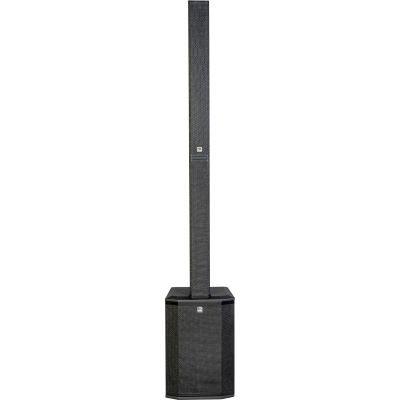
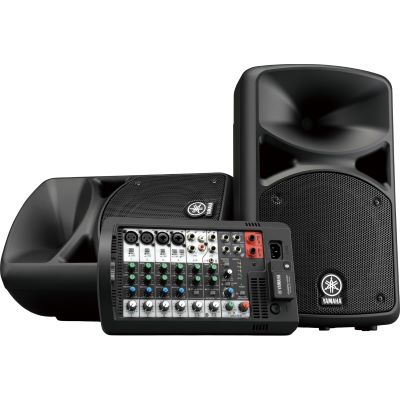
Two active loudspeakers provide a flexible solution for speech, music and smaller stage programmes. They can also be moved between different rooms when required.
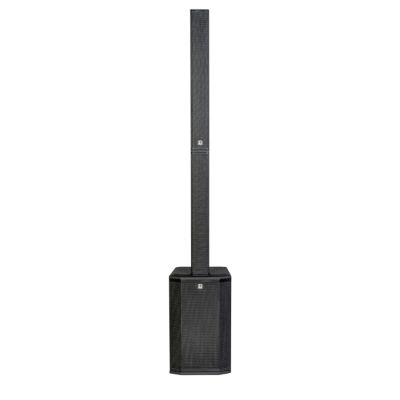
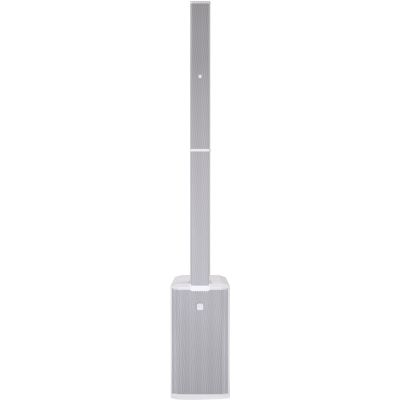
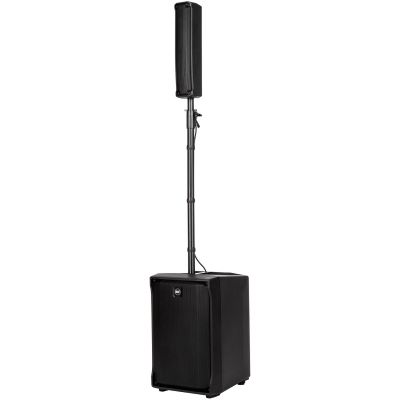
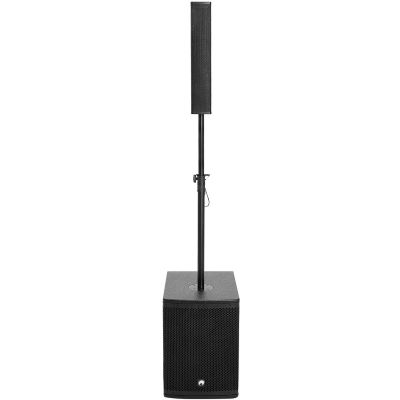
Column systems need little floor space and can be assembled quickly, making them attractive when the same school system is used in several different rooms.
In long, wide or acoustically difficult rooms, a simple two-speaker configuration can reach its limits. Permanent installations and additional loudspeaker positions should be professionally designed for the actual room.
Important for speech: louder does not automatically mean clearer. Room acoustics, loudspeaker position, microphone distance and available feedback headroom have a major influence on whether the rear rows can understand the speaker properly.
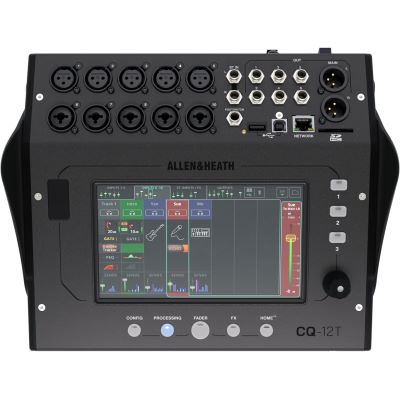
A small analogue mixer is easy to understand for presentations and a limited number of microphones. As soon as theatre, a school band and several monitor paths are added, a digital mixer provides considerably more flexibility.
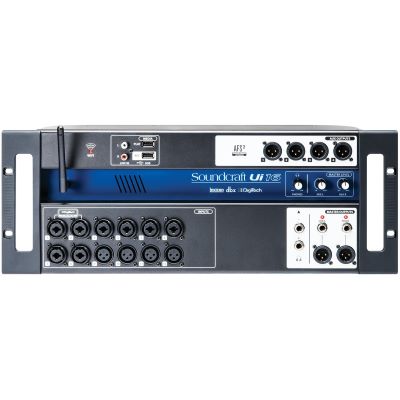
Digital mixing becomes particularly interesting in an auditorium where the same room is used for many recurring events. Settings for “Parent Meeting”, “Theatre”, “School Band” or “Graduation” can be prepared, stored and recalled later.
One universal microphone is rarely ideal for every school application. The microphone type should fit the user, the programme and the required freedom of movement.
Ideal for moderation, panel discussions, award ceremonies and changing speakers. One transmitter can be passed quickly from one person to another.
Theatre, musicals and presentations benefit from free hands and a relatively constant distance between the microphone and mouth.
Visually discreet for lectures and presentations. Position and room acoustics influence the available level before feedback.
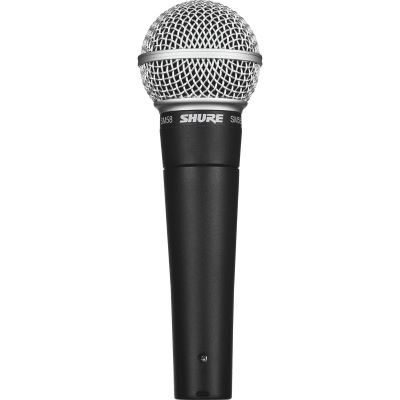
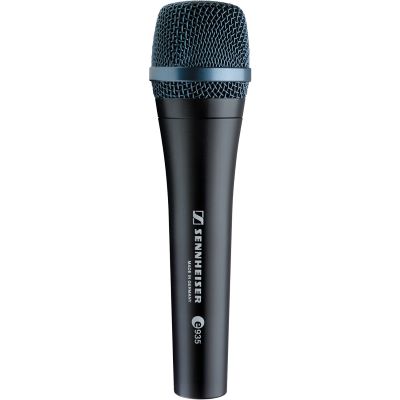
Straightforward and reliable as a fixed lectern solution or backup for wireless systems.
Singers and school bands need controlled self-monitoring. A separate monitor path can be adjusted independently of the volume heard by the audience.
Extra microphones, keyboards, laptops or guest instruments are often added at short notice. Keep free mixer inputs available.
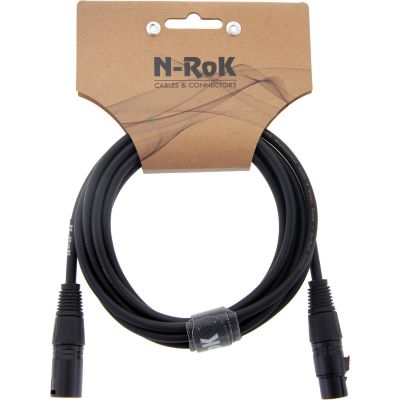
Colour-coded cables and clearly named mixer channels help student technical teams and teachers set up the system correctly and avoid accidental misconnections.
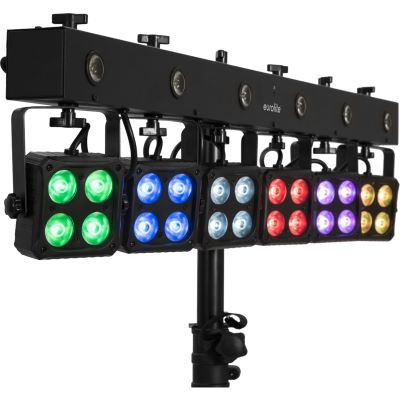
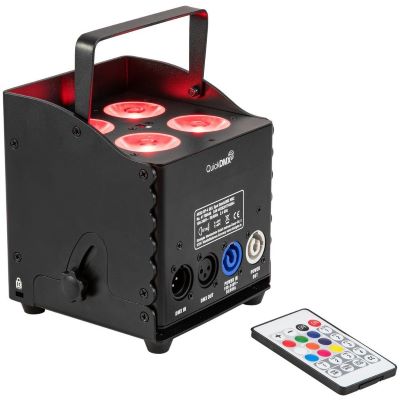
An auditorium first needs usable general and stage lighting. Coloured effects are an expansion for theatre, musicals, graduation events and school parties – not the foundation.
Make faces clearly and evenly visible during presentations and theatre performances.
Add colour to the stage, curtain and backgrounds.
Add temporary lighting accents without additional visible power cables.
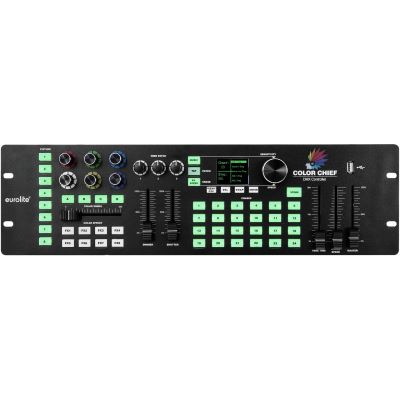
Store and recall reproducible scenes for theatre productions and recurring school events.
Flexible sound reinforcement for speech and music.
Compact complete solutions for mobile school use.
Connect microphones, instruments and media sources.
For presentations, theatre and moderation.
Monitoring for bands and musical productions.
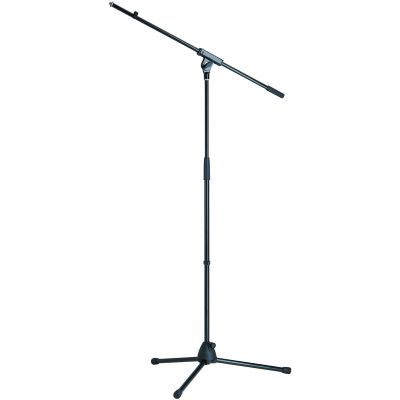
Fixed and mobile microphone positioning.
Stage and scene lighting for school productions.
Protect temporary cable routes during school festivals.
The selection ranges from compact everyday solutions to expandable systems for theatre, school bands and larger school events. Always compare the technical requirements with the room, channel count and existing infrastructure.
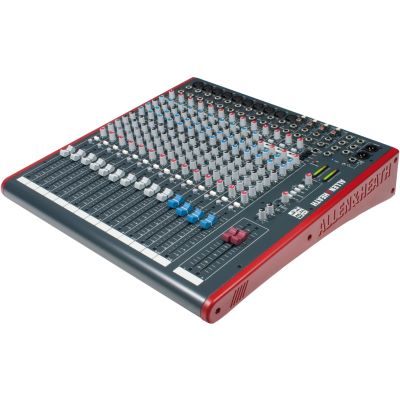
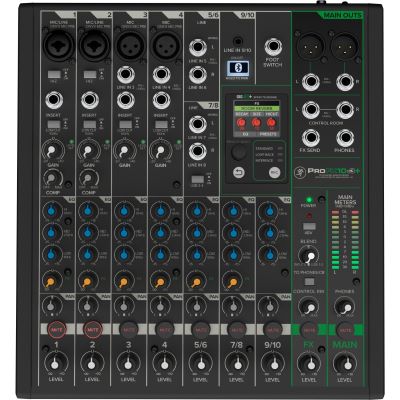
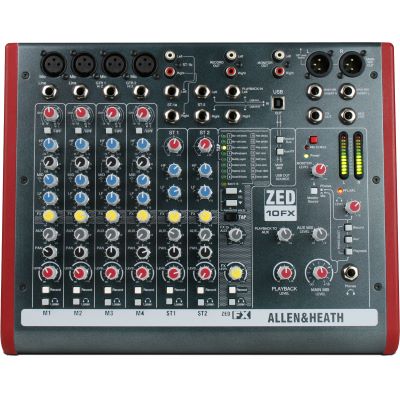
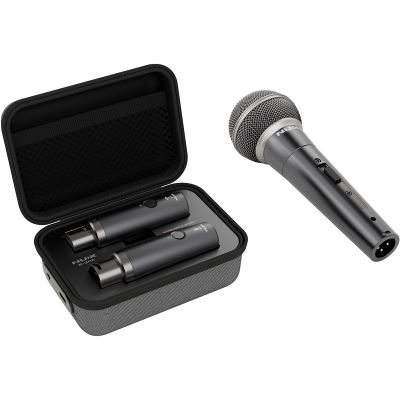


One input should permanently have the same function, for example “Wireless 1”, “Lectern”, “Laptop” or “Stage Left”. This makes setup significantly easier and reduces errors during short-notice events.
Digital mixers can store configurations for different uses. Prepared base setups for lectures, theatre and bands reduce the number of technical changes inexperienced users need to make during an event.
Guide status: 24 August 2026. Wireless frequency ranges, electrical installations, permanently mounted loudspeakers and lighting equipment as well as larger stage systems should be planned for the specific building and application by appropriately qualified professionals.
A small reserve protects recurring school events against common faults and also makes spontaneous setups easier.








If a larger PA system, additional wireless equipment, extensive stage lighting or other event technology is only needed for individual dates, renting can be more economical. The permanent auditorium system remains manageable while larger productions can be expanded specifically when required.
In smaller auditoriums, two suitable active speakers or a mobile column PA can be sufficient. In long, wide or acoustically difficult rooms, loudspeaker distribution should be planned individually.
A presentation requires only a few inputs. Theatre, school bands and choirs require significantly more. Plan for the largest typical event and keep several additional channels free for spontaneous expansion.
Yes, particularly when the same auditorium is used for many different purposes. Stored scenes can simplify recurring configurations for presentations, musicals or band performances.
Headsets are particularly practical because performers keep both hands free and the distance between the microphone and mouth remains relatively constant. When several wireless channels operate simultaneously, the complete wireless system needs to be planned together.
Several handheld transmitters, lavalier microphones or table microphones can be useful. The system needs sufficient mixer inputs and loudspeaker positioning that provides clear speech without unnecessary feedback.
Separate monitor mixes are usually very useful for amplified band performances. Singers and musicians can hear the important signals without using the audience PA as their stage monitor.
Begin with controllable basic lighting for performers and the stage. Coloured wash lights and stored DMX scenes are valuable later additions for moods and scene changes.
Clear labels, standardised cables, stored base settings and a short operating guide reduce complexity. Critical technical parameters should not need to be changed during normal operation.
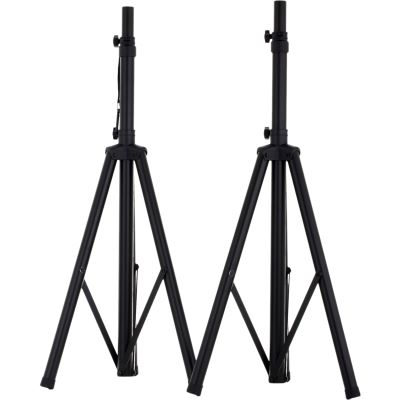
Mobile or outdoor setups can require speaker stands, additional cables, power planning, transport cases and cable bridges. Larger systems should be planned by people with appropriate technical expertise.
Rental equipment can be a useful addition for individual larger events. An existing base system can therefore be expanded specifically for a school festival, graduation ceremony or larger stage production.
Event equipment for schools and auditoriums should provide clear speech while remaining flexible enough for theatre, choirs, school bands and celebrations. Active loudspeakers or mobile PA systems provide the sound reinforcement, while a mixer combines microphones, computers, instruments and additional playback sources.
Wireless handheld transmitters simplify moderation and discussions, while headsets support theatre and presentations where both hands need to remain free. Stage monitors, microphone stands and controllable lighting expand the system for musical and theatrical performances.
For everyday school use, an understandable operating structure, labelled cables and reproducible settings are especially important. Larger school festivals or graduation ceremonies can then be supported with rented PA, wireless or lighting components without permanently oversizing the auditorium installation.
Discover further guides covering PA systems, microphones, bands, instruments, studio equipment, DJ technology, lighting and complete event equipment.