Compact and Quick to Set Up
A controller or standalone DJ system, two active top speakers, DJ headphones and several LED PAR fixtures already provide a versatile basis.

A professional DJ event is created by the interaction of the DJ system, sound reinforcement, bass, lighting, microphones, cabling and transport. For weddings, birthdays, corporate events, club celebrations and larger parties, all of these components need to work together reliably.
This guide shows how to size DJ event equipment from the controller and PA system to subwoofers, wireless microphones, LED PARs, moving heads and DMX control – and how to build an expandable system that remains practical for mobile use.
Guest count is only one part of the calculation. Music style, dance-floor size, room shape, outdoor use, announcements and available setup time determine which system is genuinely suitable.
A controller or standalone DJ system, two active top speakers, DJ headphones and several LED PAR fixtures already provide a versatile basis.
In addition to the PA, include a wireless microphone and tasteful lighting. A subwoofer can be added or used more intensively once the dance phase begins.
Two powerful tops plus a 15- or 18-inch subwoofer form a flexible system. Moving heads and DMX control add movement and a more deliberate visual show.
Several subwoofers, professional media players and mixer, programmed lighting control and prepared backup routes increase flexibility and operational reliability.
A versatile mobile starting point: a DJ system with balanced master outputs, two active tops, one subwoofer, a wireless microphone, four LED PARs and a well-organised case and cable concept already covers a wide range of event applications.
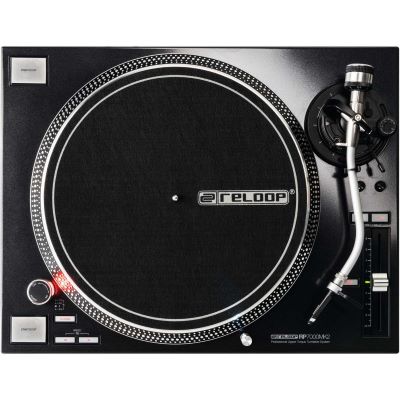
The music can come from a laptop, USB drive, streaming service, dedicated media player or turntable.
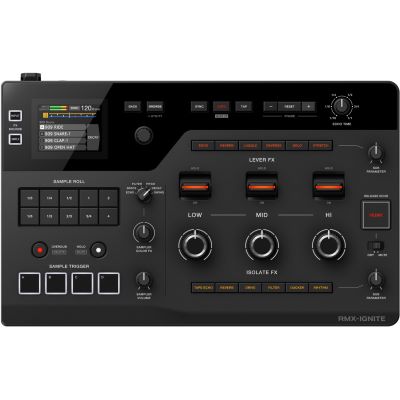
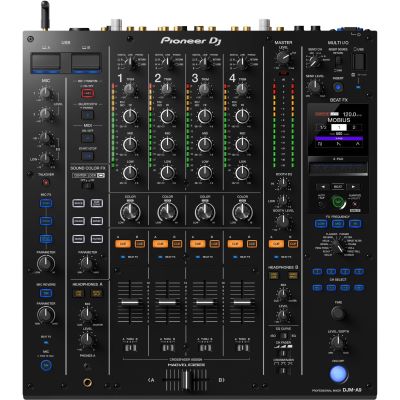
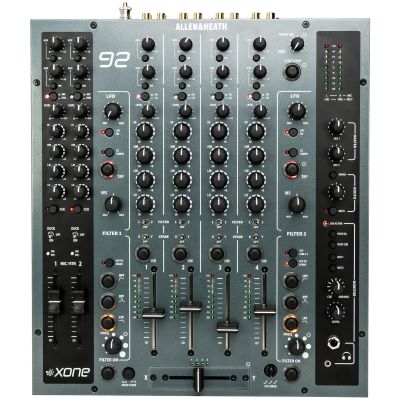
This is where transitions, channel levels, EQ, headphone cueing and performance effects are controlled.
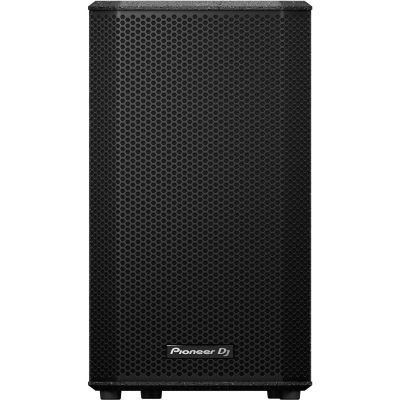
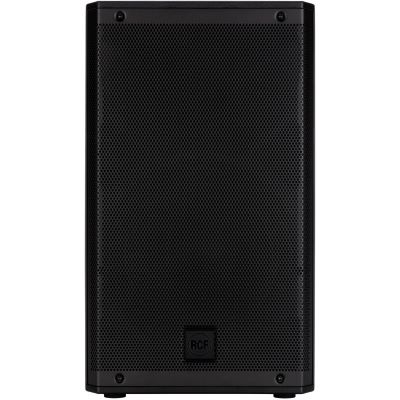
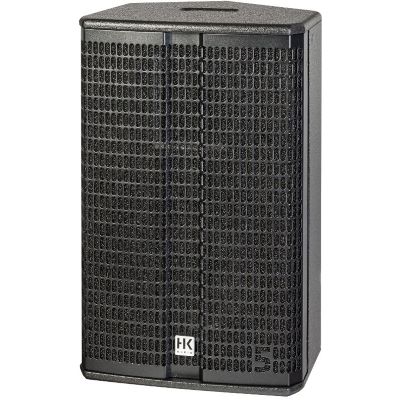
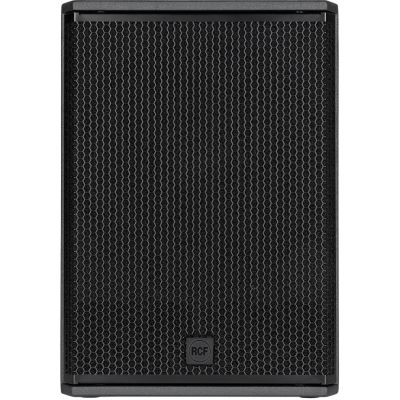
Top speakers reproduce the majority of the mid and high frequencies, while a subwoofer provides the powerful low-frequency foundation.
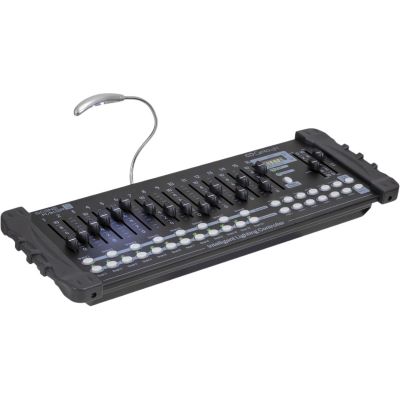
Lighting can run automatically or be integrated into reproducible scenes, colours and movements through DMX control.
The master output feeds the main PA. A separately adjustable booth output can supply a DJ monitor at the workspace. Your personal monitoring level can then be changed without affecting the dance-floor volume.
Balanced XLR or TRS connections are particularly useful for longer routes to active loudspeakers or additional mixing equipment because they are more resistant to induced interference.
Spare audio cables, a second playback option, a USB drive, wireless-microphone batteries and the most important adapters should be part of the professional mobile setup before the event begins.
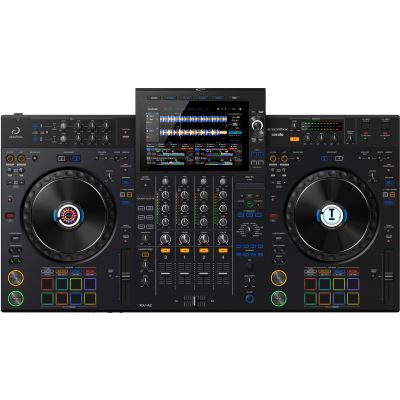
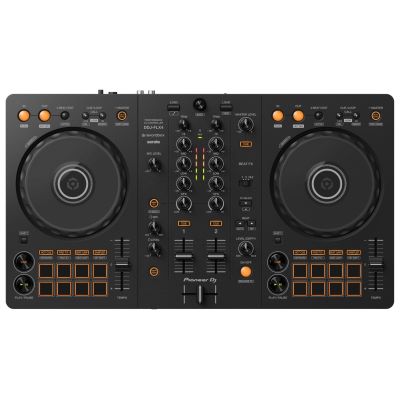
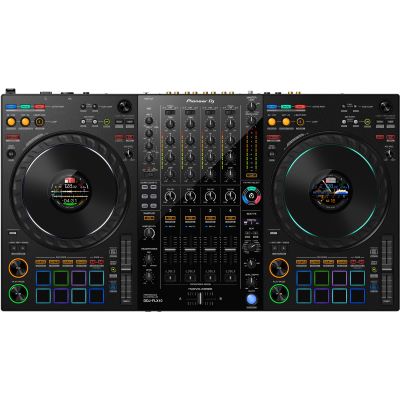
Controllers are compact and often combine an audio interface, mixer, jog wheels and performance pads. For mobile professional work, models with balanced master outputs are particularly useful.
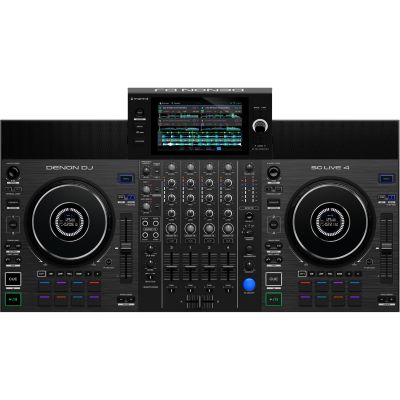
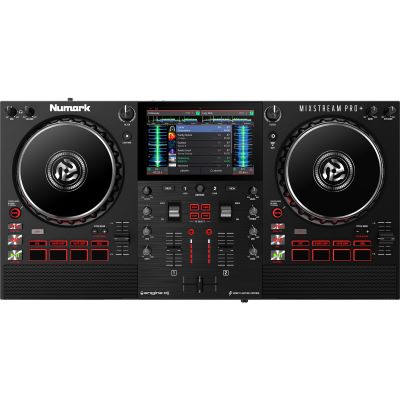
An all-in-one system combines players and a mixer. Depending on the model, it can be used without a permanently connected laptop and keeps the number of individual devices comparatively low.
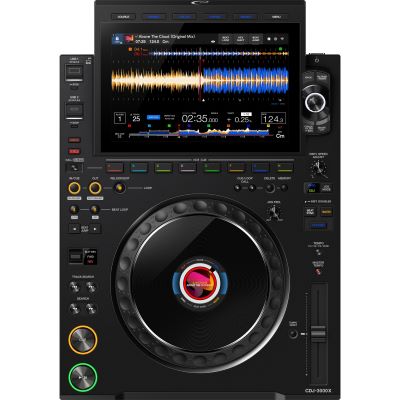
Separate media players and a dedicated mixer provide maximum modularity. Individual components can be replaced or expanded independently.
| Application | Top Speakers | Subwoofer | Main Priority |
|---|---|---|---|
| Small Celebration | 2 compact active tops | Optional | Mobility |
| Wedding | 2 tops or column systems | 0–1 | Speech + dancing |
| DJ Party | 2 powerful tops | 1–2 | Bass headroom |
| Larger Area | Scalable system | Several possible | Coverage + headroom |
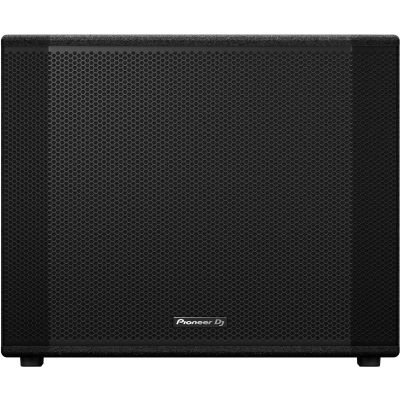
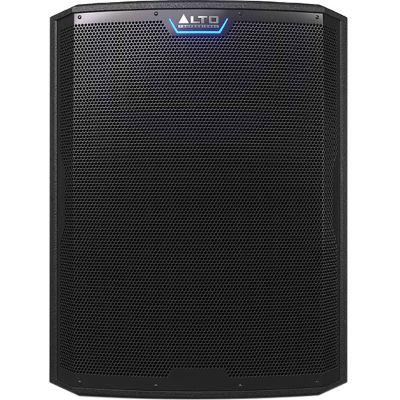
For dance, hip-hop and electronic music, low-frequency reinforcement is considerably more important than for background music alone. A 15-inch subwoofer can offer a useful balance between bass performance and transport size.
18-inch models can provide greater deep-bass potential. A second subwoofer adds further reserves and placement possibilities, but also increases weight and transport volume.
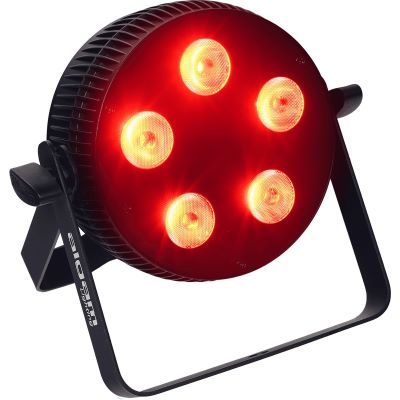
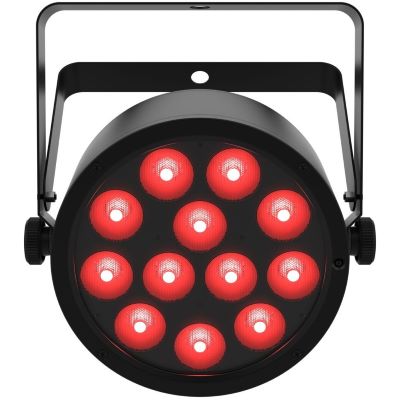
A versatile basis for coloured surfaces, walls, dance floors and DJ facades. RGBW models provide flexible colour mixing for both subtle and saturated looks.
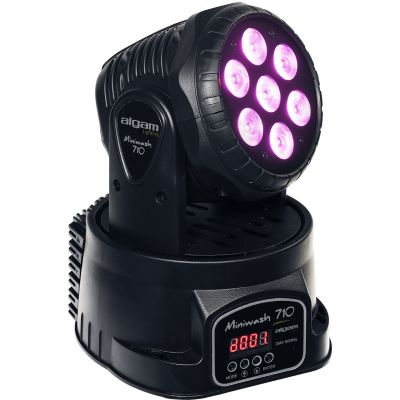
Motorised wash, spot and beam fixtures introduce movement into the room. Compact models are particularly convenient when the complete system needs to remain mobile.
Beam, pixel and combination effects create immediately visible movement and can be combined effectively with a calmer PAR-based basic lighting design.
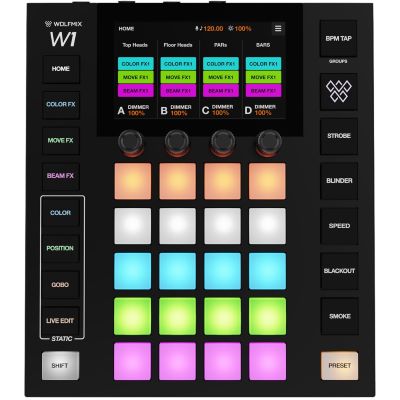
Scenes, colours, dimming and movements can be programmed and repeated. This produces a more deliberate result than running several independent sound-to-light programmes at the same time.
Wedding tip: begin with calm ambient lighting and fixed colour scenes. Moving effects and strobe-style looks are generally better suited to the later dance phase.
Weddings, corporate events and private celebrations regularly require a microphone. Wireless operation gives guests, witnesses, presenters and DJs considerably more freedom of movement than a long microphone cable.

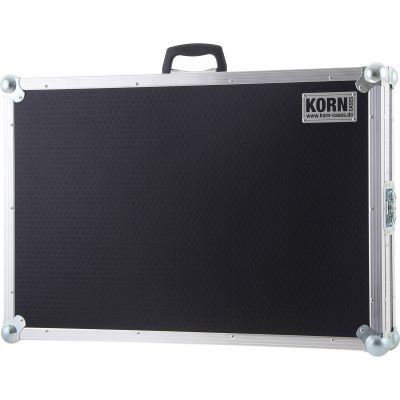
Controllers, players and mixers contain sensitive faders, jog wheels, displays and connections. A correctly fitting case reduces the risk of damage during frequent setup, teardown and transport.
Store XLR, DMX, power, USB and network cables separately, label important lines and carry sensible spare cables. This significantly reduces troubleshooting and setup time.
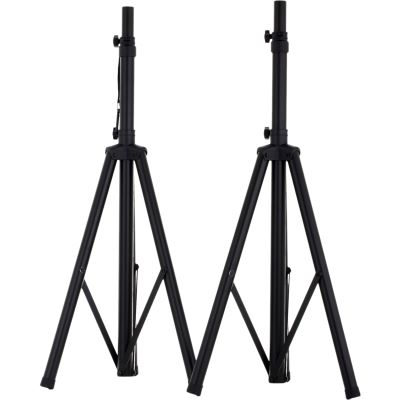
Loudspeakers and lighting fixtures should only be mounted on stands designed for the intended load and application. Stable positioning and unobstructed guest routes are part of a professional technical setup.
Laptop-based and standalone-oriented workflows.
Connect players, microphones and booth monitoring.
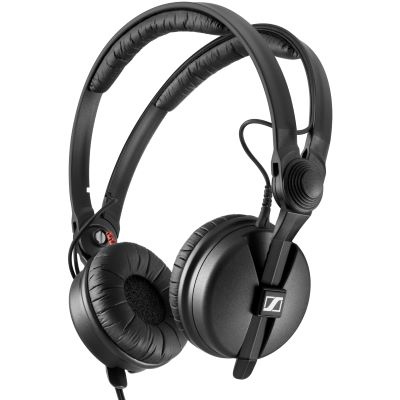
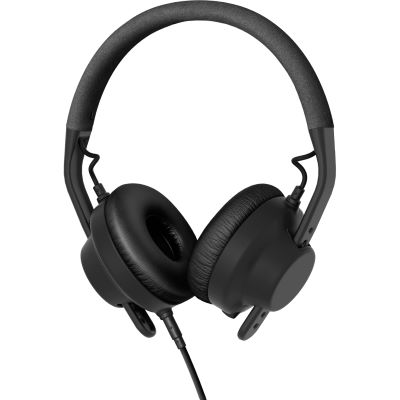
Reliable cueing and pre-listening even at higher room levels.
Mobile front-of-house sound with integrated amplification.
Bass foundation for dance music and party applications.
PAR fixtures, moving heads and show effects.
For moderation, guests, speeches and programme items.
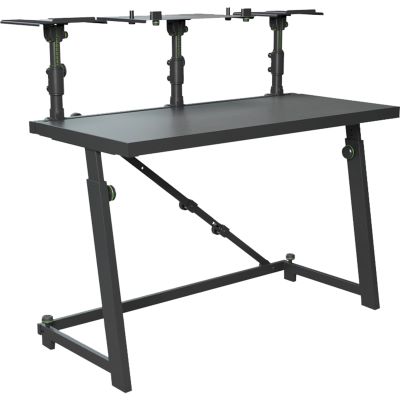
Combine transport protection and a prepared DJ workspace.
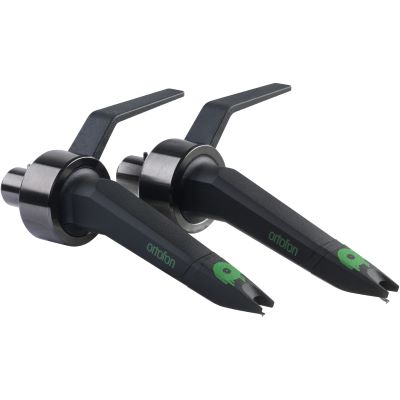
The selection is grouped by application and covers the DJ system, PA, bass, lighting, wireless microphones, monitoring, vinyl, performance and transport.
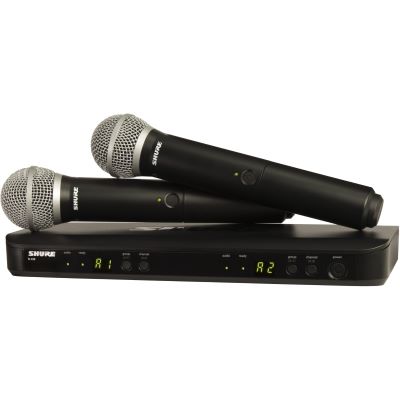










Plan speech and moderation with the microphone type that matches the application.
Select signal paths, stands and essential accessories systematically.
Consider audio, lighting, wireless systems and transport together as one event solution.
Maximum output, dispersion and the required bass extension are more informative than one wattage figure.
Several independent automatic programmes running at the same time can quickly create a restless visual result.
A defective XLR, USB or power cable should never be able to stop the complete evening.
Weight and available vehicle space need to fit the setup just as well as its technical performance.
For larger individual events, additional PA, lighting or wireless equipment can also be rented. KORN Cases provide custom-built protection for equipment that is transported regularly.
A DJ system, headphones, PA, subwoofer, microphone, lighting, lighting control, stands, cables and transport solutions together form a complete event setup.
Two active top speakers are a flexible basis. For a dance floor, a 15- or 18-inch subwoofer is frequently added depending on the event, music and required bass performance.
Not necessarily. One capable subwoofer is sufficient for many medium-sized events. Two subs provide more headroom and additional placement possibilities, but also increase transport weight and volume.
Controllers are particularly compact and software-oriented. Standalone systems reduce dependence on a permanently connected laptop and keep the number of individual devices comparatively low.
Several LED PAR fixtures for calm colour washes are a good starting point. Moving heads and more dynamic lighting effects can be added later for the dance phase.
Colours, dimming, movements and scenes can be deliberately programmed and repeated instead of every fixture running independently in an automatic mode.
Very often, yes. Speeches, announcements and programme items become considerably more flexible with a wireless handheld transmitter.
Balanced master outputs are particularly useful for professional event applications. A separately adjustable booth output is also practical for a dedicated DJ monitor.
With large or distant front speakers, a dedicated booth monitor can make timing and cueing easier. In smaller setups, DJ headphones may be sufficient.
Spare XLR, USB and power cables, useful adapters, wireless-microphone batteries or charged rechargeable batteries and a second playback medium form a sensible basis.
Yes. Two good active speakers, a DJ controller and basic lighting can later be expanded with subwoofers, additional lighting fixtures, wireless systems and cases.
Additional sound-system headroom, safe power distribution, stable mounting and appropriate weather protection need to be considered for outdoor operation.
Good DJ event equipment begins at the DJ workspace but does not end there. A controller, standalone system or combination of media players and mixer needs to provide a reliable signal path to the PA. Two active top speakers form a flexible basis for many mobile applications, while a subwoofer adds the low-frequency foundation required by dance music.
Wireless microphones expand the setup for moderation and speeches. LED PARs provide atmospheric basic lighting, moving heads introduce movement and DMX control combines individual fixtures into a repeatable visual show.
Cases, stands and carefully prepared spare cables finally ensure that the system not only works technically but can also be transported, assembled and operated reliably on a regular basis. This allows DJ event technology to grow step by step from a small birthday celebration to a more extensive mobile event.
Discover further buying guides for DJ equipment, PA, lighting, microphones, studio technology, instruments and complete event systems in the central Musikhaus Korn guide.