Reinforce Speech Discreetly
A fixed microphone or wireless headset feeds the mixer. Appropriately distributed loudspeakers then reproduce the spoken word clearly throughout the church.

Sermons, readings, choirs, organ music, worship bands, congregational singing and livestreams place special demands on church sound systems. Long reverberation times and large distances make speech intelligibility more important than maximum volume. This guide explains how loudspeakers, microphones, mixers, wireless systems and recording technology can form a discreet and easy-to-operate church audio system.
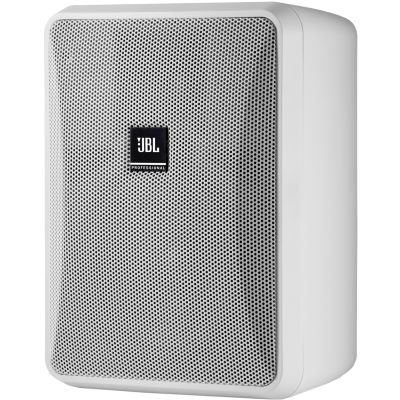
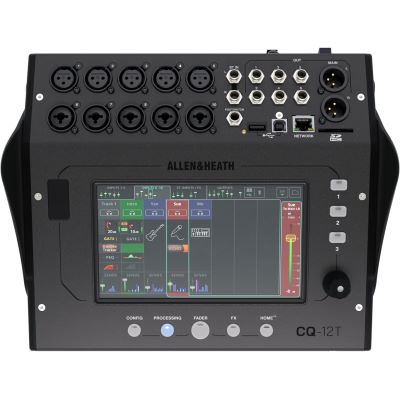
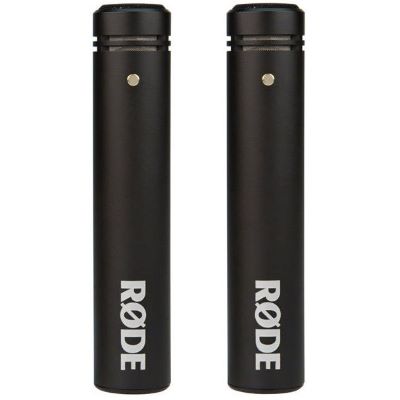
In reverberant churches, loudspeaker placement, microphone position and room acoustics are often more important than simply increasing the sound level.
A church does not simply need the most powerful PA system possible. The real goal is to make speech and music sound natural and intelligible in every relevant seating area without allowing the technology itself to dominate visually or acoustically.
Large churches frequently have long reverberation times. Turning one loudspeaker up louder does not automatically make every word easier to understand. A targeted distribution of several loudspeakers positioned closer to their respective listening areas can be more useful.
Churches also have to handle very different sources: sermons and readings, soloists, choirs, acoustic instruments, keyboards or a complete worship band. The system should therefore be planned from the signal path: microphone or instrument, mixer, signal processing, amplification and finally the loudspeakers.
A fixed microphone or wireless headset feeds the mixer. Appropriately distributed loudspeakers then reproduce the spoken word clearly throughout the church.
A headset or lavalier microphone is practical when the speaker needs to move freely while using books, notes or liturgical objects with both hands.
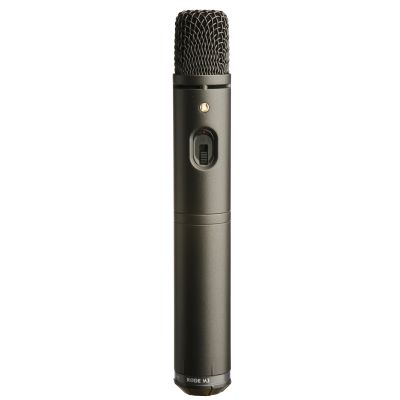
Small-diaphragm condenser microphones or matched stereo pairs are useful starting points for choirs, string instruments and acoustic ensembles.
Vocals, keyboards, guitars and other instruments need enough input channels and appropriate monitor paths. A digital mixer makes recurring worship setups easier to reproduce.
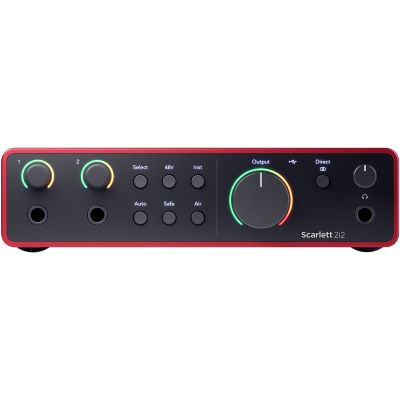
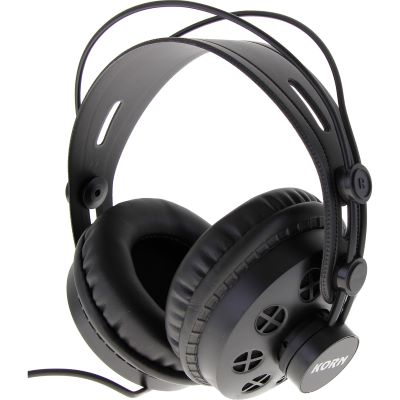
A USB-capable mixer or audio interface connects microphones and instruments to the streaming computer. Headphones allow the online mix to be checked independently of the sound inside the church.
Active loudspeakers or a compact column PA can also be used for parish festivals, talks, youth groups and events outside the church building.
Permanent installations and mobile PA systems solve different tasks. In large reverberant rooms, loudspeaker positioning can be more important than choosing one particularly large speaker.
Compact wall or ceiling speakers can be integrated discreetly into the architecture and aimed at specific listening areas.
Where many loudspeakers and longer cable routes are required, an appropriately planned 70/100 V system can provide practical advantages. Amplifiers and loudspeakers must be designed and configured to work together.
Active loudspeakers are flexible for parish halls, concerts and outdoor events because amplification and often basic signal processing are already integrated into the cabinet.
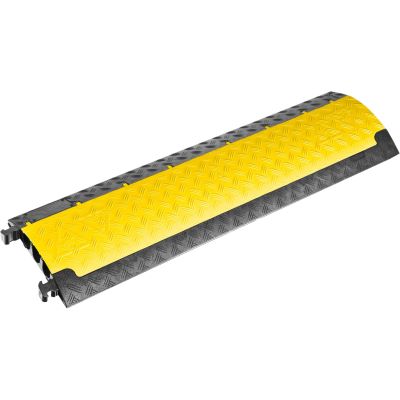
Plan permanent installations professionally: wall and ceiling mounting, 70/100 V networks, cable routes and the electrical supply should be coordinated on site with the building, any heritage requirements, fire protection, structural load capacity and existing infrastructure.
A slim microphone that can be aligned reproducibly is especially practical for a lectern or another fixed speaking position.
The distance to the mouth remains comparatively constant, which supports clear speech when the speaker moves around.
Small clip-on microphones leave both hands free and are useful for sermons, moderation and video transmission.
Useful for contributions from the congregation, interviews, events and as a dependable backup microphone.
For a choir or ensemble, one or several well-positioned microphones are often more useful than placing a microphone directly in front of every individual performer.
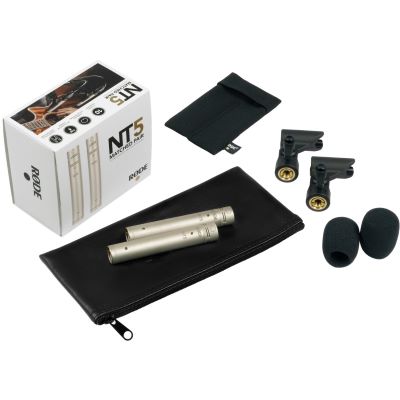
Small-diaphragm condenser microphones respond precisely to acoustic instruments and are also useful for stereo recording. Matched pairs make repeatable stereo setups easier to create.
The farther the microphone is positioned from the choir, the more strongly the church acoustics become part of the signal. This can be attractive for recordings, but it makes feedback control more difficult during live sound reinforcement.
Recording and live reinforcement therefore do not automatically require the same microphone position.
Repeated basic configurations can be saved so that a regular Sunday service starts from a known state instead of an accidentally modified setup.
Digital EQ and, on suitable mixers, additional feedback-related tools can support the adjustment of speech, microphones and loudspeakers.
Depending on the model, USB and recording functions can provide a direct connection to a computer or storage medium.
Speech, choir and instruments receive suitable separate input channels.
The mixer creates the sound in the church and, where required, a separate mix for the livestream.
A USB-capable mixer or audio interface transfers the audio signal to the streaming or recording software.
The online stream should be checked independently from the acoustics heard inside the church.
| Application | Microphone | Speakers | Mixer | Additional Equipment |
|---|---|---|---|---|
| Sermon | Headset, lavalier or lectern | Installation system | Few channels | Wireless optional |
| Reading | Fixed position | Installation system | Small | Gooseneck microphone |
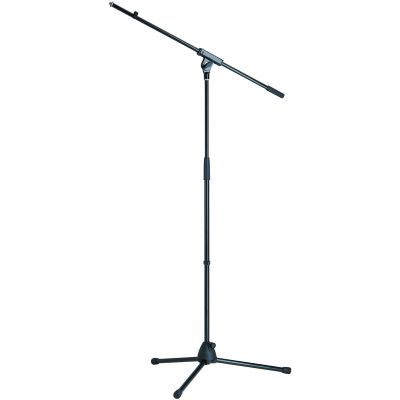
| Choir | Small diaphragm / stereo pair | Depends on the room | Several inputs | Tall microphone stands |
| Worship Band | Vocals + instruments | PA system | Digital mixer | Monitoring |
| Livestream | Existing signals | Independent | USB / routing | Headphones |
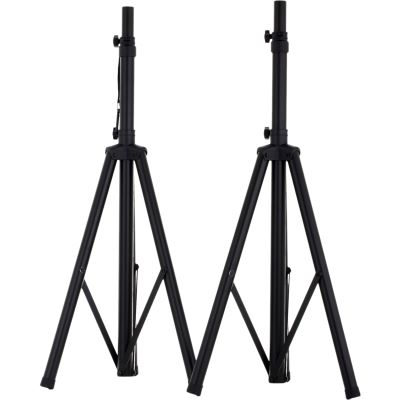
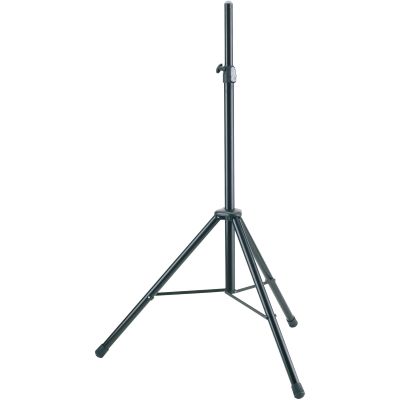
| Parish Festival | Wireless handheld | Mobile active PA | Compact | Speaker stands |
These examples cover permanent installation, mobile sound reinforcement, microphones, mixers, choir recording and practical infrastructure.
Discreet loudspeaker solutions for distributed speech and music reproduction.
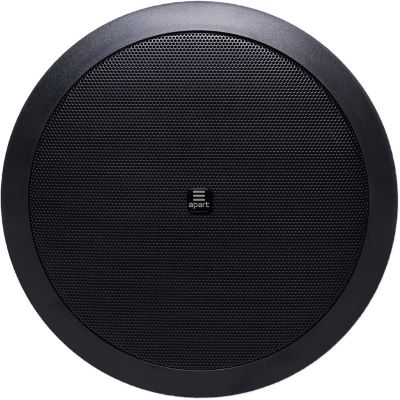
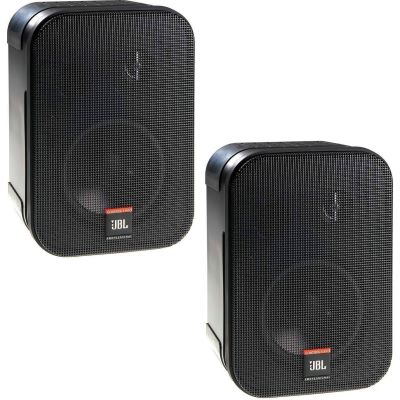
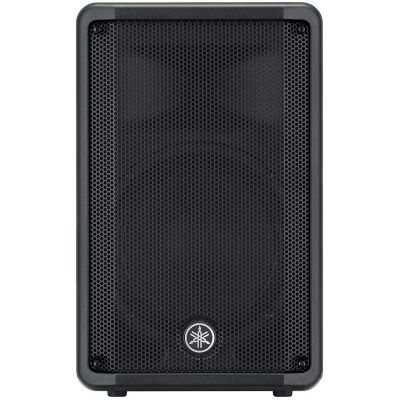
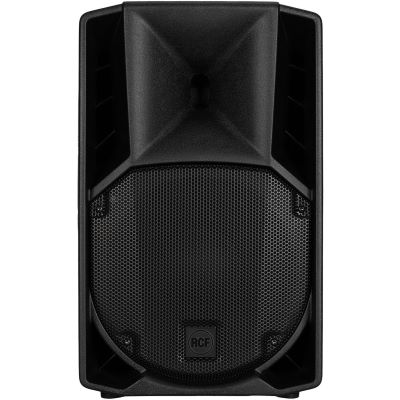
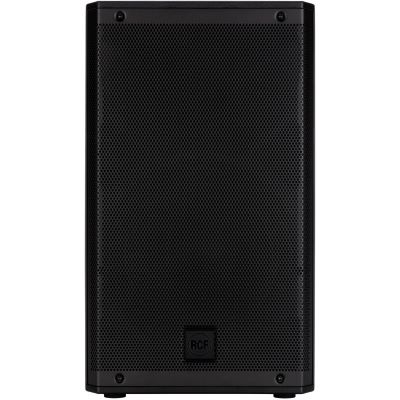
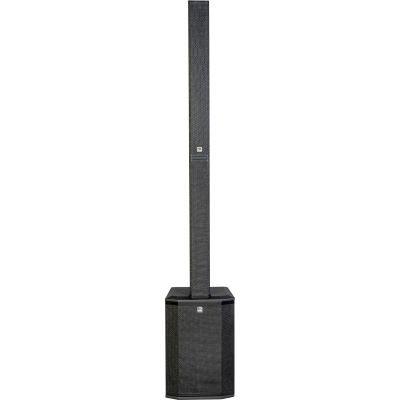

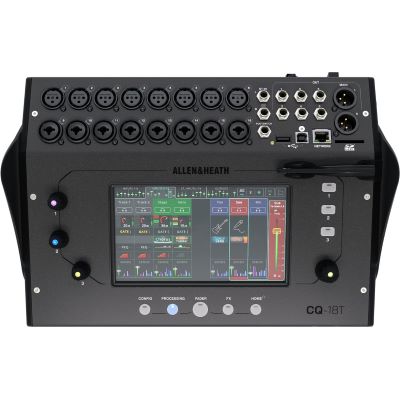
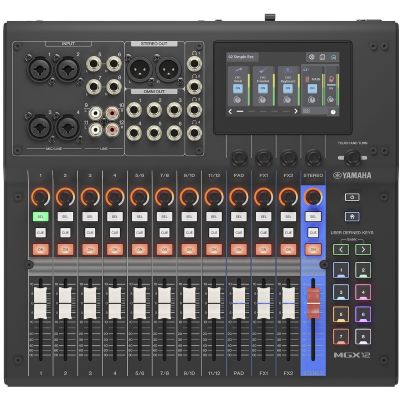
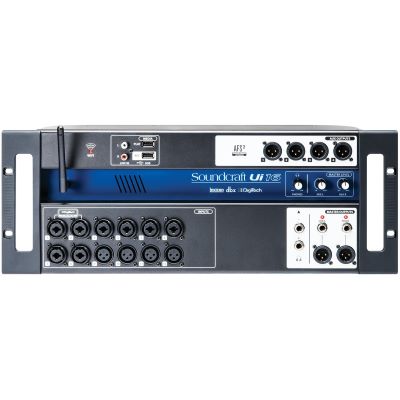
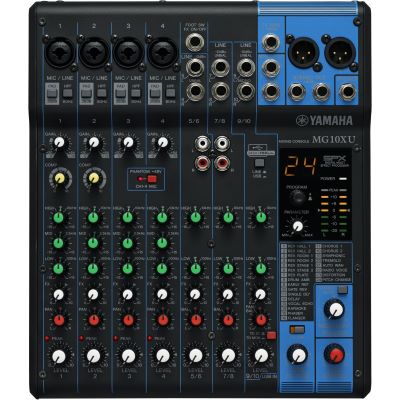
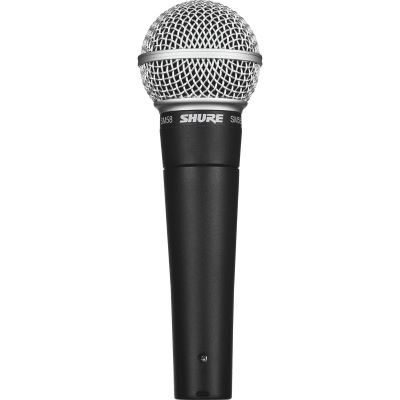
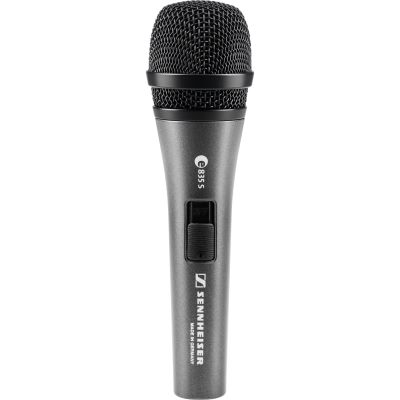

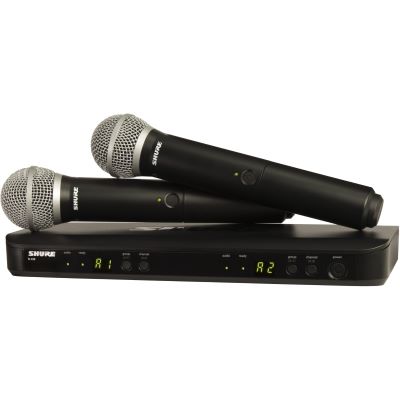
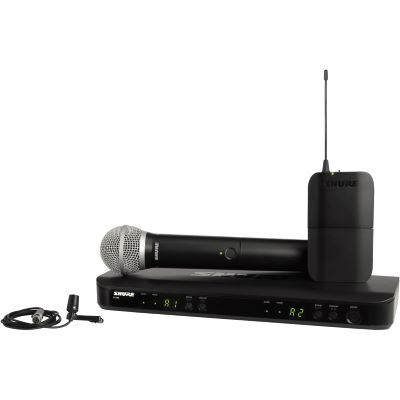

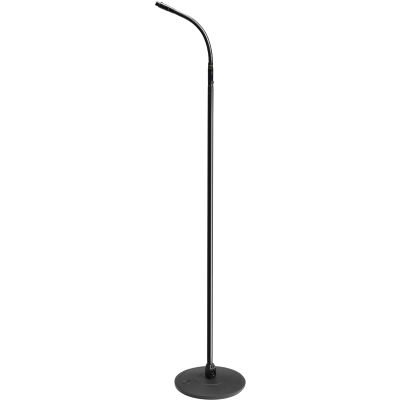
Manufacturer pages are useful when an existing church system is to be expanded with compatible loudspeakers, mixers, microphones or recording equipment.









This depends on room size, reverberation and the areas that need to be covered. Installation speakers can address several seating areas specifically. Active full-range or column loudspeakers are useful for parish halls and mobile events.
Increasing the level also increases reflected sound. Long reverberation times can cause syllables to overlap. Better loudspeaker distribution, suitable aiming and clean microphone placement are therefore often more effective than simply making the system louder.
A gooseneck solution is useful for a fixed speaking position. For movement, a headset or lavalier is practical. A headset keeps the distance to the mouth particularly consistent.
This depends on choir size, arrangement and the intended use. A small ensemble can be recorded with a stereo pair. Larger choirs may require several sensibly positioned microphones.
Small-diaphragm condenser microphones and matched pairs are useful starting points for choirs, ensembles and acoustic instruments. Positioning must be adapted to the acoustics of the church.
It is not essential for simple speech reproduction. With a choir, worship band, several wireless systems or a livestream, stored settings, signal processing and flexible outputs provide significant advantages.
Suitable microphones, a mixer or audio interface and a connection to the streaming computer are required. With larger systems, a separate stream mix is useful because the sound inside the church has different requirements from the audio heard online.
Yes. It can be used in the parish hall, at youth events, parish festivals and outdoor events while also serving as a flexible addition to the permanent installation.
Several systems should be planned together. Frequencies, transmitters and receivers must be compatible. Because regulatory conditions can change, the currently usable frequency range should be checked before purchasing or expanding a system.
Label inputs clearly, create a small number of standard mixer scenes and document the normal startup condition. A short operating guide kept directly at the mixing position is often more useful than adding further functions.
Compare solutions for speech, vocals, instruments and stereo microphone techniques.
Compare dynamic, condenser and wireless solutions according to the voice and the intended application.
Combine interface, microphones, monitoring and cables for recordings and livestreams.
Begin with speech intelligibility and the listening areas that genuinely need to be covered. Then select microphones for sermons, readings and music, plan enough mixer channels and only afterwards add recording, wireless systems and mobile extensions. This keeps the system understandable, expandable and reliable even when operators change.