Musikhaus Keks
Welcome!
Our cookies offer you a fast, relaxed and full-featured shopping experience. Some are necessary to operate the website and its functions. Others help us to improve our services. If you agree to this, simply consent to the use of cookies for preferences, statistics and marketing by clicking on "OK". Alternatively, you can deactivate individual cookies under "Customise cookies" or all cookies, except those required for the function of our website, under "Reject all".
Musikhaus Korn Buying Guide

Guitar Rig for Rehearsal & Stage: Plan Sound, Power & Signal Flow

Combo, amp head with guitar cabinet or a modeler directly into the PA? A good guitar rig has to cut through the band mix, switch reliably between sounds and remain practical to transport. This guide shows how to combine amplifier, cabinet, effects, microphone, monitoring, wireless equipment and cabling into a practical rehearsal-room and stage rig.

Combo, stack & modeler Rehearsal room & live stage PA, monitoring & wireless
The Fastest Route to a Suitable System

Which Guitar Rig Suits Your Rehearsal and Stage Routine?

Do not begin with a watt rating. First decide whether you want to hear a traditional guitar speaker on stage or whether your finished sound is already created inside a modeler and reproduced through the PA or a full-range monitor.

Simple & Fast

Combo for Rehearsal and Stage

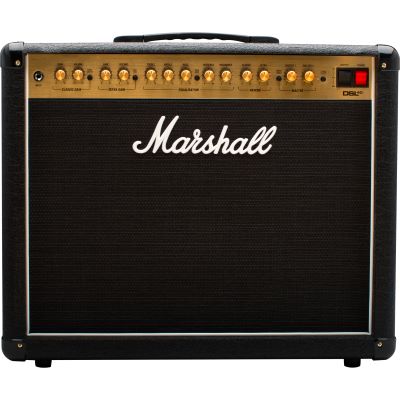
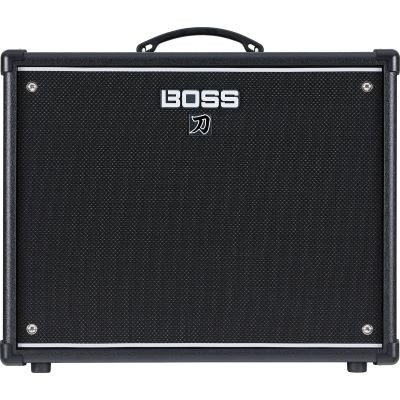
Amplifier and speaker are housed in a single cabinet. This is ideal when you want to be ready quickly with little cabling while still using a traditional guitar amplifier on stage.

Modular

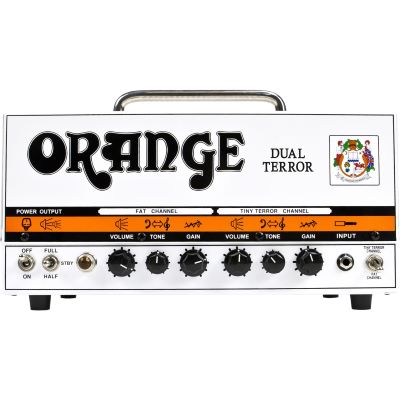
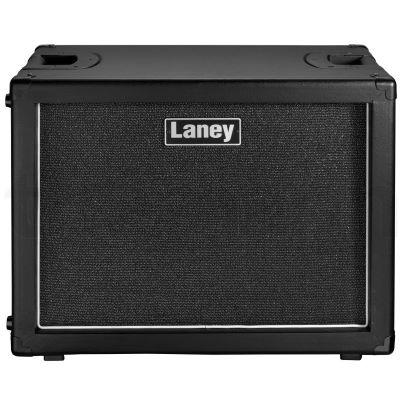
Amp Head plus Guitar Cabinet

Amplifier and cabinet are selected separately. You can therefore combine a 1x12, 2x12 or 4x12 according to transport requirements, rehearsal space, music style and the speaker character you prefer.

Modern & Flexible

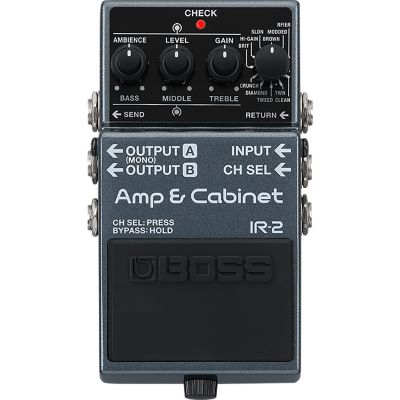
Modeler plus FRFR

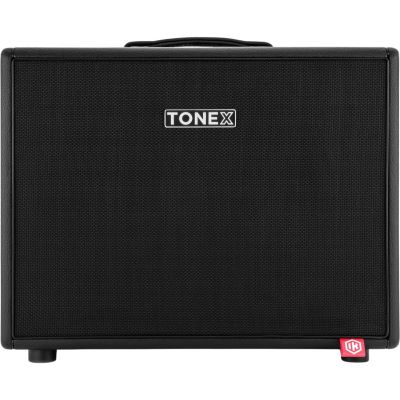
Amplifier and cabinet simulation are created digitally. An active full-range speaker makes the sound audible in the rehearsal room and can simultaneously serve as your personal stage monitor.

Quiet Stage

Direct to PA and In-Ear

A modeler or preamp with suitable speaker simulation sends the signal directly to the mixing desk. On stage you monitor the guitar through a floor monitor or an in-ear system.

Practical rule: choose the smallest system that reliably provides your required sound, enough level in the band and the monitoring you prefer. A larger rig is not automatically a better rig.
Three Fundamentally Different Workflows

Understanding Combos, Stacks and Modelers

Combo

Fewer Components, Faster Setup

A powerful 1x12 combo is already a complete guitar rig for many bands. It works well in a rehearsal room, is relatively easy to transport and can be miked during a live performance. Modeling combos additionally offer presets and built-in effects.

Head + Cabinet

Plan the Sound Modularly

The amp head defines a major part of the amplifier character, while the cabinet influences projection and speaker tone. If different cabinets are already available at rehearsal spaces or venues, you may only need to transport the head and pedalboard.

Modeler

Combine Sound and Routing

Modern preamps and profilers can store amplifier, cabinet, microphone and effect settings in one device. This makes reproducible song presets and a direct path to the mixing desk possible.

In a Band Mix, Headroom Matters More Than a Number

How Powerful Does a Guitar Rig Need to Be?

Reference Level

The Drum Kit Matters

In a rehearsal room the guitar has to remain audible beside drums, bass and vocals. The result depends not only on watts but also on speakers, cabinet design, amplifier character and the clean headroom you need.

Clean Headroom

Clean Sounds Need Different Reserves

If an amplifier should remain clean at full band level, sufficient headroom is required. A guitarist who deliberately uses power-stage compression or amp saturation evaluates the same output differently.

Speaker Area

More Speakers Change Projection

A 2x12 or 4x12 moves more speaker area than a compact single-speaker cabinet. This changes the physical impression in the room without automatically requiring a more powerful amplifier head.

Live PA

The PA Can Handle Audience Level

When the guitar amplifier is miked or the signal is sent directly to the PA, the stage rig does not have to cover the entire venue. Its main job can be to provide your personal stage sound and playing feel.

Test in the band context: play your most important clean, rhythm and lead sounds at a realistic rehearsal level. Pay particular attention to whether the guitar's midrange remains audible alongside bass and drums.
Transport, Tone and Electrical Compatibility

1x12, 2x12, 4x12 or FRFR?

System Main Strength Transport Typical Application
1x12 Compact, direct guitar-speaker sound Comparatively manageable Rehearsal and small to medium stages
2x12 More speaker area Medium effort Band rehearsal and versatile live rigs
4x12 Large traditional stack feel High effort Large rock and metal rigs
FRFR Full-range reproduction of modeler sounds Compact depending on the model Profilers, modeling and direct-PA rigs
Electrical compatibility matters: an amplifier head and a passive cabinet must be technically compatible. Observe the impedance and power specifications permitted by the manufacturer. Use a proper speaker cable between a power amplifier and passive guitar cabinet — not a normal instrument cable. Never operate a tube amplifier without the required load.
Your Guitar Sound Has to Reach the Mixing Desk

Microphone the Guitar Amp or Go Direct to the PA?

Traditional Amplifier

Guitar → Pedalboard → Amp → Microphone → PA

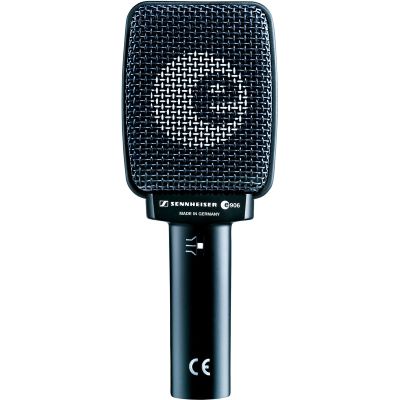
A dynamic microphone positioned close to the guitar speaker is a proven live method. Moving towards the centre of the speaker generally produces a more present sound, while moving towards the edge tends to soften the tonal character.

If your stage setup is often similar, mark a microphone position that has already worked well.

Modeler

Guitar → Modeler → PA + FRFR / In-Ear

With a direct system, an appropriate cabinet or impulse-response simulation should normally be active on the signal sent to the PA.

If a separate output is feeding a traditional guitar power amp and normal guitar cabinet, another output or a preset without additional cabinet simulation may be the more suitable route.

Louder Is Not Automatically Easier to Hear

How Do You Hear Yourself Reliably on Stage?

Traditional Amp

Tilt or Raise the Amplifier

If a combo sits directly on the floor and projects past your legs, it is easy to turn it up unnecessarily. A suitable amp stand or tilt position can improve your personal listening position.

Modeler

FRFR as a Personal Monitor

Modeler users can point an active full-range cabinet towards themselves while a separate balanced signal is routed directly to the mixing console.

Silent Stage

In-Ear for Controlled Levels

On a quiet stage the entire guitar sound can come from the monitoring system. This requires a reliable monitor mix containing enough guitar for confident playing.

Freedom of Movement

Wireless Guitar System

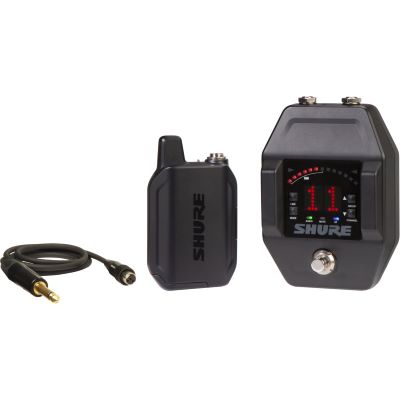
An instrument wireless system removes a long guitar cable from the stage. Check the frequency range, operating range, battery life and integration into your pedalboard before buying.

Four Practical Approaches

Example Guitar Rigs for Different Bands

Compact

Combo Rig

Guitar → Pedalboard → 1x12 Combo

For live use, add an amp microphone to feed the PA. Few separate components, fast setup and traditional playing feel.

Rock & Metal

Amp Head + 2x12

More speaker area with free choice of cabinet. If the amplifier provides an effects loop, delay and reverb can be placed there when the amp itself supplies the distortion.

Flexible

Modeler + FRFR

Presets contain amplifier, cabinet and effects. The FRFR cabinet works as a personal monitor in the rehearsal room and on stage, while an additional output feeds front of house.

Silent Stage

Modeler Direct + In-Ear

No guitar loudspeaker is required on stage. The system is highly reproducible and easy to transport, but depends on a functioning PA and monitoring setup.

Grouped by Function

50 Products for Your Guitar Rig

Use these groups as a shortlist. A complete rig does not need a product from every group — a combo, for example, already replaces a separate amplifier head and guitar cabinet.

Small Parts Often Decide Whether a Gig Runs Smoothly

Which Accessories Belong in a Stage Guitar Rig?

Backup

Spare Cables

Carry at least one additional instrument cable and, when using a stack, a suitable spare speaker cable. A faulty cable can then be isolated and replaced quickly.

Live Control

Footswitches & Controllers

Channel changes, boosts, effects and presets must be accessible reliably while playing. Always check compatibility with the amplifier or modeler before buying.

Position & Protection

Amp Stand & Cover

Better positioning can improve personal monitoring. A cover or case protects amplifiers and accessories during regular transport.

Effects

Pedalboard

Power supply, patch cables and pedals should be mounted securely and tested as a complete signal chain before the performance.

Electrical safety: never bypass a protective earth connection or other electrical safety measure in an attempt to eliminate hum. Power supplies, distribution equipment and stage connections must be suitable for their intended use and technically sound.
More Control in the Band Mix

Six Common Guitar-Rig Mistakes

Mistake 1

Too Much Stage Volume

An excessively loud guitar frequently makes the complete band mix more difficult. Aim the amplifier sensibly and let the PA handle audience coverage at larger shows.

Mistake 2

Removing All the Midrange

A heavily scooped sound can be impressive on its own but disappear beside bass and drums. Guitar midrange is particularly important inside the complete band mix.

Mistake 3

Not Checking Head and Cabinet Compatibility

Impedance, power and the correct connection should be checked before setting up. Improvised speaker connections are not a sensible stage strategy.

Mistake 4

No Spare Cable

A defective cable is normally easy to replace — provided a known working spare cable is actually inside your gig bag.

Mistake 5

Routing a Modeler Incorrectly

Cabinet simulation can be correct for a direct PA signal while being undesirable when the same signal feeds a traditional guitar cabinet. Configure your outputs deliberately.

Mistake 6

Programming Sounds Only While Playing Alone

Check presets with the entire band. Volume, gain and EQ can behave very differently inside a complete arrangement than during solo practice.

Brand Worlds at Musikhaus Korn

Manufacturers for Guitar Rigs, Miking and Wireless Systems

Common Questions Before Rehearsals and Gigs

Answers About Guitar Rigs for Rehearsal and Stage

How Many Watts Does a Guitar Amplifier Need in a Rehearsal Room?
There is no universal minimum wattage. Drum level, amplifier technology, speaker configuration and the required clean headroom all influence the result. A suitable amp should be tested with your band at a realistic rehearsal level.
Is a 1x12 Combo Enough for a Stage?
In many situations, yes. If the combo is miked, the PA handles audience coverage. The more important question is whether the amplifier provides the stage and monitor sound you need.
Is a 2x12 Better Than a 4x12?
Not automatically. A 2x12 is normally easier to transport, while a 4x12 provides the traditional large-stack experience. Speaker type, cabinet construction and preferred tone matter more than the number of speakers alone.
Can a Guitar Modeler Connect Directly to the PA?
Yes, if the device provides a suitable output and appropriate amplifier and cabinet simulation. For your own stage sound you can additionally use FRFR monitoring or an in-ear system.
Do I Still Need a Guitar Cabinet with a Modeler?
No. You can play directly into the PA. If you prefer a loudspeaker behind you, use an active FRFR solution or a suitable power amplifier with a traditional guitar cabinet.
How Is a Guitar Amplifier Miked on Stage?
A dynamic instrument microphone is frequently positioned close to one loudspeaker. Moving it from the speaker centre towards the edge changes the tone substantially and forms part of the final sound adjustment.
What Does FRFR Mean in a Guitar Rig?
FRFR means Full Range Flat Response. It describes a wide-band speaker concept intended to reproduce the already modeled sound of a profiler or modeler as completely as possible.
Which Effects Belong in the Amplifier's FX Loop?
When the amplifier itself provides strong distortion, delay, reverb and some modulation effects are frequently placed in the effects loop. Drive, wah and many dynamics effects normally remain before the amplifier input.
Is Guitar Wireless Useful in a Rehearsal Room?
It is not essential, but it can provide freedom of movement and gives you the opportunity to test your later live setup under rehearsal conditions. Frequency range, battery life and the local RF environment still need to suit the application.
How Can Two Guitars Avoid Blurring Together in a Band?
Different EQ emphasis, gain levels, pickup sounds and, where appropriate, different cabinets or amplifier characteristics can create space. Two guitarists do not need to use exactly the same tone.
What Should I Carry as a Stage Backup?
Spare instrument and patch cables, picks, strings, power for essential pedals and a simple emergency route to the mixing desk are particularly useful. In more advanced systems, a compact backup modeler can replace an entire amplifier rig in an emergency.
How Should Guitar Amplifiers Be Transported Safely?
Amp covers mainly protect against dirt and light damage. More robust cases are useful for regular touring. Allow tube amplifiers to cool down after playing before moving them.
Plan the Complete Rig Instead of Individual Components

Still Unsure About the Amp, Cabinet or Stage Routing?

Useful information for planning includes your music style, band volume, existing pedals, transport possibilities and whether your performances normally use a PA. These details lead to a much more suitable system than choosing from a watt rating alone.

Continue Planning the Complete Guitar Rig

Related Pages for Live Guitar

Instrument

Electric Guitar by Music Genre

Choose body style and pickup configuration as a starting point for blues, rock, metal, funk and other styles.

Effects

Guitar Effects

Discover drive, modulation, delay, reverb, multi-effects and additional sound tools for your live setup.

Amplification

Guitar Amplifiers

Compare combos, amp heads, cabinets and modern preamp solutions as one complete amplification system.

Complete Guitar Guide

Guitar Guide

Plan instruments, strings, amplifiers, effects and accessories as one connected guitar system.

From a Rehearsal Setup to a Reproducible Live Rig

Planning a Guitar Rig for Rehearsal and Stage

A guitar rig for rehearsal and stage should first match the way you work. A combo offers a particularly fast setup, an amplifier head and cabinet provide a modular system and a modeler can combine amplifier, speaker, effects and a direct PA output in one device. For many live applications, a compact rig is more useful than maximum amplifier power.

Plan the complete signal path from the instrument to the audience: guitar, pedalboard or modeler, amplification, personal monitoring and finally a microphone or direct output to the mixing desk. With traditional stacks, check impedance and speaker cabling, program digital presets in a band context and remember spare cables, foot control and safe transport. This creates a guitar rig that not only sounds good but also works reliably during rehearsals and performances.

Choose More Instruments and Equipment with Confidence

From musical instruments and home-studio equipment to DJ and event technology, find more step-by-step buying help in the central Musikhaus Korn guide.