Compact and Ready Quickly
For birthdays, lounges, speech and moderate dance music, a capable column PA or a pair of compact active speakers can be the right solution.

Which PA does a DJ need for a birthday, wedding, corporate event or larger party? Reliable DJ sound requires loudspeakers, subwoofers, a DJ mixer or controller, microphone, cabling and transport to work together. This guide explains when a column PA is sufficient, when two classic active tops are the better choice and how to add one or two subwoofers for more bass headroom.
Event size, dance-floor area, music style, desired sound level and transport are decisive. A wedding with background music has different requirements from an electronic dance event where kick drum and sub-bass should be physically noticeable.
For birthdays, lounges, speech and moderate dance music, a capable column PA or a pair of compact active speakers can be the right solution.
Two tops or two column systems provide flexible coverage. Additional bass reserve is useful on the dance floor, particularly for pop, house and modern club music.
A classic 2.1 system is a particularly flexible starting point. The tops provide speech and music coverage while the subwoofer handles kick drums and bass lines.
Two tops and two capable subwoofers provide additional reserve and more bass-placement options. Large areas still need to be planned according to room shape and speaker coverage.
A particularly flexible mobile foundation: two active 10 or 12-inch tops plus one 15 or 18-inch subwoofer can be adapted to speech, background music and dance events. If your bass requirements increase later, you can add a second compatible subwoofer.
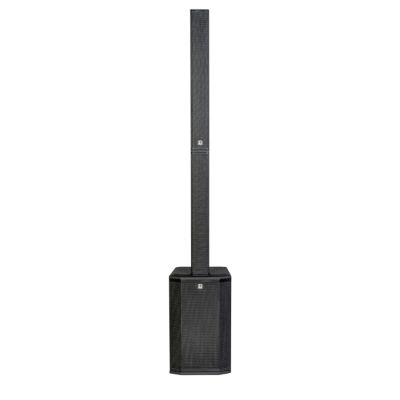
Column PAs combine a bass section with a slim high/mid-frequency column. Many systems do not require conventional loudspeaker stands, making them especially attractive for weddings, corporate events and frequent mobile setup.
Two classic active tops can initially be used on their own. Add one subwoofer for a dance event and a second one when the event becomes larger. This lets the PA grow together with your gigs.
Guest count is a useful starting point, but not an exact performance calculation. A tightly packed dance floor needs more reserve than background music for the same number of seated guests.
| Event Size | Typical Starting Point | Bass | Suitable For |
|---|---|---|---|
| Up to approx. 50 guests | Column system or 2 compact tops | Optional or compact subwoofer | Birthday, lounge, small wedding |
| Approx. 50–100 guests | 2 capable active tops | 1 subwoofer recommended for dancing | Wedding, party, corporate event |
| Approx. 100–200 guests | 2 powerful 12 or 15-inch tops | 1–2 subwoofers | DJ party, dance floor, event |
| Larger areas | Scalable sound reinforcement system | Several subwoofers possible | Hall, open air, larger production |
Plan more reserve outdoors: outside there are no supporting room reflections. Greater listening distances and wide audience areas can also require additional loudspeaker output or supplementary coverage positions.
Woofer diameter is only one criterion. Maximum SPL, frequency range, cabinet construction and DSP also determine how a subwoofer performs in practice.
A 12-inch subwoofer is easier to transport and works well with compact tops. It is attractive when mobility matters more than maximum deep-bass extension.
15 inches often provides a useful balance between transport dimensions, bass foundation and output reserve. This class is especially flexible for weddings and mobile event DJs.
A capable 18-inch subwoofer is particularly interesting for house, techno, hip-hop, drum & bass and other music styles with substantial low-frequency requirements.
One subwoofer keeps setup, power requirements and transport manageable. Two subs provide more reserve and additional placement options. Compatible systems may also support cardioid configurations.
Maximum sound pressure, frequency response, driver size, cabinet design and DSP all influence real-world performance. Do not compare subwoofers only by amplifier wattage.
Tops and subwoofers should divide their frequency ranges sensibly. Use appropriate high-pass and low-pass filters or manufacturer presets to avoid excessive upper-bass overlap or an audible gap.
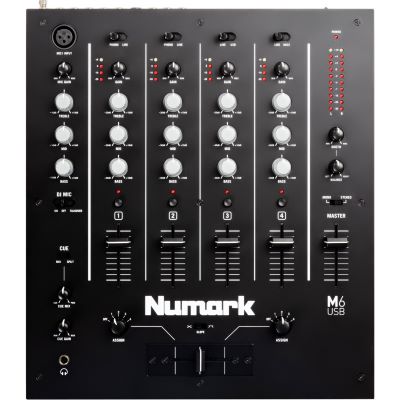
The master output of the DJ controller or DJ mixer is the central connection to the sound system. Balanced XLR or balanced jack outputs are particularly practical for longer professional cable runs.
With many active systems, the master signal can first be routed into the subwoofer and then passed from suitable outputs to the tops. The exact routing depends on the components being used.
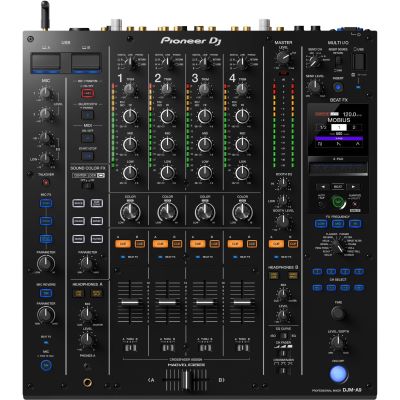
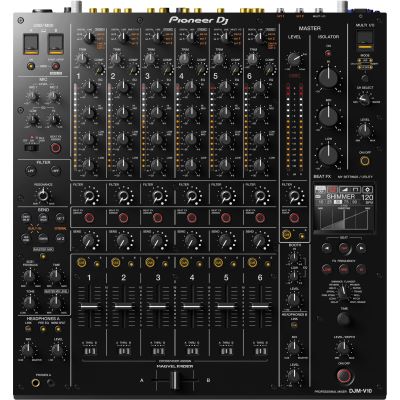
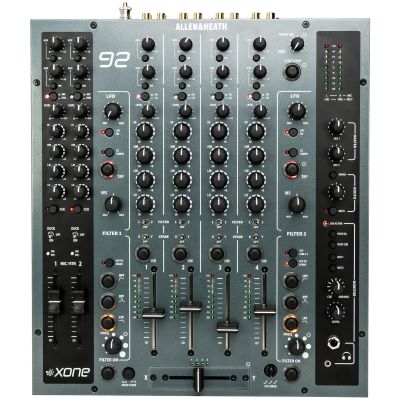
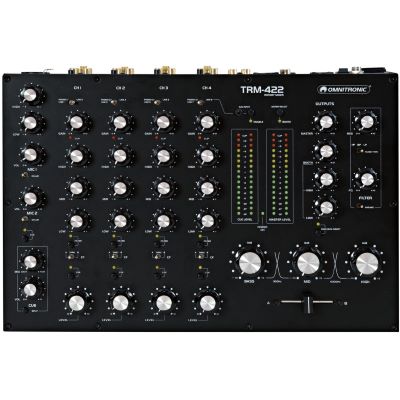
Club mixers often provide an independent booth output. It can feed a DJ monitor or a separate listening area without changing the master level of the main PA.
Keep the signal clean: do not operate permanently with red output indicators on the controller or DJ mixer. Clean gain staging with sufficient headroom helps amplifiers, DSP and loudspeakers operate without unnecessary distortion.
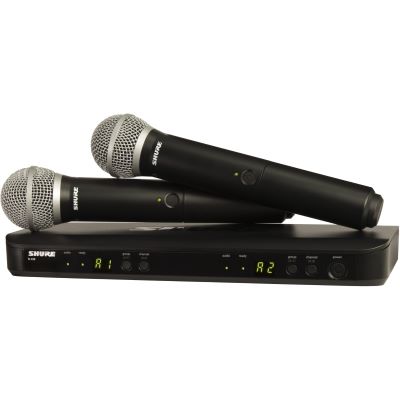
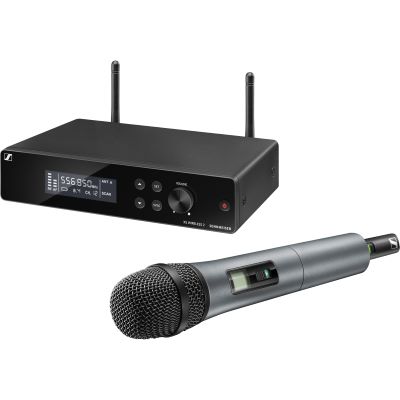
DJs working at weddings, corporate events or private parties often need a microphone for welcomes, speeches, games and announcements. A wired microphone is technically simple, while a wireless microphone provides much more freedom of movement for guests and presenters.

Place conventional top speakers on suitable stands or distance poles so that mid and high frequencies can project beyond the first guests towards the rear of the audience.
Direct the speakers towards the actual audience area. Extremely wide theoretical stereo spacing is less important than even coverage.
A central position is a sensible starting point with one subwoofer. Rooms can change bass distribution significantly, so listen throughout the venue before the event begins.
Position the loudspeakers so that displays, the dance floor and escape routes remain unobstructed and the DJ is not exposed directly to maximum front-PA level.
A system that sounds excellent but is unnecessarily difficult to transport can become impractical when it has to be moved several times every week.
Correctly fitted DJ cases protect faders, jog wheels, displays and connectors. Workstation cases can also provide a prepared work surface immediately after opening.
Covers reduce scratches and dirt. With heavy subwoofers, castors or suitable transport aids should be considered as part of the buying decision.
XLR, power and extension cables should be clearly labelled, neatly coiled and separated by purpose. This speeds up both setup and troubleshooting considerably.
Compact systems for fast mobile setup.
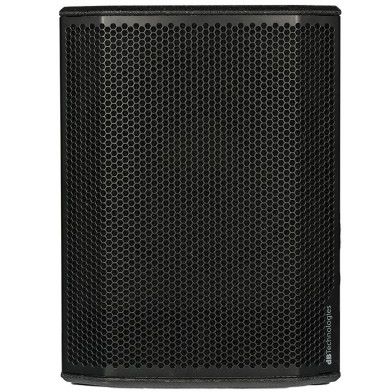
Flexible full-range speakers for stereo and top/sub systems.
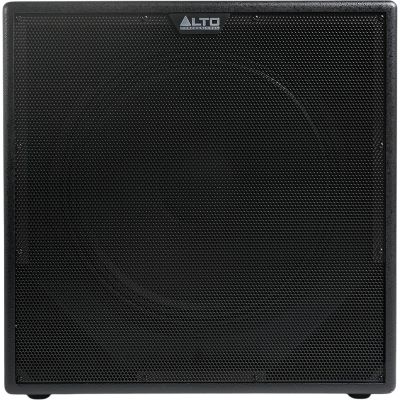
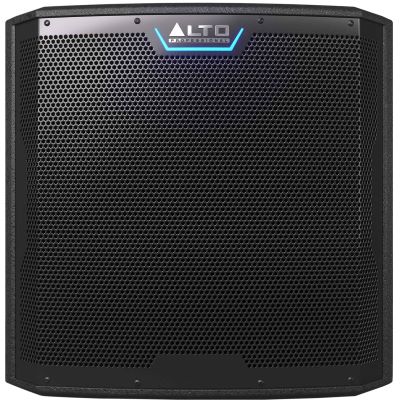
Low-frequency output for dance and electronic music.
Connect master, booth, microphone and playback sources centrally.
Mobile DJ workflow with integrated audio interface.
For speeches, presentations and mobile event moderation.
Complement the PA with lighting for the venue and dance floor.
Protect controllers, mixers and players during mobile use.
The selection is grouped by product category. Current technical specifications and the current scope of delivery can be found on the individual product pages.
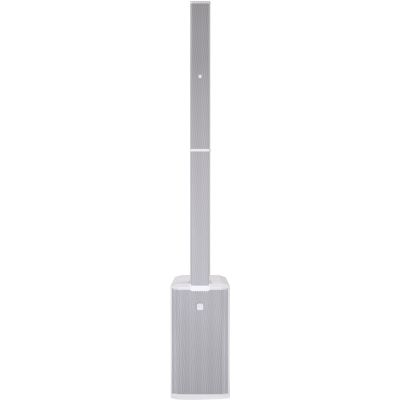
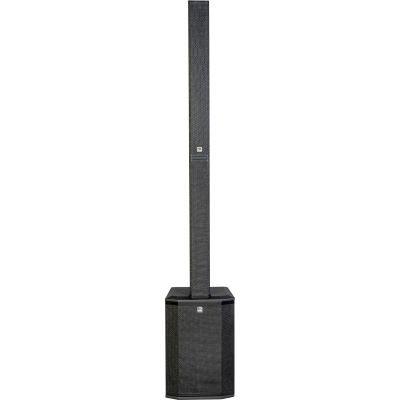
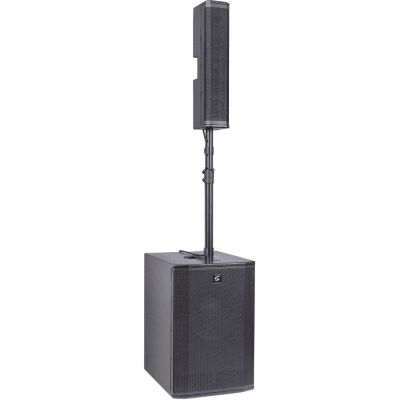
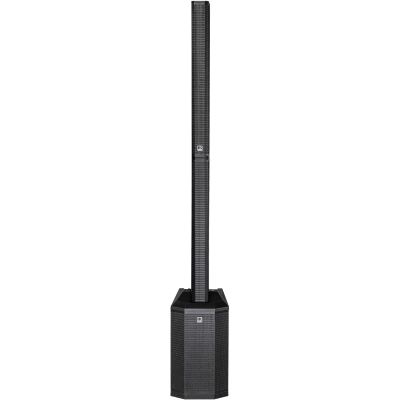
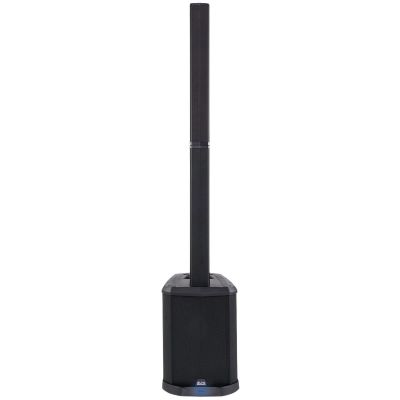
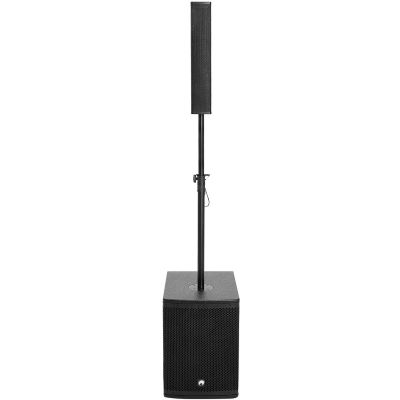
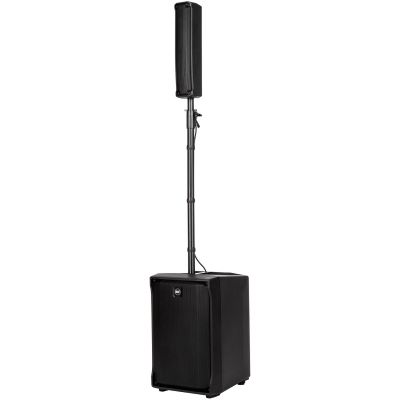
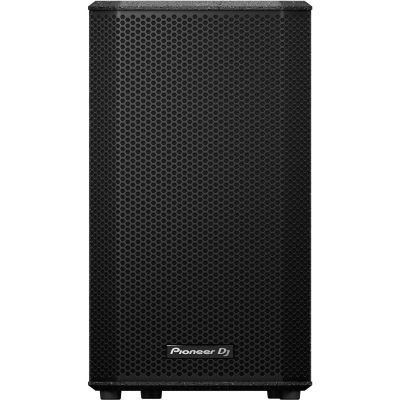
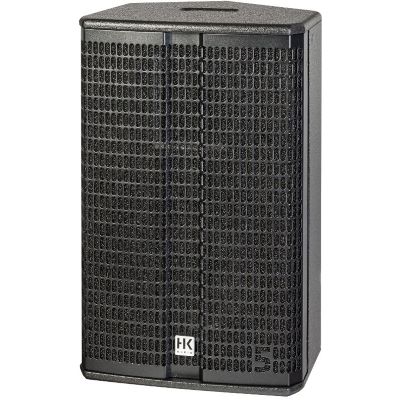
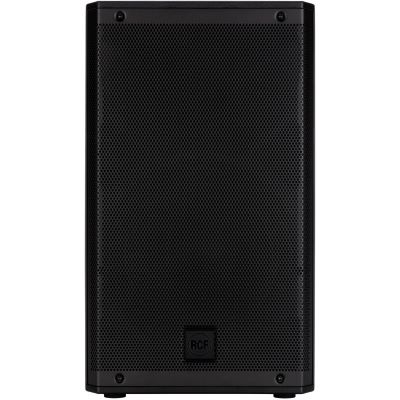
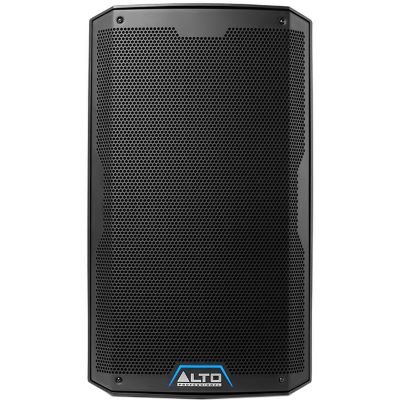
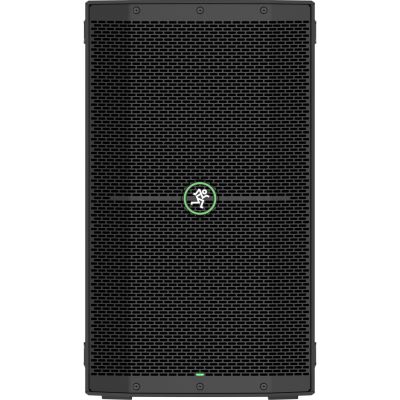
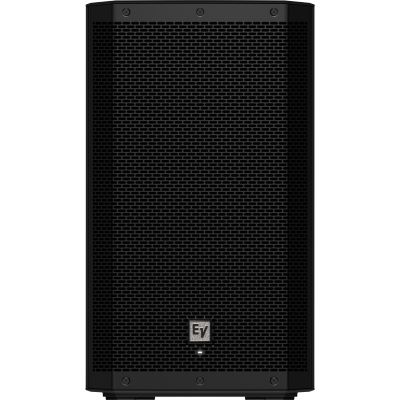
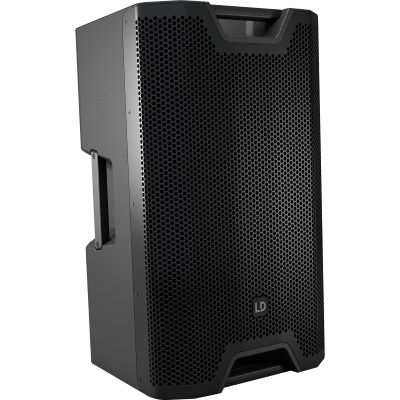
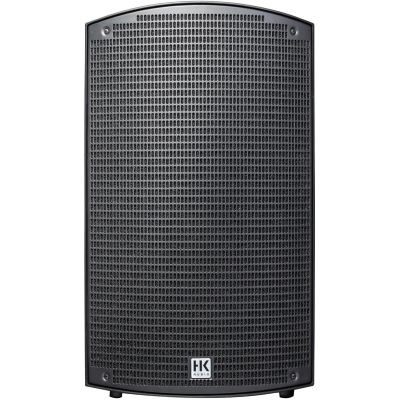
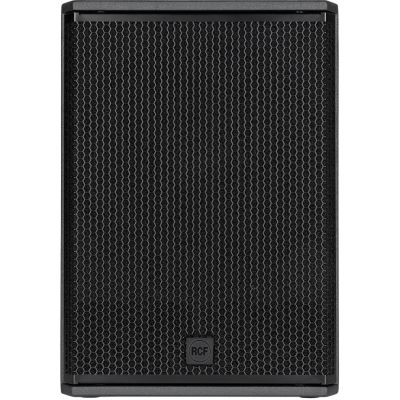
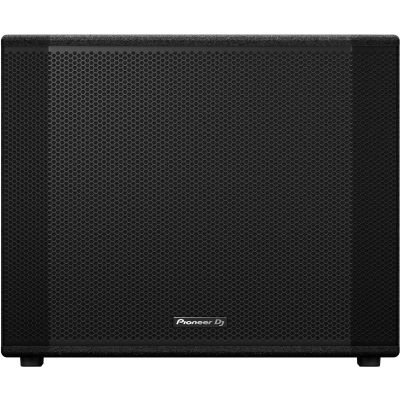
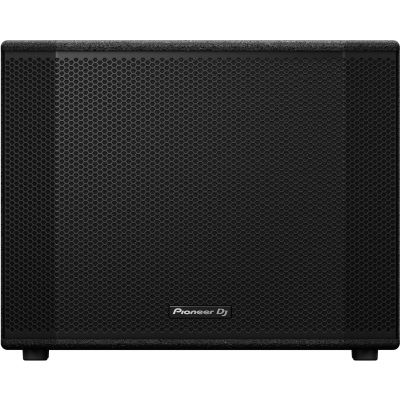
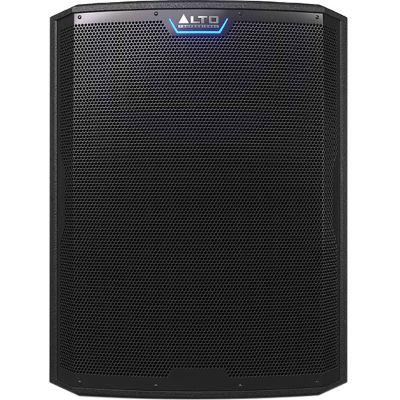
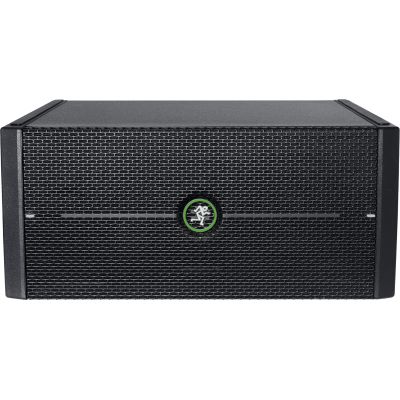
PA, DJ equipment, microphones, lighting, stands, cables and cases should be planned together if the setup needs to work reliably at changing venues.
Use the manufacturer pages to compare tops, subwoofers, DJ equipment, microphones and matching accessories within the respective product ranges.








Maximum SPL, dispersion, low-frequency extension and DSP are also crucial.
With dance music, small tops alone often lack the desired low-frequency foundation.
Red master meters do not create more professional sound; they create unnecessary distortion.
The first guests can block mid and high frequencies for listeners further back.
Two 18-inch subwoofers can be acoustically attractive, but they also have to be moved at every gig.
A single defective XLR or power cable should not bring an entire DJ event to an end.
For smaller events, a capable column PA or a pair of compact active tops can be sufficient. For a real dance floor, an additional subwoofer is often useful.
Two powerful active tops plus a suitable 15 or 18-inch subwoofer are a flexible starting point. Room size, music style and desired level can make a second subwoofer useful.
Column systems are quick to set up and visually discreet. Classic tops with separate subwoofers are easier to scale for different event sizes.
No. Speech and background music can work without a separate subwoofer. For dance music, house, hip-hop and electronic music, a subwoofer becomes considerably more important.
A 15-inch model is often lighter and easier to transport. An 18-inch design can offer more deep-bass potential depending on its construction. The specific model, maximum SPL and transport concept are decisive.
For many small and medium-sized gigs, one capable subwoofer is sufficient initially. Two subs provide more reserve and can be useful for larger dance floors.
Use the designated master output of the controller. For professional mobile setups and longer cable runs, balanced XLR or balanced jack connections are particularly useful.
This is technically possible when the PA has suitable inputs. For longer cable runs at events, balanced signal transmission is generally more resistant to interference.
A separately adjustable booth output can feed a dedicated monitor at the DJ position while the master output independently supplies the main PA.
A robust handheld microphone is very versatile. Wireless systems provide greater freedom of movement for guests and presenters. A compatible input and reliable frequency planning are important.
Outdoors, allow more level and coverage reserve than in a comparable indoor room. Power supply, stable positioning and weather protection must also be considered.
Useful backups include spare XLR and power cables, adapters, microphone batteries or rechargeable batteries and a second method of music playback.
If you regularly work at weddings, corporate events or larger parties, it is worth planning tops, subwoofers, DJ outputs, wireless microphone, stands, cables, lighting and cases together.
A DJ PA should match the typical event size and music style. For smaller parties or discreet event sound reinforcement, column systems are particularly transport-friendly. Two classic active tops provide a more modular basis that can later be expanded with one or two subwoofers. For modern dance music, bass reserve is considerably more important than for speech or background music.
The signal path is equally important. DJ controllers and mixers should be gain-staged cleanly and should preferably feed the PA via suitable balanced outputs for longer professional cable runs. Depending on the active system, the master signal can run first through the subwoofer and then to the top speakers.
For weddings and corporate events, a microphone, speaker stands, cables and a secure transport solution also belong to a professional mobile setup. A separate booth output can provide independent DJ monitoring while the master output feeds the audience system.
If these components are planned together from the beginning, the result is a DJ PA that is faster to set up, works more reliably and can grow with larger events.
Find further buying guides, comparisons and complete project routes for DJ equipment, musical instruments, studio gear and stage technology in the central Musikhaus Korn guide.