Start with Wired Monitoring
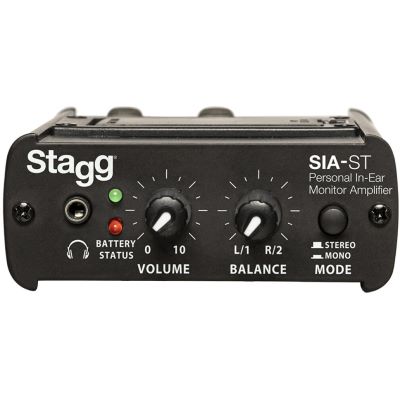
For drummers, keyboard players and other musicians who remain in one place, a bodypack headphone amplifier is affordable, effectively free from additional wireless latency and requires no RF planning.

Every musician hears exactly what they need to perform – directly in their ears. A good in-ear setup therefore does not begin with the most expensive wireless system, but with the monitor mix: how many musicians need their own mix, is mono sufficient or should it be stereo, and who needs complete freedom of movement on stage?
Start with freedom of movement. A drummer or keyboard player normally remains in a fixed position and can use a wired system particularly easily. Singers and guitarists, on the other hand, often benefit from a wireless bodypack.
For drummers, keyboard players and other musicians who remain in one place, a bodypack headphone amplifier is affordable, effectively free from additional wireless latency and requires no RF planning.
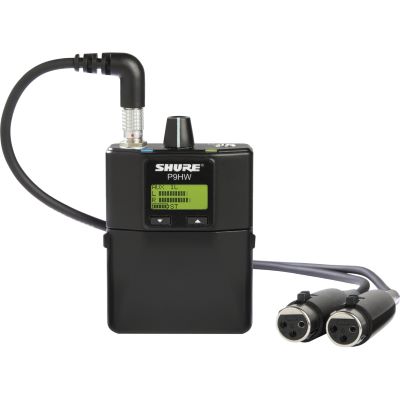
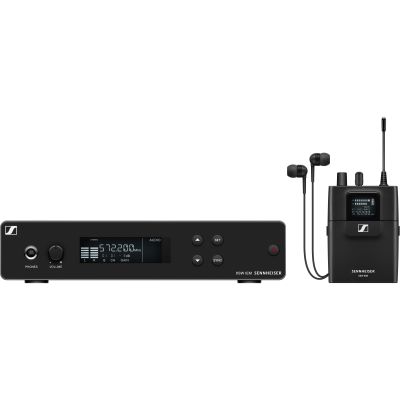
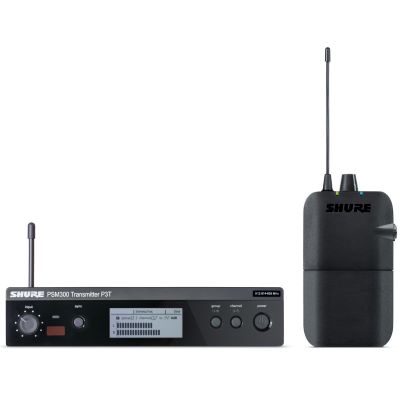
One transmitter and one bodypack receiver provide a simple wireless introduction for singers, guitarists, bassists and other performers who need to move freely.
If two musicians need exactly the same monitor mix, suitable systems can combine one transmitter with several bodypack receivers. This can save wireless channels.
Independent mixes require the corresponding number of Aux, Bus or Monitor paths at the mixer and, for separate wireless mixes, potentially several IEM transmitters.
Practical rule: count the number of different monitor mixes first, not the number of musicians. Four musicians only require four wireless transmitters if they genuinely need four separate wireless mixes.
Microphones and instruments are combined at the mixing console to create a personal monitor mix for the musician.
The monitor mix leaves the console through an Aux, Bus or dedicated Monitor output.
With wired monitoring, the signal runs directly to the headphone amplifier. With wireless monitoring, it first enters the IEM transmitter and is then sent to the bodypack receiver.
The musician sets their listening volume on the bodypack or headphone amplifier and listens through correctly fitting in-ear monitors.
The basic signal path: mixer → Aux/Bus output → wired headphone amplifier or IEM transmitter → bodypack receiver → in-ear monitors.
A band does not have to choose one approach for everyone. Wired and wireless monitoring can be combined within the same setup according to each musician's position and movement.
| Criterion | Wired | Wireless |
|---|---|---|
| Freedom of movement | Low to medium | Very high |
| RF planning | Not required | Frequency and range must be considered |
| Additional wireless latency | Practically none | Depends on the system |
| Cost | Usually lower | Transmitter and receiver required |
| Typical users | Drums, keys and stationary musicians | Vocals, guitar, bass and performers |
Hybrid setup: a drummer and keyboard player can work with wired monitoring while the singer and guitarist use wireless bodypacks. Both solutions can receive independent mixes from the same console.
Every completely independent monitor mix requires its own output path. For in-ear monitoring, Aux sends are normally operated pre-fader so that changes to the front-of-house mix do not suddenly alter the musician's listening level.
One Aux path is sufficient for one mono mix. Suitable wireless systems can distribute that same mix to several bodypack receivers.
Singer, guitarist and drummer each receive their own Aux path. Every musician can therefore receive different level relationships between the important stage signals.
Each true stereo mix needs two output signals. Three independent stereo monitor mixes therefore normally occupy six physical output paths at the mixer.
Mono requires fewer mixer outputs and is entirely sufficient for many small bands. The important factor is a clear balance containing the musician's own voice or instrument plus the band signals needed for timing, pitch and orientation.
Stereo allows instruments to be positioned to the left and right. This can make a complex monitor mix feel less crowded and improve orientation, but it normally requires twice as many physical output signals.
Well-sealing earphones reduce the natural contribution of the stage, room and audience. A deliberately added ambient microphone can restore atmosphere without removing one of the in-ear monitors.
Permanently using only one earpiece is not a good standard solution. The open side may then be compensated for with a higher listening level. A controlled mix through both earphones, with suitable ambient signals where required, is generally the more sensible approach.
Rule for the first monitor mix: do not make every signal as loud as possible. A useful in-ear mix contains exactly the sources required for pitch, timing, orientation and confidence during the performance.
Depending on the system, wireless in-ear monitoring can operate in selectable UHF ranges as well as digital 2.4 GHz or 5.8 GHz bands. The correct choice depends on the system, the number of wireless links and the actual RF environment at the venue.
Professional systems allow frequencies to be selected deliberately and several wireless links to be coordinated together. The exact frequency variant must suit the intended application and current regulatory framework.
Compact digital systems can be quick to configure. Because Wi-Fi and many other devices also use this range, the real RF environment at the venue should be tested.
A modern alternative for compact IEM systems. A clear radio path between the transmitter and bodypack supports a reliable connection.
Plan all wireless links together: wireless microphones, instrument wireless systems and IEM transmitters belong in the same overall frequency plan. Re-check the system whenever you move to a new venue.
Even an excellent wireless system provides limited benefit if the earphones do not seal correctly or move during the show. Fit and isolation influence bass reproduction, perceived loudness and practical monitoring comfort.
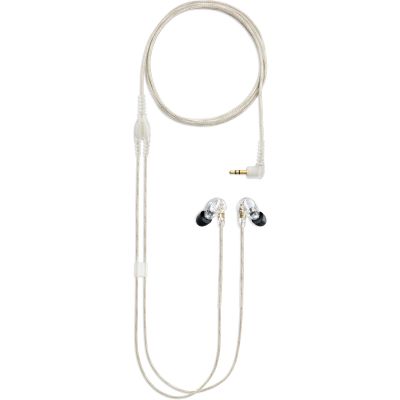
Protect your hearing: in-ear monitoring does not automatically make a stage quiet. Good isolation can make lower listening levels possible – this advantage should actually be used instead of compensating with unnecessary volume.
Four musicians do not automatically require four separate wireless transmitters or four identical monitor mixes.
| Musician | Monitoring | Mix | Physical Outputs |
|---|---|---|---|
| Vocals | Wireless IEM | Individual stereo mix | 2 |
| Guitar | Wireless IEM | Individual mono mix | 1 |
| Bass | Wireless IEM | Same mono mix as guitar | 0 additional |
| Drums | Wired | Individual stereo mix | 2 |
Result: this example requires five physical output signals even though four musicians are monitored. Guitarist and bassist share one mix and, with a suitable wireless system, can use two bodypack receivers on the same transmitter.
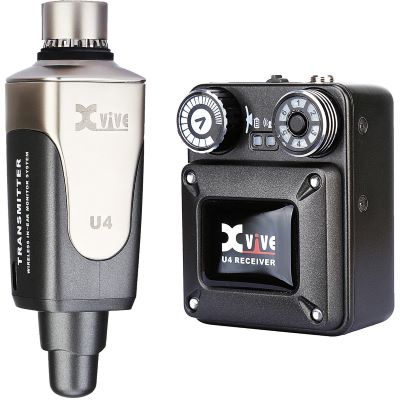
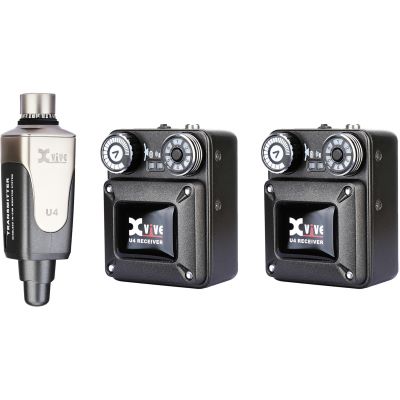
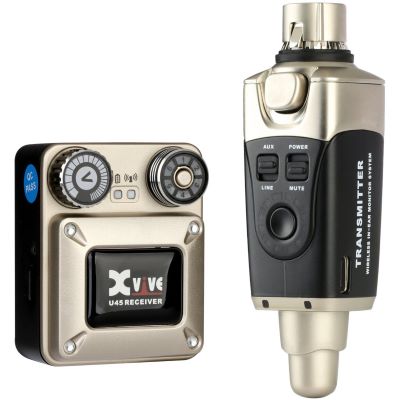
The selection includes complete wireless sets, solutions with multiple receivers, wired personal-monitoring systems and suitable stage in-ear monitors.
From compact plug-and-play solutions to rack-mountable UHF and professional stereo systems.
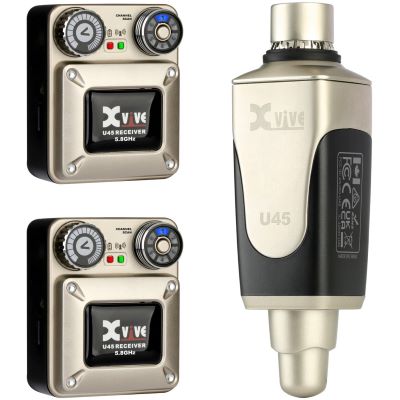
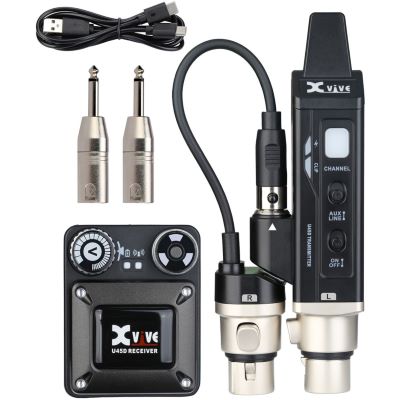
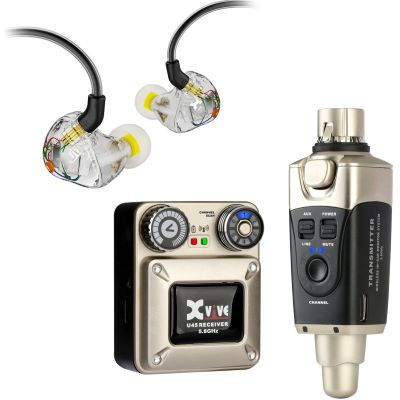
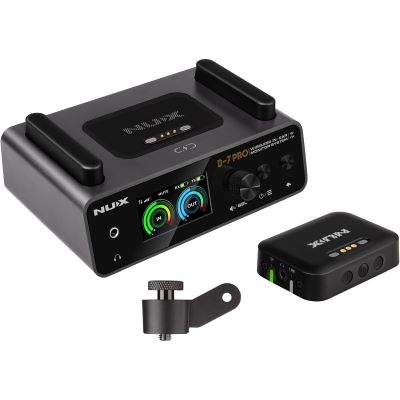
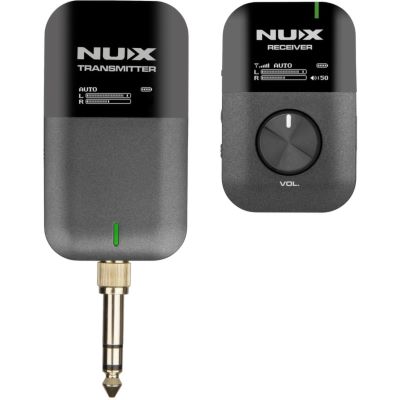

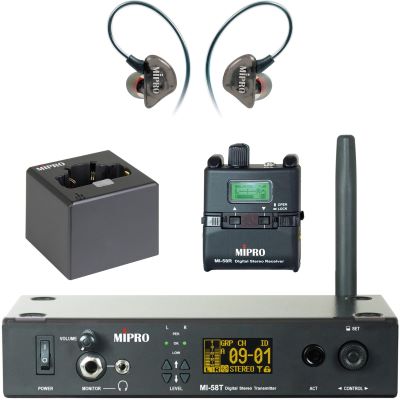
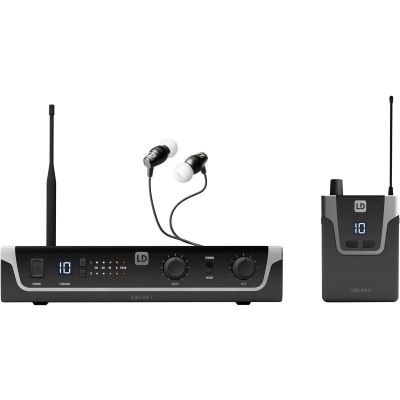
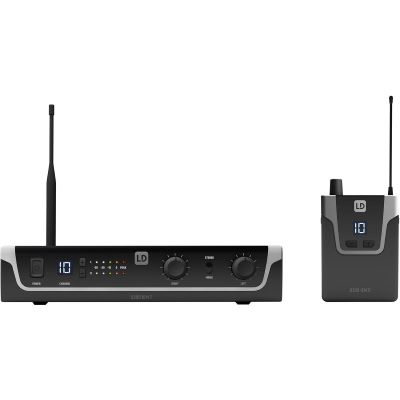
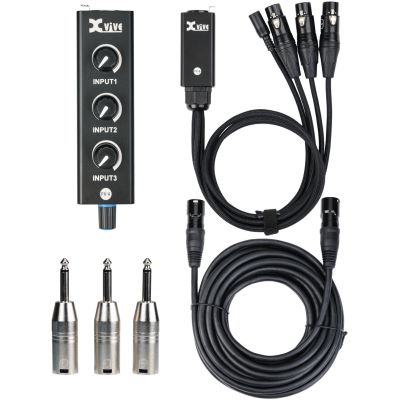
Particularly suitable for musicians who remain in a fixed position and do not require a wireless link.
View Headphone AmplifiersThe monitor itself determines fit, isolation and how directly the personal mix reaches the musician.

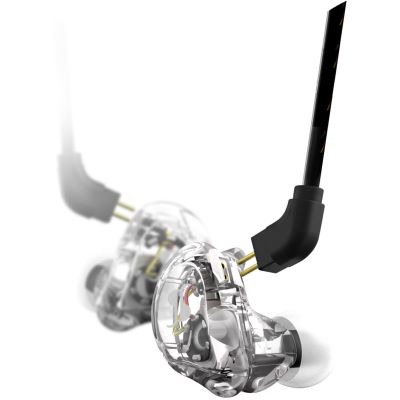
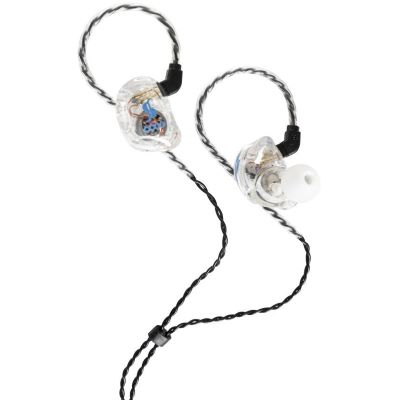
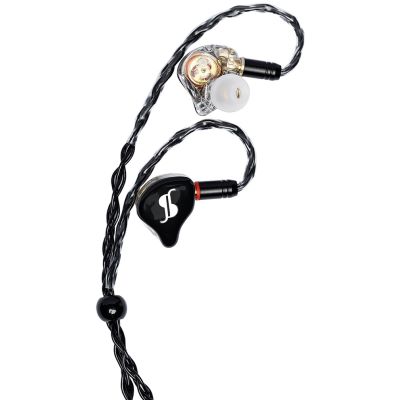
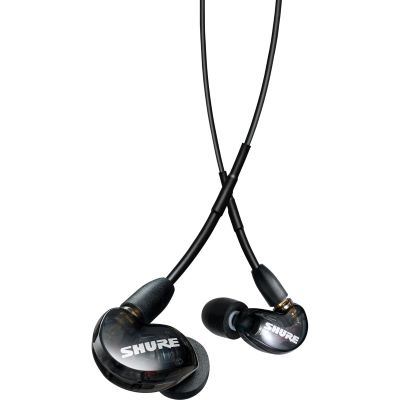
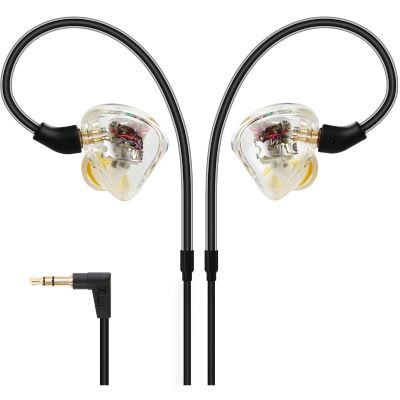
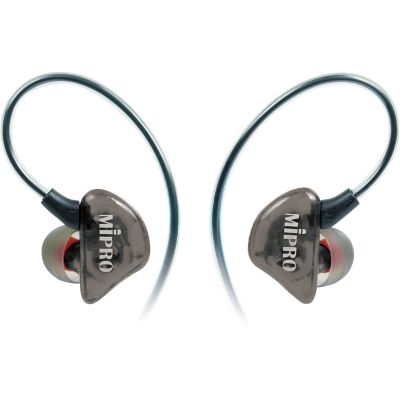
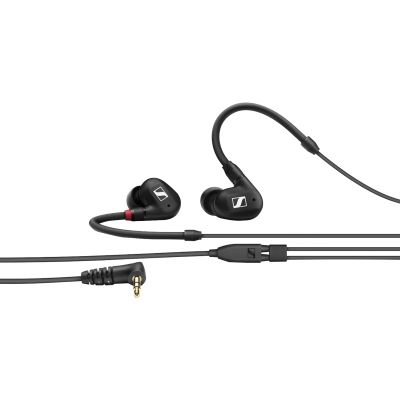
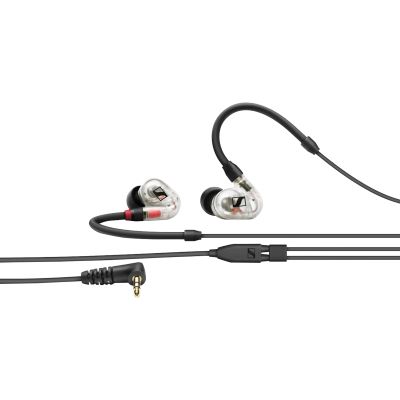
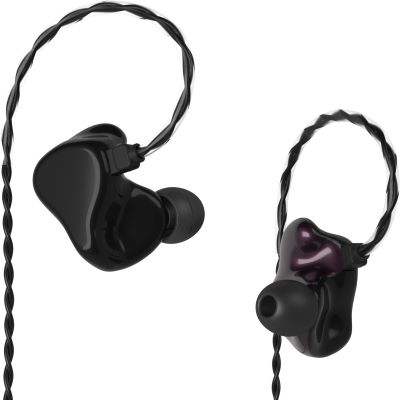
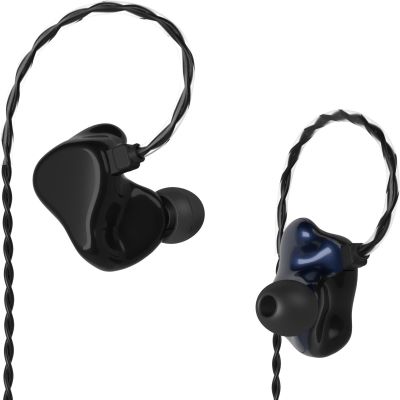
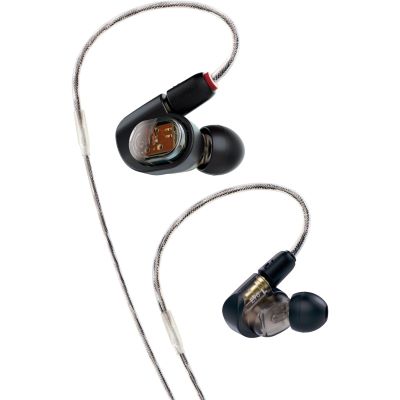
With professional wireless systems, it is useful to plan transmitters, receivers, rechargeable batteries and accessories within a compatible manufacturer ecosystem.








Before purchasing the IEM system, check how many independent mono or stereo monitor mixes the console can genuinely output.
If several musicians listen to exactly the same mix, suitable systems can supply several receivers from one transmitter.
Missing bass is frequently compensated for with more volume even though a different ear tip or improved fit is the real solution.
A stage monitor mix requires different level relationships from the mix intended for the audience.
IEM, wireless microphones and instrument wireless systems should be included in the same overall frequency coordination.
Begin with a low bodypack volume and improve the mix through balance and clarity before increasing the overall listening level.
You need a separate monitor mix at the mixing console and a suitable output. A wired setup then needs a headphone amplifier; a wireless setup needs an IEM transmitter and bodypack receiver. Suitable in-ear monitors complete the signal chain.
Only when every musician requires a separate wireless monitor mix. If several musicians listen to the same mix, many systems can supply several receivers from one transmitter.
Four independent mono mixes normally require four output paths. Four true stereo mixes normally require eight output signals. The number is reduced when musicians share mixes.
Stereo allows signals to be distributed spatially and can make a complex mix easier to understand. Mono uses fewer mixer outputs and is entirely sufficient for many stages.
Yes. Musicians who remain in a fixed position are particularly well suited to wired bodypack amplifiers because no wireless link is required.
Yes, provided the mixer has enough separate Aux or Monitor outputs. Digital mixers often offer more flexible routing and scene storage when many individual monitor mixes are required.
A poor acoustic seal is a very common cause. Try different ear tips and check the fit before dramatically increasing low frequencies at the mixer.
One or more ambient microphones can deliberately add room and audience reaction to the monitor mix. This allows both earpieces to remain in use.
A limiter in the monitoring signal path can help restrict unexpected level peaks. It does not replace sensible basic listening levels or correct gain structure.
Treat all transmitters as part of one overall RF system. Frequencies should be coordinated together and tested at the venue before the performance begins.
Use multiple independent monitor buses, scene storage and flexible routing structures for a complete band.
Plan enough inputs, outputs and separate headphone mixes when an entire band needs to record simultaneously.
Combine modeller, amplifier, PA signal and personal monitoring into one practical rehearsal and stage setup.
Treat personal monitoring as one part of the complete stage and sound-reinforcement system.
First determine who needs which monitor mix. Then calculate the available Aux paths and decide between mono and stereo. Musicians in fixed positions can use wired monitoring while mobile performers use wireless IEM. Only after that should you select the frequency band, bodypack, suitable in-ear monitors and possible future expansion.
PA systems, mixing consoles, microphones, recording equipment, instruments, DJ technology, lighting and event equipment: the central Musikhaus Korn guide leads to further buying advice, comparisons and complete setup solutions.